Parking
Use the Washington-side Mount Rushmore parking facility; the Blackberry Trailhead is directly across SD-244. Parking charges may apply, so check current arrangements.

#3 of 8 trails in Mount Rushmore
Mount Rushmore National Memorial, SD
A wooded creek walk, then a steady climb back.
Overview
Map & elevation
Plan your hike
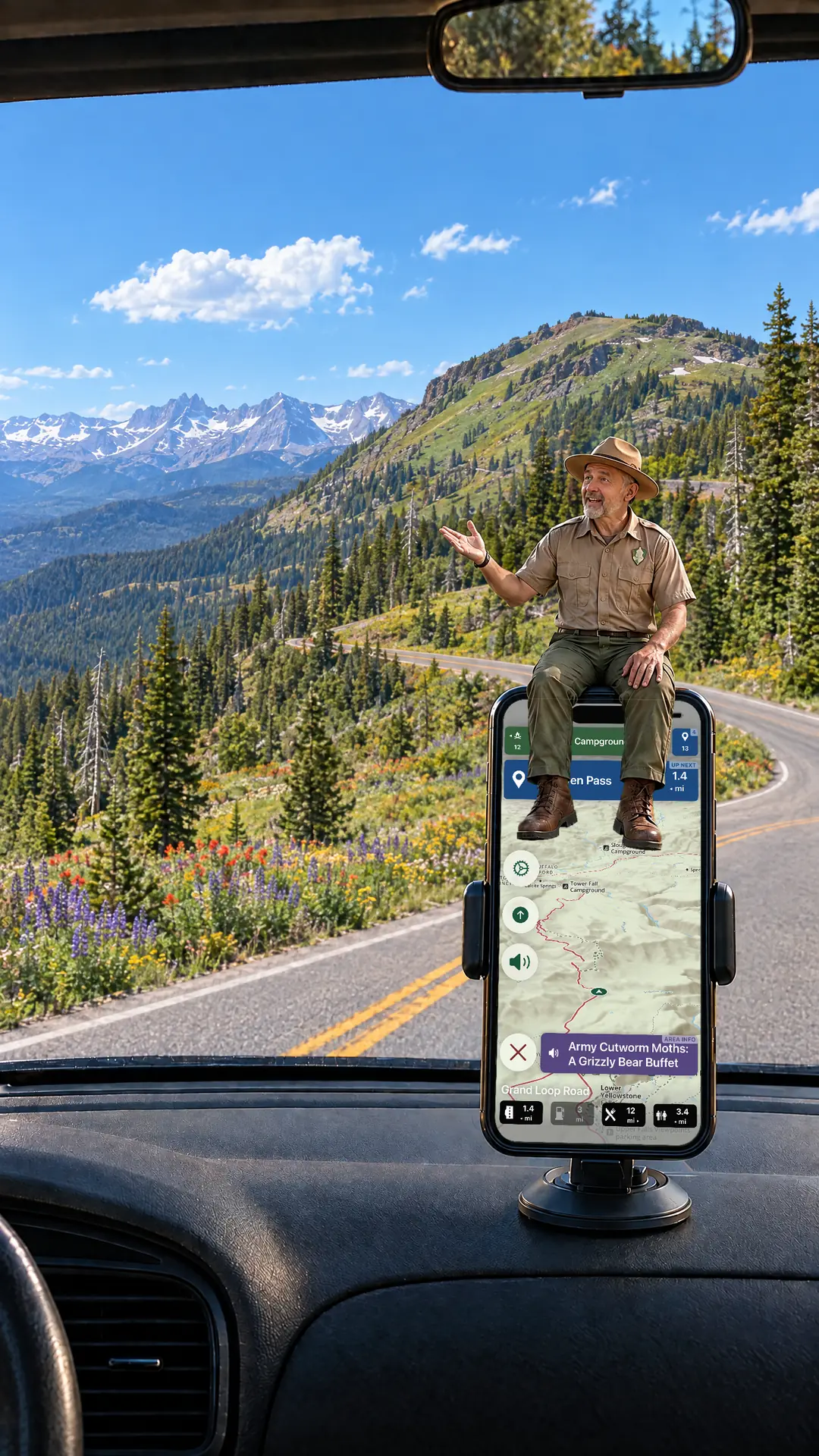
The highest, rockiest slopes around here are a summer buffet for grizzly bears.
Mount Rushmore Tour Guide
Parkwolf is a GPS audio tour guide for Mount Rushmore National Memorial. As you drive, it chimes in with what’s ahead: hidden gems, upcoming stops, history, geology, and wildlife, right through your car’s speakers.
Recorded for this trailhead
Blackberry Trailhead: Creek Walk or Lake Hike“Up ahead is the Blackberry Trailhead, across Highway two forty-four from the memorial parking facility.”
Plays as you drive up to this trailhead in the Parkwolf Mount Rushmore Tour Guide.
More stories near here in the app
“We recently toured Badlands, Custer State Park, Mount Rushmore and more! We learned so much from this app as we toured each of these sites. The audio tours are worth the money.”


Trail guide
Blackberry Trail is a gravel out-and-back from the Washington-side Mount Rushmore trailhead to the Centennial Trail junction at the memorial boundary. The mapped tread is about 0.76 mile each way, so walking the whole trail and returning is about 1.5 miles; you may also see it described as one mile. Allow 30–60 minutes. It suits a visitor looking for a brief forest walk after the memorial, with a creek and bridge along the way. The climb back makes it more than a flat stroll.
The roughly two-foot-wide fine-gravel path drops into a small valley among ponderosa pine, quaking aspen and Black Hills spruce. Its maximum grade is 10%. Near the bottom, the trail follows a small creek toward the park boundary, with several small water crossings and a wooden bridge. Two picnic tables and horse tie-up stations are along the route; equestrians also use the trail, so be ready to share the tread.
The standalone Blackberry outing turns around where the path meets the Centennial Trail at the park boundary. Continue farther and you are on a longer hike, not the Blackberry Trail alone. The return retraces the downhill approach as an uphill walk. Look through the pines on the way back for views of Mount Rushmore.
The trailhead is directly across SD-244 from the Washington side of Mount Rushmore’s parking facility. The trail has no activity fee, though parking charges may apply at the memorial; check current arrangements before you go. Dogs are allowed on leashes shorter than six feet. The narrow gravel trail is not suitable for strollers.
Wildlife
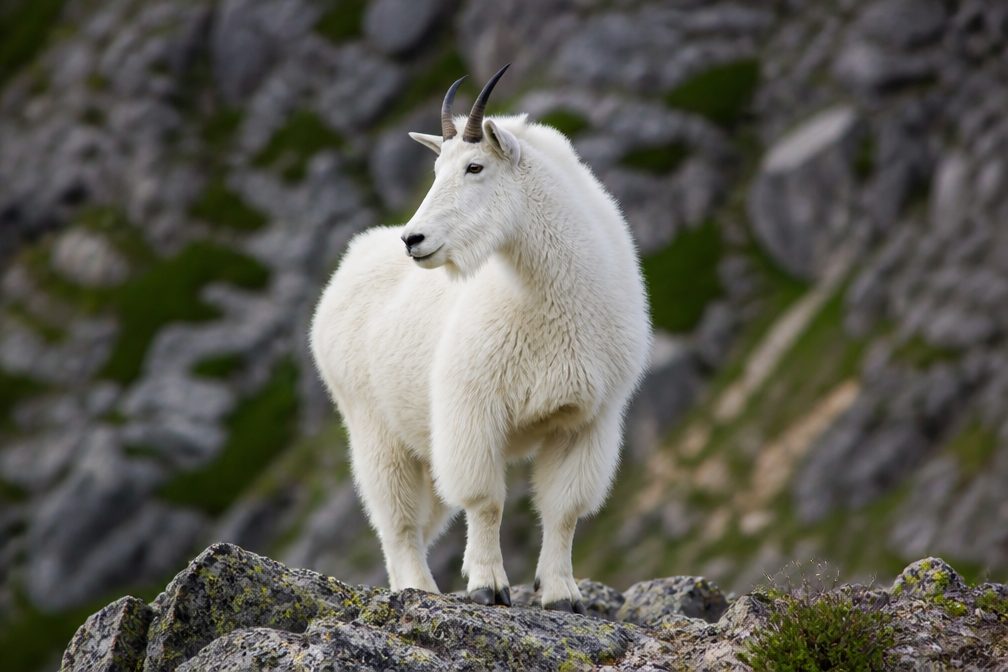 88 sightingsMountain GoatMost seen around 6 PMSighting map
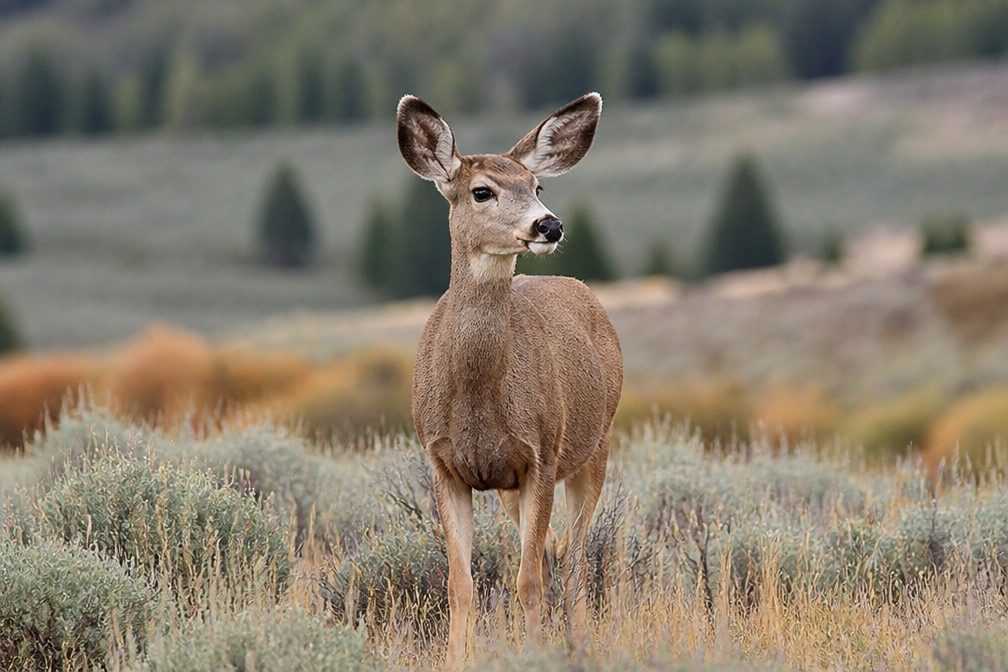 44 sightingsMule DeerMost seen around 6 PMSighting map
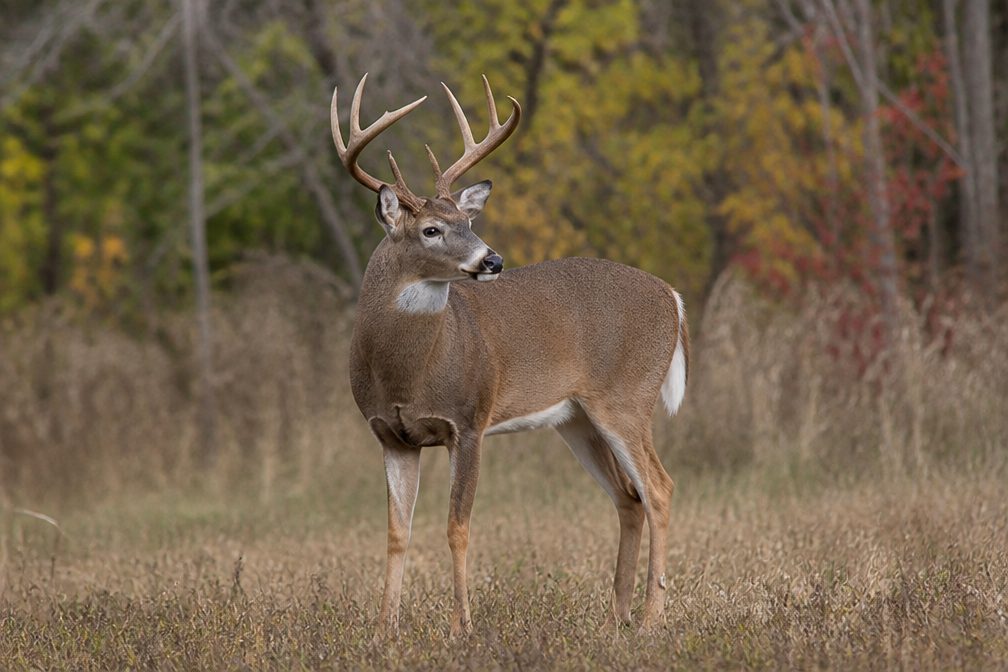 20 sightingsWhite-tailed DeerMost seen around 6 PMSighting map
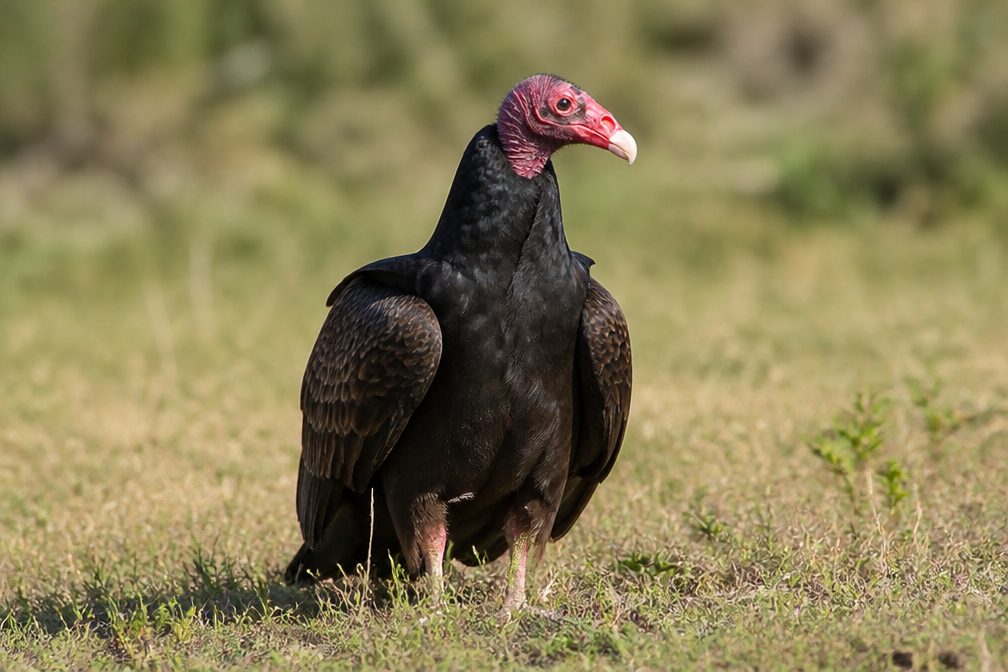 14 sightingsTurkey VultureMost seen around 1 PMSighting map
 32 sightingsMarmotMost seen around 7 AMSighting map
 11 sightingsBrook TroutMost seen around 8 PMSighting map
Sighting maps show where each species has been reported across Mount Rushmore. Wildlife moves, so no sighting is guaranteed.
Keep exploring
 ModerateHorse Thief Lake via Blackberry and Centennial Trail3.8 mi · 2.5 hr · At the trailheadA creekside forest route leads from a granite memorial to Horsethief Lake.
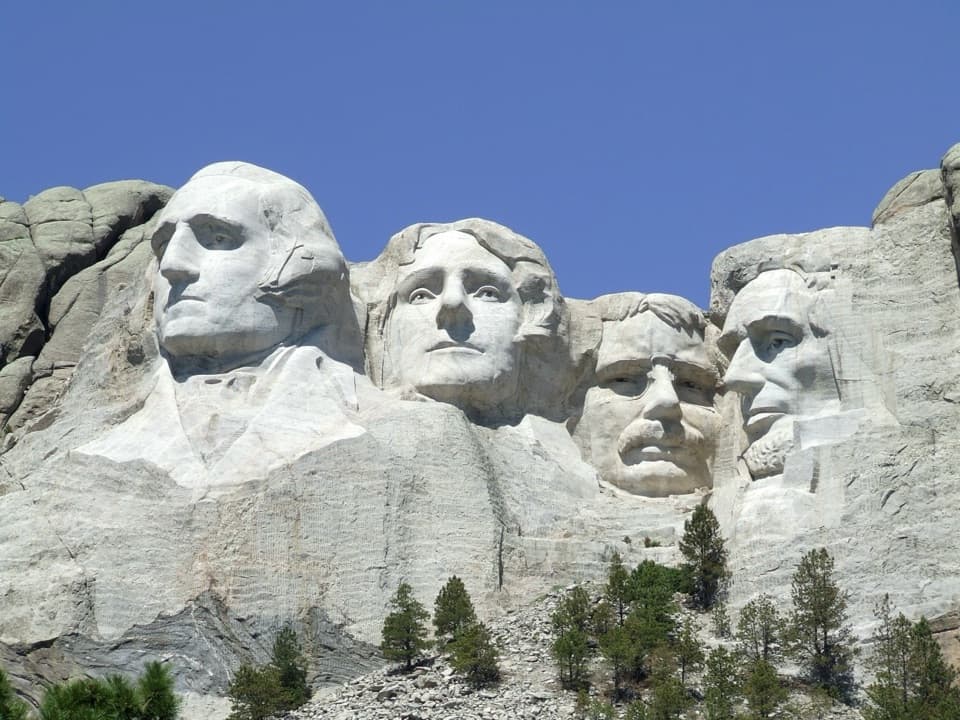 EasyNature Trail0.4 mi · 18 min · 0.2 mi awayA wooded link to Borglum's Sculptor's Studio.
 ModeratePresidential Trail0.6 mi · 36 min · 0.3 mi awayClose views of the carving, plus 422 stairs around the loop.
 EasyPresidential Trail (Stair-Free Route)0.4 mi · 24 min · 0.3 mi awayA close view of the carved faces without the full stair loop.
 ModerateWillow Creek Rushmore Trail #51.9 mi · 1.2 hr · 3.4 mi awayA short one-way forest route toward Mount Rushmore.
 ChallengingMount Rushmore via Centennial Trail10.7 mi · 6 hr · 3.9 mi awayA long Centennial approach to the Mount Rushmore memorial.
 Restroom · 0.2 mi awayMain Entrance RestroomsA handy restroom stop opposite the entrance Information Center.
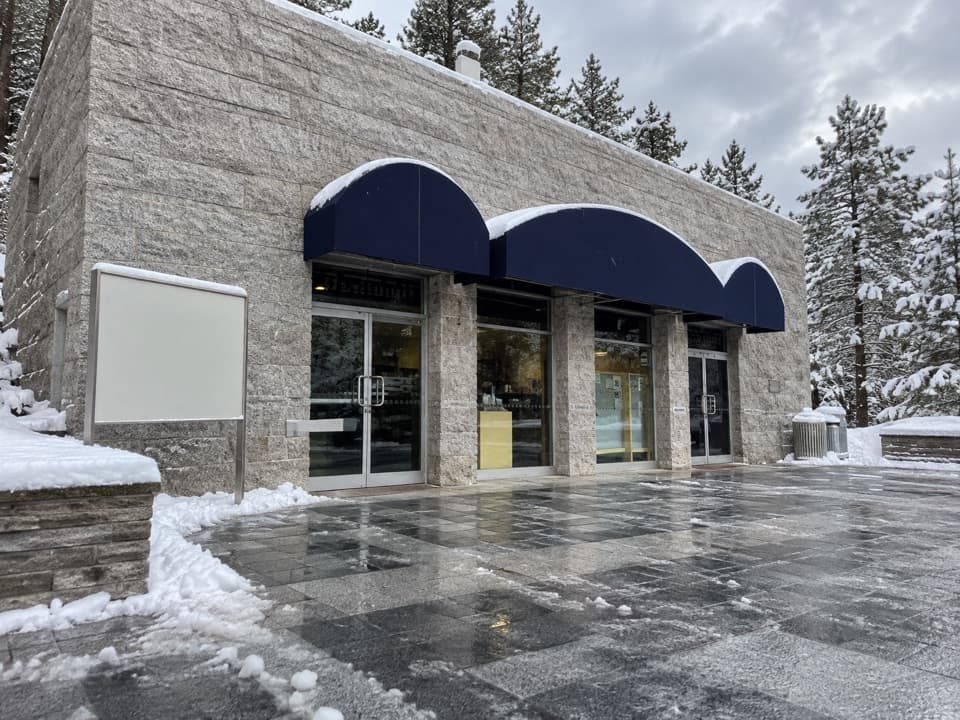 Visitor center · 0.2 mi awayInformation CenterA practical first stop for maps, ranger help, and a water refill.
 Store · 0.2 mi awayMount Rushmore Gift ShopBrowse Black Hills Gold and local goods alongside familiar souvenirs.
 0.2 mi awayLincoln Parking Facility EV ChargingSix Level 2 chargers inside the Lincoln Parking Facility.
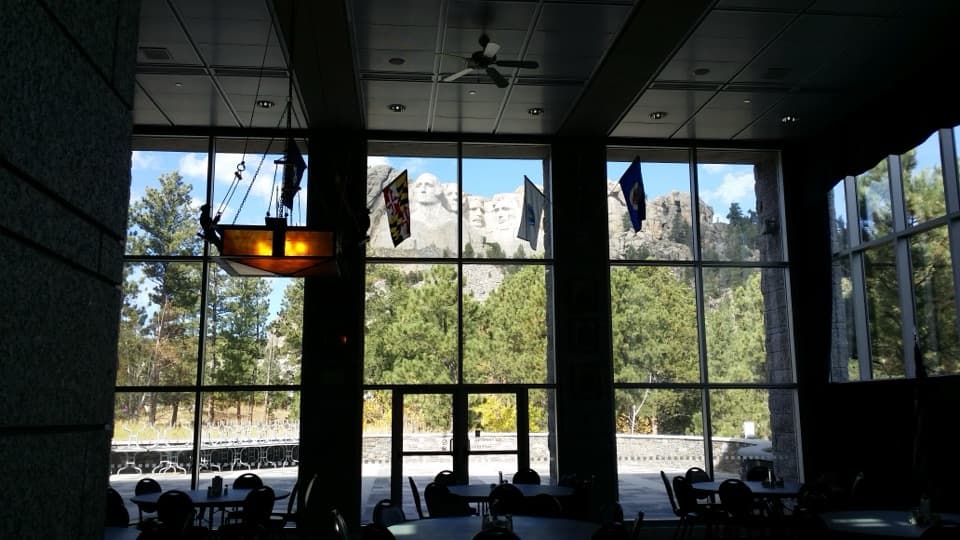 Food · 0.2 mi awayCarvers' CaféBuffalo chili and Jefferson-inspired vanilla with the sculpture in view.
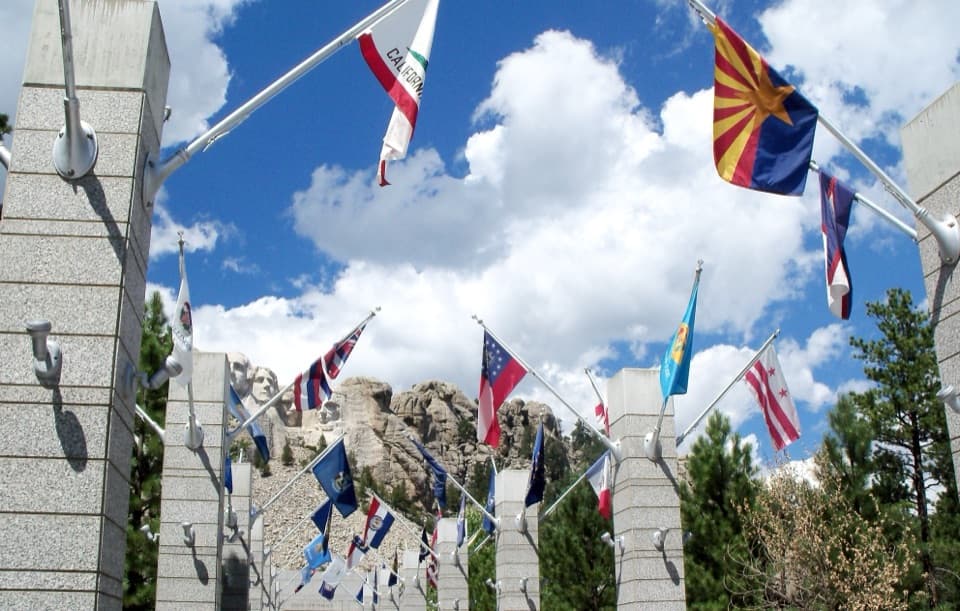 Sight · 0.2 mi awayAvenue of FlagsPick out your flag on the walk to the main terrace.
 Sight · 0.3 mi awayGrand View TerraceA clear, close look at all four faces from the terrace.
 Visitor center · 0.3 mi awayLincoln Borglum Visitor CenterTrace the carving from plaster models to workers’ photographs.
Parkwolf’s Mount Rushmore ranking
Presidential TrailModerate · 0.6 miPresidential Trail (Stair-Free Route)Easy · 0.4 miHorse Thief Lake via Blackberry and Centennial TrailModerate · 3.8 miMount Rushmore via Centennial TrailChallenging · 10.7 miWillow Creek Rushmore Trail #5Moderate · 1.9 mi Centennial Trail #89Challenging · 121.3 mi
The audio tour guide for the drive, plus offline maps, trails, and wildlife heatmaps for when the signal drops.