
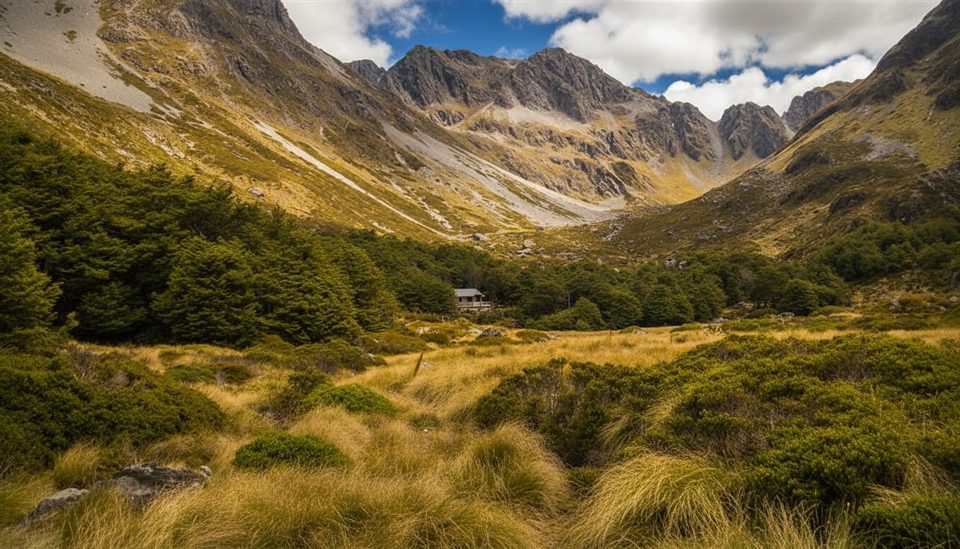
Place · 0 mi away
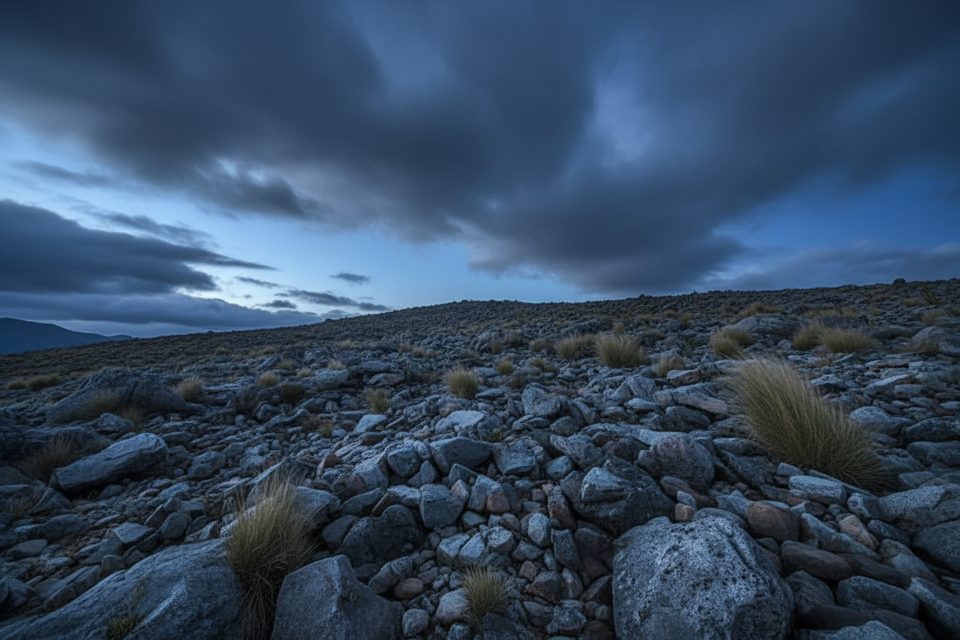
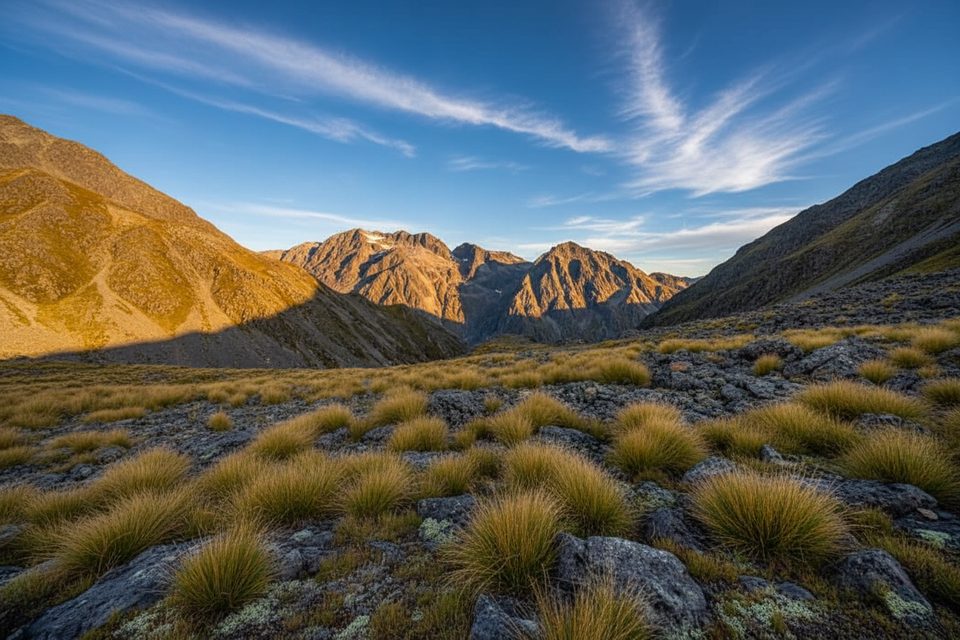
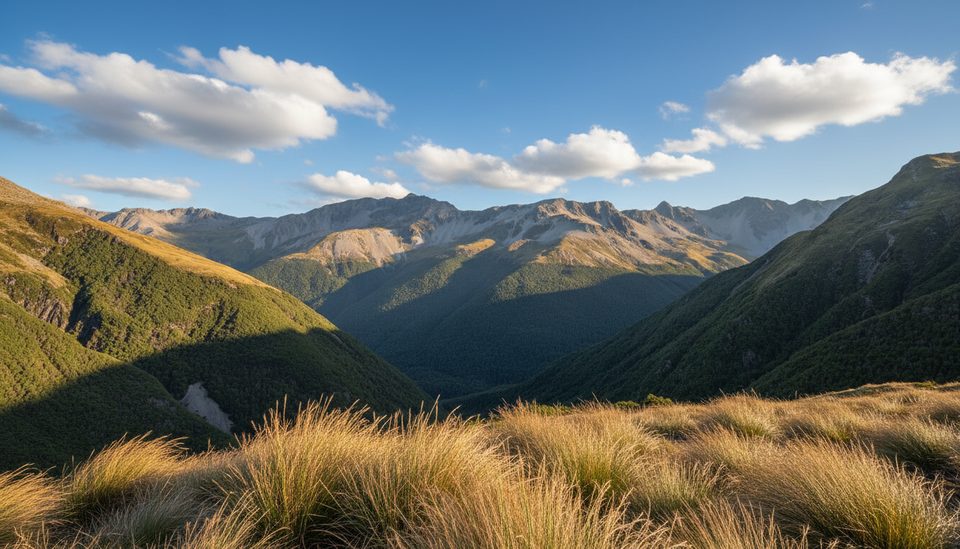
Poukirikiri/Travers Saddle is the high alpine pass linking the Travers and Sabine valleys on the Travers–Sabine Circuit (also a section of Te Araroa). It’s a committing, memorable crossing: big tussock basins and scree underfoot, a sharp climb from Upper Travers, then a long, leg‑burning drop into the Sabine. Expect panoramic views and true backcountry solitude.
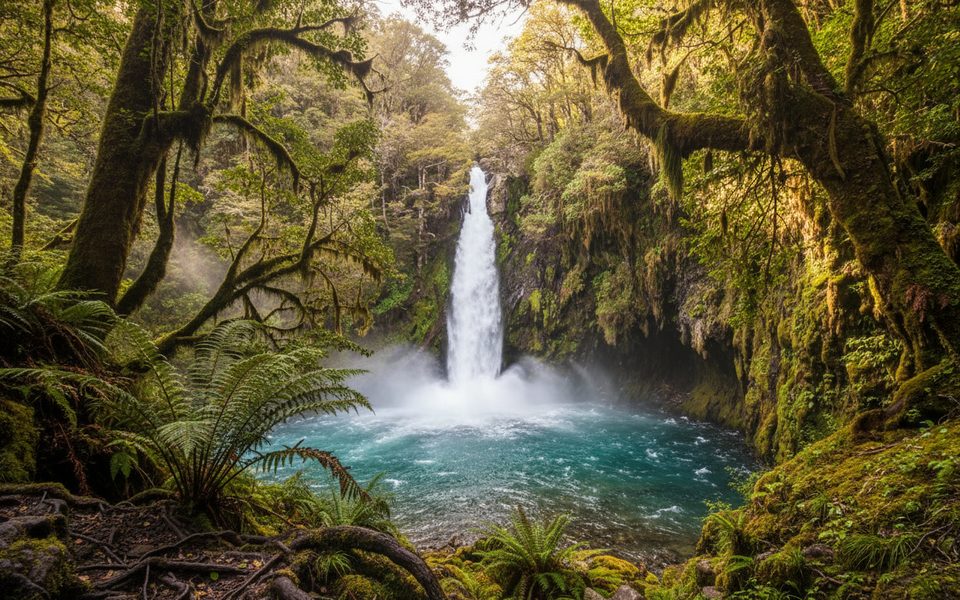
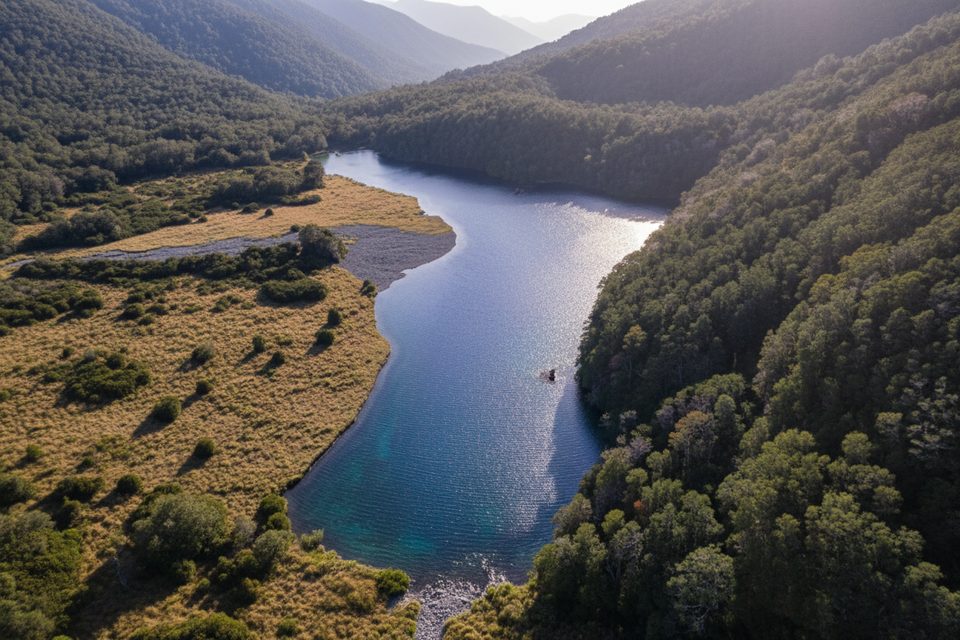
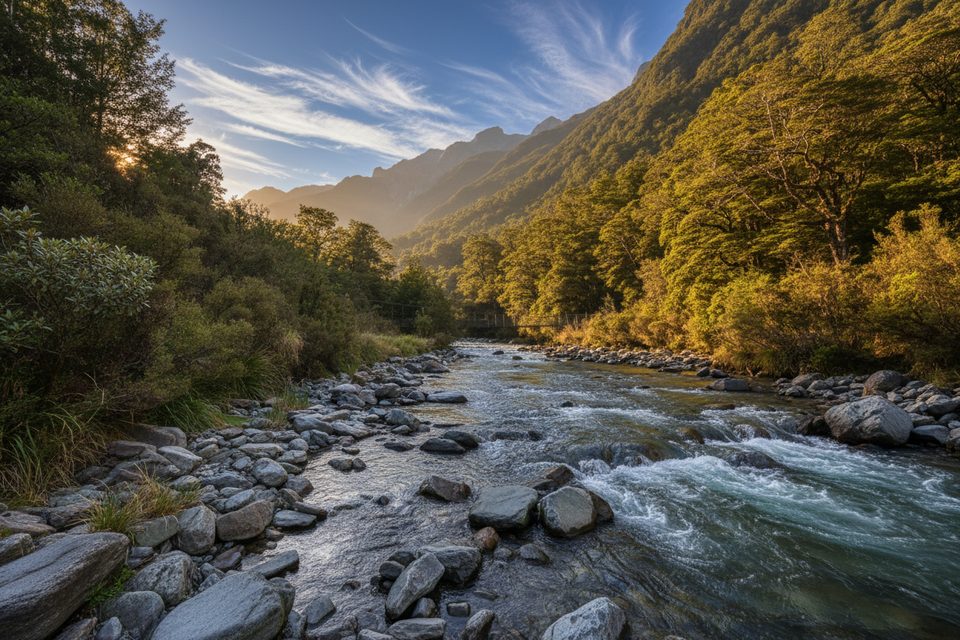
This is glacial country: beech forest in the lower valleys, grassy river flats, scree slopes, and U‑shaped basins dotted with tarns. Expect airy views from the saddle and dramatic chasms in side valleys. Side‑trip classics on the wider circuit include Rotomairewhenua/Blue Lake (no washing or swimming) and the Angelus area.
The most reliable window is October–May. Freezing conditions can strike any month; winter snow can linger into late November. Avalanche season typically runs June–October and can extend into December, with the Sabine side of the saddle notably avalanche‑prone. The usual recommendation is to approach from the Travers side for the easier ascent, then descend to the Sabine.
This is an alpine pass: be prepared for sudden weather changes. In winter and spring you’ll need ice axe and crampons, and you should assess avalanche hazards; there are more than 20 recognized avalanche paths on the circuit, and John Tait Hut sits below an avalanche path (avoid during storms or when snow reaches the valley floor). Most rivers are bridged, but some side streams can be unsafe after heavy rain. Insects are part of the deal—wasps are common January–April and sandflies are a summer constant.
There are no built amenities on the saddle—no shelter, toilets, or reliable water. Use the toilets at Upper Travers Hut or West Sabine Hut. Water is best refilled at huts or streams well below the saddle; treat if needed. Huts on the circuit carry seasonal fees and may require booking; carry warm layers, waterproofs, sturdy boots, navigation tools, and consider a PLB. Car parks in the area can experience theft—don’t leave valuables; there’s bag storage at the Rotoiti/Nelson Lakes Visitor Centre.
Thanks to ongoing predator control in the Rotoiti Nature Recovery Project, native birdlife is rebounding. In the beech forests and on the valley floors you’re likely to hear or see bellbirds/korimako, South Island robins/kakaruwai, and kākā.
Aim for October–May when conditions are most favorable. Start early on crossing day—Upper Travers Hut to West Sabine Hut routinely takes 6–9 hours in good conditions—so you’ve got daylight for the long descent and any weather shifts.
Place · 0 mi away
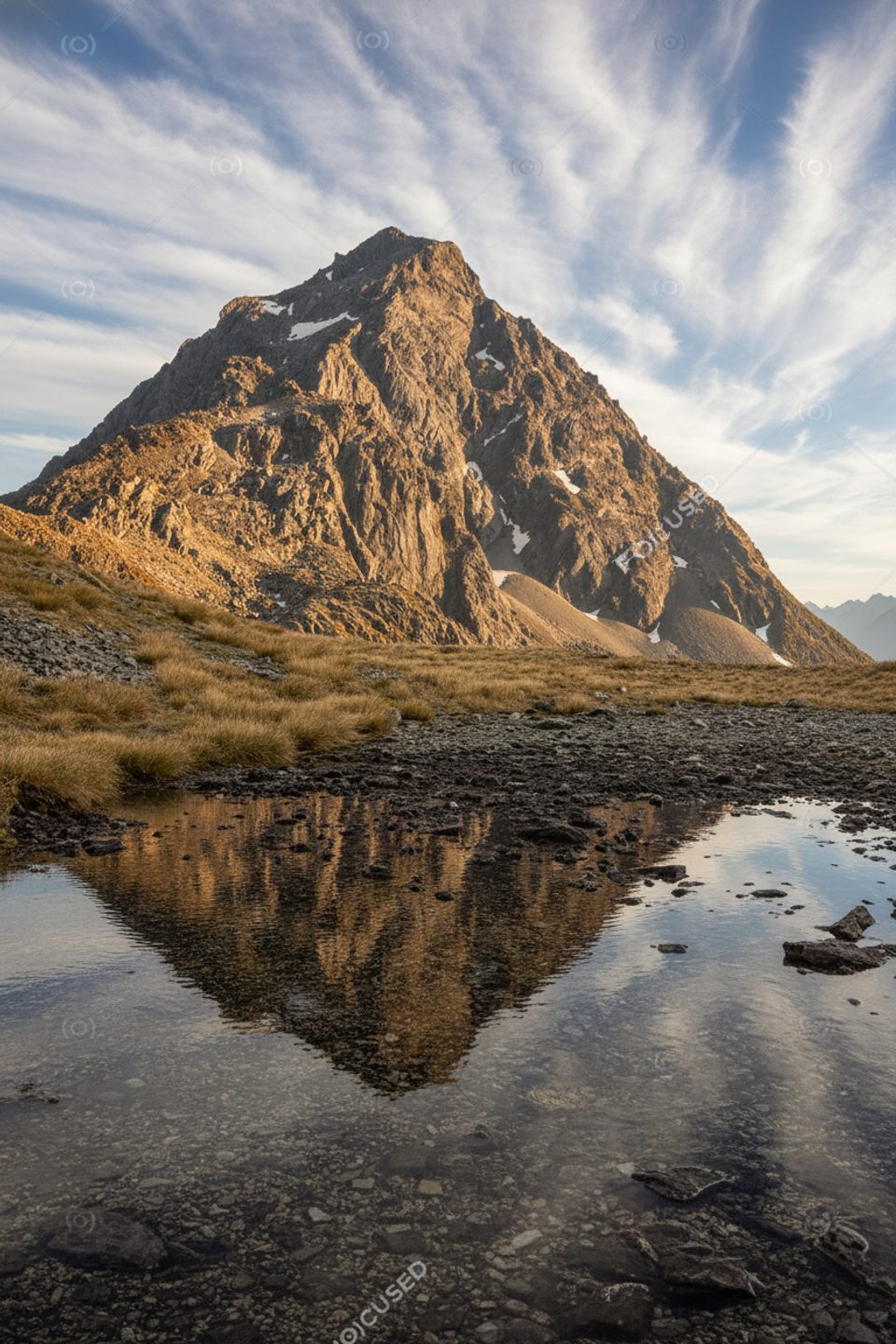
Place · 0.9 mi away
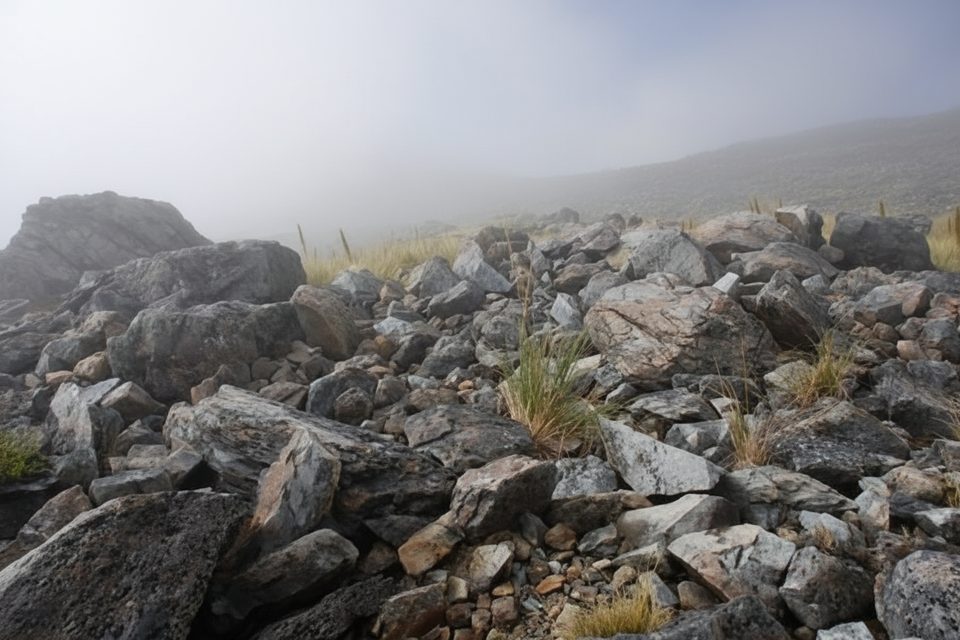
Place · 1 mi away
Place · 2.3 mi away
Challenging · 0 mi away
Challenging · 3.3 mi away
Challenging · 3.5 mi away
Moderate · 3.5 mi away

Parkwolf Tour Guide
