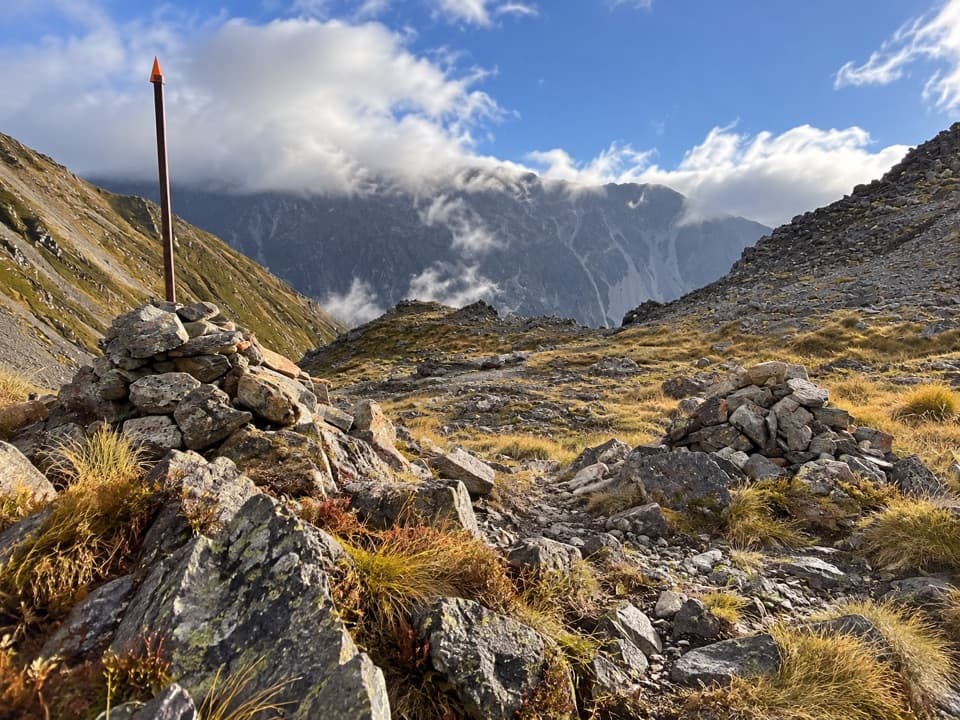
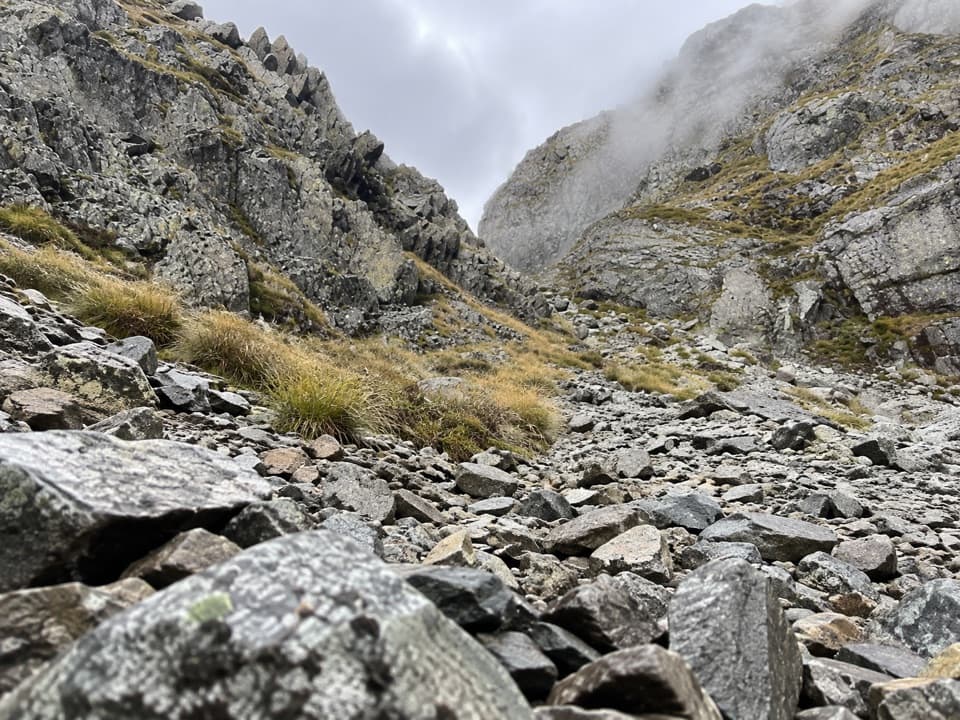
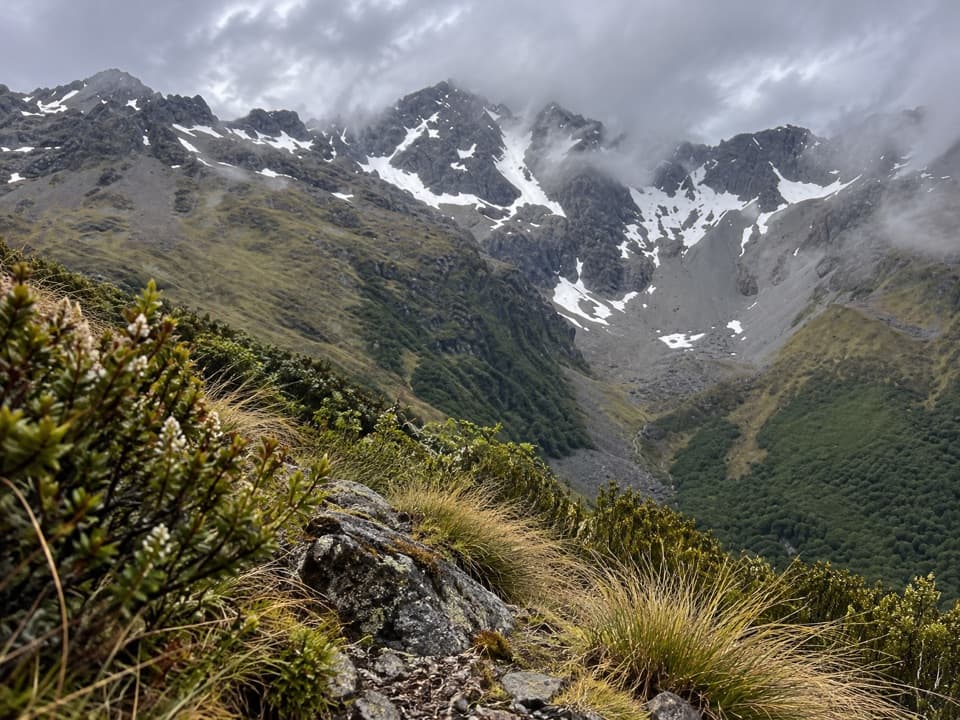
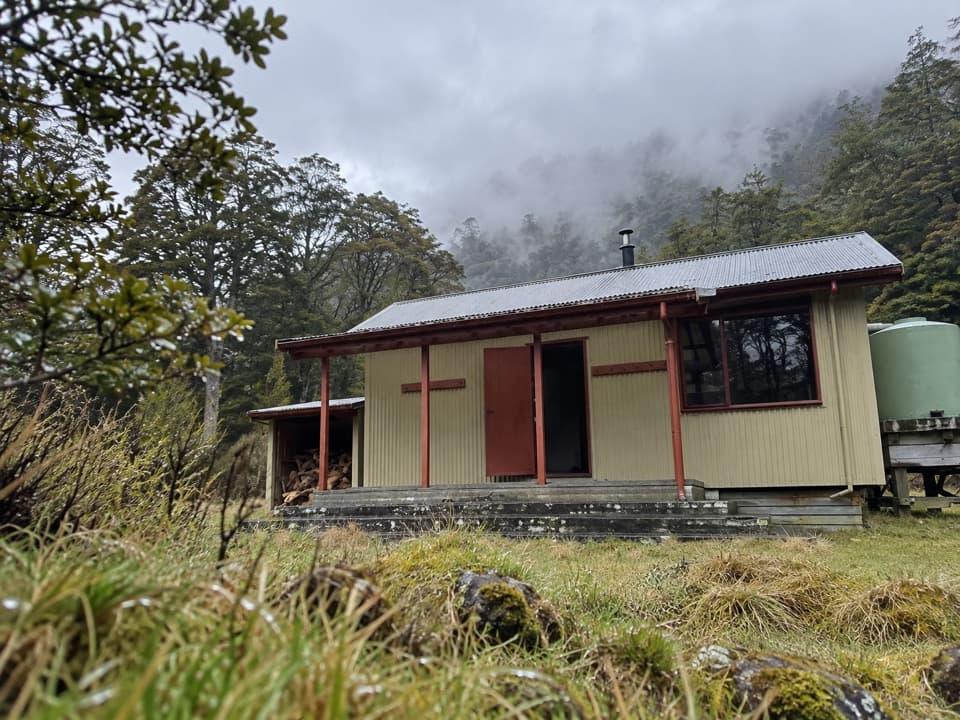
West Sabine Hut

Big, comfy hut perfectly placed for Blue Lake side trips
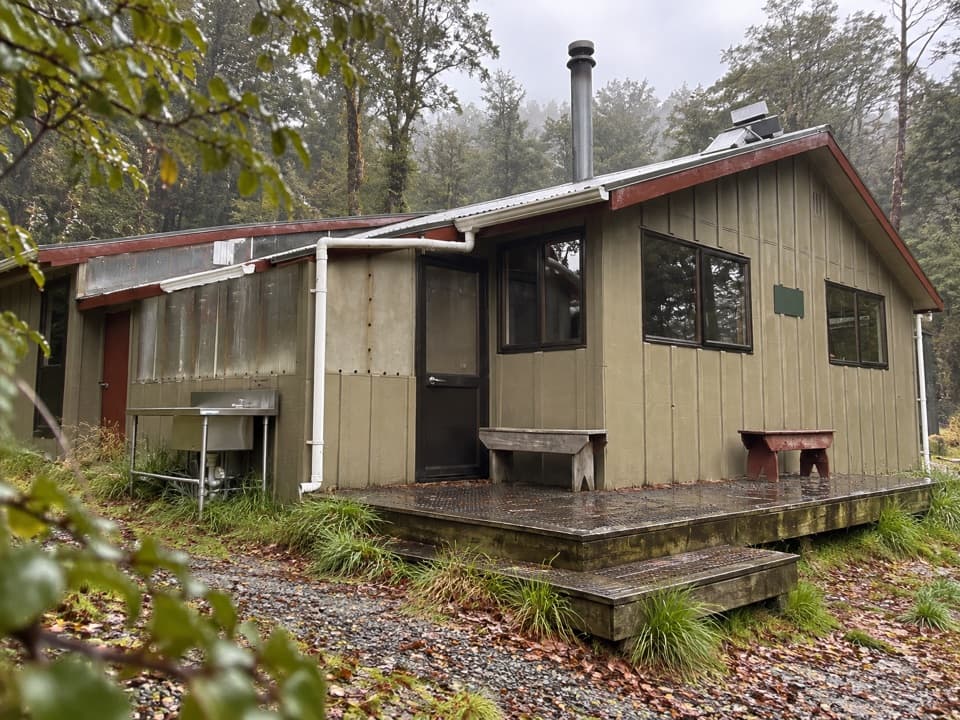
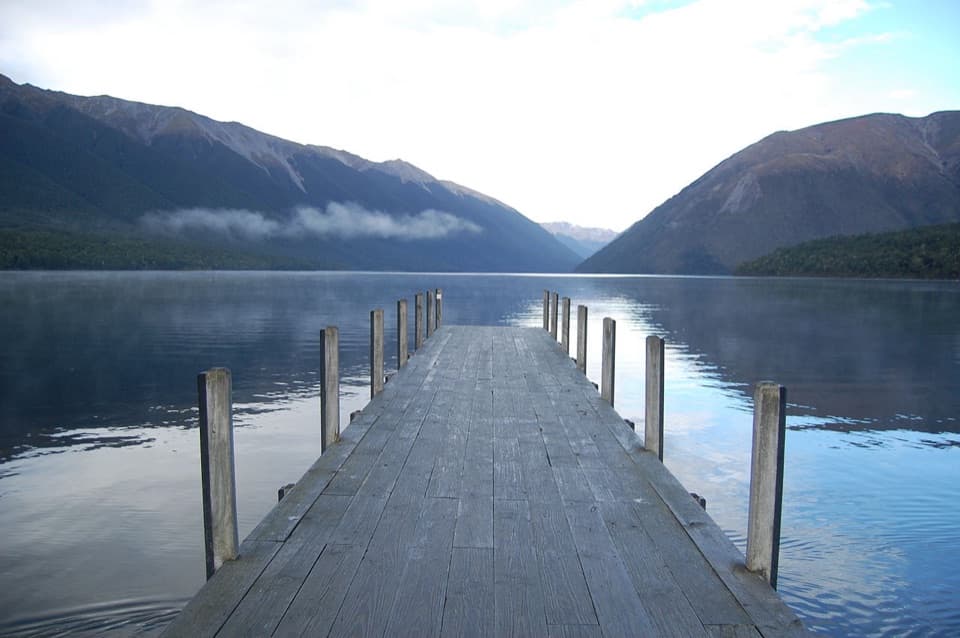
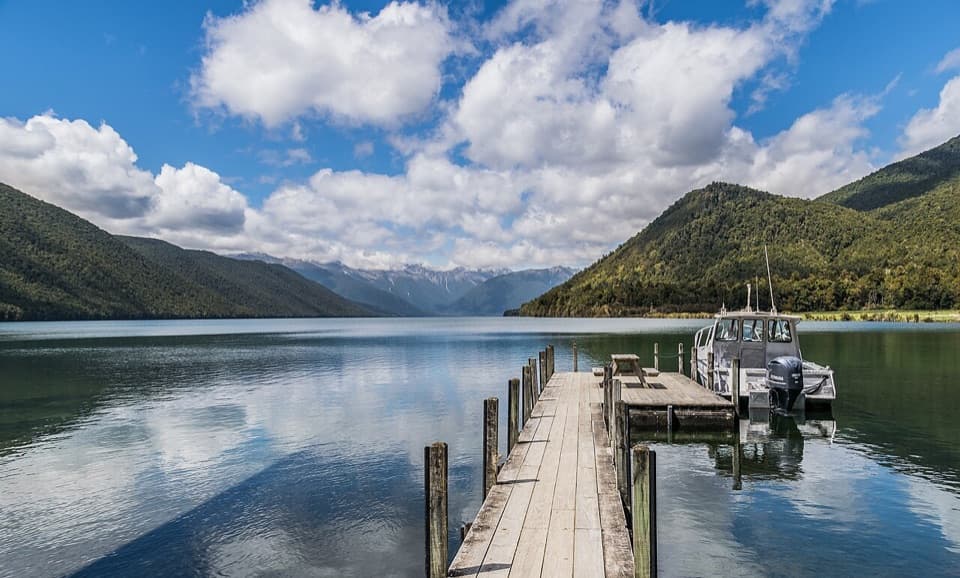
West Sabine Hut, Nelson Lakes National Park
InsideNelson Lakes National Park

Overview

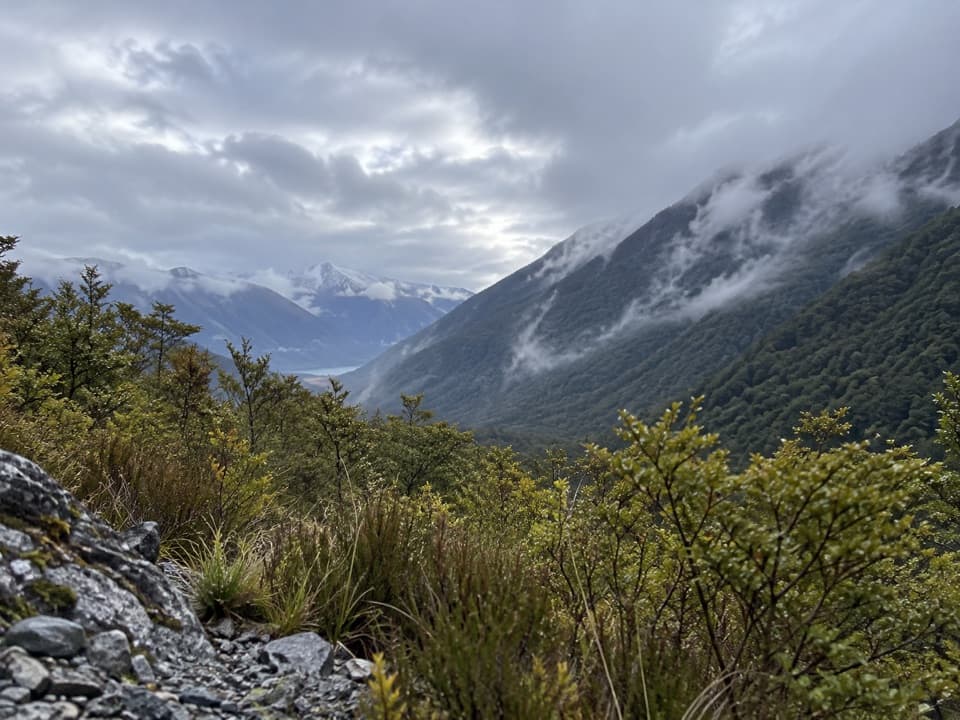
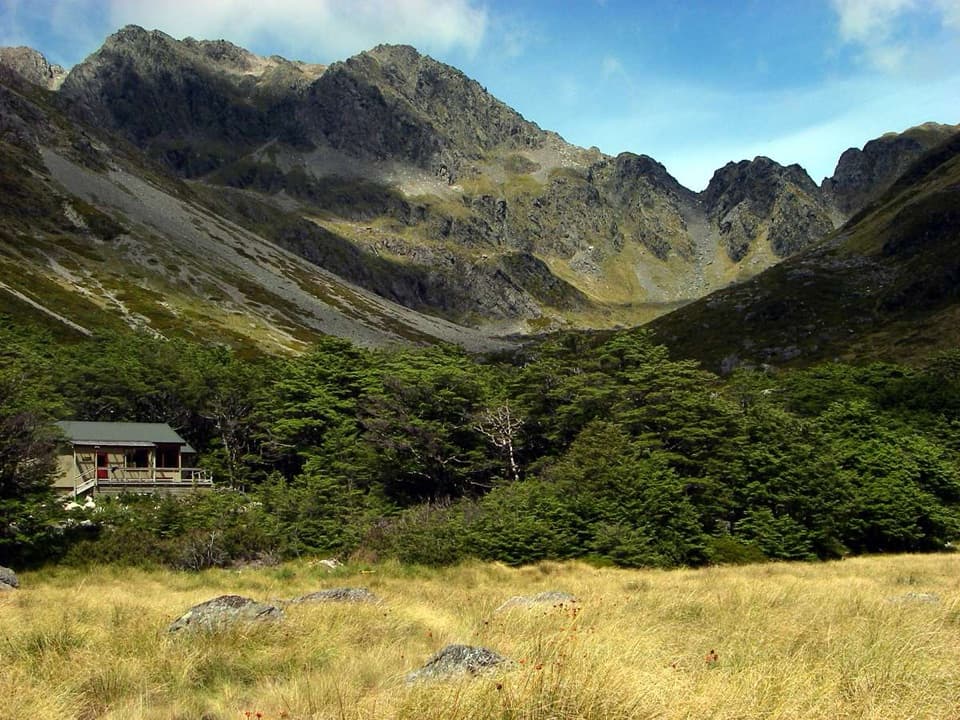
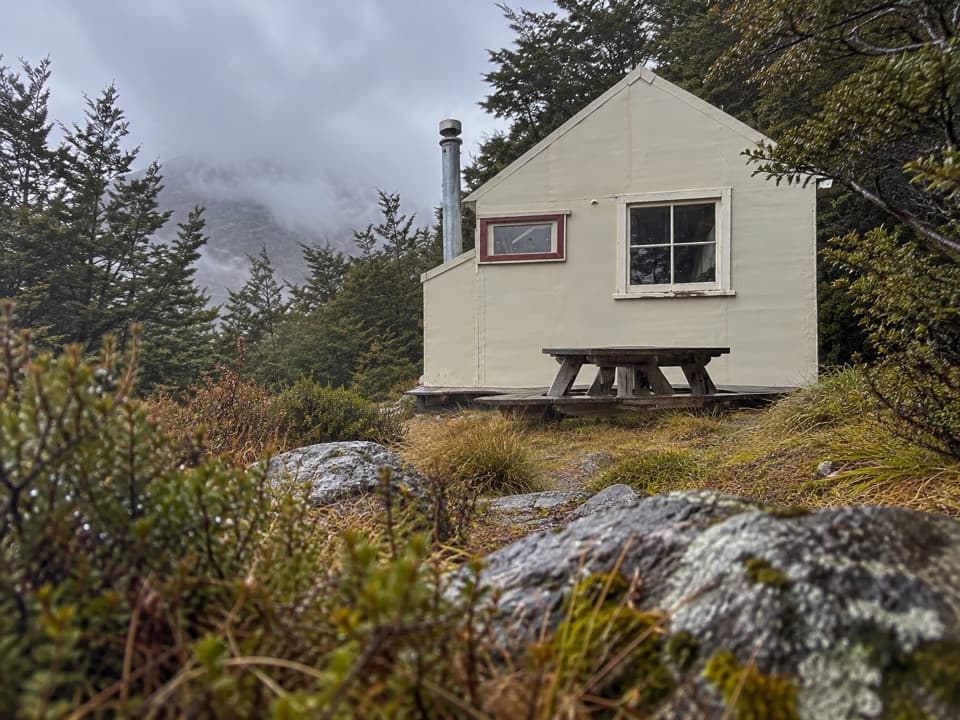
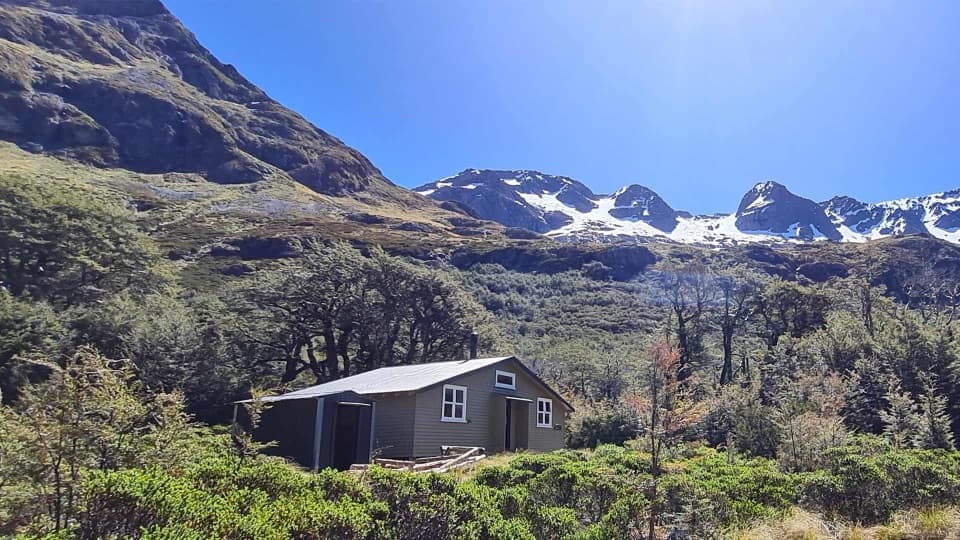
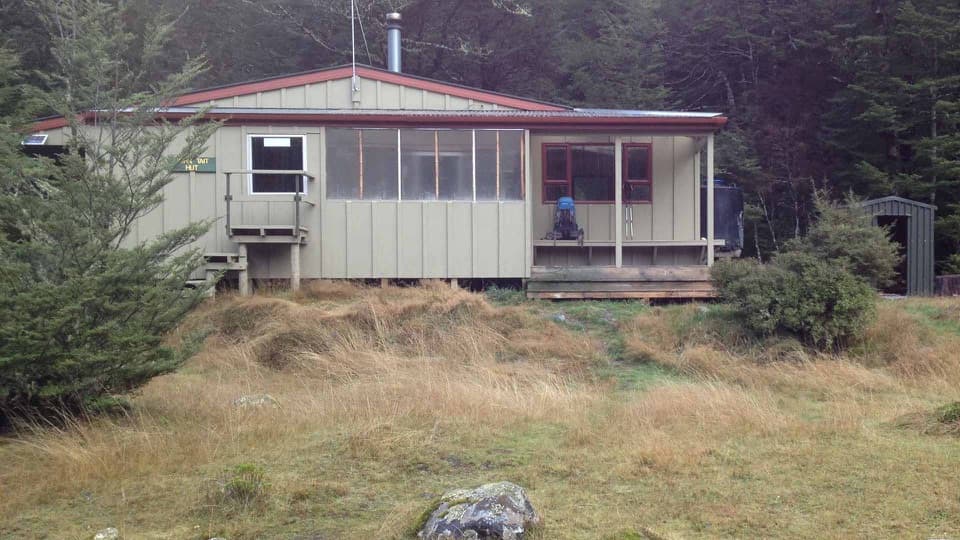
Tucked in the Sabine valley at about 680 m, West Sabine Hut is the linchpin overnight stop on the Travers–Sabine Circuit. It’s a modern, comfortable 30‑bunker with a convivial vibe—great for swapping stories, less great if you’re chasing solitude when the route is humming.

Layout & Amenities

Inside you’ll find mattresses, a closed fire with a wood stove for heating, and long‑drop toilets. Roof‑collected rainwater feeds a tank—plan to boil or treat it. You may also encounter a volunteer hut warden keeping things humming.

Why Base Here

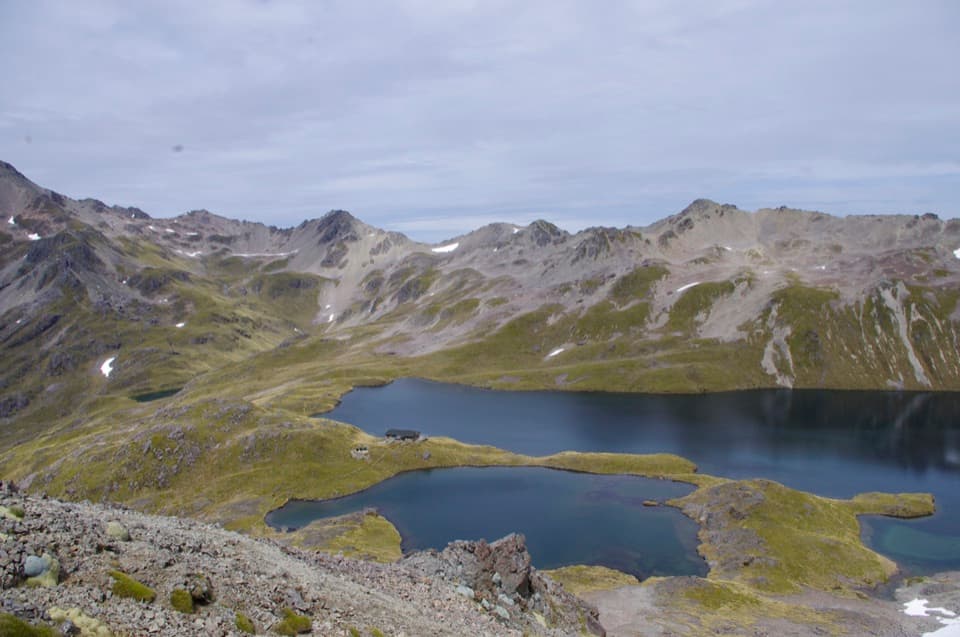
This is the natural springboard for a day trip up to Rotomairewhenua/Blue Lake and Rotopōhueroa/Lake Constance, or for continuing south over Waiau Pass on the Te Araroa. If the bunks fill, some walkers opt to push a little farther down‑valley to find a quieter camp spot.

Getting There

Common access points with parking include St Arnaud/Kerr Bay (Lake Rotoiti), the Mt Robert Road carpark, and the Lake Rotoroa road end. Pick your start based on whether you’re looping the Travers–Sabine or linking to the Sabine/Rotoroa side.

Track Alerts You Should Know

  • A bridge between Sabine Hut and D’Urville Hut has been removed—expect a stream ford around 1 m deep at normal flows and potentially unsafe after rain. If in doubt, wait or turn back.
  • The Rotoroa Route along the east shore of Lake Rotoroa (Rotoroa village ↔ Sabine Hut) is permanently closed; it usually doesn’t affect Travers–Sabine walkers unless finishing at Rotoroa village.

Care for the Place (Biosecurity)

Lindavia (lake snow) is present in Lakes Rotoiti and Rotoroa. To avoid spreading it:

  • Ensure all gear is completely dry for 48 hours before entering alpine lakes or tarns.
  • Use the cleaning stations at Coldwater Hut, Lakehead Hut, and Sabine Hut to disinfect damp boots, clothing, towels, or bottles.
  • Don’t touch the water in Rotomairewhenua/Blue Lake or Rotopōhueroa/Lake Constance, and be extra careful if your gear has been in Rotoiti or Rotoroa.

Best Time to Visit

The hut can fill quickly when popular routes are busy. Arrive by mid‑afternoon to secure a bunk, and build in time for a side trip toward Blue Lake if the weather’s settled. Expect sandflies around the hut—plan your breaks accordingly.

Practical Notes

  • Water is roof‑collected—boil or treat.
  • Heating is via a closed fire/wood stove—bring fire‑starting basics.
  • It’s a social, high‑use spot; bring earplugs and patience along with your stoke.

Pros

  • Large 30‑bunk serviced hut with heating, wood stove and mattresses
  • Prime base on the Travers–Sabine Circuit for Blue Lake day trips
  • Comfortable, modern layout that’s social after a big day

Cons

  • Can be very busy with Te Araroa and circuit walkers
  • Sandflies are common around the hut

Tips

  • Bring strong insect repellent—this is sandfly country.
  • Carry a cooker and boil or treat the roof‑tank water before drinking.
  • If heading toward D’Urville Hut, be prepared to ford where a bridge has been removed.
  • Use the biosecurity cleaning stations at Coldwater, Lakehead and Sabine Huts if your gear is damp.
  • Do not touch the water in Blue Lake or Lake Constance to protect their clarity.
The Parkwolf tour guide sitting on a phone mounted in a car

Parkwolf Tour Guide

Like a tour guide in your car.

Save the places you found around Nelson Lakes, then let Parkwolf guide the drive between them.Download Parkwolf on the App Store