
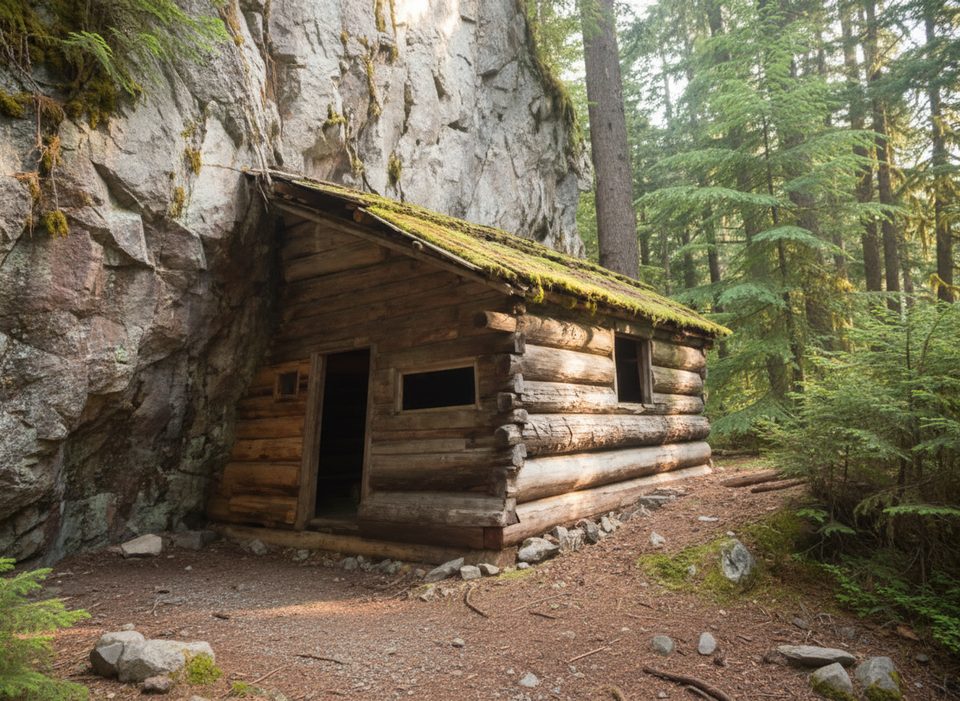
Place · 1.1 mi away
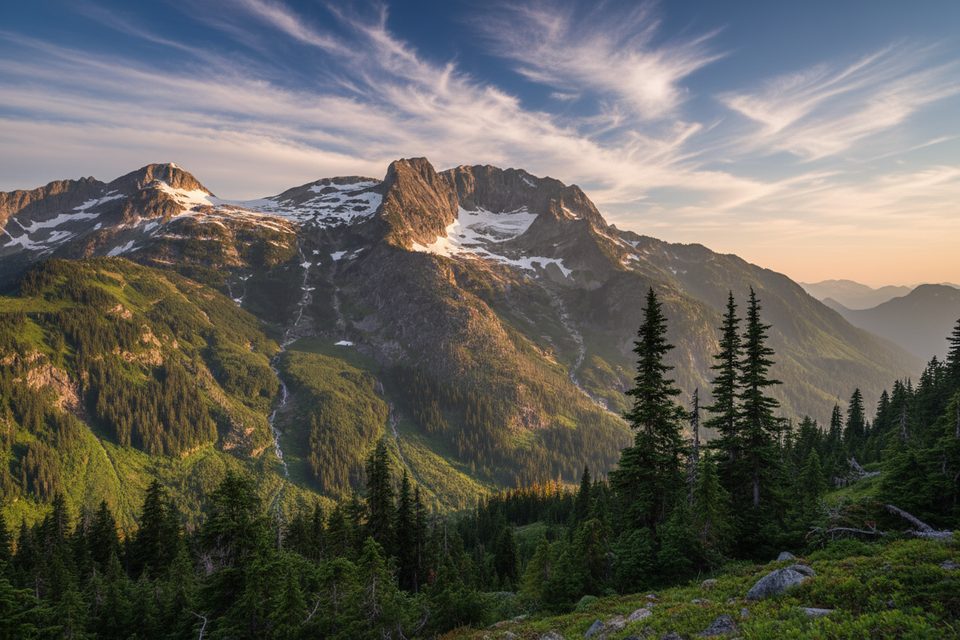
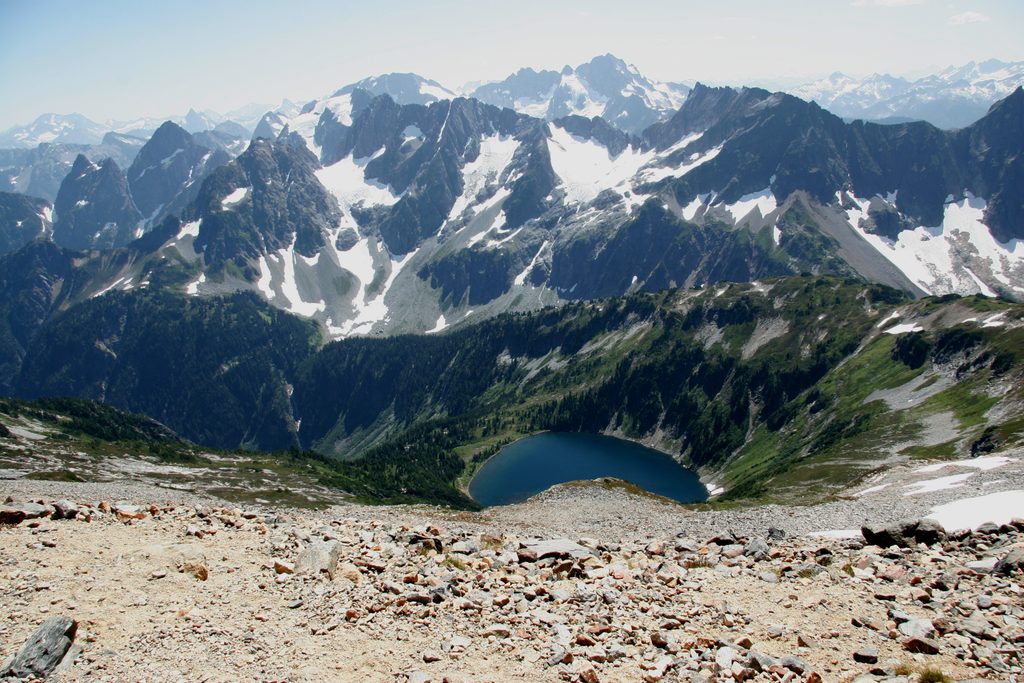
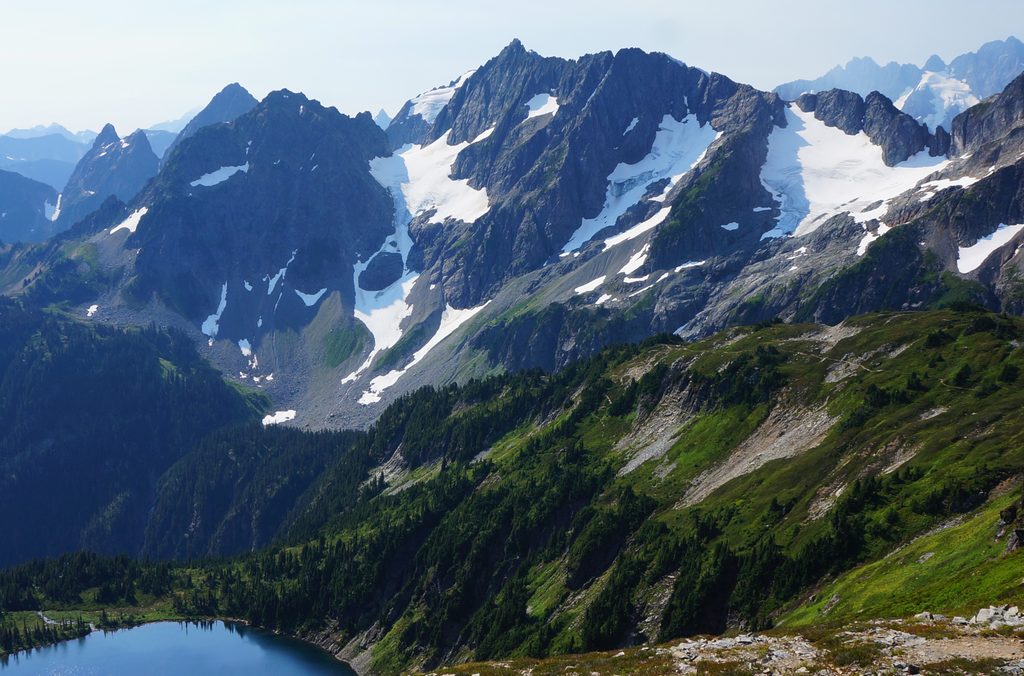
Junction Camp is a small, permit-only backcountry camp perched near the split of Thunder Creek and Fisher Creek, roughly 10 miles in from the Thunder Creek Trailhead. The payoff is big: wide-open views toward Boston Glacier and surrounding peaks from the hiker camp, plus the kind of quiet you only get deep in the woods.
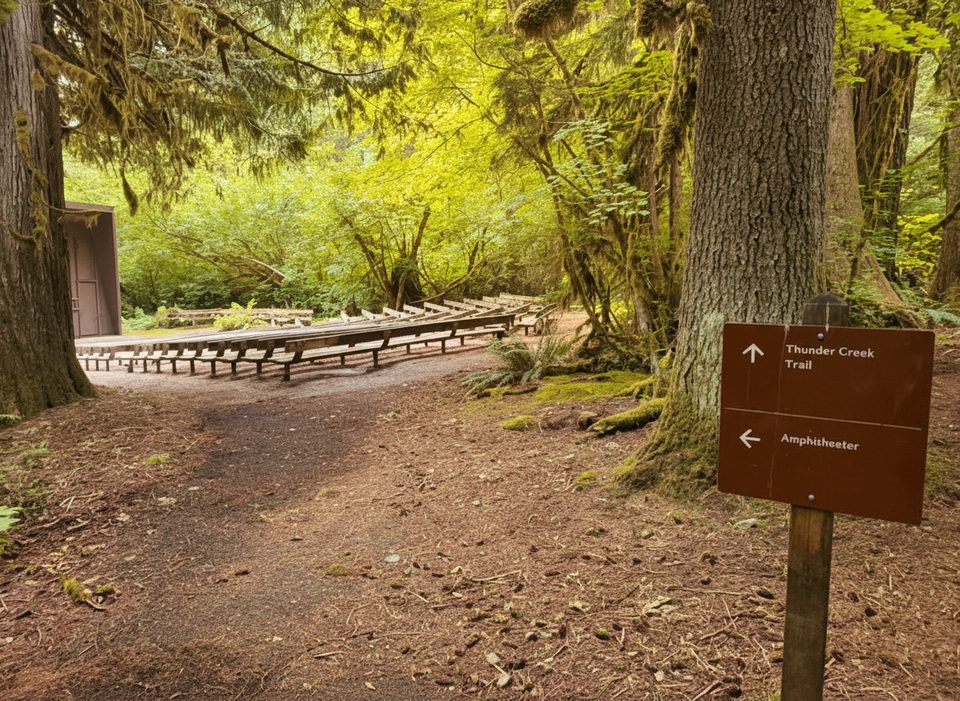
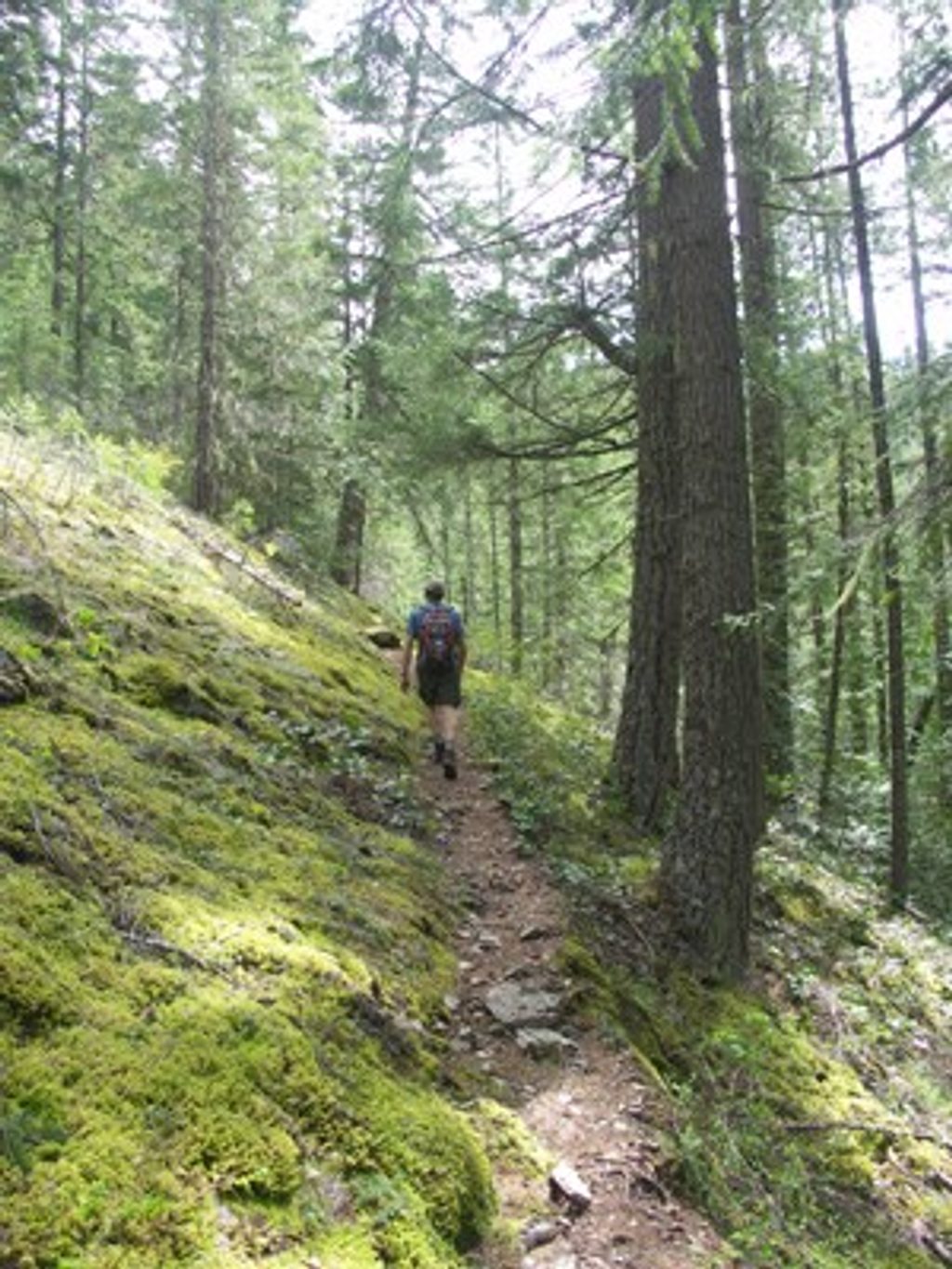
Start at the Thunder Creek Trailhead by Colonial Creek on SR‑20. It’s about 19 miles round-trip with roughly 3,100 feet of total gain, generally taking 8–9 hours depending on pace and pack weight. The lower miles are mostly mellow and enclosed in forest, with limited views; after Tricouni Camp, the trail steepens for a sustained 2.2-mile, ~1,000‑foot climb to Junction Camp where the scenery opens up. Parking at the trailhead is free with a medium-sized lot; arrive early on weekends.
Expect a small cluster of designated sites: a separate hiker camp up on the ridge with the best vistas and a stock camp nearby. Reports note about three tent sites, two with standout glacier views and one more tucked away for privacy. There’s a pit toilet (privy) discreetly in the trees and dependable water down at Thunder Creek—treat or filter. Fire rings exist, but follow current fire restrictions; burn bans are periodically in effect. Bear canisters are required here, and there’s no cell coverage.
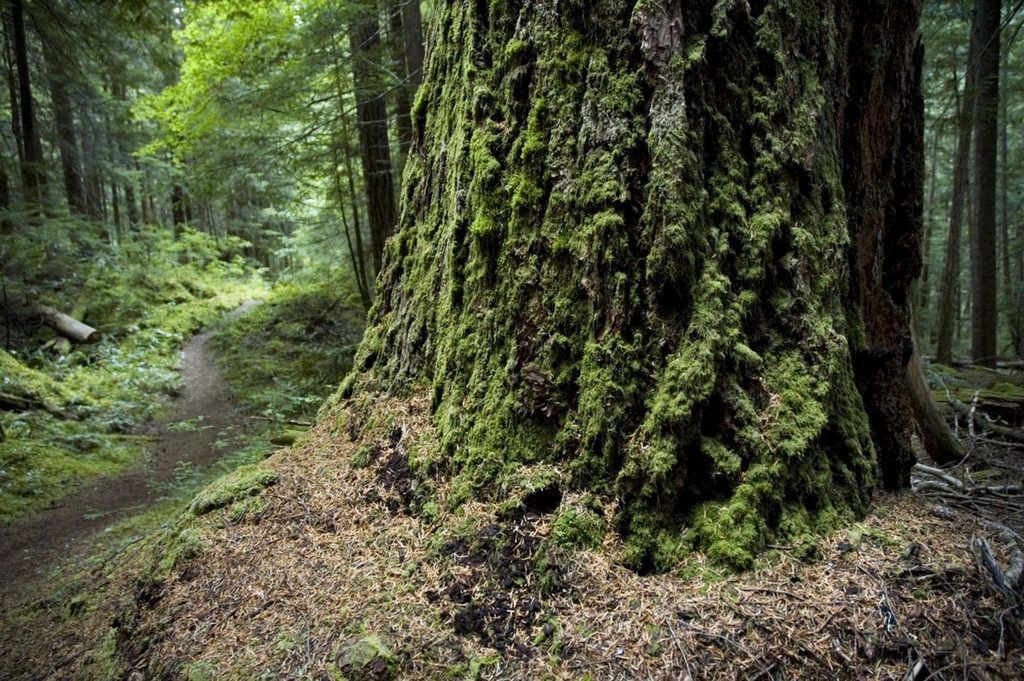
This approach is about the journey into deep old-growth and along a lively creek, rather than constant viewpoints. You’ll get occasional openings from older burn areas, but the grand reveal comes at camp. If your legs still have gas, this junction is a launch point for bigger traverses toward Easy Pass via Fisher Creek or deeper up Thunder Creek.
Typical Cascades wildlife shows up—deer, pikas, marmots—and this is bear country. Store all food in a canister, keep a clean camp, and use the privy. Blowdowns are possible on extended routes; creek fords can occur farther afield if you continue your trip.
May through August is the sweet spot, with earlier season travel potentially seeing lingering blowdowns or patches of snow higher up. For quieter camping and softer light on the peaks, aim for midweek and plan to be at camp in the late afternoon or at sunrise for photos.
Overnight stays are only allowed in designated backcountry camps with a valid park permit—no dispersed camping. Check current trail conditions, fire restrictions, and any seasonal closures before you go.
Place · 1.1 mi away
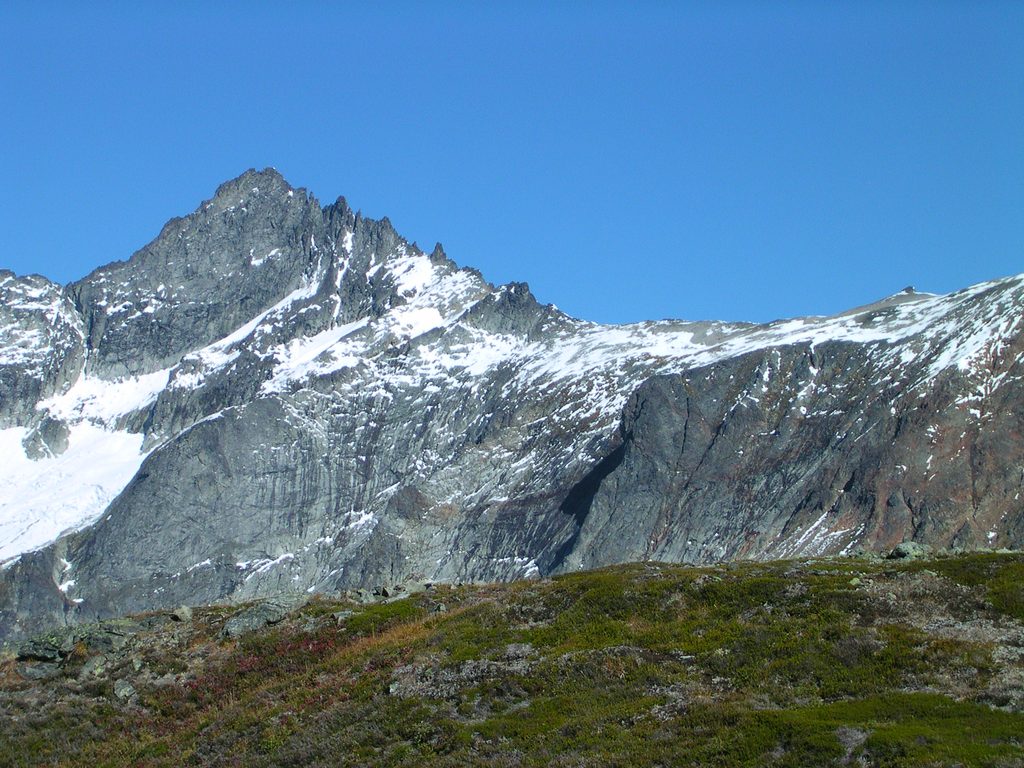
Place · 5.4 mi away
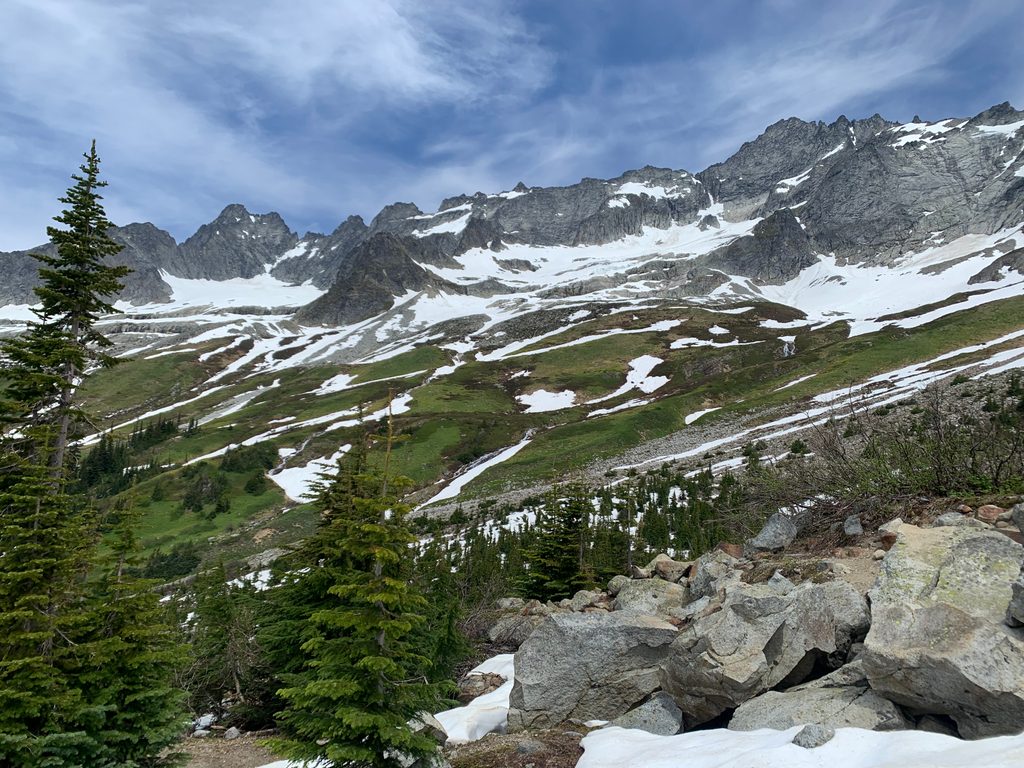
Place · 6.1 mi away
Place · 7 mi away
Easy · 7.6 mi away
Easy · 7.8 mi away
Challenging · 7.8 mi away
Challenging · 8 mi away

Parkwolf Tour Guide
