Enchanted Valley Chalet

Historic backcountry chalet in a jaw-dropping, waterfall-laced valley
Enchanted Valley Chalet, Olympic National Park
InsideOlympic National Park

Overview

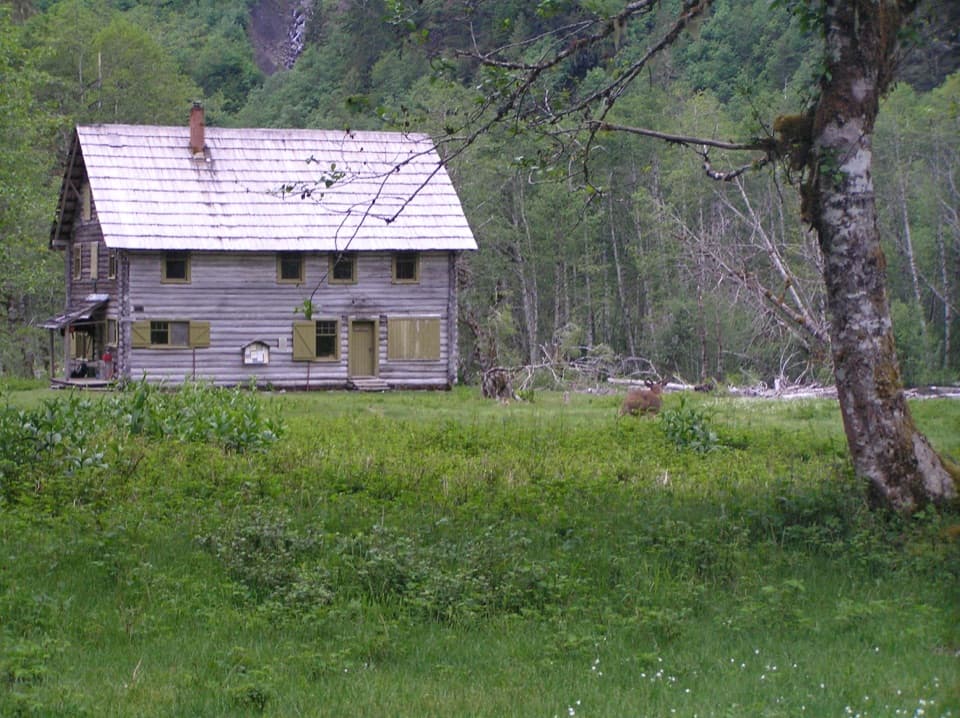
A two-and-a-half-story log chalet built in 1930–31 sits in the heart of the Enchanted Valley, 13 miles up the East Fork Quinault River Trail. It’s a rare historic structure far from any road, beloved by backpackers for its frontier look and the amphitheater of cliffs and waterfalls that frame it.

Why it’s special

The chalet is on the National Register of Historic Places (listed 2007) and is one of the only public resort-style buildings ever constructed this deep in the peninsula’s wilderness. It operated as a remote lodge until 1943, later served as a WWII Aircraft Warning Station, and has since functioned as a seasonal ranger station and emergency shelter. When the Quinault’s eroding bank threatened to undercut it, the building was moved back from the river in 2014—proof that this place inspires serious devotion.

What you’ll see

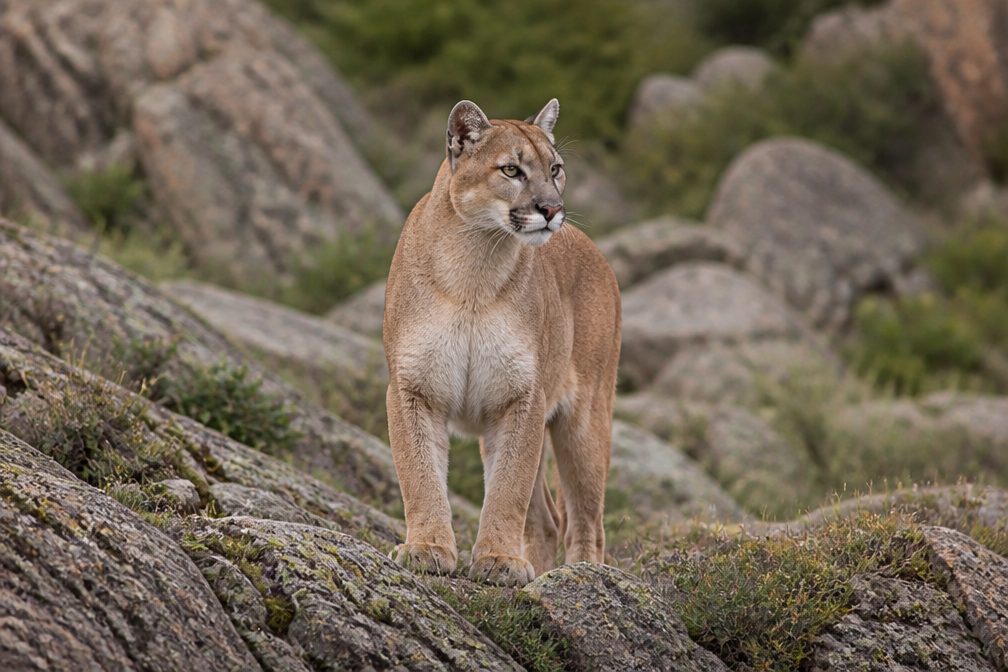
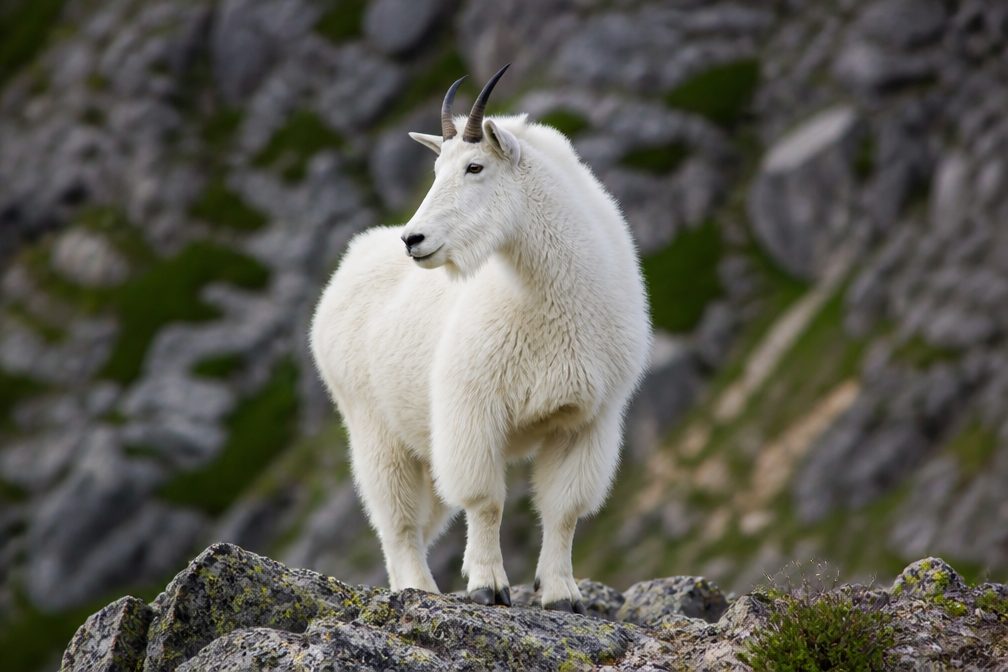
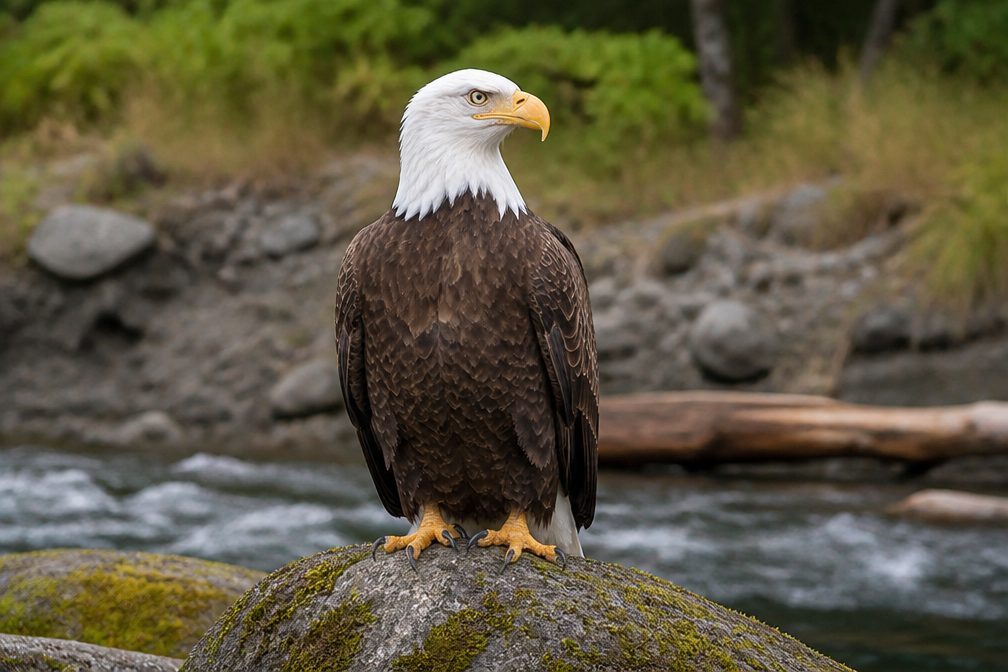
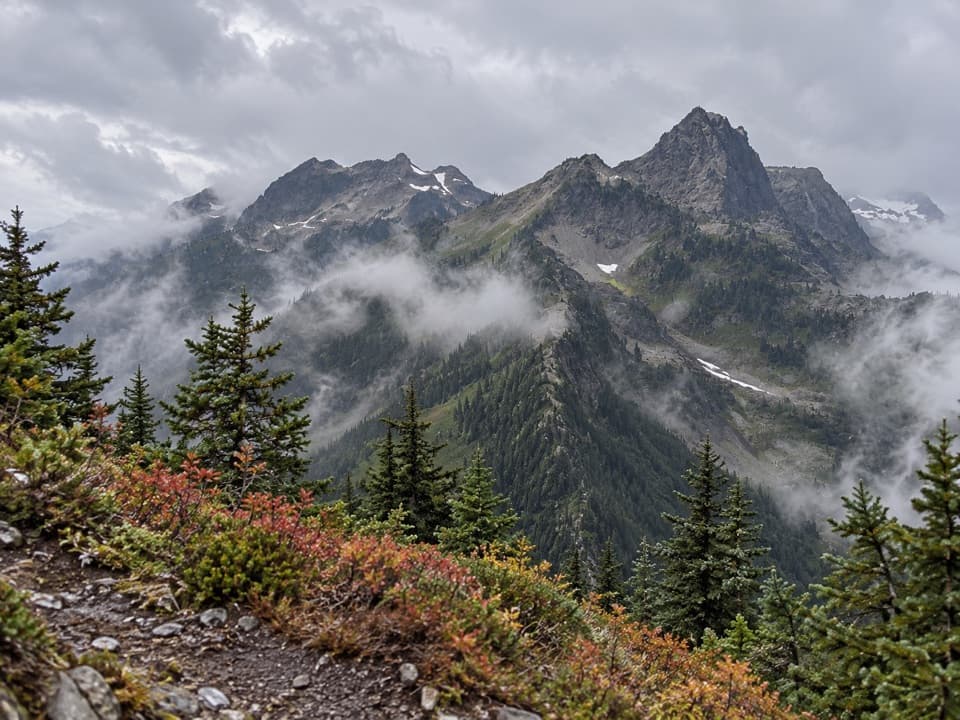
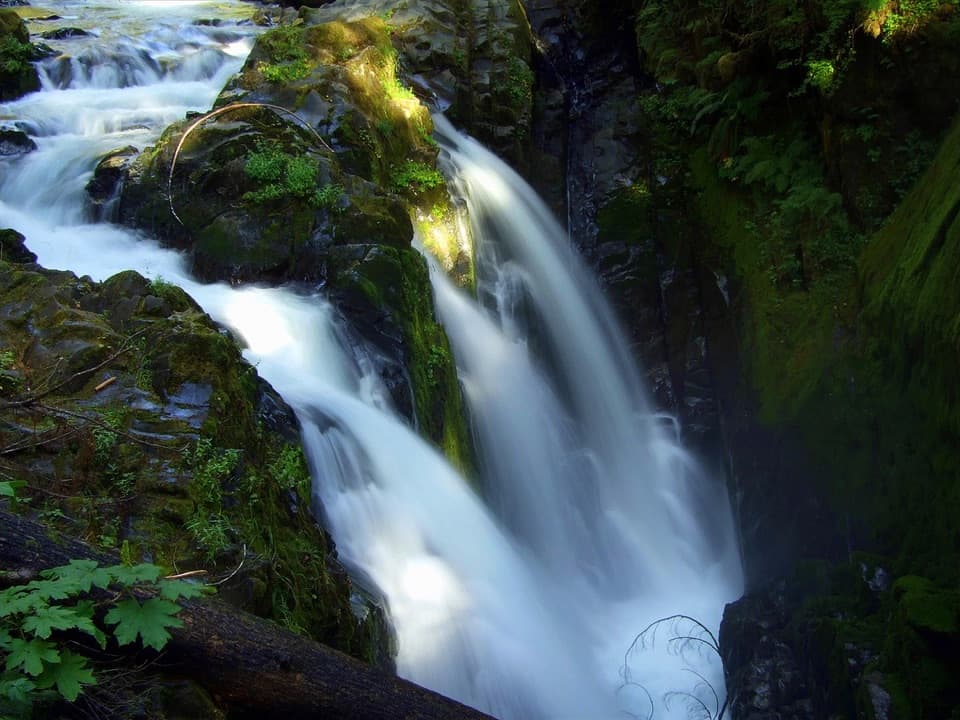
Expect a broad, glacially carved valley with the East Fork Quinault curling through meadows, sheer walls dripping with waterfalls in spring and early summer, and big rainforest vibes from start to finish. Wildlife sightings along the approach and in the valley can include black bears, elk, deer, and raptors.

Getting there

Hike from the Graves Creek Trailhead via the East Fork Quinault River Trail—about 13 miles each way. There’s no road access, parking, or services at the chalet itself, and there’s no cell coverage anywhere on this route.

Camping and permits

Backcountry camping is allowed in the Enchanted Valley area with a wilderness permit obtained in advance (via Recreation.gov). Demand can be strong in midsummer, but permits are often manageable with some lead time. Bear canisters are required, and you’ll filter water from the river.

Conditions and cautions

Trail sections can be muddy or washed out after heavy rain, and river conditions change quickly. The chalet is frequently closed to entry for safety; think of it as a historic landmark and backdrop, not a facility. Expect no food service, store, or potable water taps.

Quick history hits

  • Built by the Olympic Recreation Company in 1930–31; popular with hikers and horse parties through the 1940s.
  • Closed as lodging in 1943; later a ranger station/emergency shelter.
  • Moved back from an eroding riverbank in 2014; a 2016 court decision affirmed the NPS can maintain historic primitive structures in wilderness.

Best time to visit

Spring to early summer brings the most dramatic waterfalls and lush scenery (also the most rain and swollen streams). Summer weekends can feel busy; go midweek for a quieter valley. Start early if attempting a big day-hike push, and always check current conditions before you go.

Pros

  • Iconic historic chalet deep in true wilderness
  • Spectacular valley of cliffs, river, and seasonal waterfalls

Cons

  • 13-mile hike one-way with no services
  • Building is often closed to entry and site is threatened by river erosion

Tips

  • Secure your wilderness permit in advance; there’s no cell service out here.
  • Bear canisters are required—don’t rely on finding alternative food storage.
  • Start early and plan conservatively; it’s roughly 13 miles one way.
  • Filter all water from the East Fork Quinault River.
  • Go midweek in summer to avoid weekend crowds.
The Parkwolf tour guide sitting on a phone mounted in a car

Parkwolf Tour Guide

Like a tour guide in your car.

Save the places you found around Olympic, then let Parkwolf guide the drive between them.Download Parkwolf on the App Store