Challenging

O'Neil Pass Trail

Remote pass to meadows, big trees, and quiet high-country views
O'Neil Pass Trail, Olympic National Park
Distance7.4 mi
Typical time5 hr
DifficultyChallenging
PetsNot allowed

Why go

If you crave Olympic solitude, this is your ticket. O’Neil Pass Trail strings together dripping rainforest, old-growth giants, and wide-open subalpine meadows with big views—without the crowds. It’s remote, rugged, and rewarding.

Route at a glance

The O’Neil Pass Trail runs 7.4 miles one way to the pass with about 1,940 feet of gain. It’s a point-to-point backcountry connector, almost always reached via longer approaches such as the Duckabush River, West Fork Dosewallips, or East Fork Quinault trails. Translation: this is typically part of a multi-day itinerary, not a casual day hike. Expect low maintenance, some blowdowns, and the occasional tricky creek crossing.

Scenery and what you’ll see

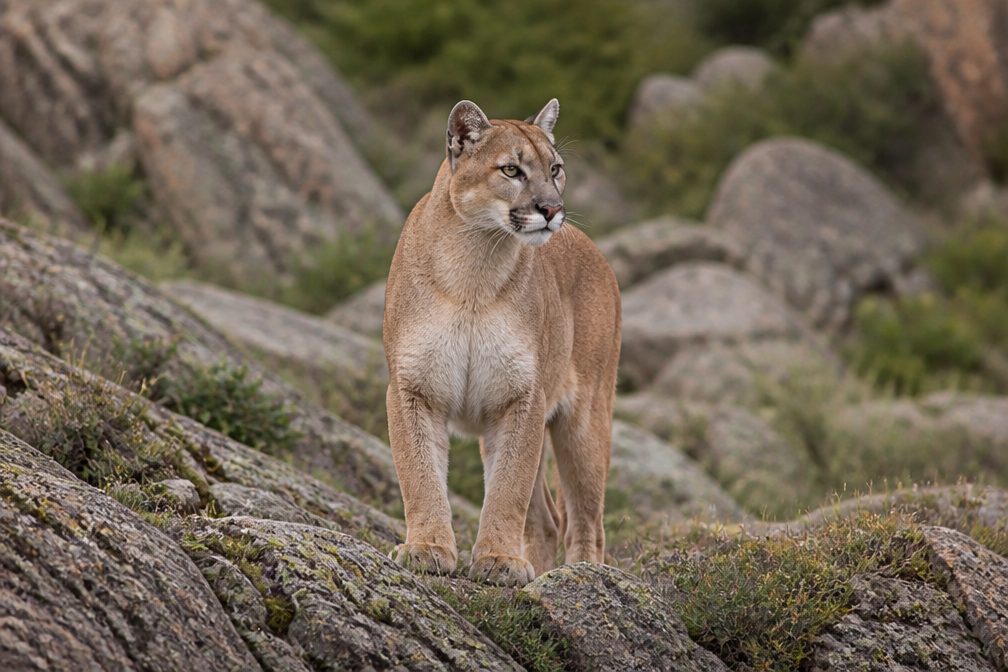
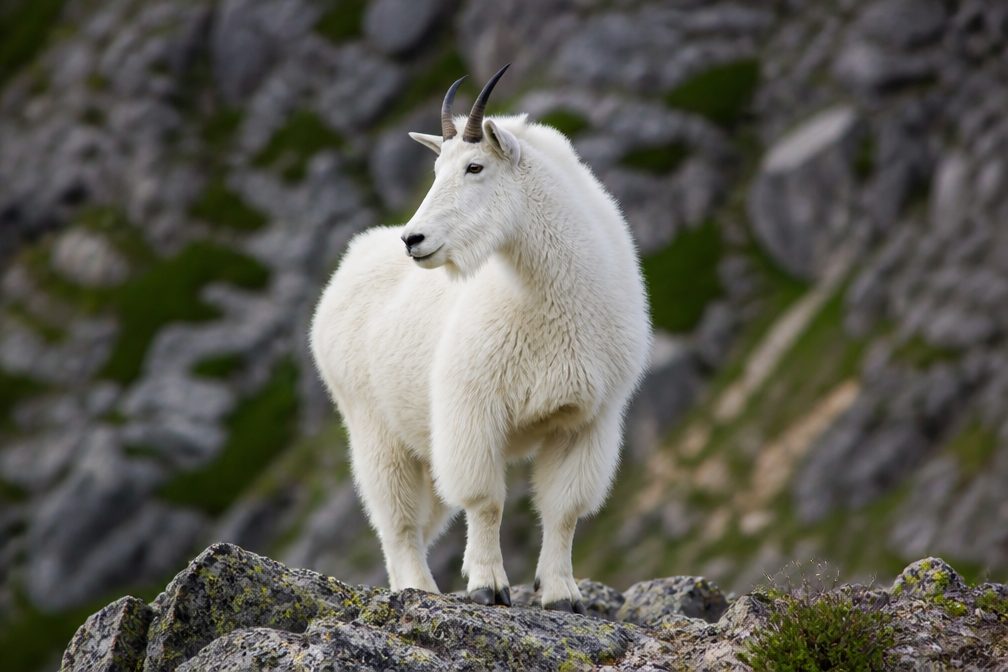
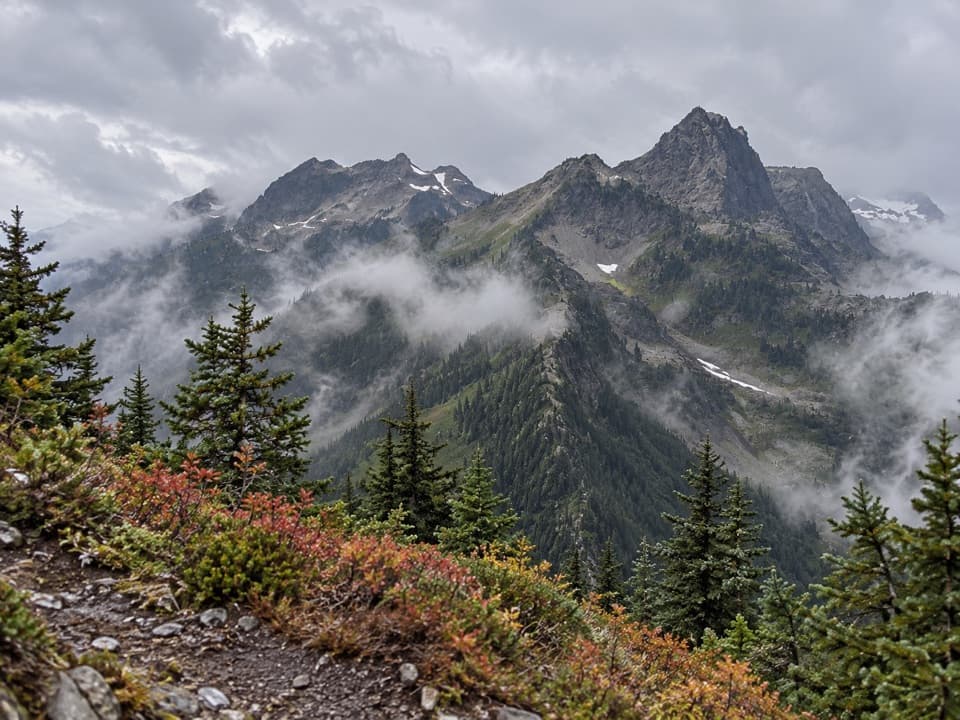
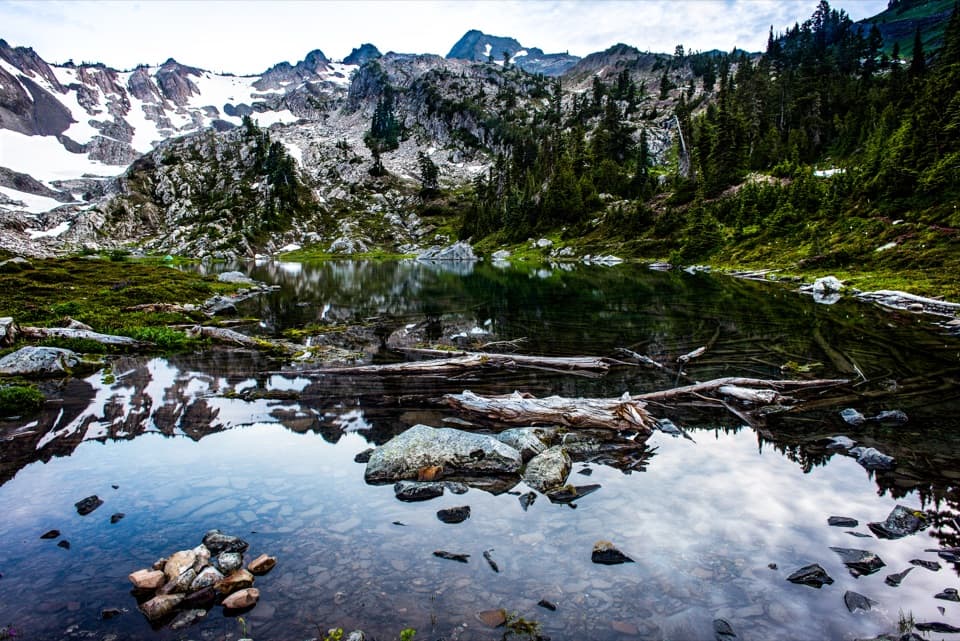
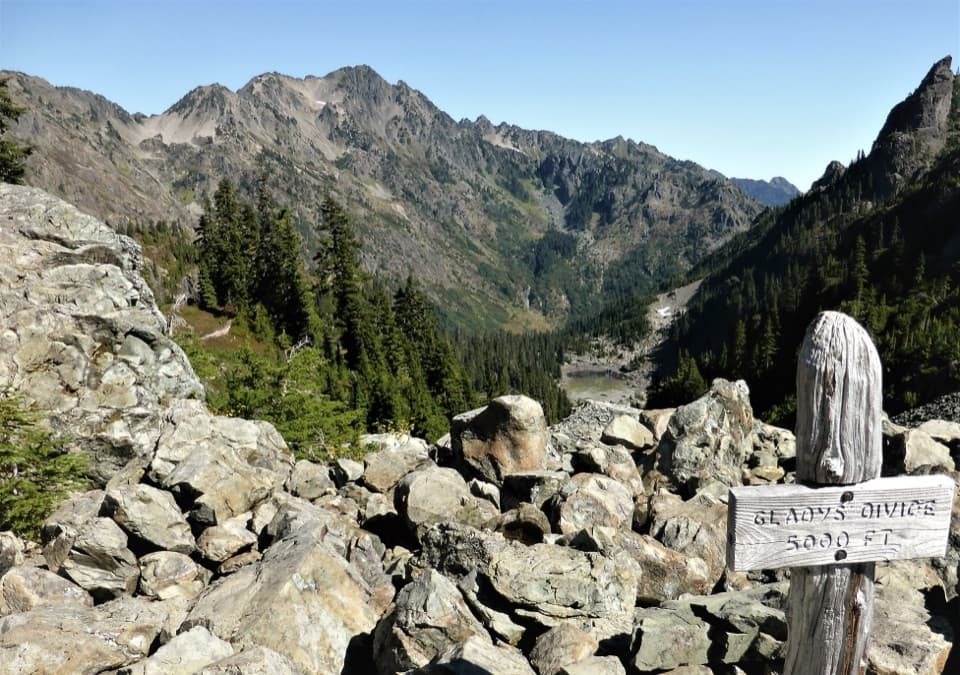
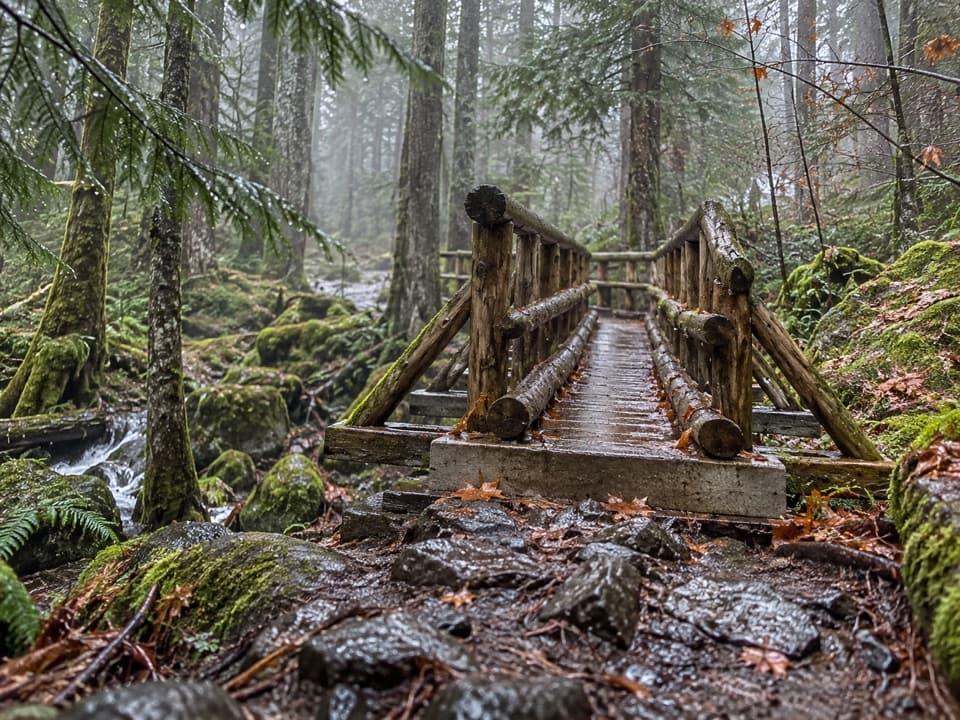
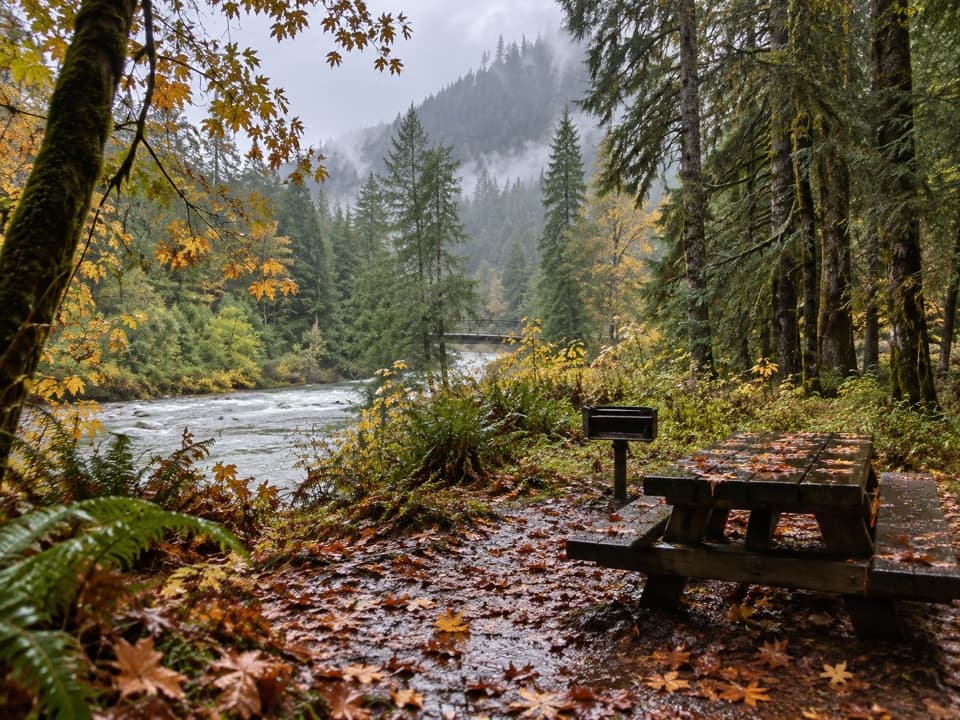
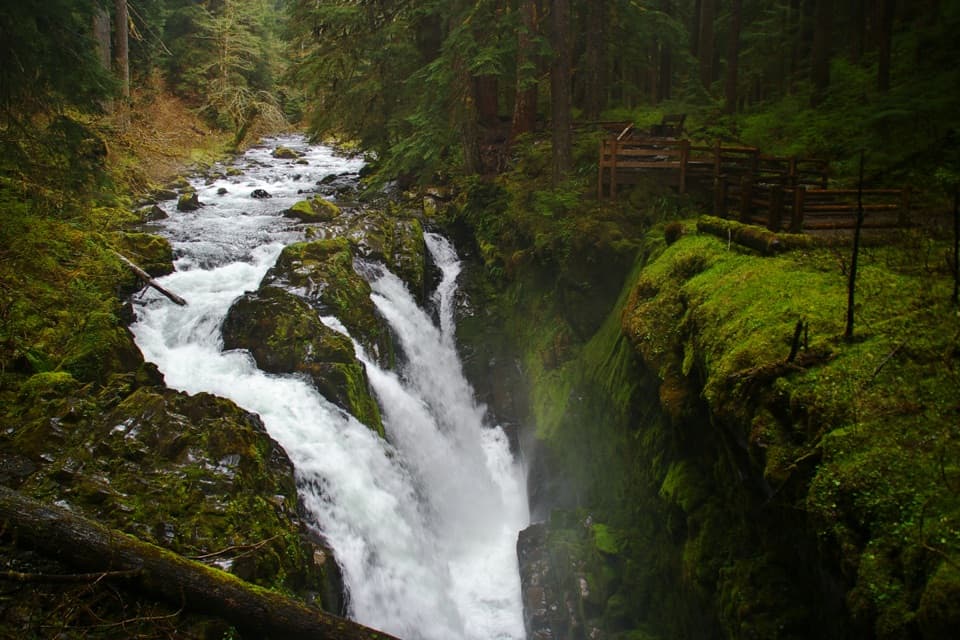
You’ll pass through lowland river-valley forest into montane fir and finally subalpine meadows near the pass. Think record-sized trees, lush ferns, and that classic soggy, green PNW vibe down low; then wildflowers, berries in late summer, and long views up high—especially toward Mount Anderson, Mount Steel, and Mount Duckabush. Nearby spots like Marmot Lake and White Creek Basin make fine camp zones and photo stops, but they can be buggy in summer. Wildlife isn’t a long shot here—bears, elk, and deer are all reported.

Difficulty and conditions

Moderate to strenuous is the honest rating, made tougher by remoteness and minimal maintenance. Footing turns rocky near the pass, and route-finding matters at a few spots. One example: at Fire Creek the path heads down and right along the creek bed and then left—don’t be lured straight up the hill. Carry real maps and be comfortable navigating.

Best time to hike

Late July through mid-October is the sweet spot: higher snow has mostly melted, meadows pop, and late-summer huckleberries can be prolific. Earlier in the season, expect lingering snow and muddy, swollen crossings. Weather can flip fast any time—plan accordingly and leave an itinerary with someone.

Camping and logistics

Overnight trips require a wilderness permit. Don’t count on bear wires; bring a canister and use it. Camps exist at Marmot Lake and in White Creek Basin. This is a self-sufficiency zone—pack repair gear, extra food, and a flexible schedule.

Bottom line

For experienced backpackers who want big-meadow scenery and true quiet, O’Neil Pass is underrated gold. If you’re new to backcountry navigation or want groomed trails and easy logistics, pick something tamer.

Pros

  • Consistently low crowds even in peak season
  • Late-summer huckleberries in the subalpine meadows

Cons

  • Low maintenance with blowdowns and tricky creek crossings
  • Buggy camps around meadows and lakes in summer
  • Snow can linger or arrive any season at higher elevations

Parking

Park at the trailhead for your chosen approach corridor (Duckabush River Trail, West Fork Dosewallips, or East Fork Quinault); the O’Neil Pass Trail itself is deep in the backcountry.

Caution

Remote, low-maintenance route with potential snow any season; carry map and compass. No bear wires—use a canister. At Fire Creek the trail drops right along the creek before veering left; don’t head straight uphill.

The Parkwolf tour guide sitting on a phone mounted in a car

Parkwolf Tour Guide

Like a tour guide in your car.

Bring Olympic trail research into the car, with offline maps and stories that play as you drive.Download Parkwolf on the App Store