Moderate

Ozette Triangle Loop

Classic coast loop: boardwalk forest, wild beach, and Wedding Rocks.
Ozette Triangle Loop, Olympic National Park
Distance9.4 mi
Typical time5.5 hr
DifficultyModerate
PetsNot allowed

Why hike it

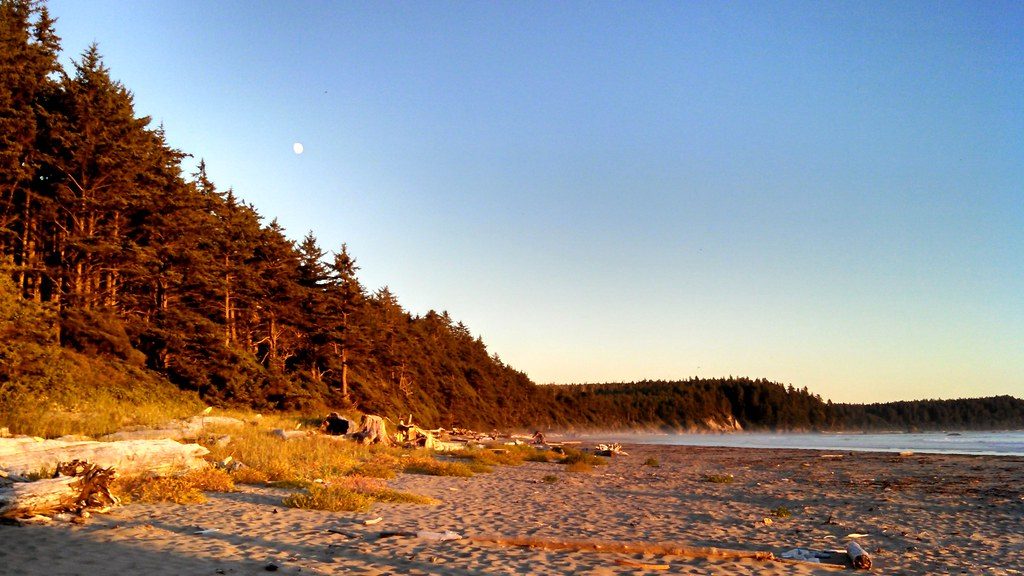
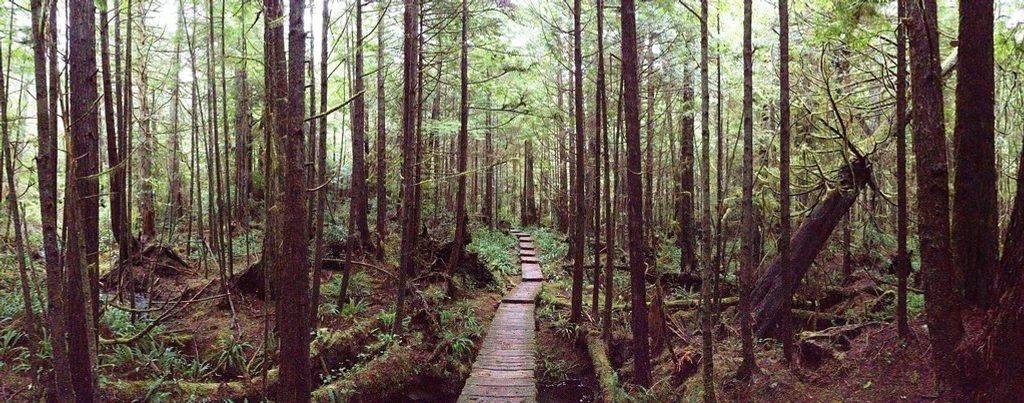
If you want the Olympic Coast greatest hits in one day, this is it. The Ozette Triangle Loop blends miles of mossy boardwalk through temperate rainforest with a raw stretch of Pacific beach—sea stacks, tidepools, driftwood, and the Makah petroglyphs at Wedding Rocks. It’s a 9.4‑mile total loop with almost no elevation gain (around 100 feet), but don’t mistake “flat” for easy—sand, cobbles, seaweed, and slick boardwalks keep you honest.

Route snapshot

Start at the Ozette Ranger Station by Lake Ozette. Two forest legs (roughly 3 miles each) lead to Cape Alava and Sand Point on raised cedar boardwalks and dirt tread. The middle leg is the beach walk between Cape Alava and Sand Point (about 3 miles). Most hikers go clockwise (Cape Alava first), but either direction works—each side is similar in length.

What you’ll see

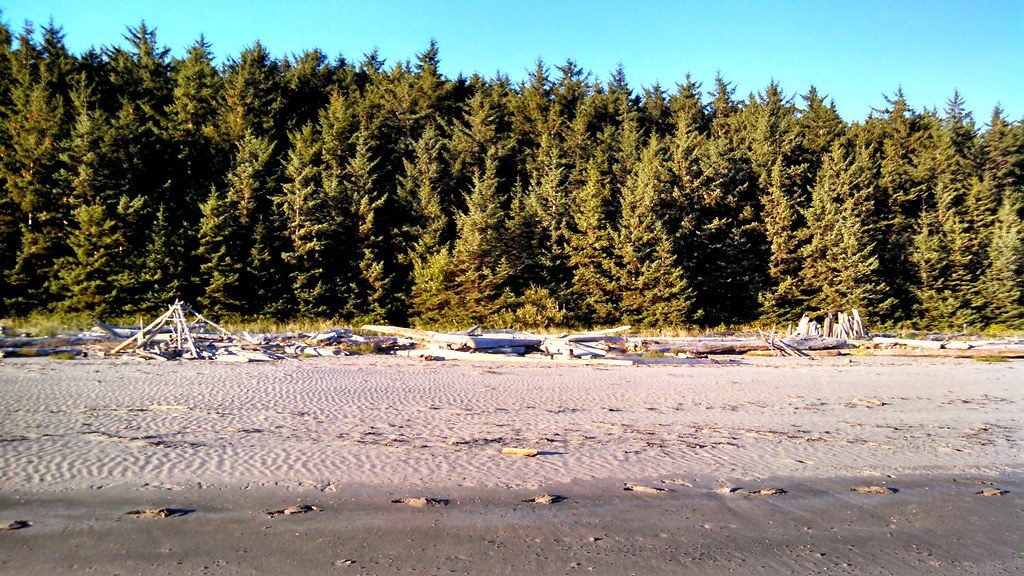
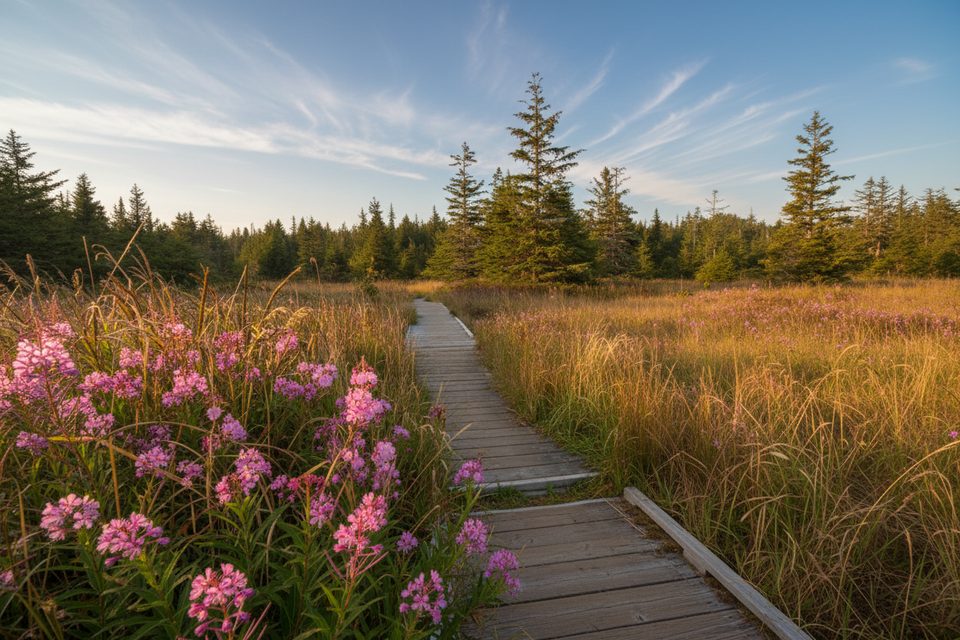
  • Forest: Towering Sitka spruce, western red cedar, and hemlock frame the calm approach to the coast. Boardwalks make the rainforest strolling pleasant—just watch those slick planks.
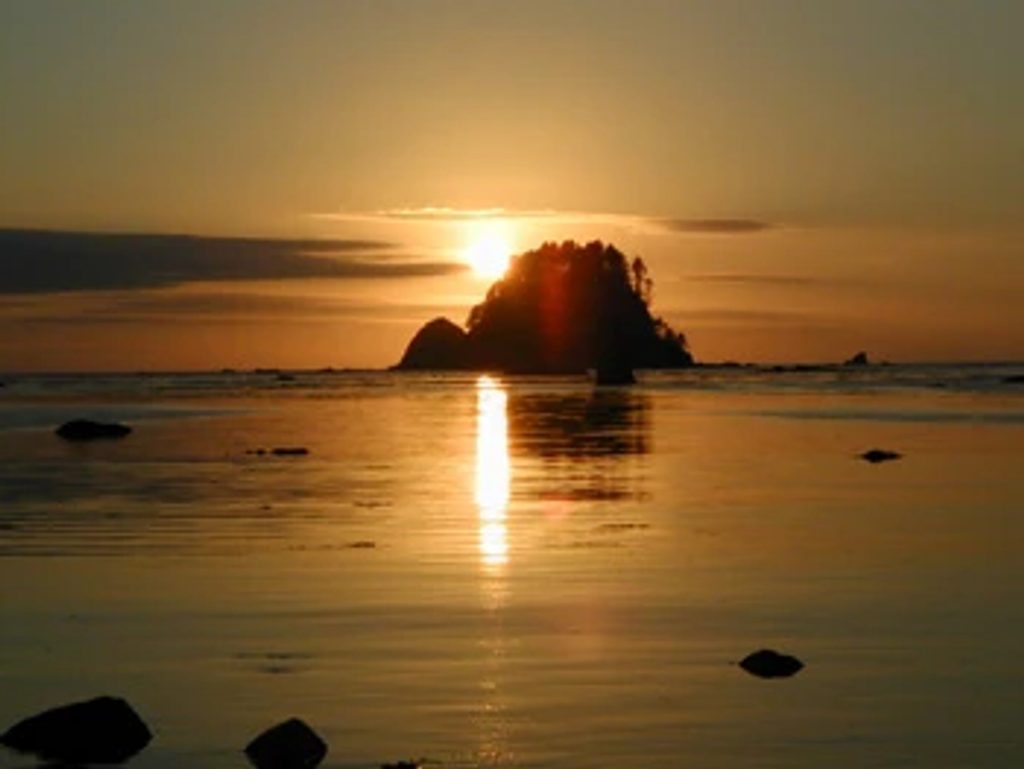
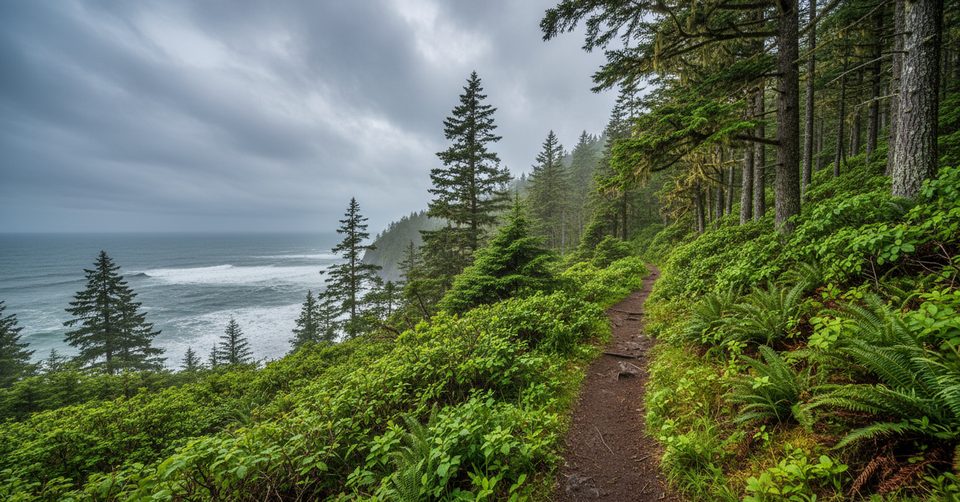
  • Coast: Expect sea stacks, tidepools, and big‑sky Pacific views. Wildlife sightings are common—keep an eye out for bald eagles, otters, and sea lions offshore.
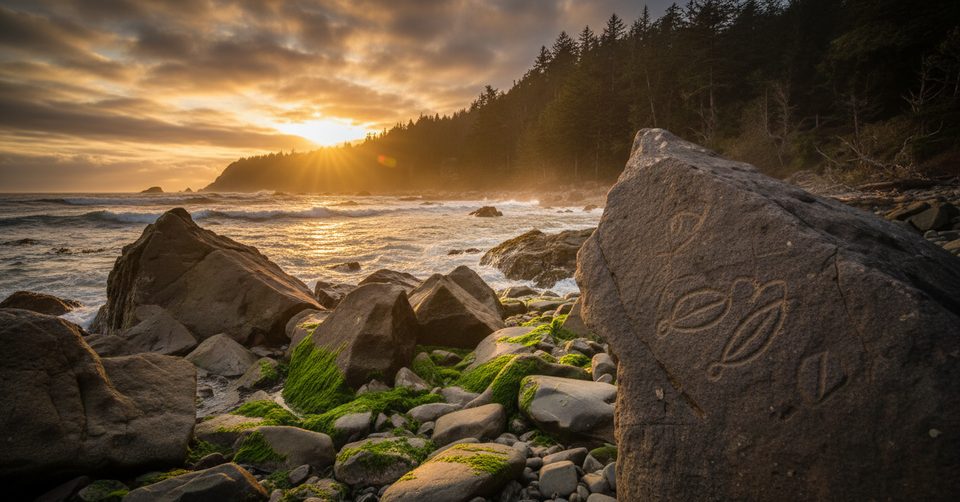
  • Culture: Don’t miss the ancient Makah petroglyphs at Wedding Rocks along the beach section. Look, don’t touch.

Know before you go

  • Tides matter: Parts of the beach are unsafe or impassable at higher tides. Carry a tide chart, time your beach segment for lower tides, and use the signed headland bypass trails when needed.
  • Footing: Boardwalk planks and beach rocks can be very slippery; waterproof boots with good traction pay off.
  • Camping: Designated camps near Cape Alava and Sand Point make this a great beginner‑friendly coastal backpack. Overnight trips require a wilderness permit; bear canisters are required for food storage. Some beach water sources can run dry later in summer—plan accordingly.
  • Basics: Pets are not allowed on these coastal trails. Cell service is limited. Check current regulations for campfires and group size if you’re staying overnight.

Best time to hike

Open year‑round. Summer and early fall bring the driest weather and friendliest beach conditions. Winter is doable thanks to minimal elevation and generally snow‑free coastline, but expect rain, mud, and extra‑slick boardwalks. For fewer people and good photography light, aim for early morning or a shoulder‑season weekday—just plan the beach leg around a favorable tide window.

Pros

  • Makah petroglyphs at Wedding Rocks add a unique cultural highlight
  • Designated coastal camps make this an easy first backpacking trip
  • Low‑elevation, often snow‑free option for off‑season coastal hiking

Cons

  • Beach travel is tide‑dependent and can be impassable at high tide
  • Slick boardwalk planks and seaweed‑covered rocks slow progress
  • Some beach water sources dry up later in summer for backpackers

Parking

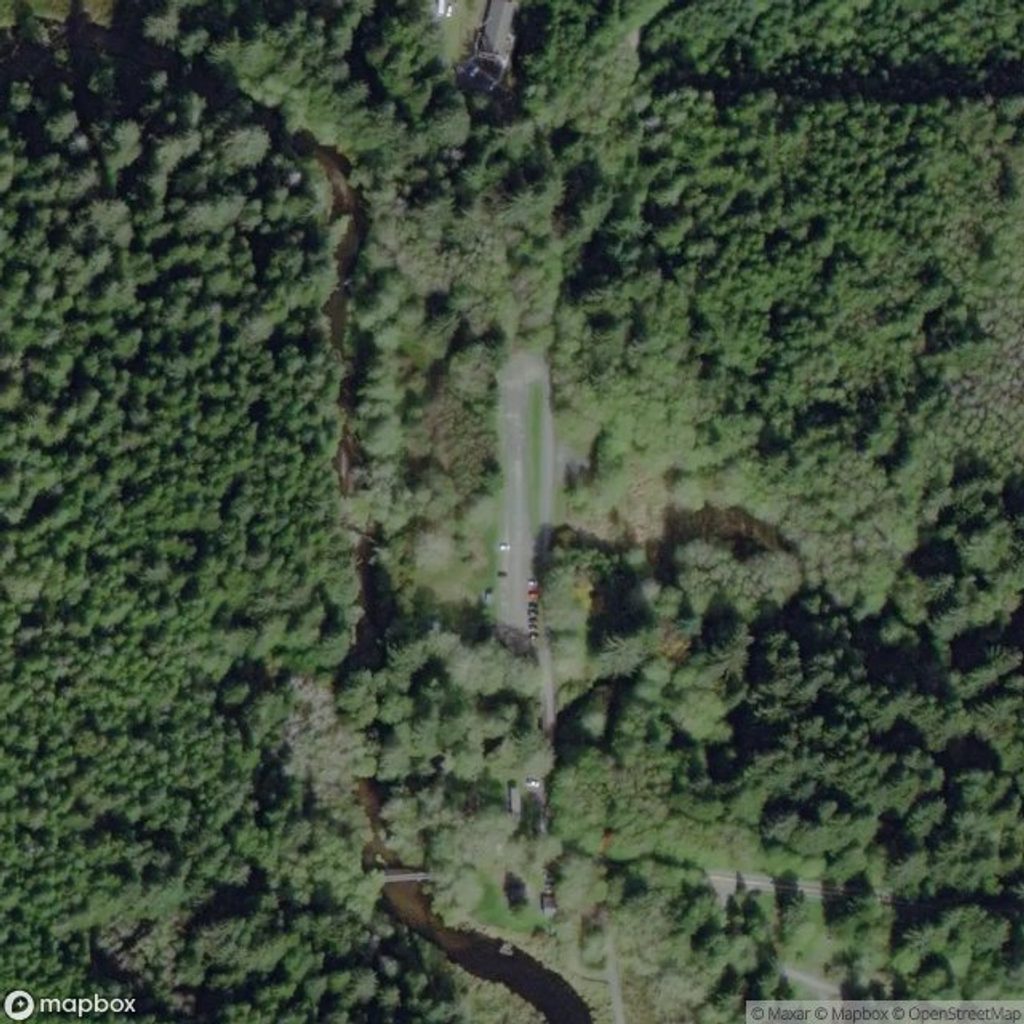
Park at the Ozette Ranger Station parking area next to Lake Ozette (end of Hoko Ozette Rd).

Caution

Time the beach leg for low tide and carry a tide chart; use headland bypass trails when necessary. Expect slippery boardwalks and rocks, limited cell service, and check rules for overnight permits and food storage.

The Parkwolf tour guide sitting on a phone mounted in a car

Parkwolf Tour Guide

Like a tour guide in your car.

Bring Olympic trail research into the car, with offline maps and stories that play as you drive.Download Parkwolf on the App Store