Wedding Rocks

Remote coastal petroglyphs tucked between Cape Alava and Sand Point
Wedding Rocks, Olympic National Park
InsideOlympic National Park

Overview

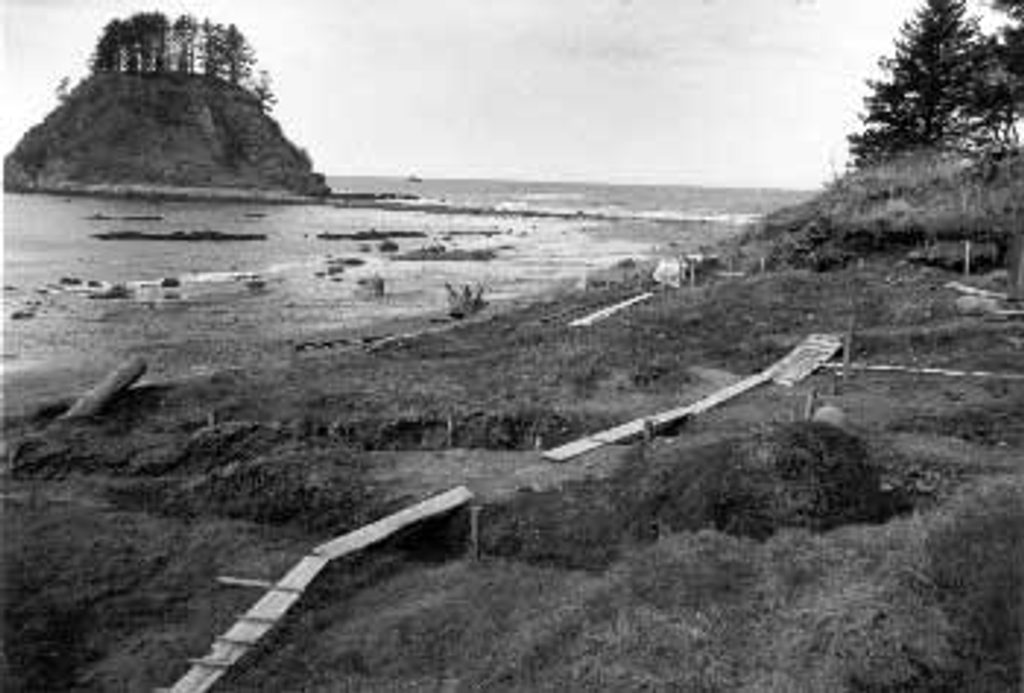
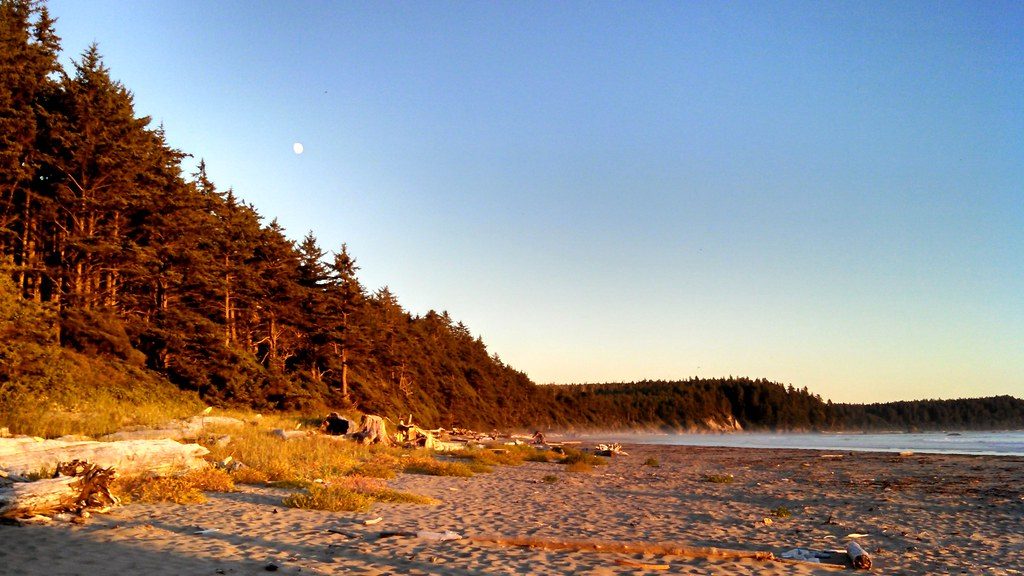
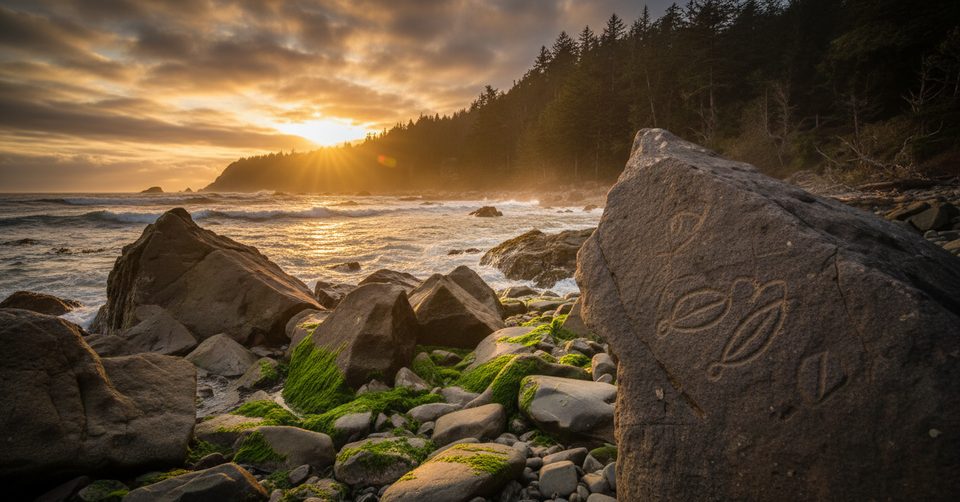
Wedding Rocks is the Ozette coast’s cultural gem: a scatter of ancient petroglyphs etched into wave-worn rocks above the Pacific. It sits between Cape Alava and Sand Point along the Ozette Triangle route, pairing human history with a raw, surf-pounded shoreline.

What You'll See

  • Petroglyphs believed to depict whales, hunters, and other figures—easy to miss unless you slow down and scan the rock faces.
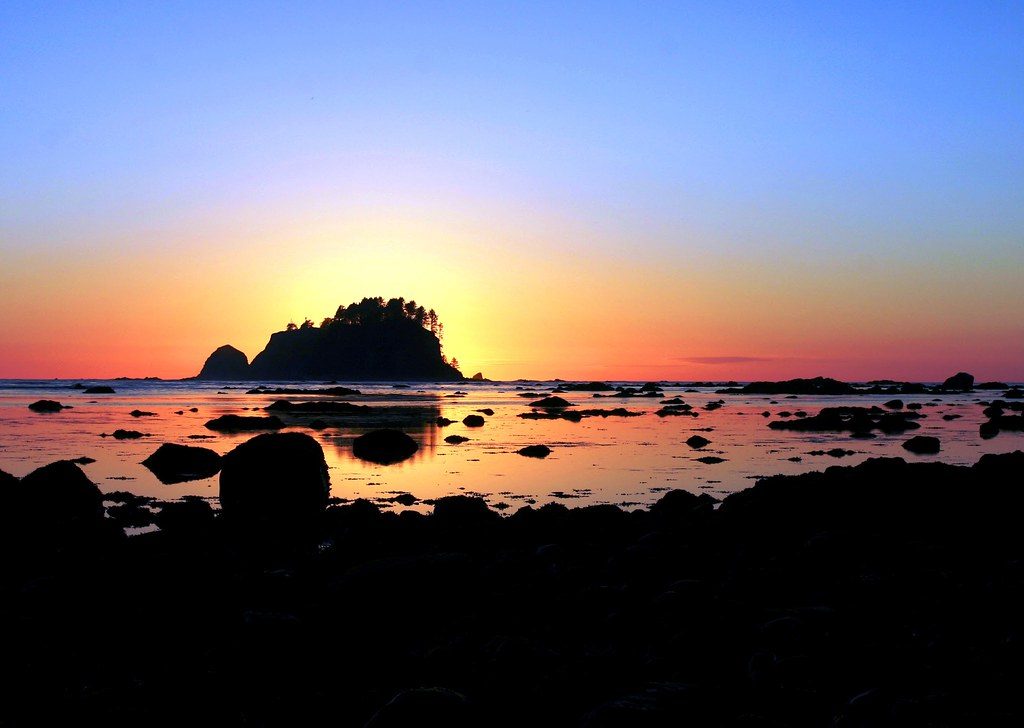
  • Broad coastal views with offshore sea stacks, plus rich tidepools teeming with anemones, sea stars, and crabs.
  • Frequent seabirds and the occasional eagle; farther south near Sand Point, hikers sometimes notice bear sign.

Getting There

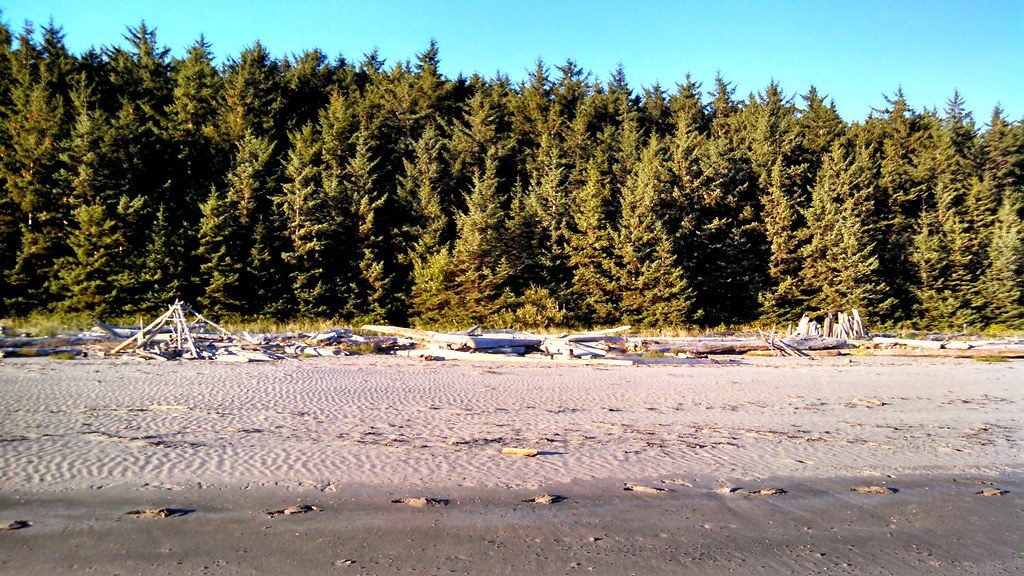
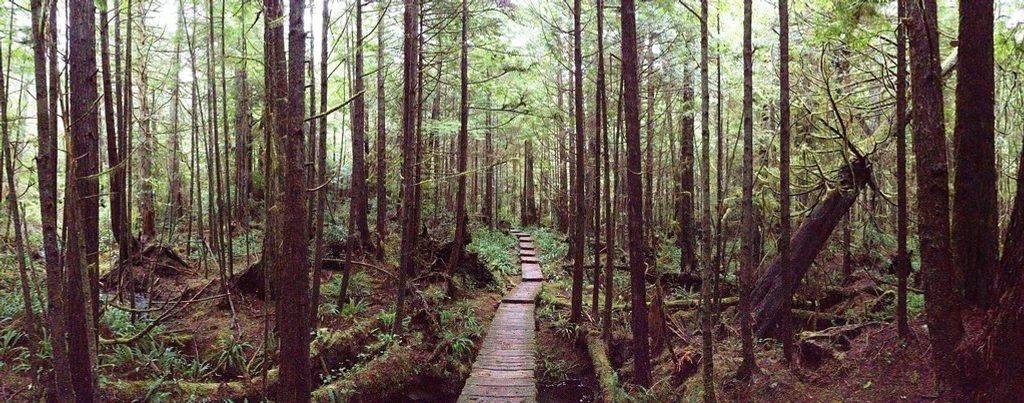
Reach Wedding Rocks by hiking from the Ozette Trailhead to Cape Alava, then heading south along the beach. The site is right on the coast—no road access, no pullouts, no developed facilities. Expect beach travel over slippery rock, seaweed, and driftwood that can make progress slow.

Culture & History

The carvings at Wedding Rocks were documented in a mid-20th-century archaeological survey and are a rare example of Indigenous rock art on Washington’s outer coast. Treat them with care: look, photograph, but never touch or trace.

Know Before You Go

  • Tides rule your day. Some headlands and sections near Wedding Rocks are impassable at high tide—carry a tide chart and plan your timing.
  • There are no services at Wedding Rocks. Restrooms exist at Cape Alava and Sand Point; otherwise, follow Leave No Trace for waste.
  • Water sources are limited and tannin-stained; always treat for protozoa like giardia and cryptosporidium.
  • If camping on the beach, bear canisters are required along this coast. Unmarked sites near Wedding Rocks are limited and can fill during busy periods.
  • Campfires are prohibited between the headland north of Yellow Banks and Wedding Rocks (including Sand Point).
  • Cell service is variable at best.

Wildlife

Watch tidepools at lower tides for the best intertidal life. Seabirds patrol the shoreline, and eagles sometimes perch on drift logs or headlands. Closer to Sand Point, hikers occasionally encounter black bear sign; keep a clean camp and store food properly.

Best Time to Visit

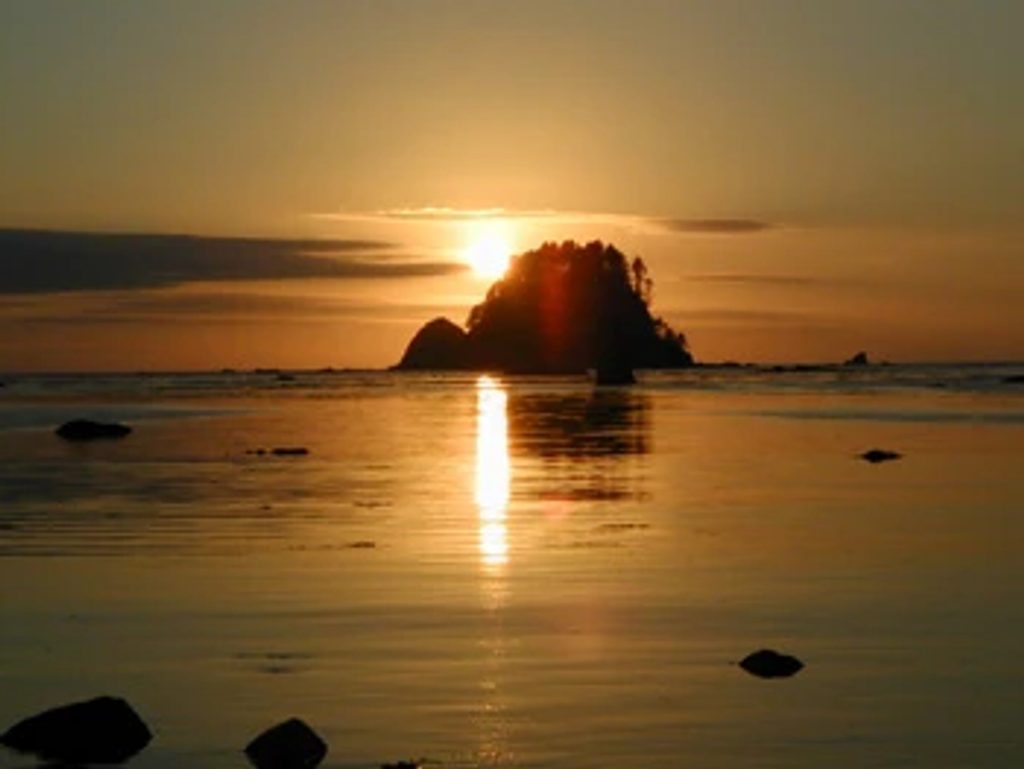
Aim for weekday visits outside peak summer weekends for a quieter experience. Low-tide windows are essential for both travel and tidepooling. Sunset can be spectacular here when the marine layer cooperates, casting warm light across the petroglyph rocks and sea stacks.

Pros

  • Ancient coastal petroglyphs carved into seaside rock
  • Wild, photogenic stretch of beach with tidepools and sea stacks

Cons

  • Hike-in only with zero on-site amenities
  • High tides and slick rocks can make travel slow or impassable

Tips

  • Travel at or near low tide; some headlands are impassable at high tide.
  • Move slowly and scan rock faces—the petroglyphs are subtle and easy to miss.
  • Bring a water filter and a bear canister if camping on the beach.
  • Start from the Ozette Trailhead and budget extra time for slick, uneven beach travel.
  • Fires are prohibited in this stretch; check current restrictions before you go.
The Parkwolf tour guide sitting on a phone mounted in a car

Parkwolf Tour Guide

Like a tour guide in your car.

Save the places you found around Olympic, then let Parkwolf guide the drive between them.Download Parkwolf on the App Store