Place · 0 mi away

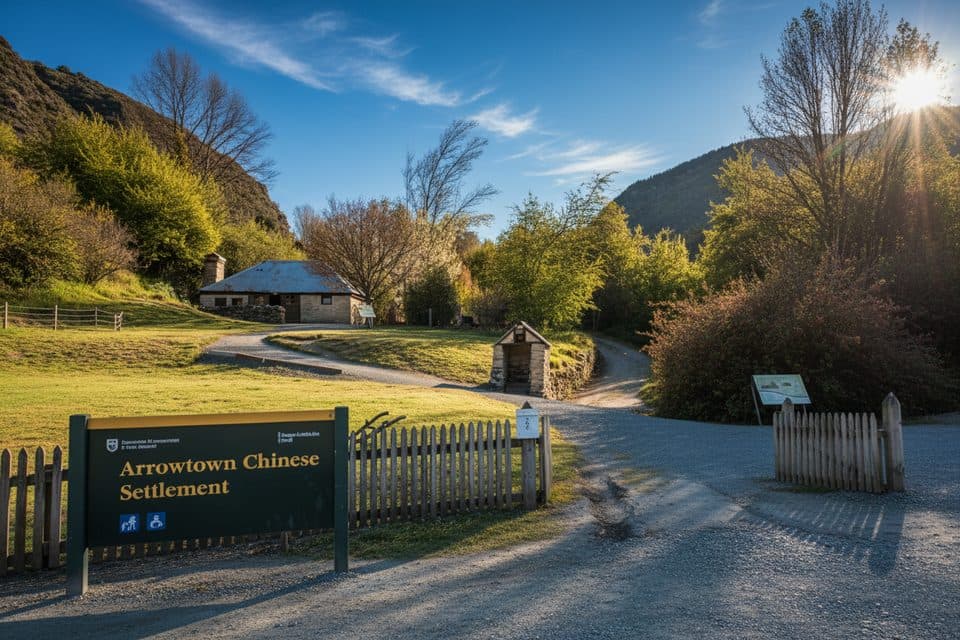
A compact, open-air heritage site that tells big stories. The Arrowtown Chinese Settlement preserves the remains and reconstructions of an 1860s–early 1900s gold-mining community. It’s formally recognized on the New Zealand Heritage List and as a Tohu Whenua site, which is a good clue you’re looking at nationally important history.
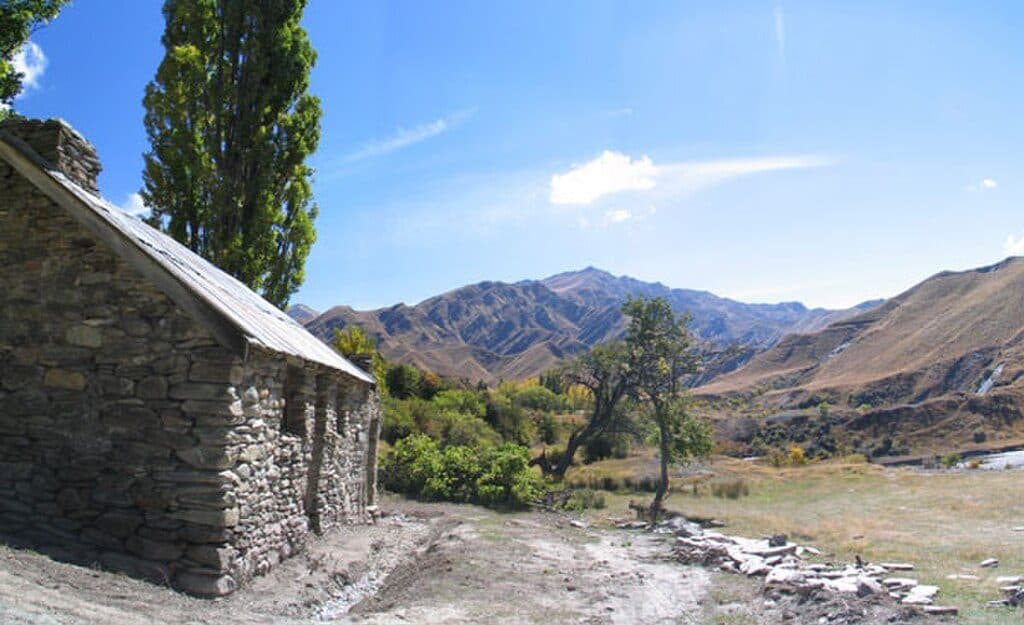
After the 1860s Otago gold rush, Cantonese miners arrived to rework claims and tailings, often pushed to the margins of European townships. By 1885 the Arrowtown settlement held around 10 huts, a large social hall, at least two stores, and extensive gardens. Buildings mixed mud brick, stone, timber, corrugated iron and canvas—whatever worked in tough Central Otago seasons.
Plan 30–60 minutes. The route is a short, mostly level wander from the bottom of Buckingham Street along an old dray track, with the main settlement tucked behind terraces near Bush Creek and the Arrow River. People typically spend up to 45 minutes here.
It’s free and open at all hours, but go early morning or late afternoon for softer light and quieter paths. Midday is peak time and often sees tour groups; weekdays are calmer than weekends but still busiest late morning to mid‑afternoon.

You may hear/see tūī, bellbirds/korimako and lively fantails/piwakawaka flitting along the river margin. Look for trout holding in riffles and the occasional mayfly hatch.
Pair the settlement with the Lakes District Museum in town, a riverside amble on the Arrow River Trail, or (for more elevation and views) the Sawpit Gully Loop.
If you like human stories grounded in place, it’s a must. If you’re racing between scenic lookouts, it’s a thoughtful, bite‑sized stop—underrated for how much context it adds to Arrowtown.