Bob’s Cove

Turquoise cove with a quick climb to a big lake view
Bob’s Cove, Queenstown-Lakes District, New Zealand
InsideQueenstown-Lakes District, New Zealand

Overview

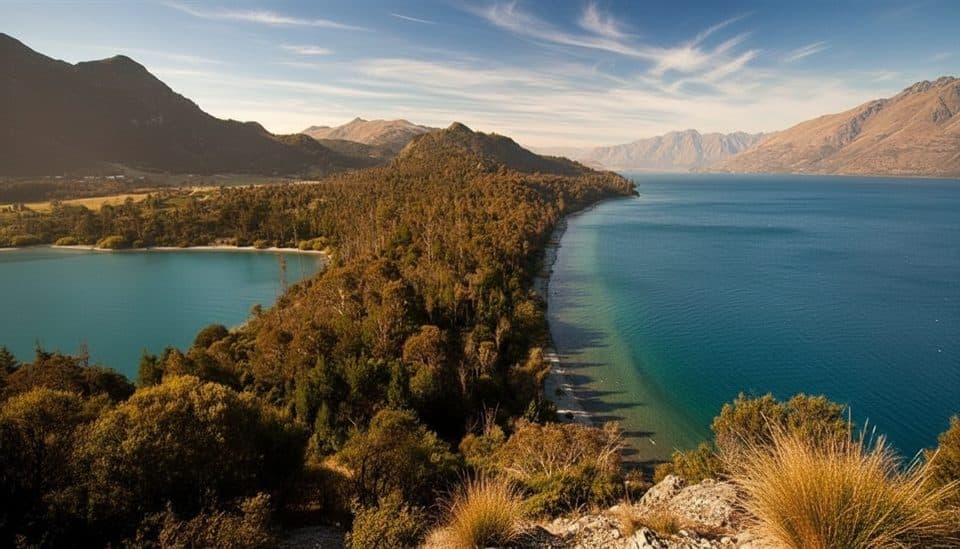
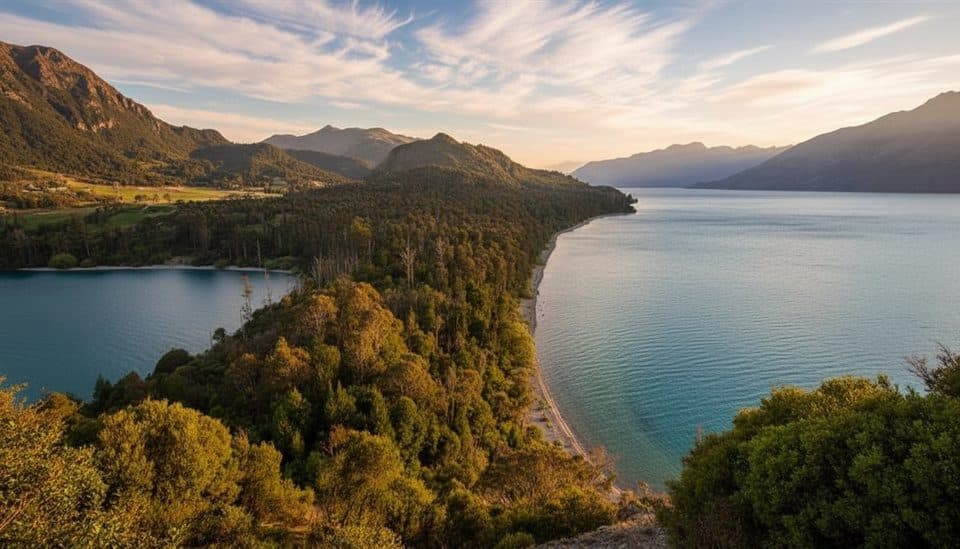
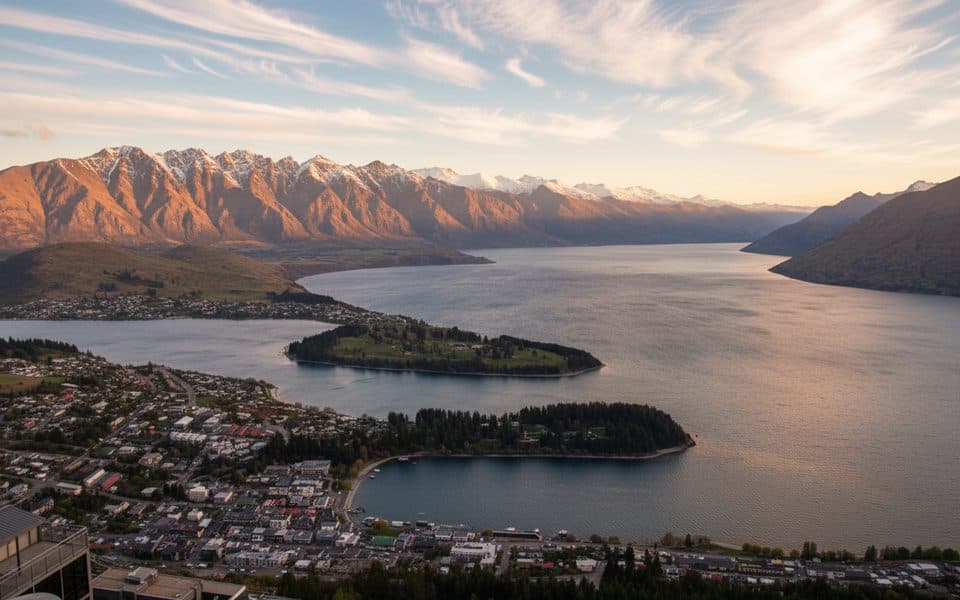
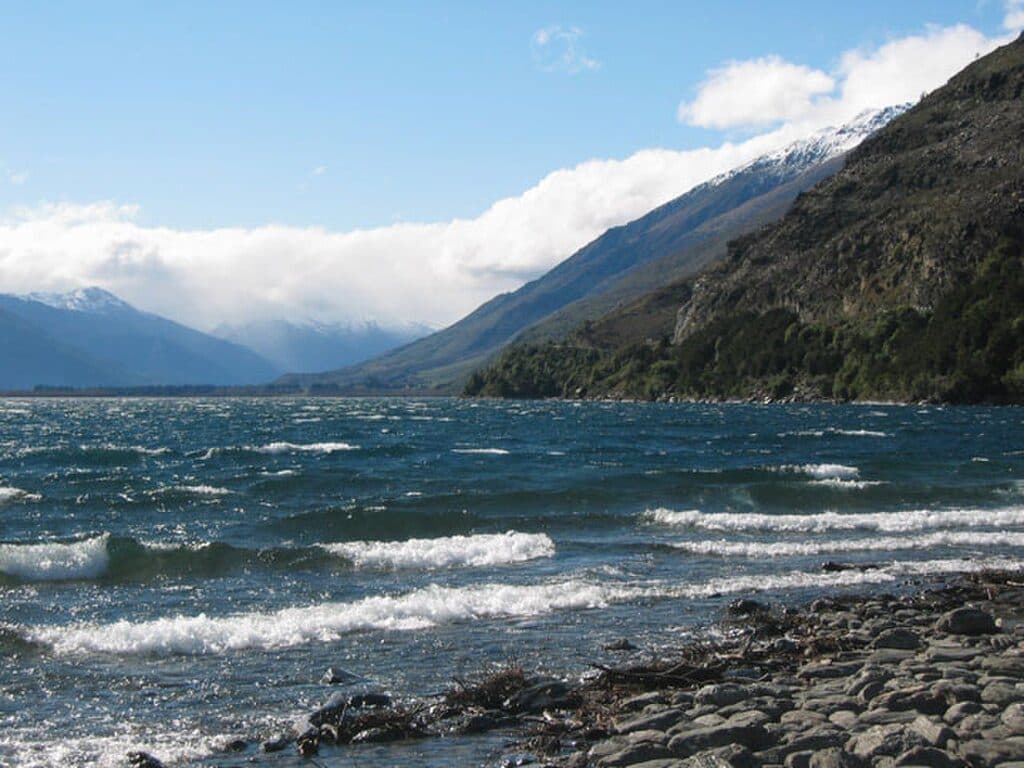
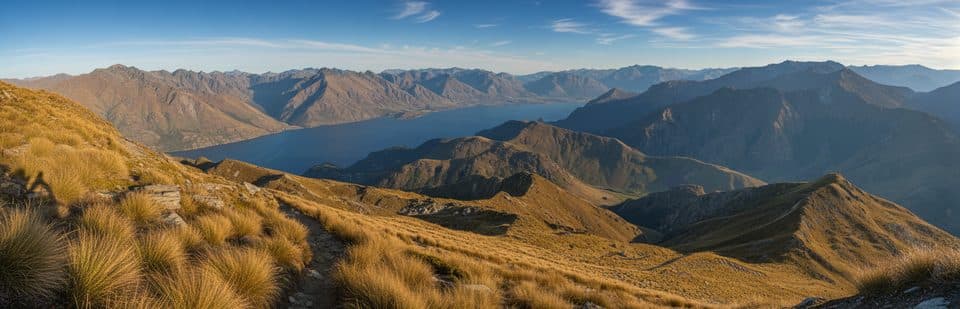
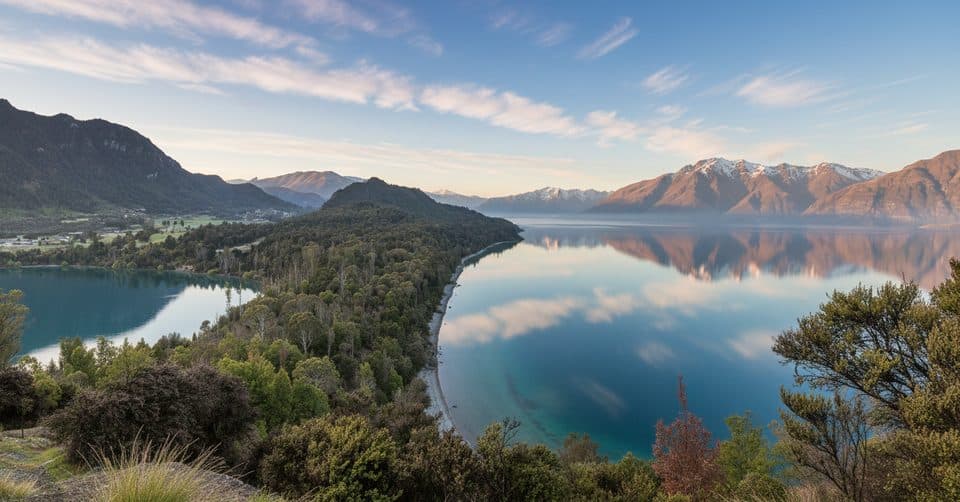
Bobs Cove squeezes a lot into a tiny pocket of Lake Whakatipu—an emerald bay, a photogenic jetty, intact native bush, and a quick climb to Picnic Point with sweeping views. It’s one of the easiest, most rewarding mini-adventures near Queenstown.

What You’ll See

  • Glassy, turquoise shallows and a sheltered pebble beach that’s great for a dip on warm days (the water stays brisk).
  • A wooden jetty made for those classic lake shots.
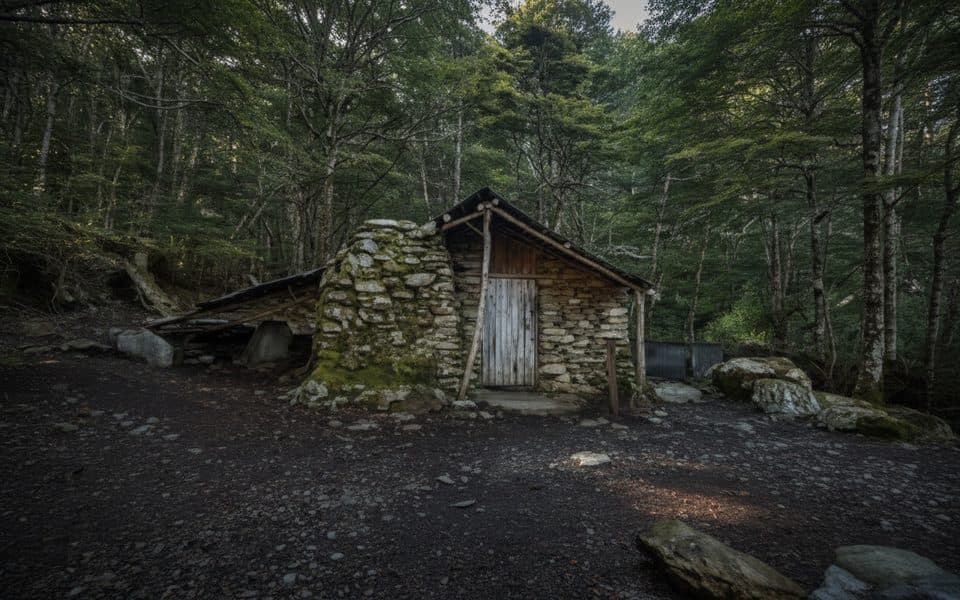
  • The remains of 19th‑century lime kilns beside the shore, with ruins to poke around and learn how early Queenstown was literally built.
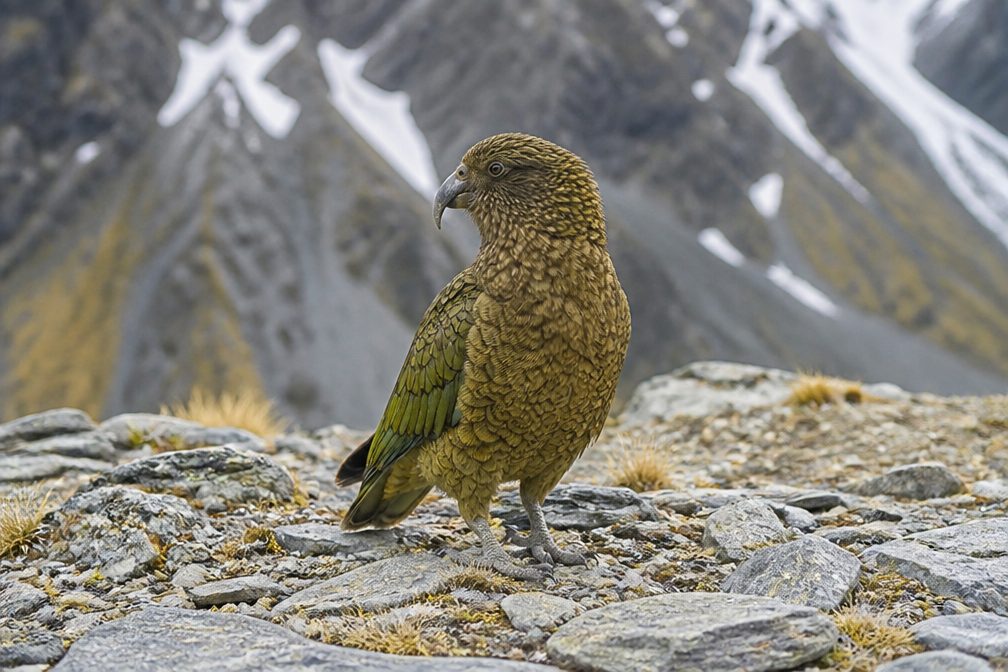
  • Native birds in the bush—fantails (pīwakawaka) flit right past your shoulder; you may also hear tūī and see ducks near the jetty.

The Walk

From the signed car park on the Queenstown–Glenorchy Road, an easy nature trail drops through native bush to the cove in about 5–10 minutes. Continue past the kilns and climb the short hill to Picnic Point (roughly 70–80 m above lake level) for the hero view; the full loop is about 3 km and usually takes 45–60 minutes at a relaxed pace. Want more? The lakeside track continues toward Twelve Mile Delta for a longer 2–4 hour outing.

History in Brief

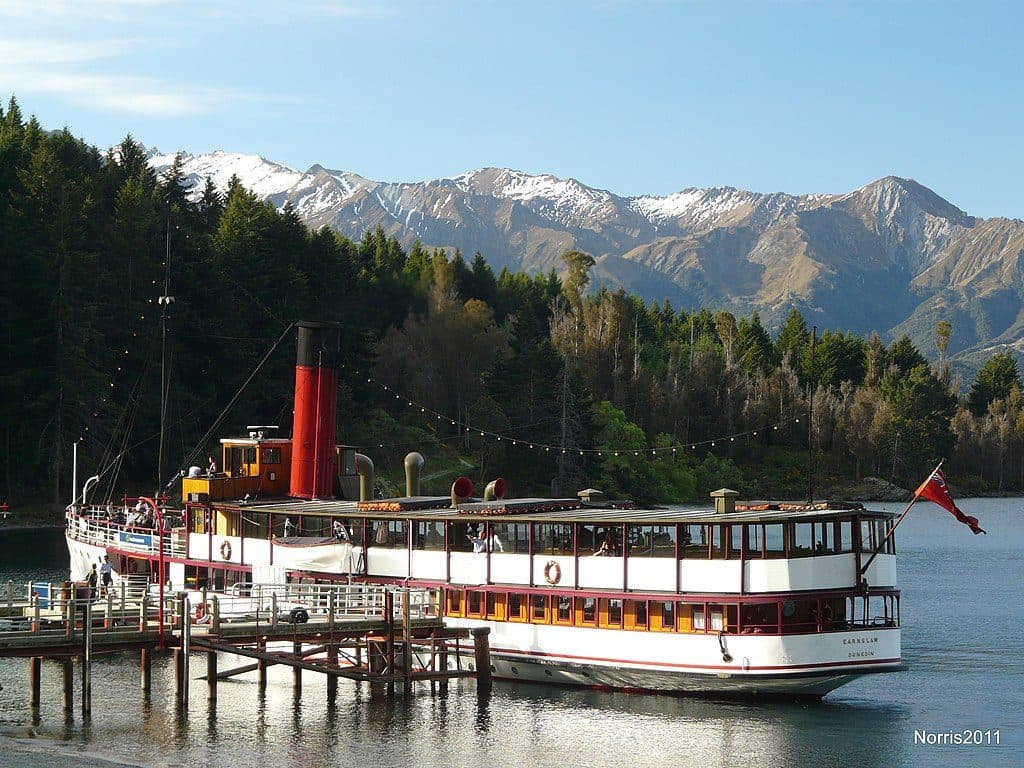
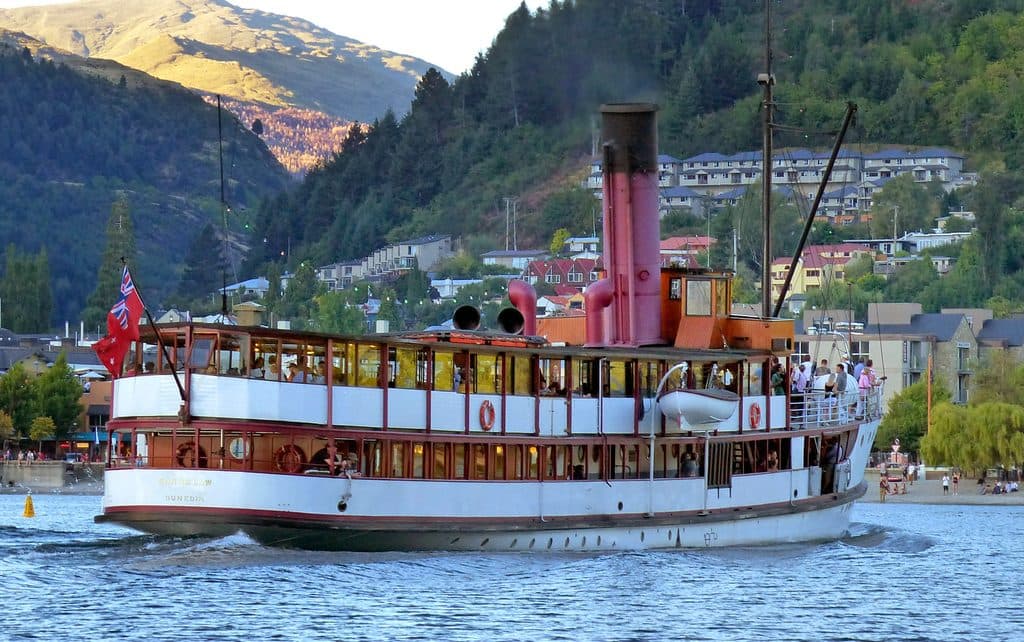
Long before tourists, this place was known to Southern Māori as Te Puna‑tapu (the sacred pool), with the surrounding hills called Ka Puke‑tapu. Later, the cove took the name of Captain Bob Fortune, a lake‑boat skipper who often sheltered here; steamers stopped by during the gold‑rush era when it was a favorite picnic spot. In the 1880s, local limestone was burned in multiple kilns to make quicklime for mortar and cement used in early Queenstown buildings.

Geology

Those limestone bands are relics of the ancient “Moonlight Sea,” a shallow Cenozoic sea that once flooded this basin. Uplift along the Moonlight Fault shaped today’s landscape and left terraces with shells and fossil traces—one reason this cove is such a tidy snapshot of the region’s coastal past.

Swimming, Wildlife, and Practicalities

The bay is calm and inviting for swimming, kayaking, or a SUP cruise, but expect cold water even in summer. The bush is alive with small insect‑eaters—watch for the friendly, swooping fantails—and sandflies can be nippy near the beach, so bring repellent. Facilities are minimal: there’s a basic long‑drop toilet by the beachfront, but no food or potable water.

Best Time to Visit

Aim for early morning to beat the small‑lot parking crunch, or late afternoon for a quieter loop. For the brightest turquoise water in photos, come on a clear day when the sun is higher—midday to early afternoon lights up the shallows—then pop up to Picnic Point for wide‑angle views.


Pros

  • Short, easy loop with a big-payoff lookout at Picnic Point
  • Turquoise water, jetty, and sheltered beach for swims and photos
  • Historic lime kilns and story-rich Māori and gold-era history

Cons

  • Small car park fills quickly
  • No food or drinking water on site

Tips

  • Arrive early or late in the day—the car park is small and fills fast.
  • Bring water, snacks, and hand sanitiser; there’s no potable water or food.
  • Pack insect repellent for sandflies, especially if you plan to linger at the beach.
  • For the bluest water in photos, time your visit for a sunny midday to early afternoon.
  • There’s a brief exposed section near Picnic Point—keep kids close on that part.
The Parkwolf tour guide sitting on a phone mounted in a car

Parkwolf Tour Guide

Like a tour guide in your car.

Save the places you found around Queenstown-Lakes District, then let Parkwolf guide the drive between them.Download Parkwolf on the App Store