
Place · 1 mi away
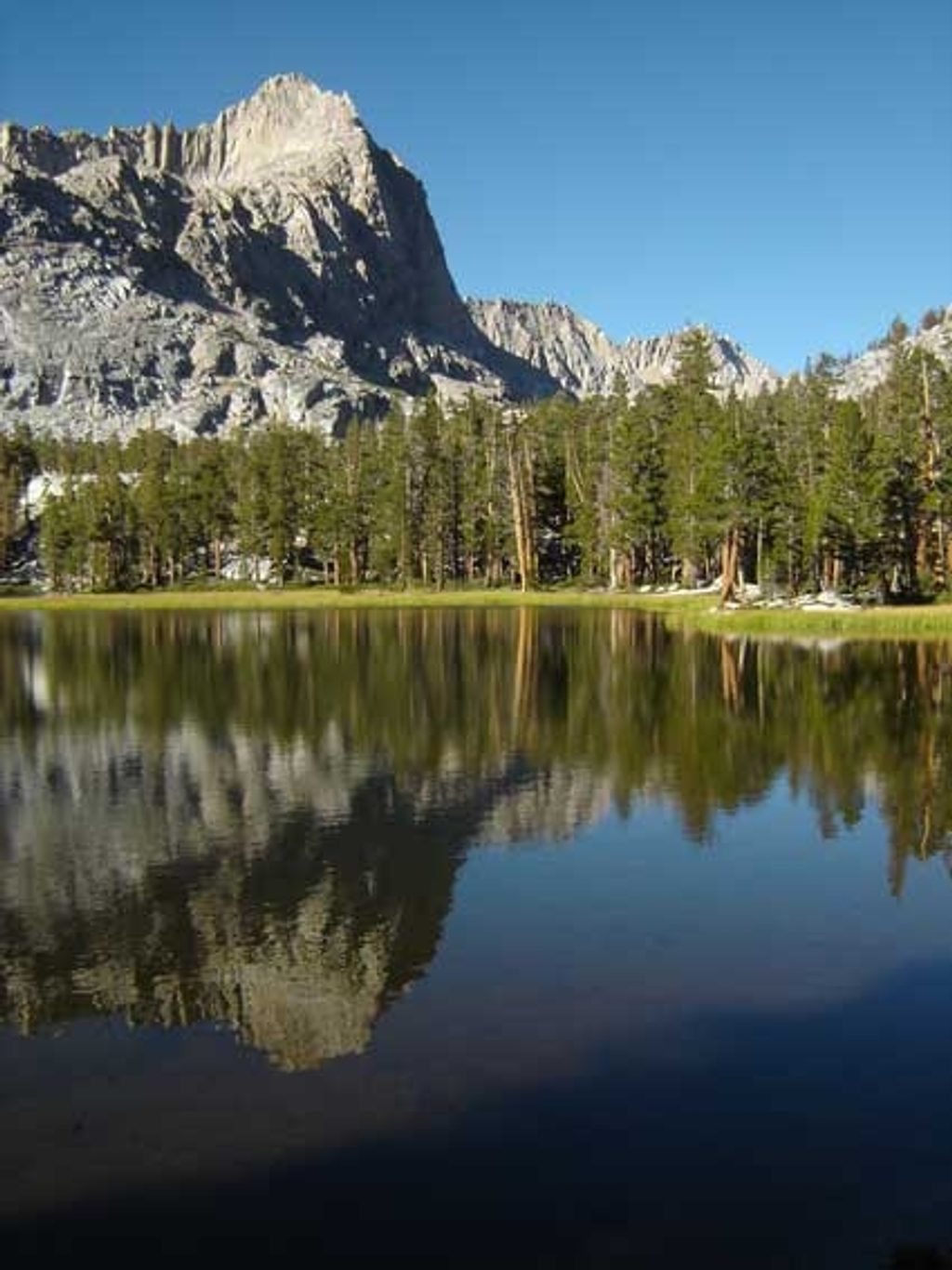
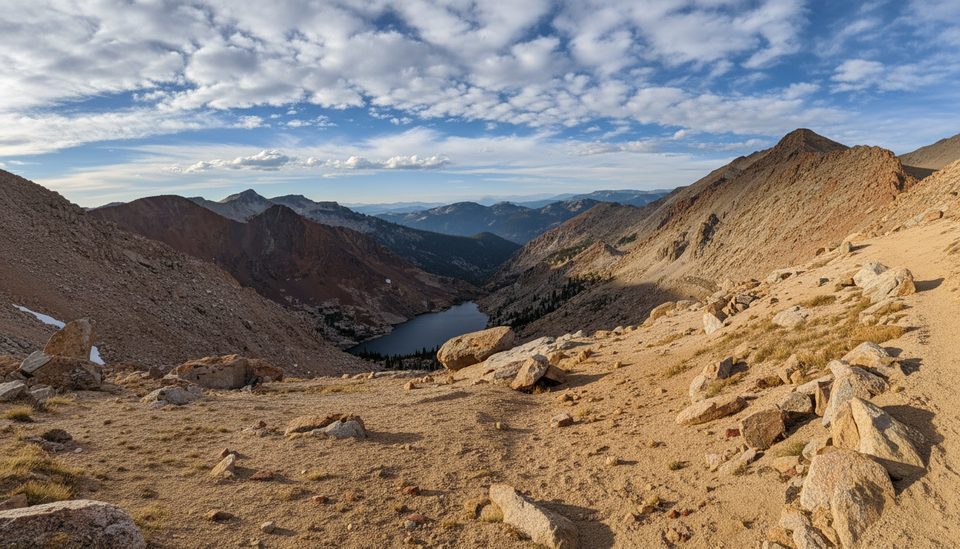
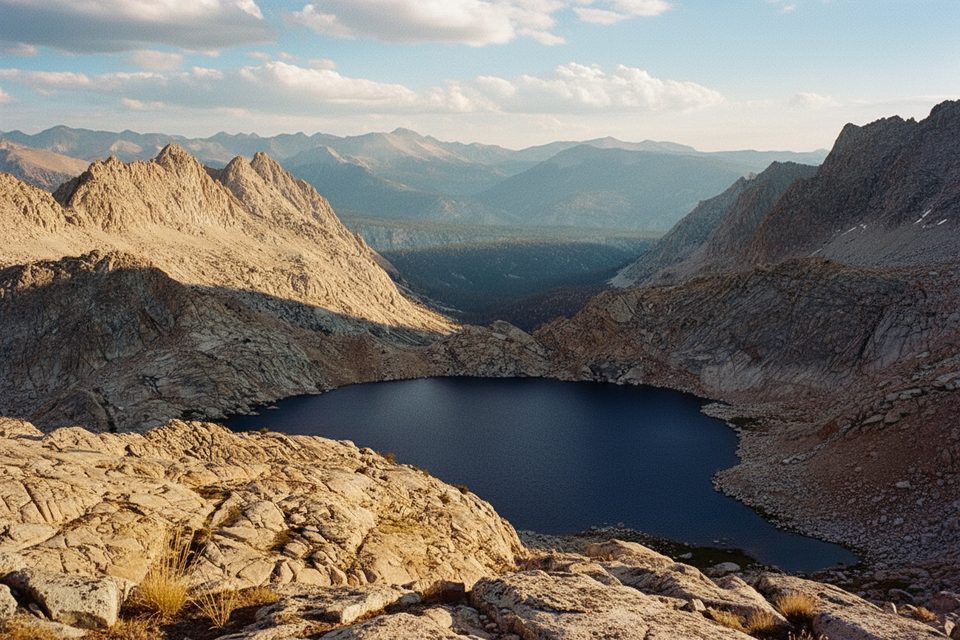
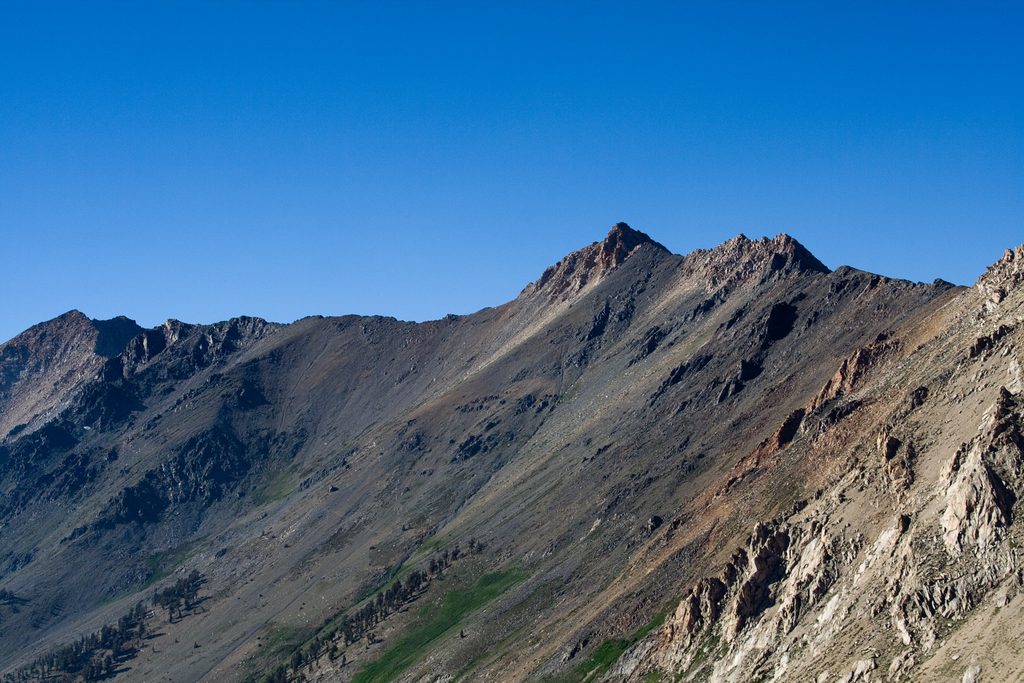
Big Five Lakes is a gorgeous chain of alpine lakes tucked deep in Mineral King’s backcountry. Most backpackers hit them as the highlight of a multi-day loop linking Timber Gap, Black Rock Pass, Lost Canyon, and (optionally) Sawtooth/Glacier Pass. Expect a true High Sierra feel: polished granite, clear water, wide-open sky, and views toward the Kaweahs.
Five jewel-toned lakes stepped up a glacial basin, with options to camp lower, middle, or push higher for quieter, wilder vibes. Many hikers favor the upper lakes for the scenery and solitude, while the lowest lake offers the rare perk of a legal campfire in this zone. On the approach and nearby ridges you’ll snag big looks toward the Kaweah peaks.
Most trips start at the Mineral King trailheads (Timber Gap or Sawtooth). Common loops run roughly 28–38 miles with 9,500–11,000 feet of gain, often crossing Black Rock Pass (around 11,600 feet) and sometimes Franklin or Sawtooth. Some hikers prefer counterclockwise for a more gradual approach to Black Rock. If you exit via Sawtooth, be wary of the steep, loose sand slope toward Monarch—many opt for Glacier Pass instead. Water is plentiful overall, but tank up before big ascents like Black Rock.
Backcountry camping is the norm here—no toilets at the Big Five/Little Five zones—so follow Leave No Trace. Campfires are prohibited above 10,000 feet and at Pinto Lake; the notable exception is the lowest Big Five Lake, where fires are allowed. A bear box is located at the lower Big Five Lake (there’s also one down at Cliff Creek), but a bear canister remains the most reliable choice, especially near and above treeline.
Overnight permits are required. You can reserve them up to six months ahead (with a reservation fee plus a per-person charge), or try for walk-up permits the afternoon before or morning of your hike at the Ash Mountain Wilderness Office. Permits for Mineral King trailheads are associated with the Mineral King Ranger Station as well. Summer thunderstorms are common; plan to be over high passes early in the day.
Best season runs late spring through early fall. Mineral King Road typically closes in winter, and early season can leave lingering snow on high passes. July–August often brings swarms of mosquitoes in meadows like Lost Canyon—pack serious repellent. Road work on Mineral King Road is scheduled through fall 2027, so expect delays and check current conditions before you go.
Black bears are active, and you may spot marmots, pika, and trout in the lakes and creeks. A quirky Mineral King reality: marmots are notorious for chewing hoses and wires at the trailhead early season. Many hikers tarp their vehicles (especially before mid-July).
Aim for late June through September, with July–August offering reliable access but peak bugs. Start high-pass crossings early for stable weather and better lighting, and plan midweek departures to dodge the crowds at trailheads. If you want a fire, target the lowest lake; if you want a quieter scene and bigger views, continue to the upper lakes.
Place · 1 mi away
Place · 2 mi away
Place · 2 mi away
Place · 2.5 mi away
Challenging · 4.5 mi away
Challenging · 4.5 mi away
Challenging · 4.5 mi away
Challenging · 4.5 mi away

Parkwolf Tour Guide
