
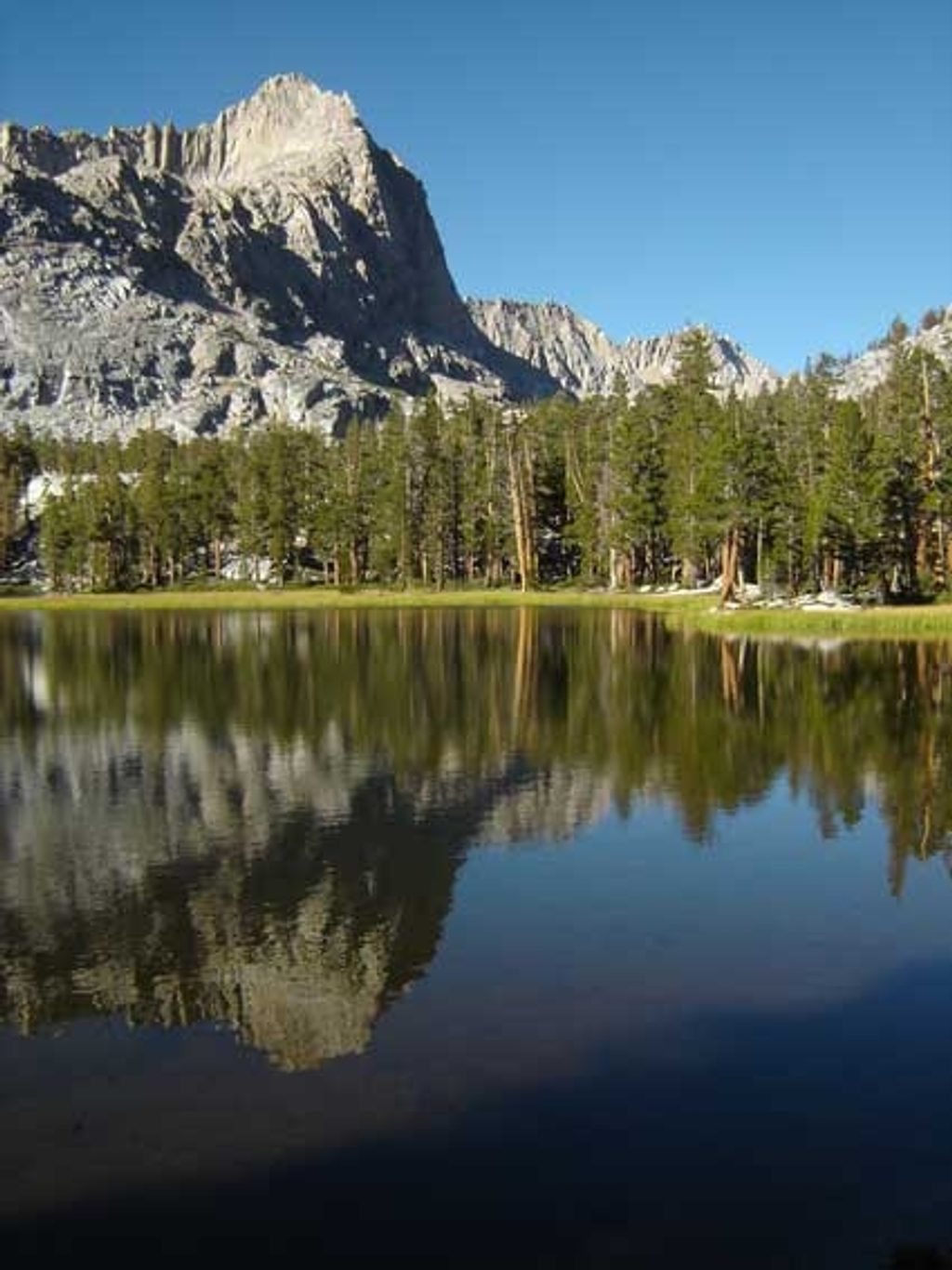
Place · 1 mi away
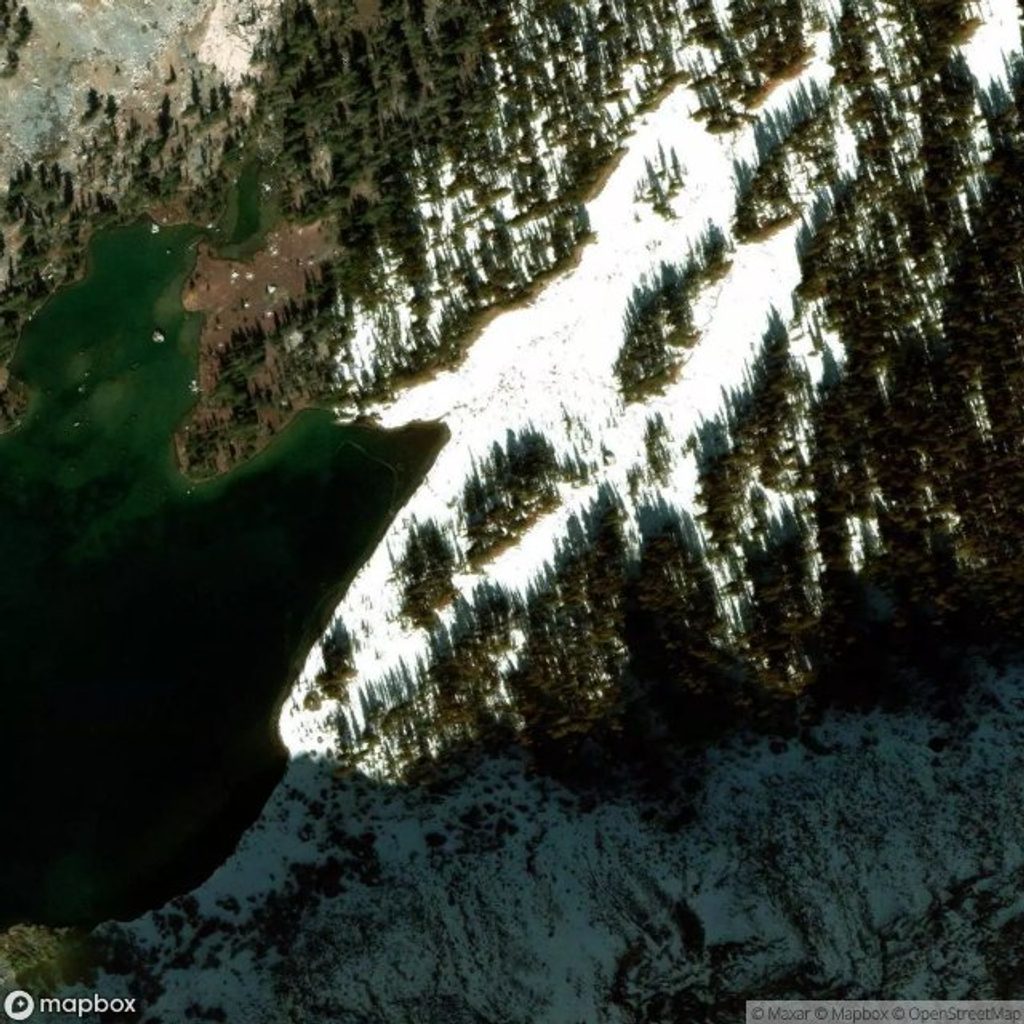
Think of this as a seasonal patrol outpost, not a visitor center. Tucked beside the largest of the Little Five Lakes on the Big Five–Little Five loop, the ranger presence here supports patrols, trail work, and search-and-rescue. There are no public amenities—no permits, supplies, potable water, or restrooms—so arrive fully self-sufficient.
Most backpackers reach the basin from Mineral King via Timber Gap to Cliff Creek, then up past Pinto Lake and over Black Rock Pass. The classic loop runs roughly 28–30 miles with about 9,500–10,000 feet of cumulative gain over 3–5 days, crossing high, exposed passes like Black Rock and Sawtooth. Expect steep climbs, thin air, and sections of loose scree. Several hikers warn the Sawtooth descent toward Monarch Lake can be sketchy on the popular line; many prefer using Glacier Pass for a safer route choice.
Established camping exists around Little Five Lakes, and the lower Big Five Lake has a large camping area with bear boxes. You’ll also find boxes at Pinto Lake, Lost Canyon, and Monarch Lake. Still, carry a bear canister—the park prefers them and you’ll be above treeline in many spots where hangs aren’t practical. Campfires are prohibited above 10,000 feet (which includes most Five Lakes camps) and at Pinto Lake. Stoves and fires require a valid California fire permit. Note: camping is currently closed at Columbine Lake; plan for Lost Canyon or Monarch Lakes instead.
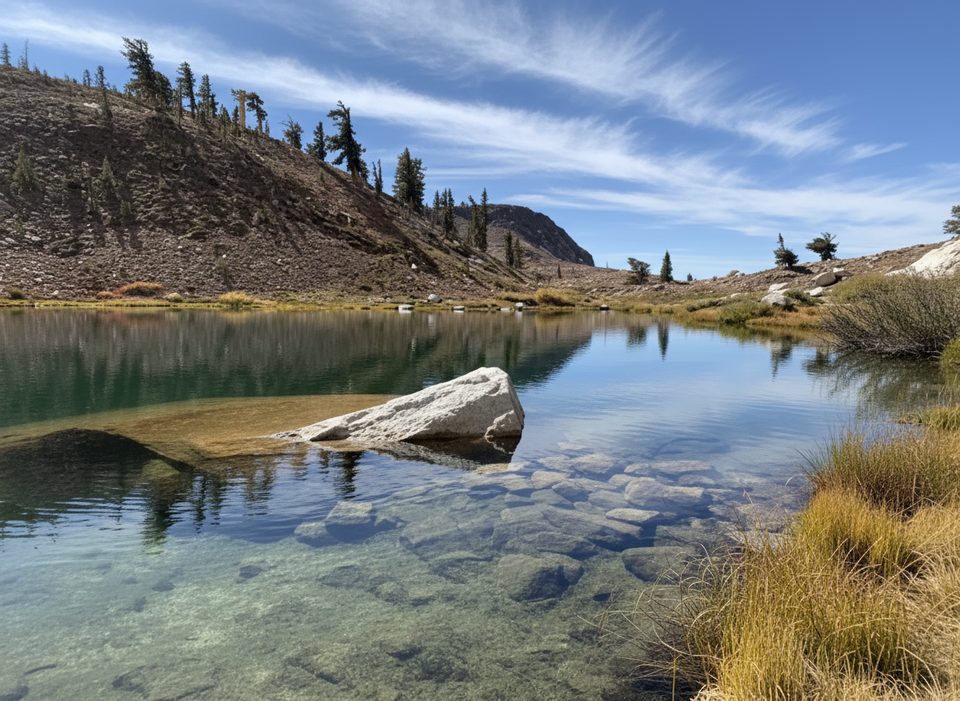
This high-alpine basin has frequent sightings of pika and marmots, and black bears are present—store all food properly. Mosquitoes can be heavy near water in season. A natural spring bubbles up in the lake near the outpost, but as always, treat all water.
There’s no restroom at Little Five Lakes. Use proper backcountry cathole practices well away from water and camps. Pit toilets exist back at the Timber Gap/Sawtooth trailhead and an open-air pit toilet is noted at Monarch Lakes.
Mineral King Road is notorious for marmots chewing hoses and wires—many hikers wrap their vehicles at the trailhead. Also expect intermittent construction delays on Mineral King Road through fall 2027; check park alerts before you go. Wilderness permits are required for overnight trips and can be reserved in advance, with walk-up options at the Ash Mountain Wilderness Office.
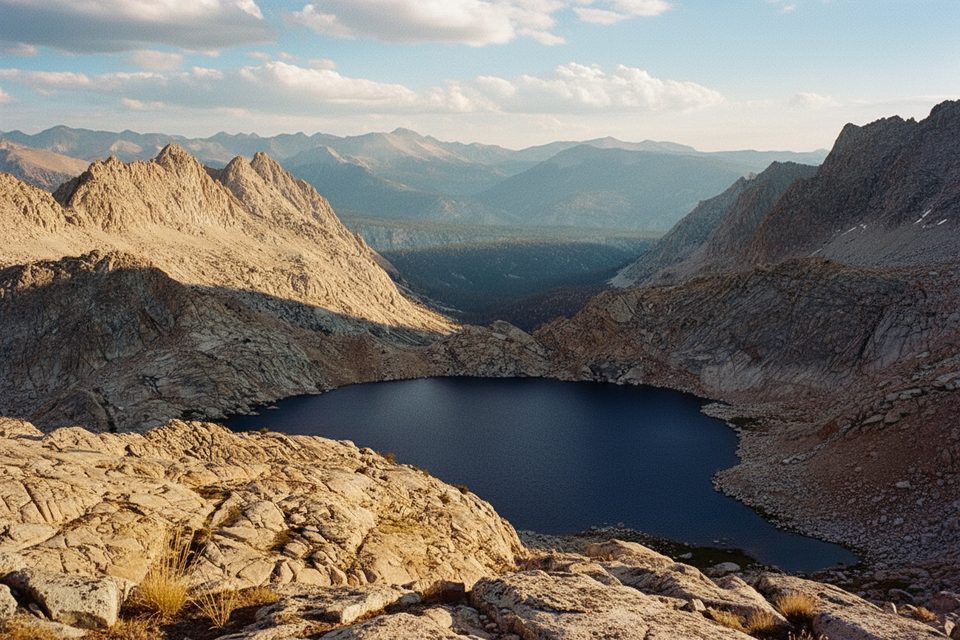
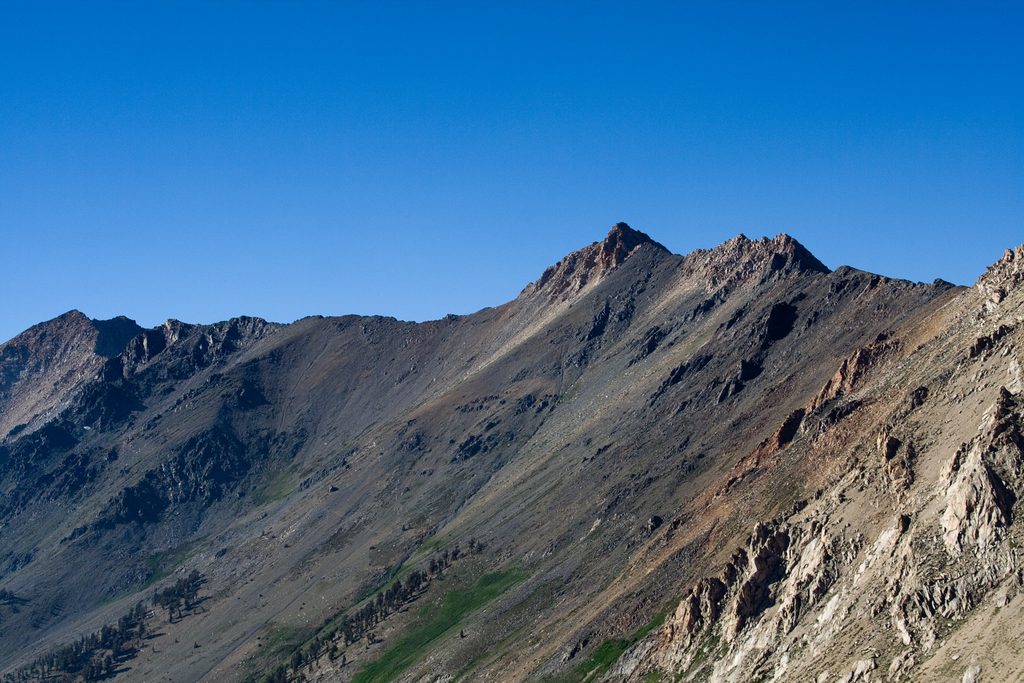
You’re in classic High Sierra country—glaciated granite basins and ridgelines carved over multiple ice ages, with sweeping views of the Great Western Divide. The terrain mixes polished slabs, talus, and airy passes that feel wild and remote, especially compared to busier frontcountry spots.
Summer through early fall is the sweet spot when passes are typically travelable and the outpost may be staffed. Start big climbs early to dodge afternoon thunderstorms common mid-season. Weekdays tend to feel quieter, and sunrise/sunset light is gorgeous on the granite and lakes.
High elevation is the crux here—acclimatize, watch for altitude sickness, and plan conservative daily mileage. Weather can swing quickly with hail, rain, and strong sun; carry layers, sun protection, and navigation you trust.
Place · 1 mi away
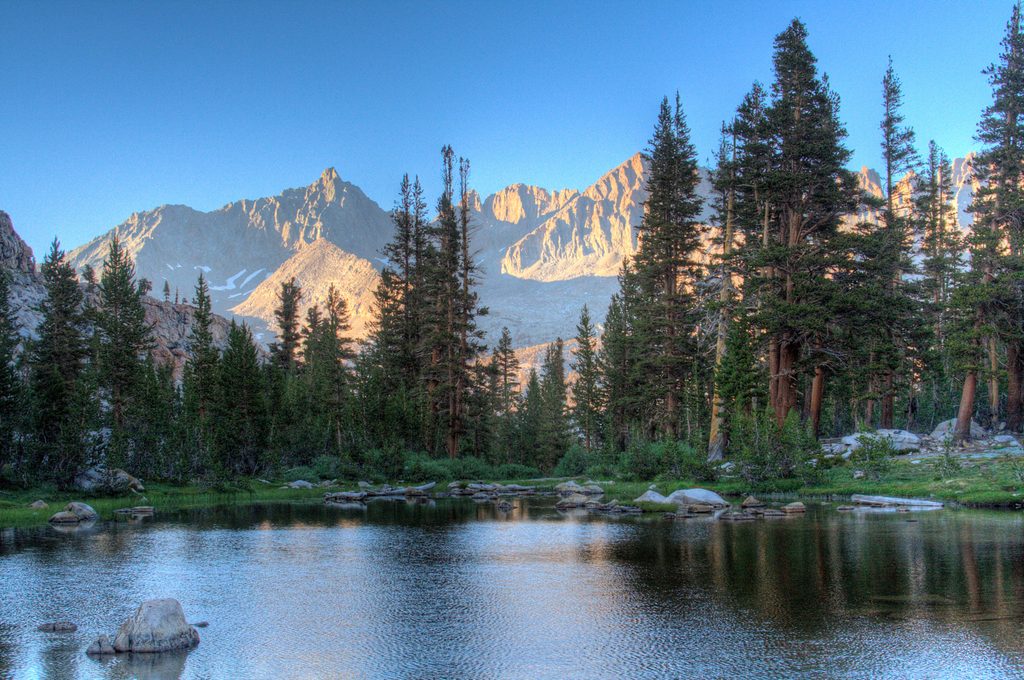
Place · 1.1 mi away
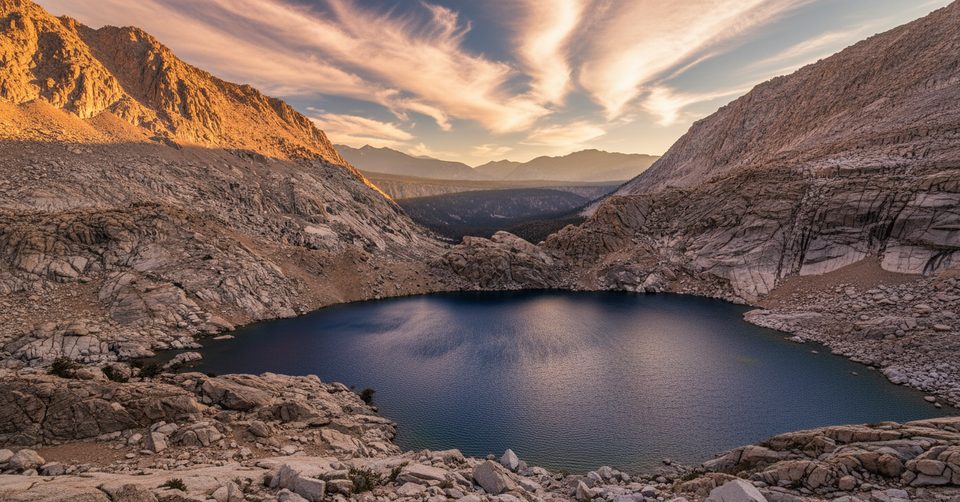
Place · 2.2 mi away
Place · 2.5 mi away
Challenging · 4.3 mi away
Challenging · 4.3 mi away
Challenging · 4.3 mi away
Challenging · 4.4 mi away

Parkwolf Tour Guide
