Place · 0.7 mi away

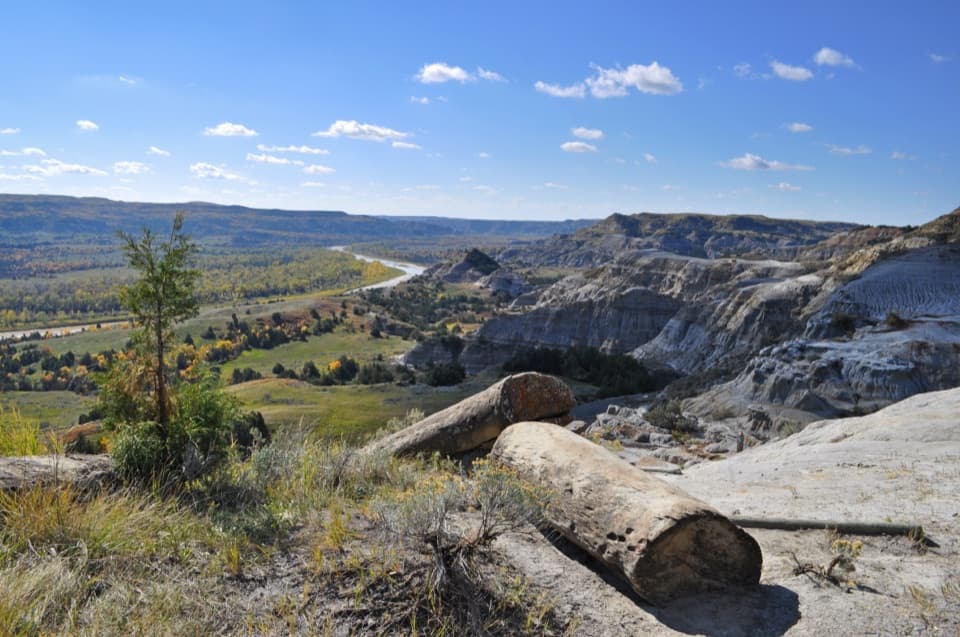
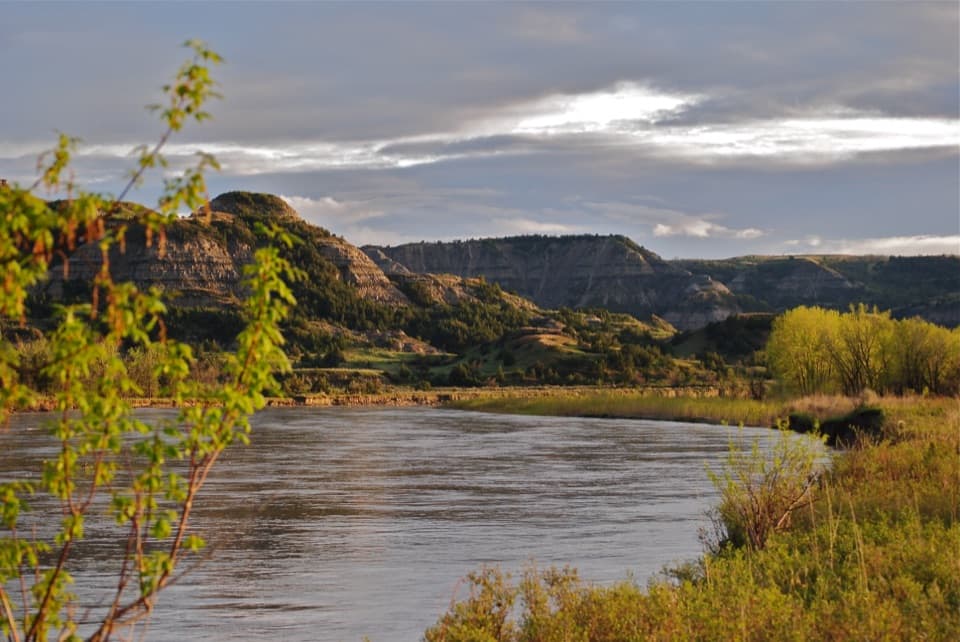
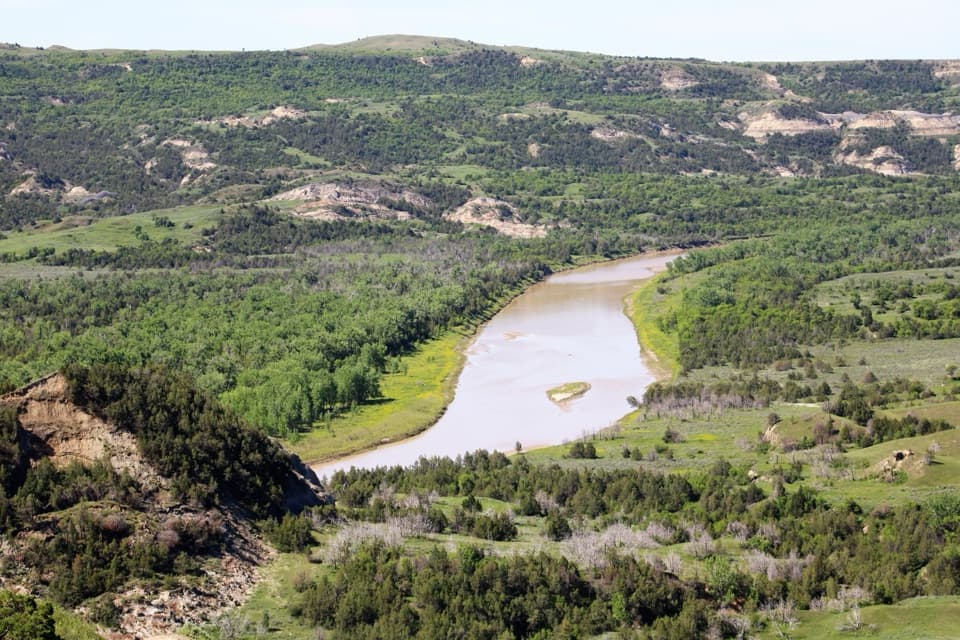
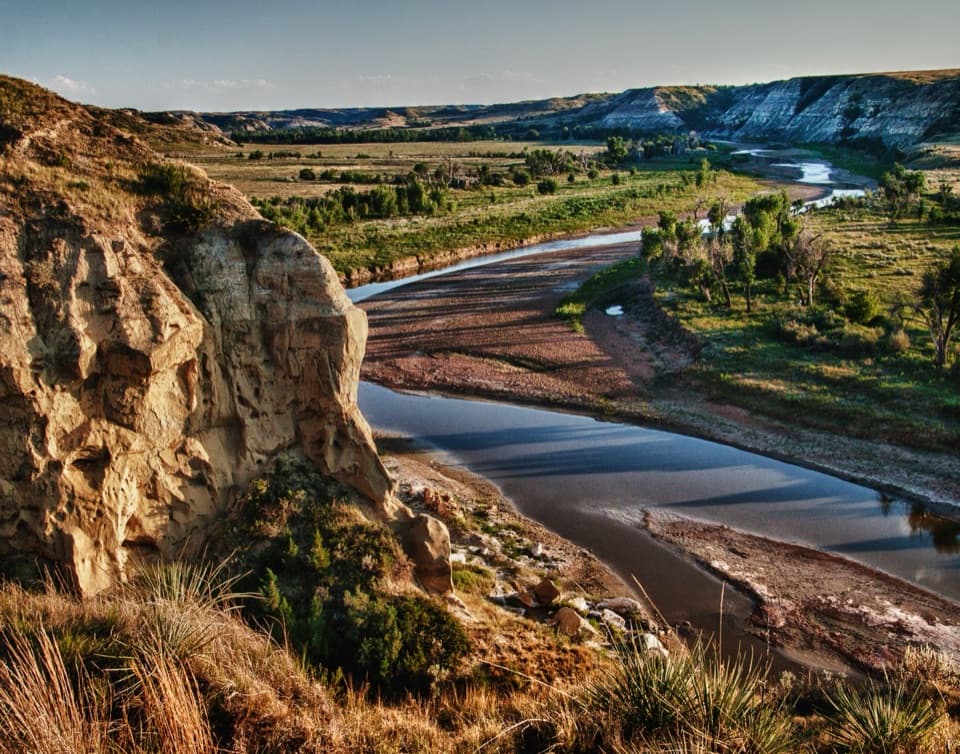
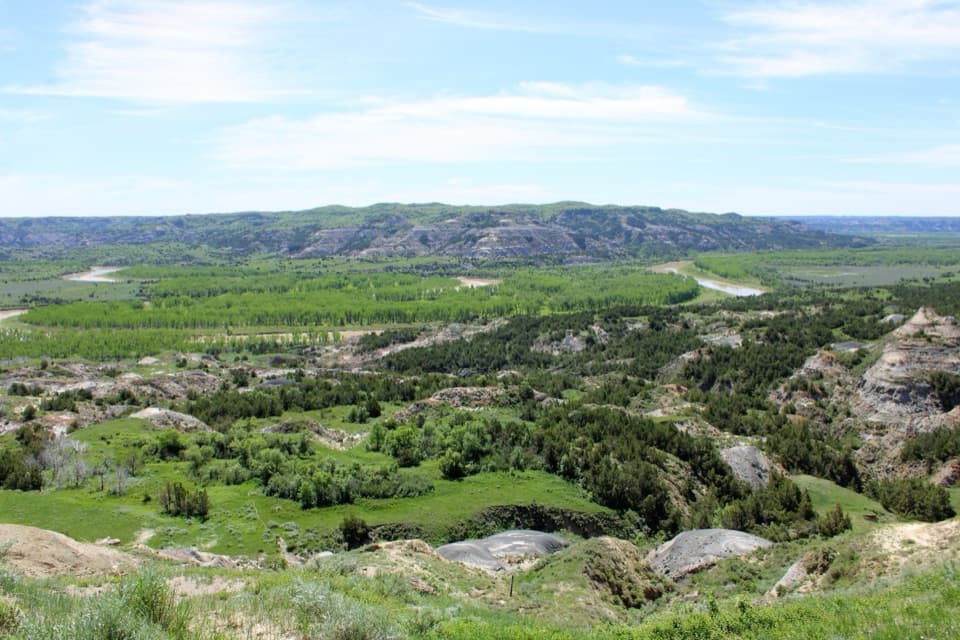
This is the North Unit’s grand finale: a sweeping rim view over the Little Missouri River as it loops into a classic oxbow, framed by rugged badlands and buttes. It’s a quick stroll from the parking lot to multiple viewpoints with interpretive waysides—an easy, high-reward stop that feels calm compared to busier overlooks in other parks.
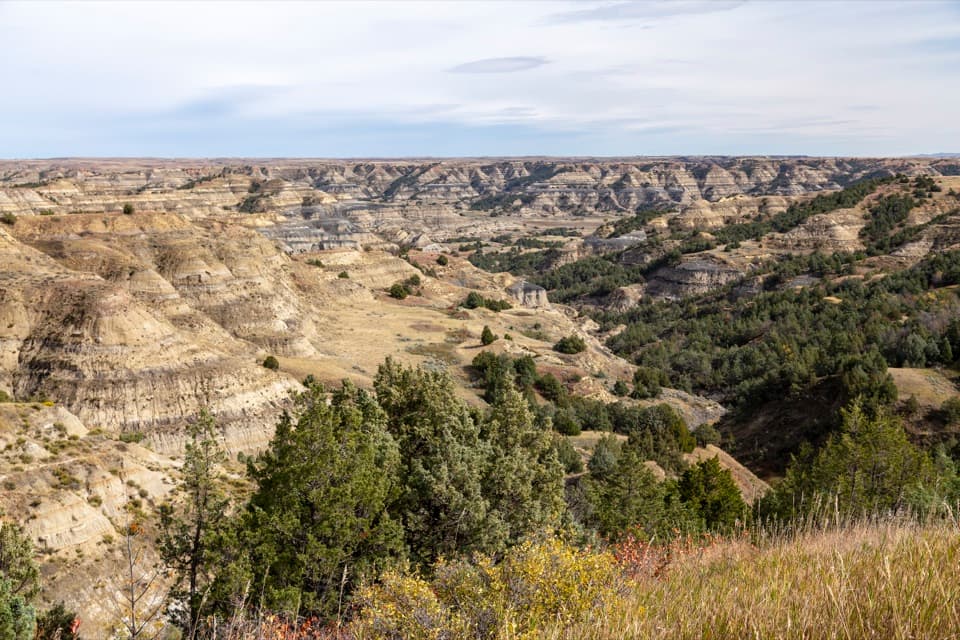
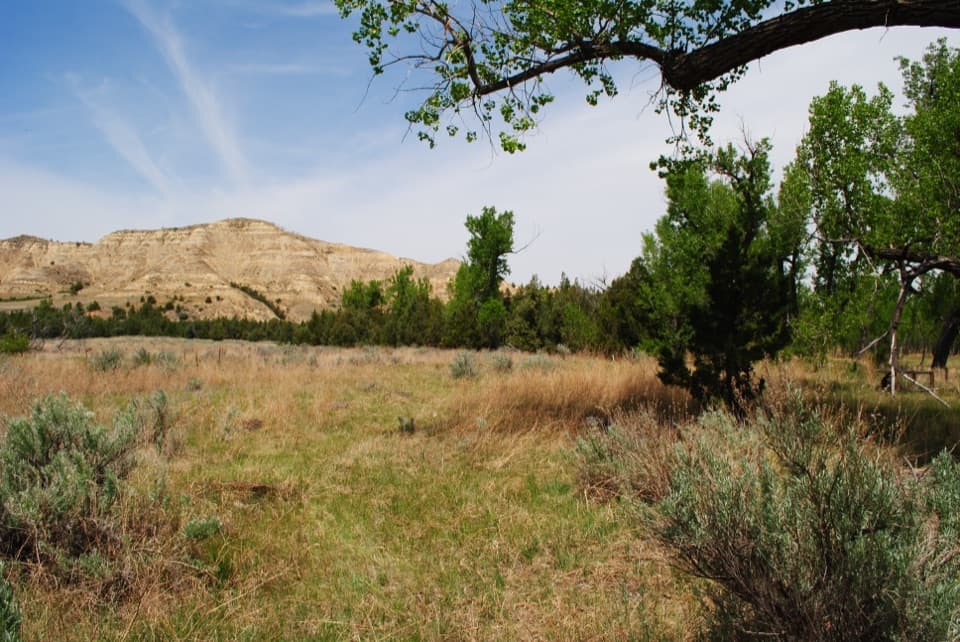
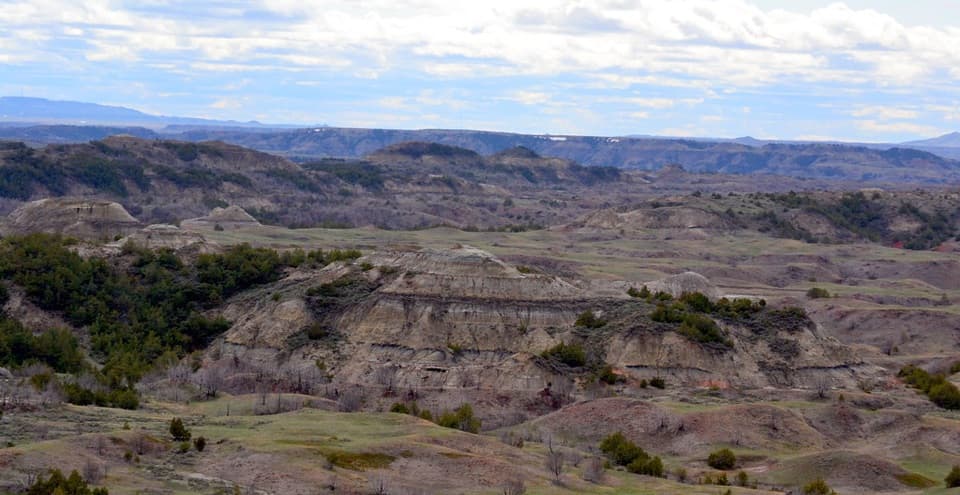
From the rim, the river’s bend is the star. You’re looking across a broad valley of banded slopes and colorful buttes, with the water snaking below. On clear days, the sightlines are huge, and the contrast between green bottoms and rocky ridges really pops at golden hour.
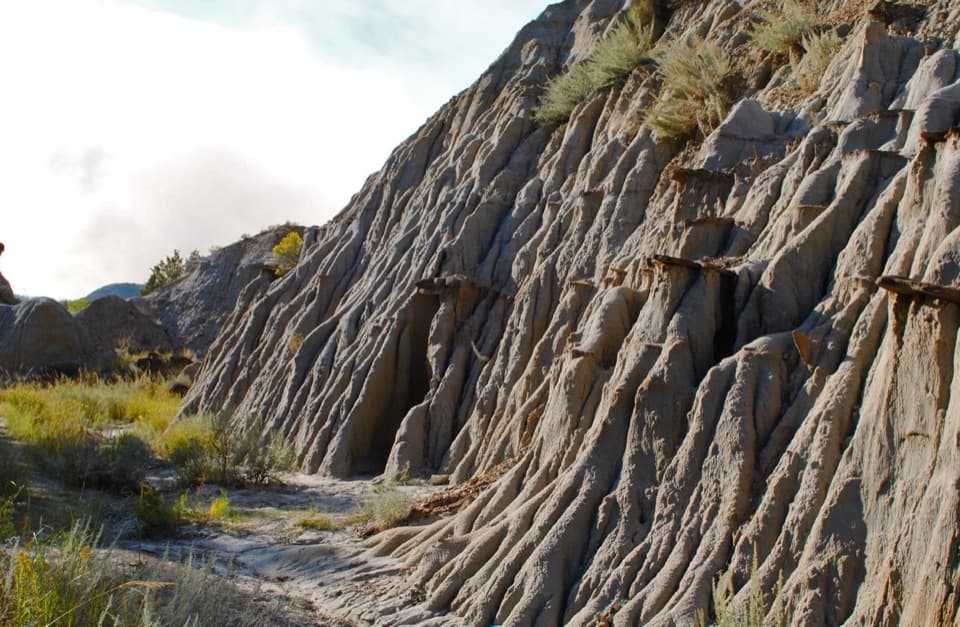
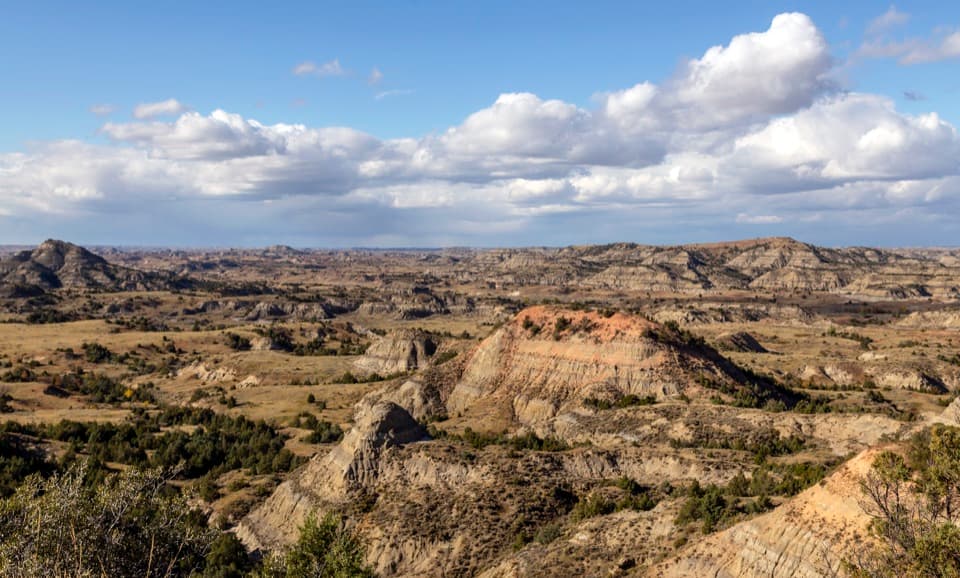
These badlands are carved from soft Paleocene sandstones, siltstones, and mudstones—easy to erode, which is why the terrain looks so sculpted. The red “cap” you’ll spot on butte tops is clinker (locally called scoria), created when ancient coal seams burned and baked the overlying rock. The oxbow itself is a meander in motion; outer banks erode while inner banks build, so the bend you’re admiring is part of an ongoing reshaping. After rains, bentonite clay here turns slick and heavy, fueling fresh slides and slumps that continue to remodel the landscape.
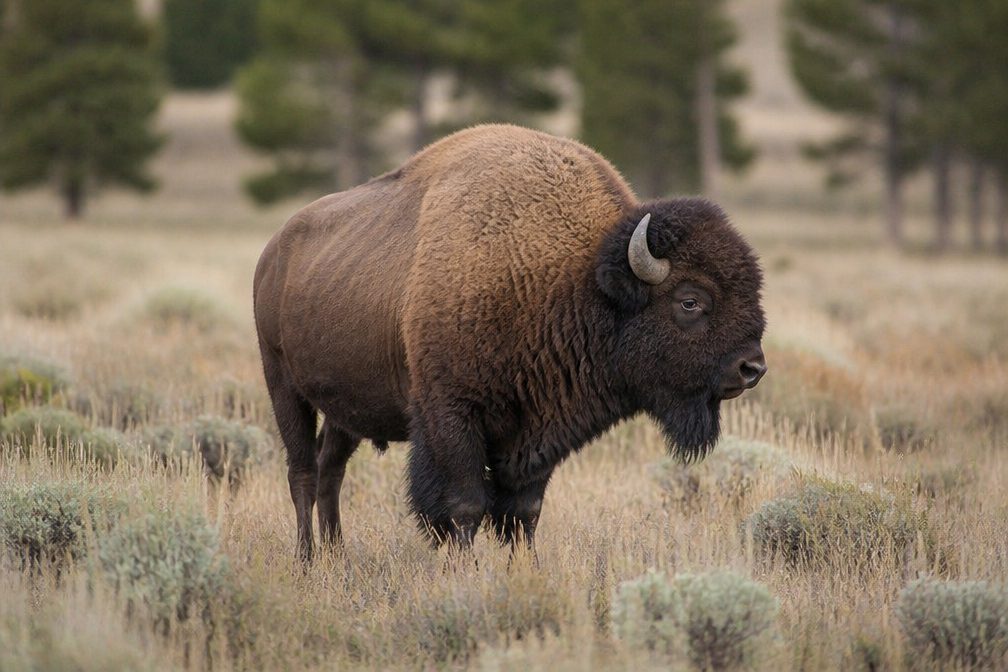
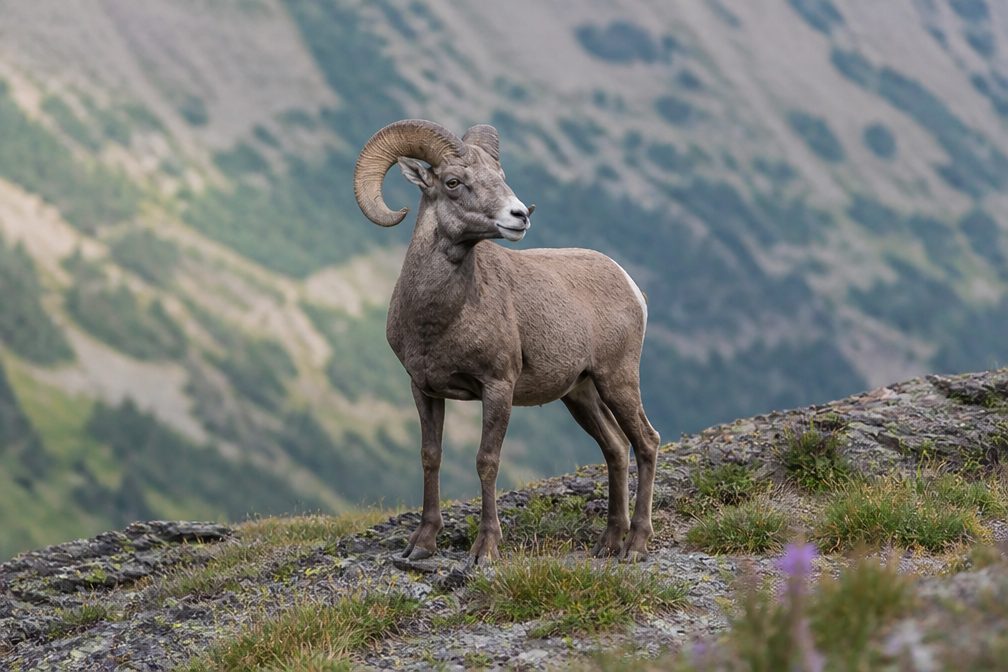
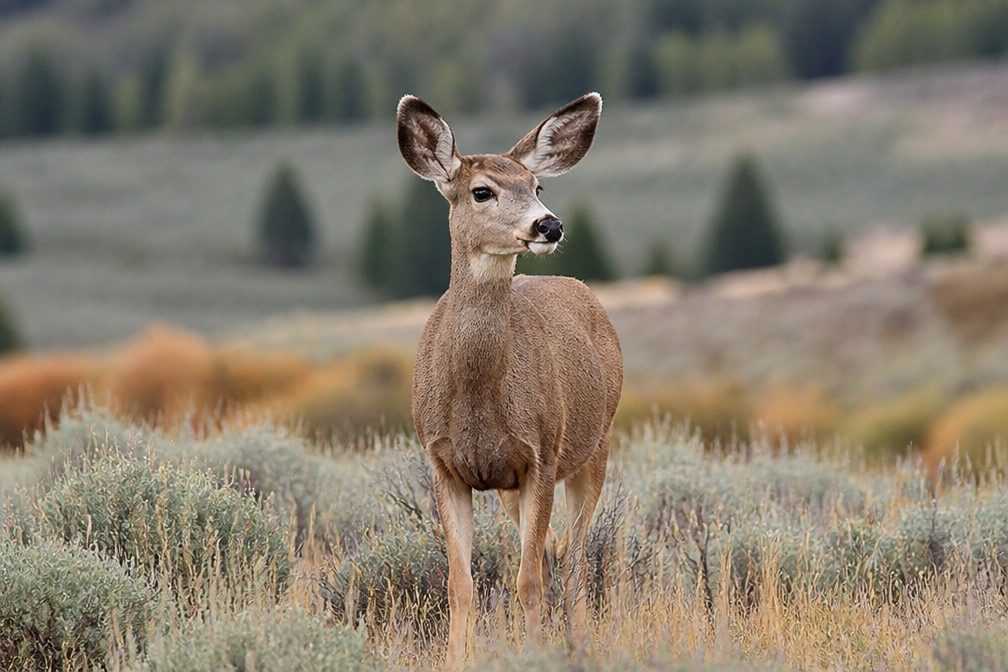
Bison are frequent headliners—sometimes right on the road. Bighorn sheep show up on occasion, and you may catch deer or wild turkey moving through the draws. Dawn and dusk along the river corridor are your best windows for activity. Enjoy the view from a distance and give all animals a wide berth.
You’ll find a sizable parking area, vault/composting toilets, picnic tables, interpretive exhibits, and a trailhead with a hiker register. From here, a short, gently rolling walk leads to Sperati Point for even broader river vistas. More ambitious hikers can connect to longer backcountry routes, but expect steep sections and potentially challenging footing if it’s been wet.
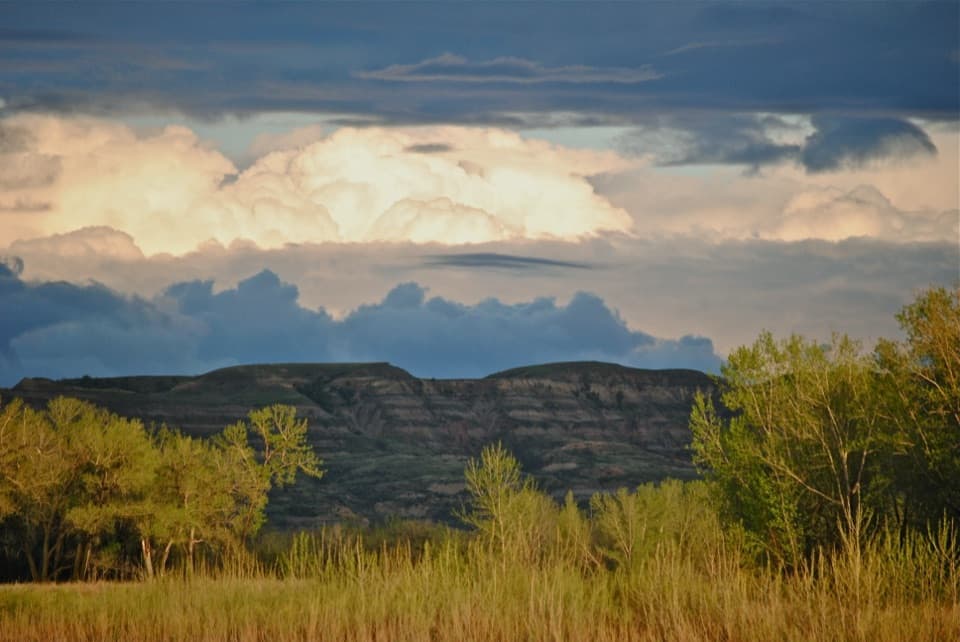
Light makes or breaks this overlook. Aim for sunrise or late afternoon into sunset to bring out the layers and those red clinker caps. Midday, especially on weekends, sees the most activity and the flattest light; weekdays and early mornings are typically quieter. If trails are muddy, hold off—bentonite clay becomes treacherously slick when wet.