River Bend Overlook

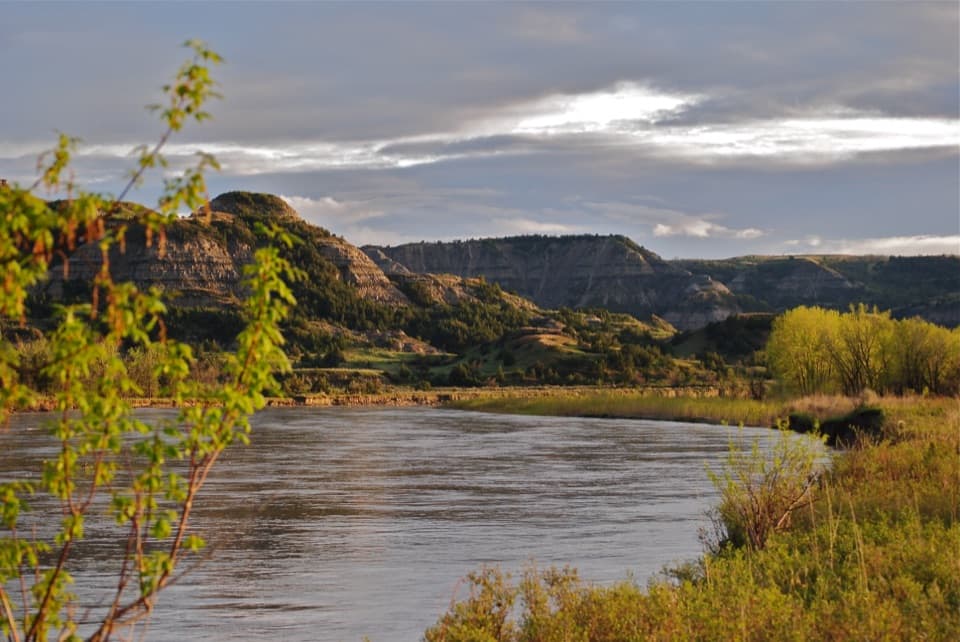
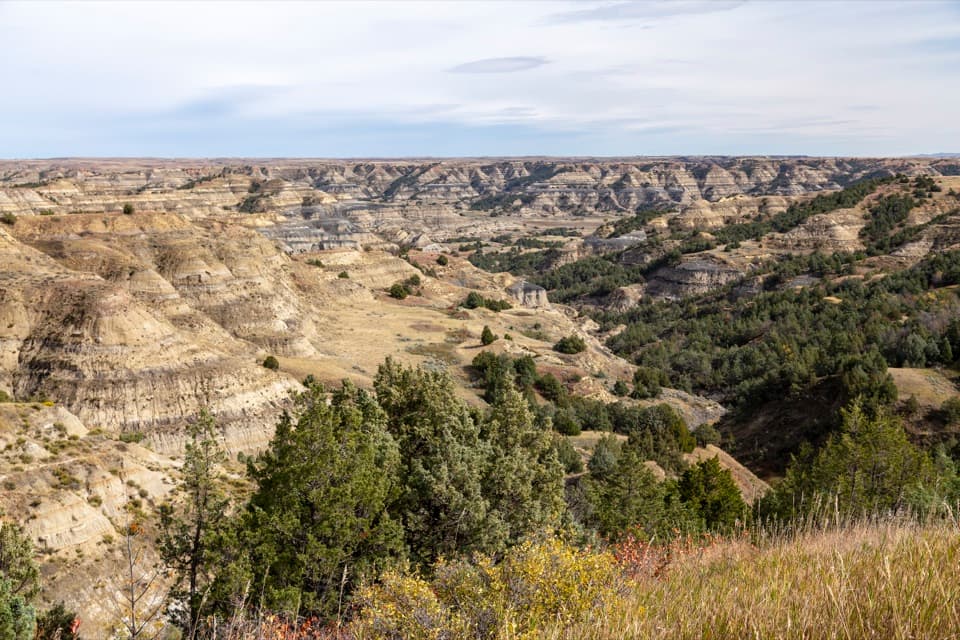
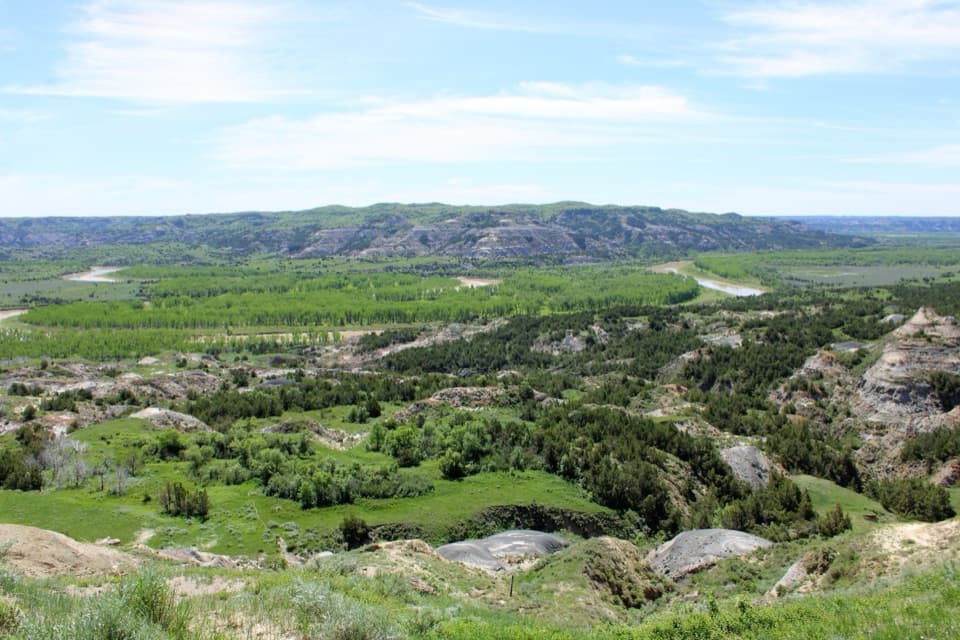
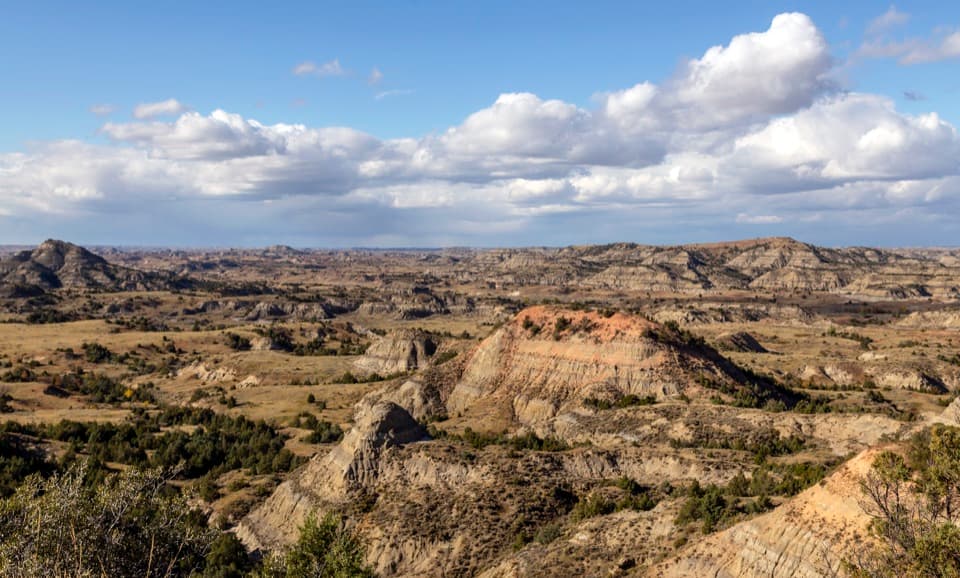
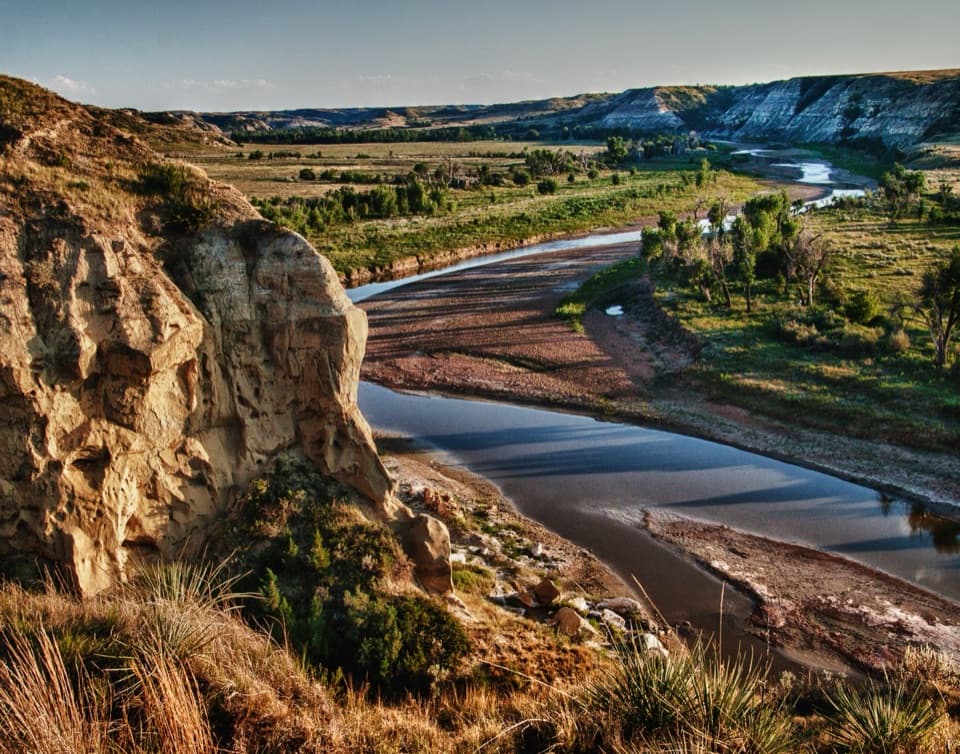
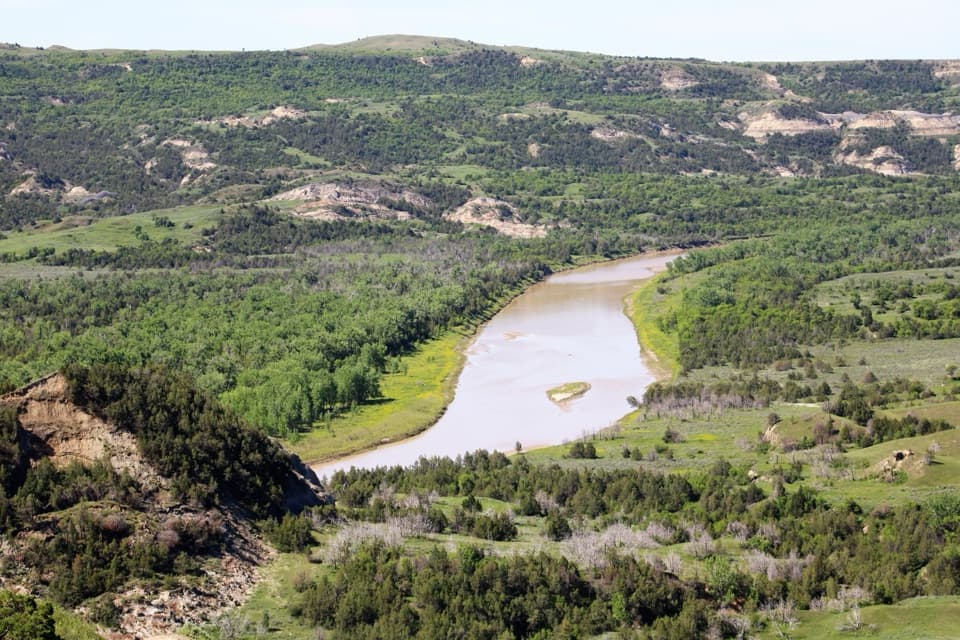
Classic Little Missouri bend framed by a 1930s stone shelter
River Bend Overlook, Theodore Roosevelt National Park
InsideTheodore Roosevelt National Park

Overview

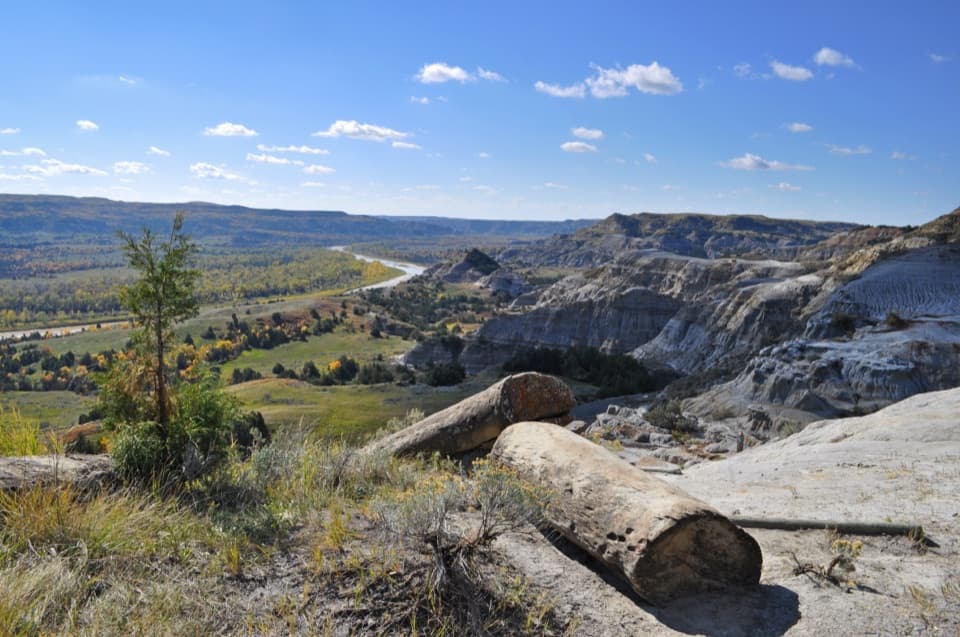
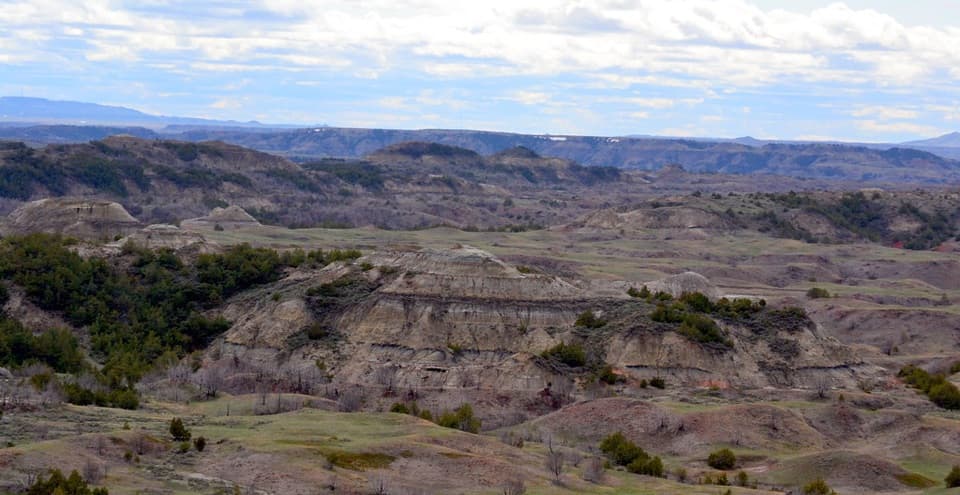
River Bend Overlook is the North Unit’s signature viewpoint, perched above a broad meander of the Little Missouri River. It’s an easy, short walk from the parking area to a deck and the historic stone shelter, and the payoff is instant: layered badlands, a ribbon of river, and big sky. Plan 15–30 minutes if you’re just soaking it in; longer if you’re photographing or hiking nearby.

What You'll See

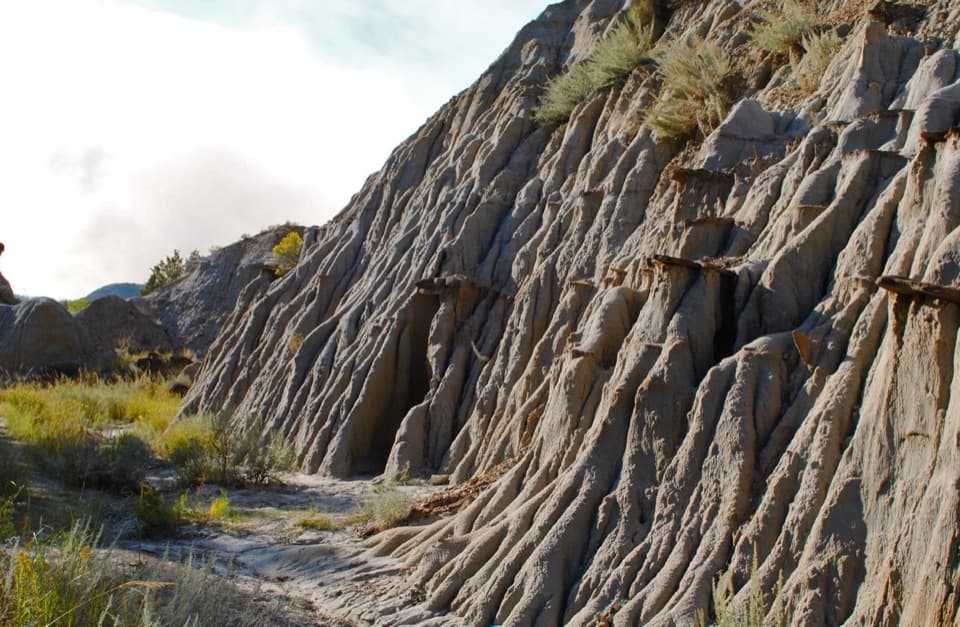
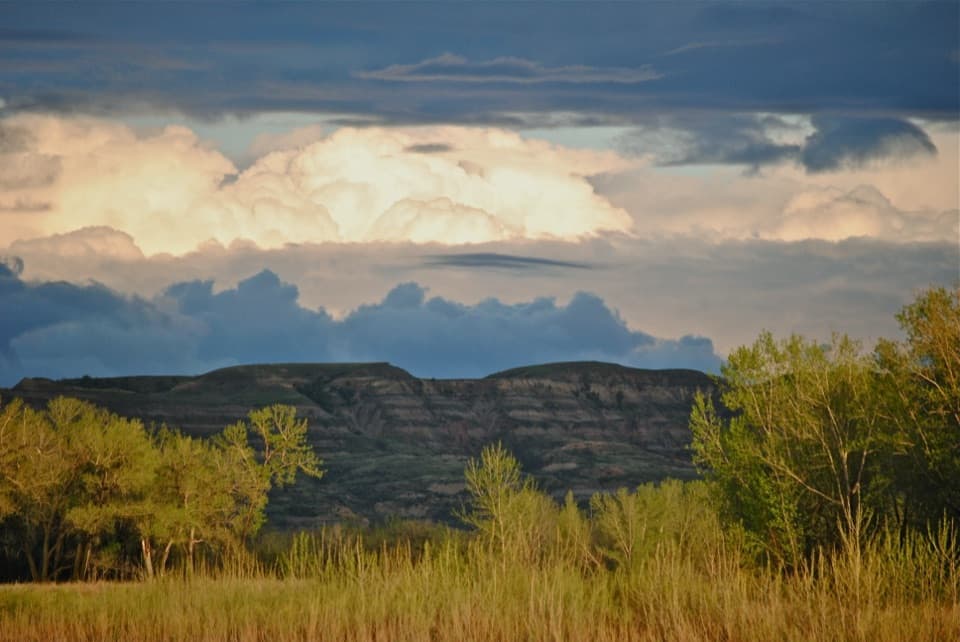
You’re looking across textbook badlands carved by the Little Missouri—multi-banded buttes, soft bentonitic clays, and steep, slumping slopes. From this perch, the river’s floodplain, meanders, and butte profiles line up perfectly for wide-angle shots at sunrise or sunset.

History

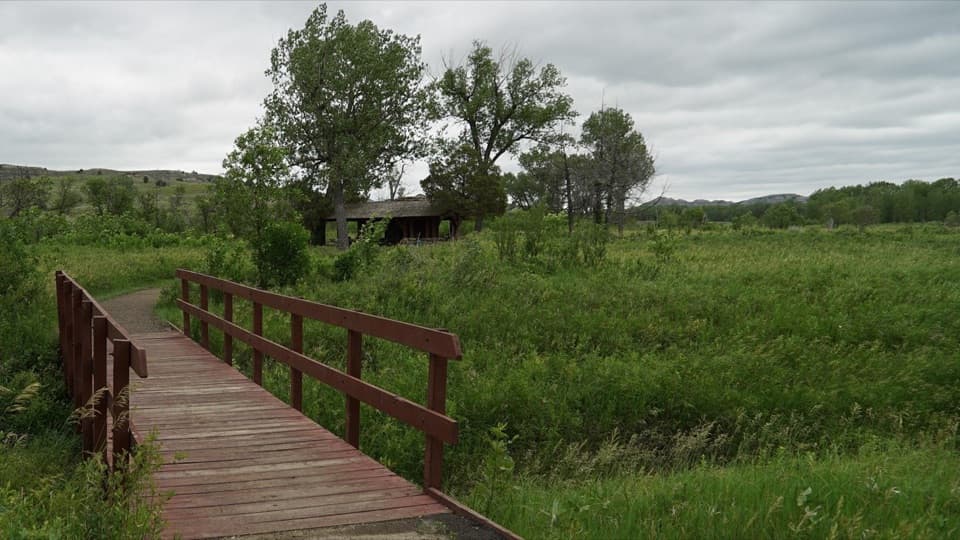
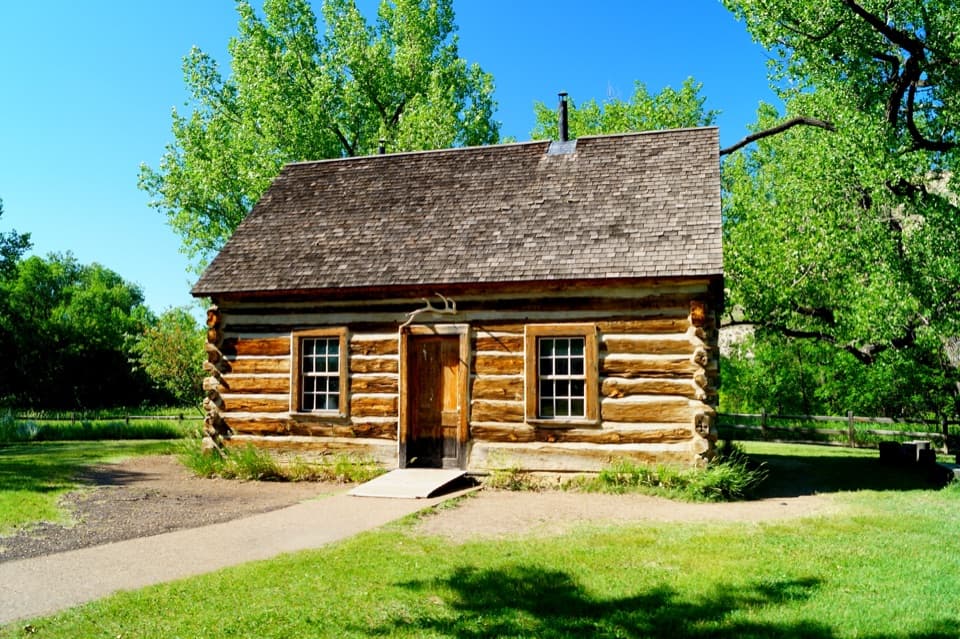
The stone shelter here was built by the Civilian Conservation Corps in the 1930s. It’s sturdy, photogenic, and a fitting frame for the view—one of those rare places where human craftsmanship elevates, rather than distracts from, the landscape.

Geology (in plain English)

These hills are mostly the Paleocene-age Sentinel Butte Formation—layers of mudstone, siltstone, and sandstone laid down by ancient rivers, lakes, and swamps. Later, volcanic ash altered into bentonite clay, which you’ll notice as bluish-gray bands that become slick when wet. Over time, the Little Missouri carved deeply into these soft rocks, creating today’s dramatic relief.

Wildlife

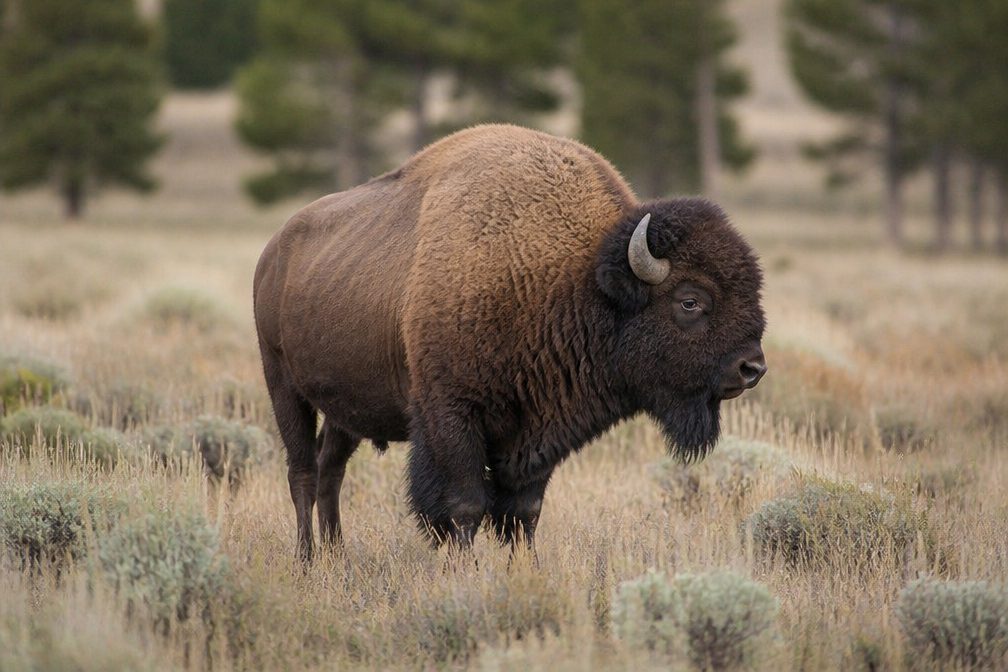
Bison are commonly spotted along the drive to the overlook; give them plenty of space if they wander onto the road. Lucky visitors also report bighorn sheep in the area. Dawn and dusk are your best windows for wildlife activity.

Logistics & Nearby

River Bend Overlook sits along the North Unit Scenic Drive, roughly between mile markers 8 and 9 on the 28-mile round-trip road. You can also fold this stop into a longer outing via the Caprock Coulee Trail.

  • No water or services here; restrooms are available at Juniper Campground near the start of the drive.
  • The path to the lower stone shelter includes stairs and the return is uphill.
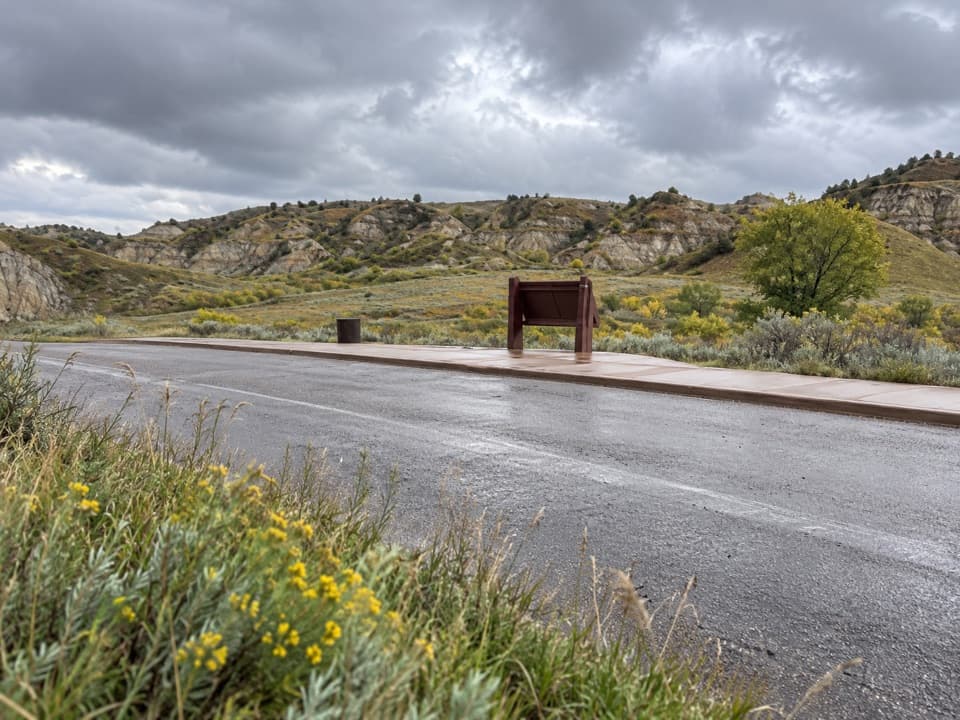
  • Bentonite turns slick after rain—watch your footing near edges.

Best Time to Visit

  • Light: Sunrise and sunset bring out the banding and contours of the buttes and the river’s S-curve.
  • Crowds: Expect the heaviest traffic from late morning through midafternoon, especially on weekends. Early morning or late day is typically much quieter.
  • Hours: The overlook area is accessible at all hours when the scenic drive is open, making golden hour visits easy.

Pros

  • Classic panoramic view of the Little Missouri’s sweeping bend
  • Handsome 1930s CCC stone shelter adds history and framing for photos
  • Quick stop with a short walk from the parking area

Cons

  • No restrooms on-site
  • Crowded late morning to midafternoon, especially on weekends

Tips

  • Aim for sunrise or sunset for the best light and fewer people.
  • Use the restrooms at Juniper Campground before driving up.
  • After rain, bentonite clay gets extremely slick—mind your footing.
  • Plan 15–30 minutes here, longer if pairing with Caprock Coulee Trail.
  • Give bison ample space if they’re on or near the road.
The Parkwolf tour guide sitting on a phone mounted in a car

Parkwolf Tour Guide

Like a tour guide in your car.

Save the places you found around Theodore Roosevelt, then let Parkwolf guide the drive between them.Download Parkwolf on the App Store