Place · 0 mi away

Hljóðaklettar—literally “Echo Rocks”—is where volcanic architecture turns theatrical. Tucked inside the Jökulsárgljúfur canyon between Dettifoss and Ásbyrgi, you wander among twisted basalt rosettes, arches, and alcoves that play with sound. It’s a compact area with big personality, and one of the most memorable geology stops in the north.
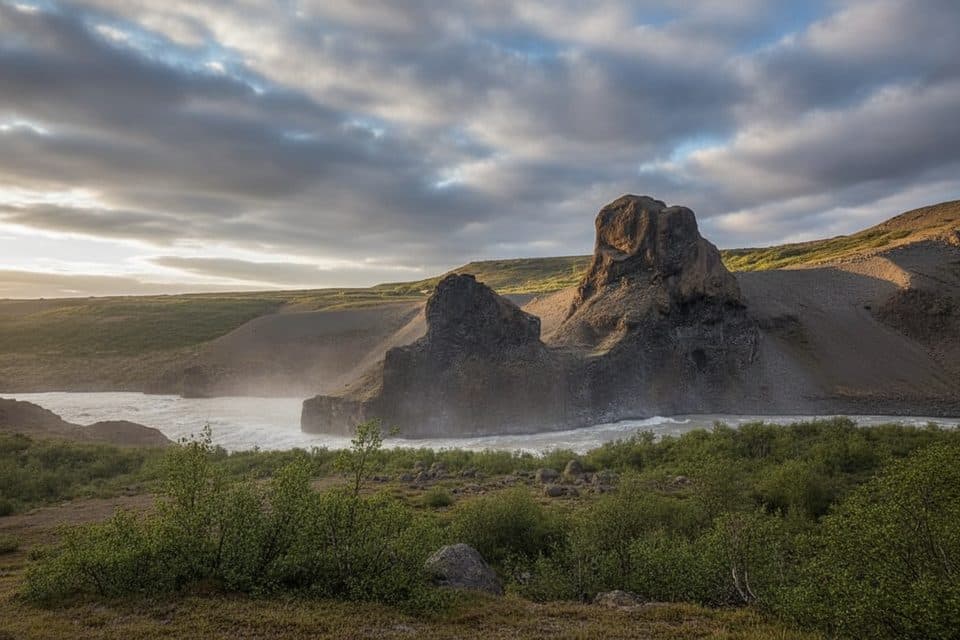
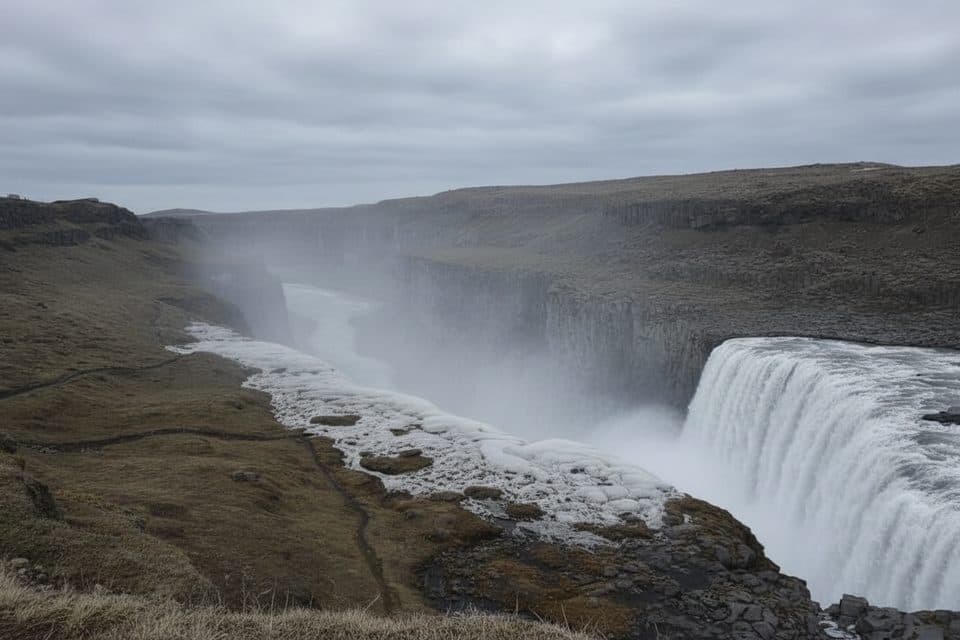
These formations are the remnants of a 6 km row of craters that erupted roughly 8–9 thousand years ago. The powerful Jökulsá á Fjöllum river later gnawed away the softer material, revealing columnar basalt bent into rosette patterns, honeycomb weathering, caves, and “plugs.” Signature spots include Kirkjan (the “church”), Tröllkarlinn (the “giant troll”), and the cliffs nicknamed Karl og Kerling (“geezer and crone”). The sheltered alcoves create the famous acoustics—clap or call softly and you’ll hear it bounce.
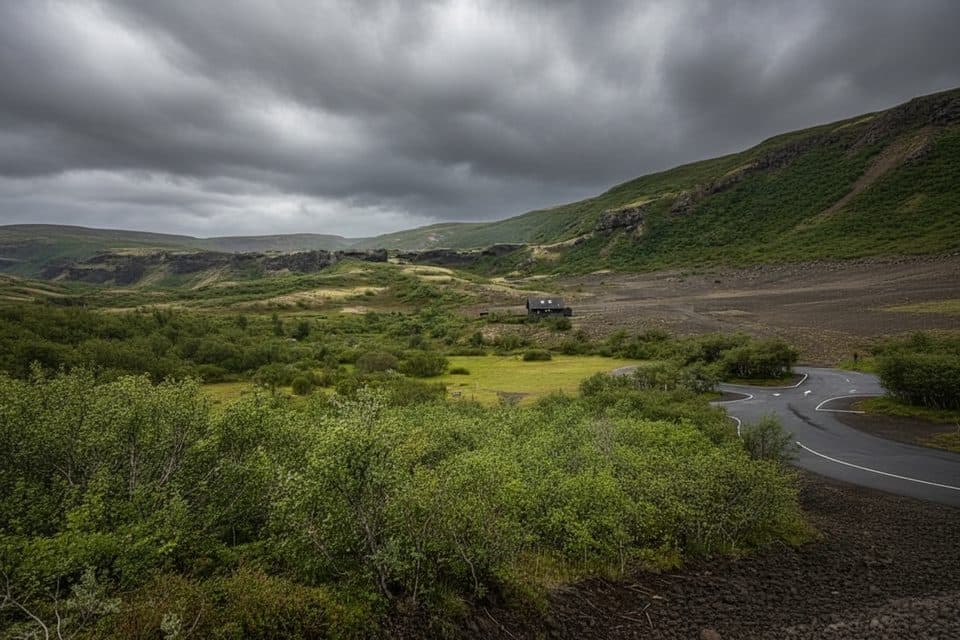
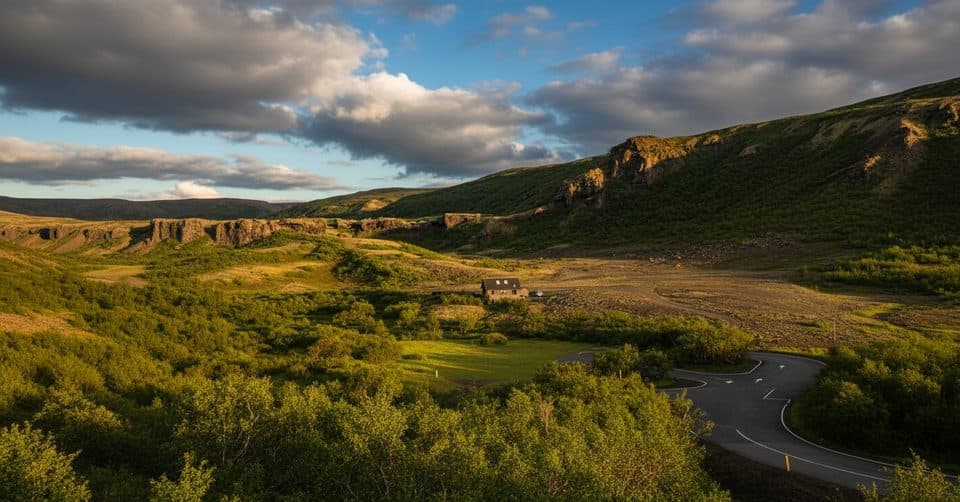
From the Hljóðaklettar/Vesturdalur parking area, signed paths loop through the rock gardens and up to canyon viewpoints. Short circuits (like the Hljóðaklettar loops) highlight the rosettes, caves, and echoing cliffs; longer options reach Rauðhólar (the red hills), Karl og Kerling, and beyond. Surfaces are volcanic gravel and rock, sometimes slick when wet, with bits of light scrambling—nothing technical but watch your footing.
This corner of the park is primarily a late spring–to–early autumn destination. Roads and trails can close for snow, thaw damage, heavy rain, or rockfall. Park authorities occasionally reroute or close sections (recently near Dettifoss), so check current conditions at a visitor centre before you go. Even when roads are open, short-notice closures can happen; heed all signs and barriers.

Cliffs and river terraces host plenty of birdlife in summer. Keep a respectful distance from nests, stay on marked paths to protect fragile vegetation, and keep noise low during nesting season—save the echo experiments for sheltered alcoves away from wildlife.
You’ll find parking at Hljóðaklettar (generally free unless signage says otherwise) and clear trail markers. Full services cluster elsewhere in the Jökulsárgljúfur area: toilets at major destinations, a campsite at Vesturdalur, and the Gljúfrastofa visitor centre at Ásbyrgi for trail info and updates. Expect limited or no facilities right at the trailhead.
If conditions allow, link Hljóðaklettar with Dettifoss/Selfoss and Ásbyrgi for a full Jökulsárgljúfur day. Longer thru-hikers can tie into the multi-day Canyon Trail between Ásbyrgi and Dettifoss, overnighting only at designated campsites.
Late spring through early autumn offers the most reliable access and long daylight. In peak summer, arrive early or later in the evening for calmer trails and softer light on the columns. Wind is common along the canyon rim—layers and rain protection make the difference between gritting your teeth and grinning all day.
Edges can be unstable—keep back from canyon rims. Volcanic terrain gets slick when wet or icy. Follow signed routes; closures aren’t suggestions here, they’re there for your safety and to protect the site.