Kirkjan (Hljóðaklettar)

Domed basalt church with eerie echoes on Hljodaklettar loops
Kirkjan (Hljóðaklettar), Vatnajökull National Park
InsideVatnajökull National Park

Overview

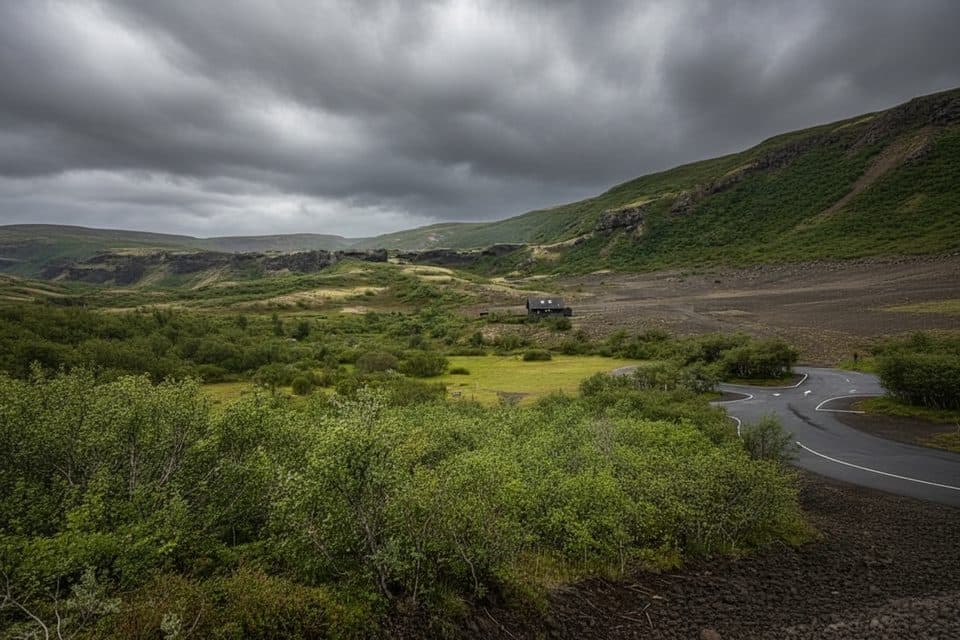
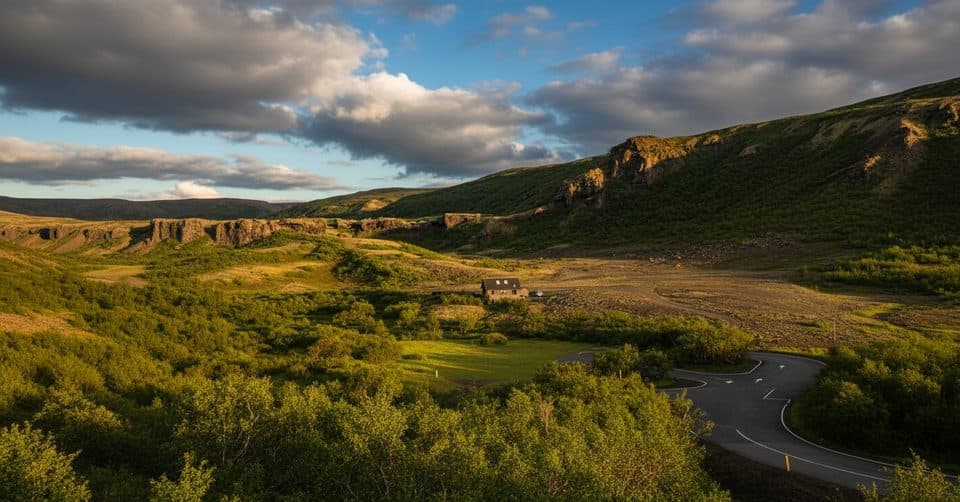
Kirkjan, the Church, is a domed basalt cave tucked into the Hljóðaklettar (Echo Rocks) cluster in Jökulsárgljúfur. It’s a short hike from the signed Hljóðaklettar car park in Vesturdalur, about 15 km south of Ásbyrgi, reached by a paved road. Expect an intimate, chapel‑like space of twisting columnar basalt and striking acoustics—exactly why this area earned its name.

Geology & Why It’s Special

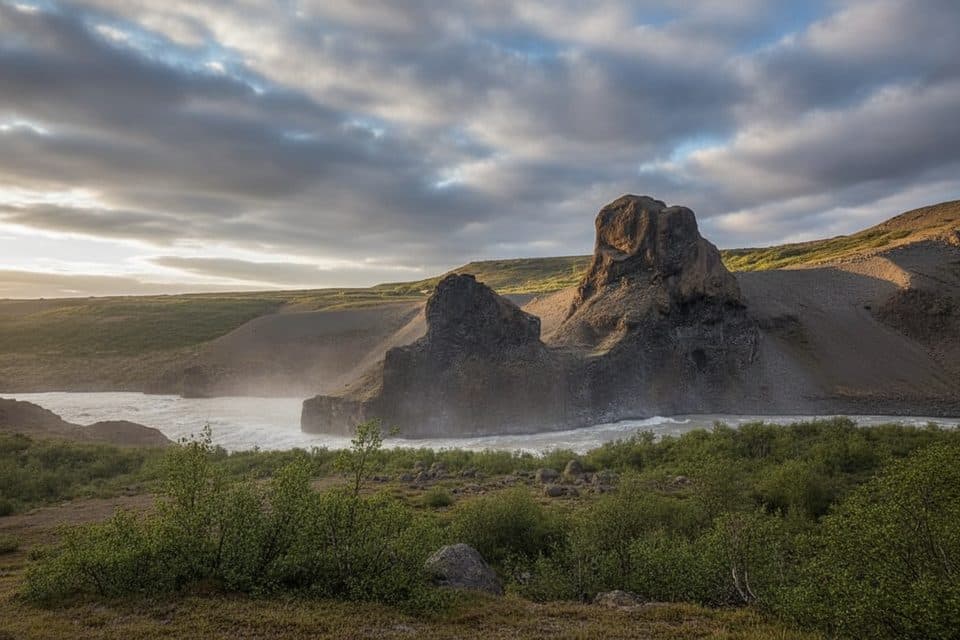
Hljóðaklettar and nearby Rauðhólar formed along a roughly 6 km row of craters that erupted about 8–9,000 years ago. Catastrophic floods from the Jökulsá á Fjöllum later scoured away the loose cones, revealing the “plumbing” of the volcanoes—plugs, dikes, caves, and basalt columns that fan, twist, and radiate in unusual directions. Kirkjan showcases these multi‑oriented columns and the area’s famed echoes and honeycomb weathering. It’s a rare, inside‑out look at a volcano.

How to See It

From the Hljóðaklettar car park, follow the short, marked loops. The V3 Hljóðaklettar Circle is the most straightforward way to include Kirkjan and other caves; the V2 route toward Tröllið emphasizes the best echo spots by the river. You’ll also pass folk‑named formations such as Tröllkarlinn and Karl og Kerling. Trails are well maintained, but expect some rugged patches—stay on the marked paths to protect fragile ground.

What It Feels Like

The area feels otherworldly: dark, intricately patterned rock set against river roar and broad canyon views. The acoustics are part of the fun—speak softly near alcoves and you’ll hear why the rocks are called “sounding.” Further along the canyon, the red tones of Rauðhólar contrast beautifully with the black lavas.

Nature Notes

Vesturdalur isn’t just rock: ponds around Eyjan attract birdlife and make for a peaceful evening stroll, a gentler counterpoint to the raw basalt around Kirkjan.

Practicalities

Facilities at the trailhead are limited. Camping is allowed only at designated park campsites (Vesturdalur and Dettifoss) if you’re linking longer hikes like the Ásbyrgi–Dettifoss Canyon Trail. Wear grippy footwear—the polished basalt and canyon edges can be slick—and give the powerful Jökulsá á Fjöllum a wide berth. Seasonal or temporary closures can affect roads or specific lots and trails; check conditions before you go.

Best Time to Visit

For photos, aim for morning or late‑day light, which brings out the texture of the columns; overcast days also work well. Midday tends to be busier, while early morning and later afternoon are quieter and better for lingering at echo points.


Pros

  • Cathedral-like basalt cave with eerie acoustics
  • Well-marked loops from the Hljóðaklettar car park make it easy to find

Cons

  • Limited services at the trailhead; plan toilet stops elsewhere
  • Polished basalt and canyon edges can be slick and hazardous

Tips

  • From the Hljóðaklettar car park, take the V3 circle to include Kirkjan; use V2 for the best echo spots by the river.
  • Wear sturdy shoes—basalt can be slick—and keep well back from canyon edges and the Jökulsá river.
  • Shoot in early or late light; overcast days also bring out the column textures.
  • Facilities are limited here; plan restroom stops at nearby hubs and bring water.
  • Check road and trail status before you go; occasional closures can change the starting point.
The Parkwolf tour guide sitting on a phone mounted in a car

Parkwolf Tour Guide

Like a tour guide in your car.

Save the places you found around Vatnajökull, then let Parkwolf guide the drive between them.Download Parkwolf on the App Store