Tjarnargígur

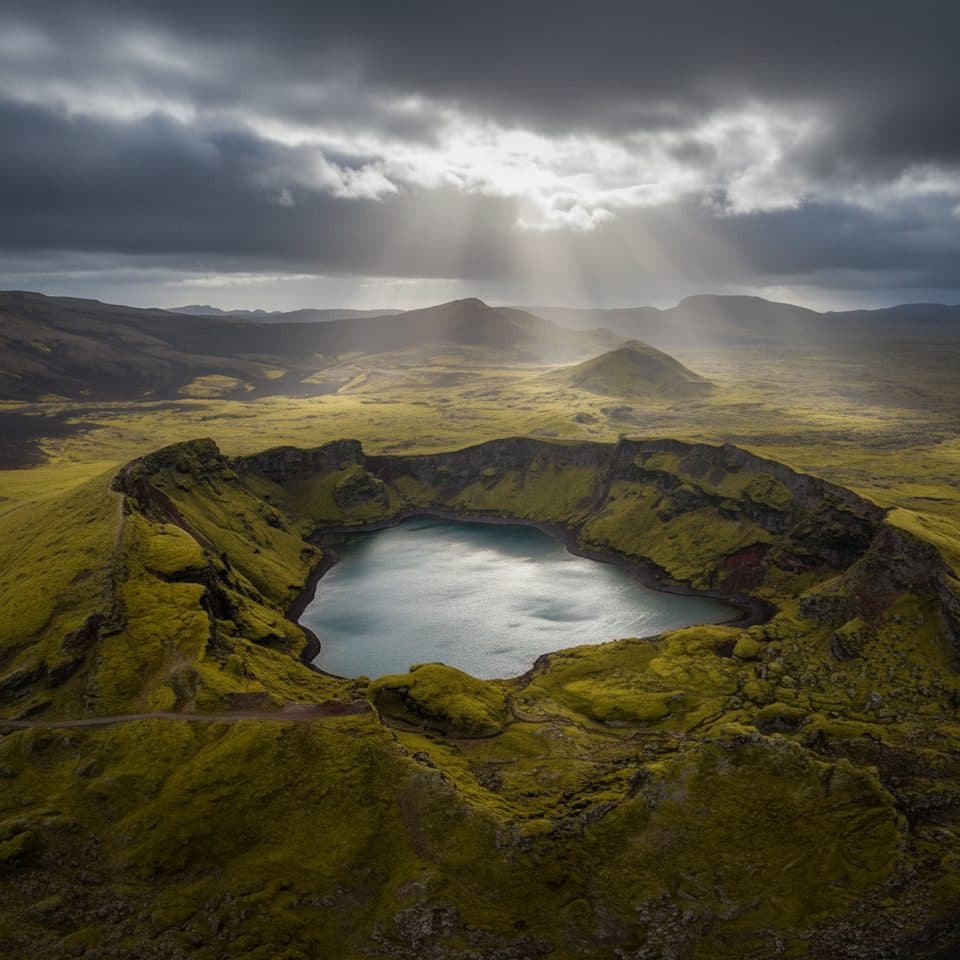
Quiet blue crater lake in the Laki lava fields
Tjarnargígur, Vatnajökull National Park
InsideVatnajökull National Park

Overview

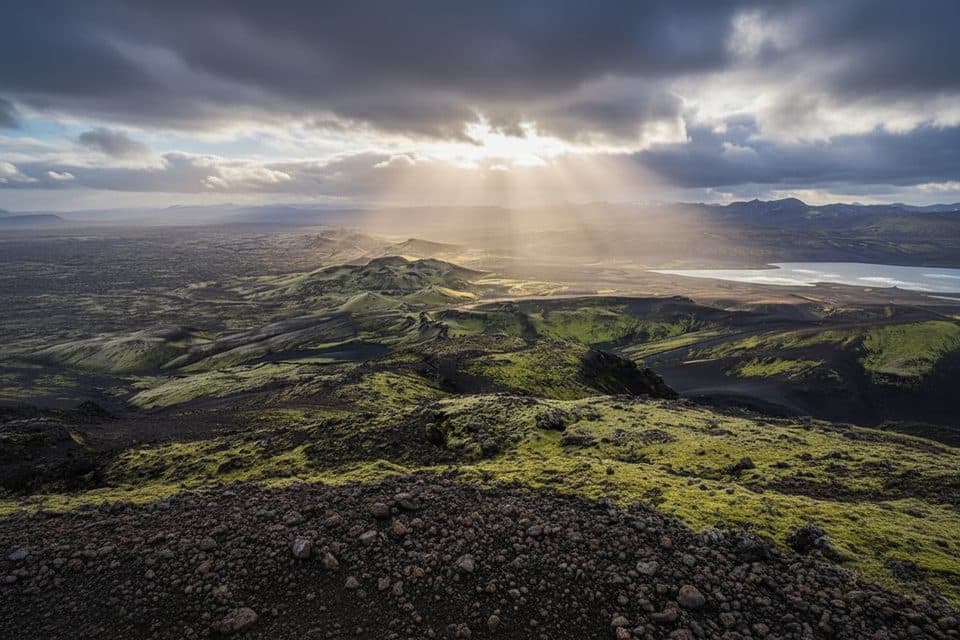
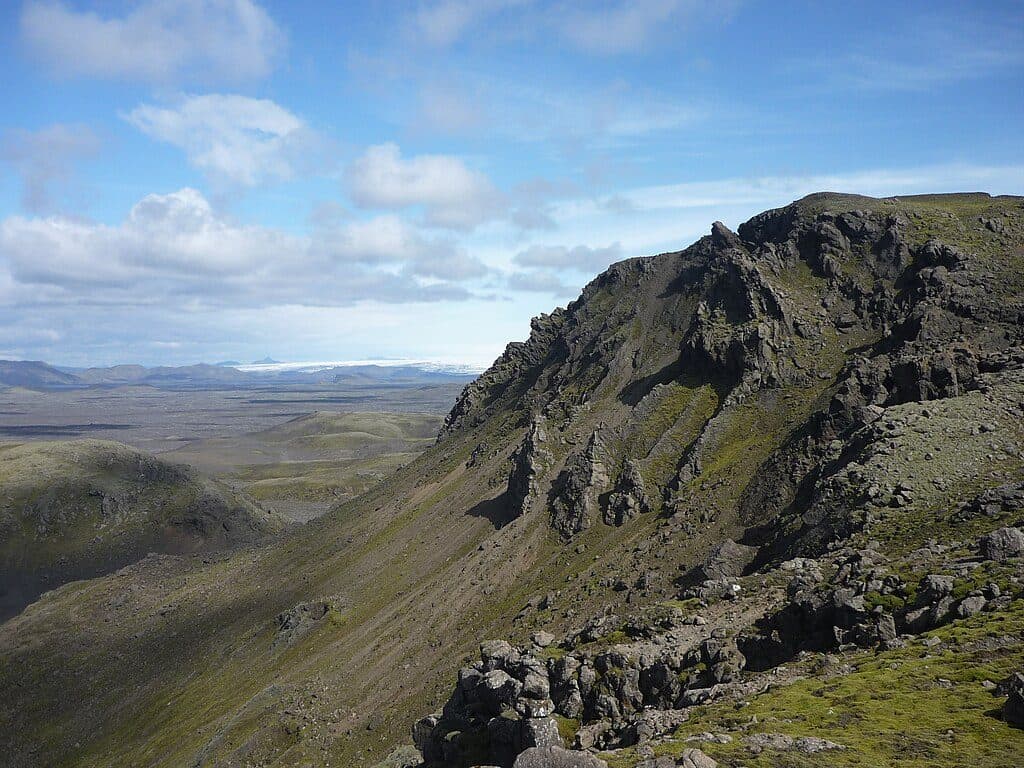
Tjarnargígur is a small, serene crater lake tucked into the Lakagígar (Laki) area. Think tranquil blue water cupped by rugged volcanic slopes, with a surprisingly gentle approach. It’s a quiet counterpoint to the park’s headline spots, and a lovely place to linger if you’ve made the journey. The wider park is a UNESCO World Heritage Site, celebrated for its constant push‑pull between volcanic fire and glacial ice.

Getting There & Access

Most travelers reach the area via the South Coast and Kirkjubæjarklaustur, then continue on summer‑only Highland tracks. You’ll want a capable, high‑clearance 4x4; river crossings and rough terrain are part of the deal. Check current road, river, and weather conditions with the Skaftárstofa visitor centre before setting out, and plan a full day. From the car park, expect a brief walk (about five minutes) to the rim and viewpoints, with an easy path continuing along the Eldborgafarvegur lava channel through a vegetated crater field.

What You’ll See

  • A calm, blue crater lake framed by lava and moss—photogenic in all conditions.
  • Short rim walks and natural viewpoints ideal for simple compositions and wide‑angle shots.
  • A glimpse of Laki’s fissure‑eruption landscape, with an easy path tracing a curving lava channel.

Geology in a Nutshell

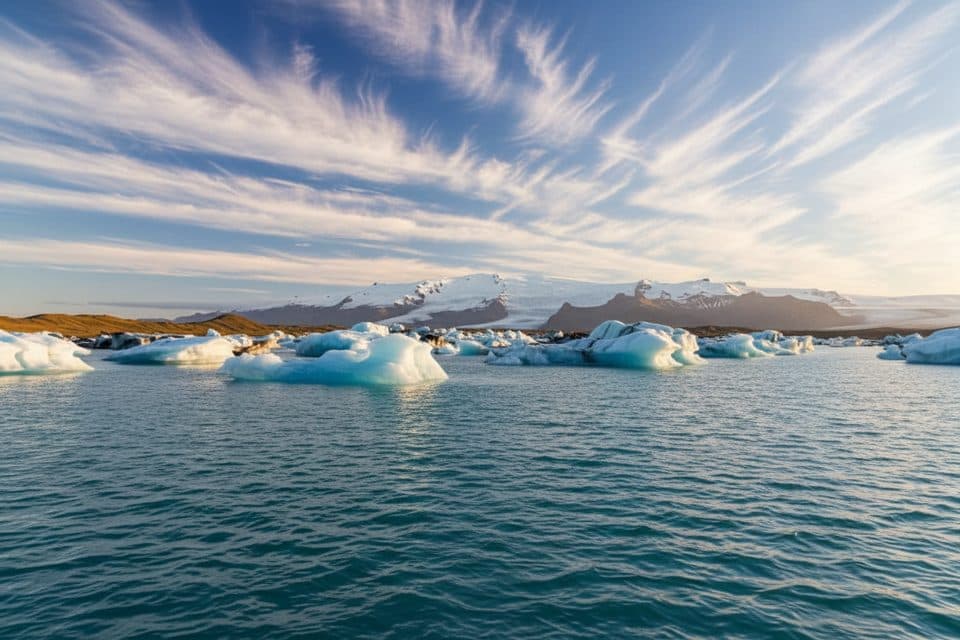
Vatnajökull sits on a diverging plate boundary and over a mantle hotspot, so landscapes here are always on the move—built by eruptions, sculpted by ice, and reworked by floods and wind. Tjarnargígur is one of the Laki‑area craters, a neat example of that “fire and ice” story told at an intimate scale.

Nature & Wildlife

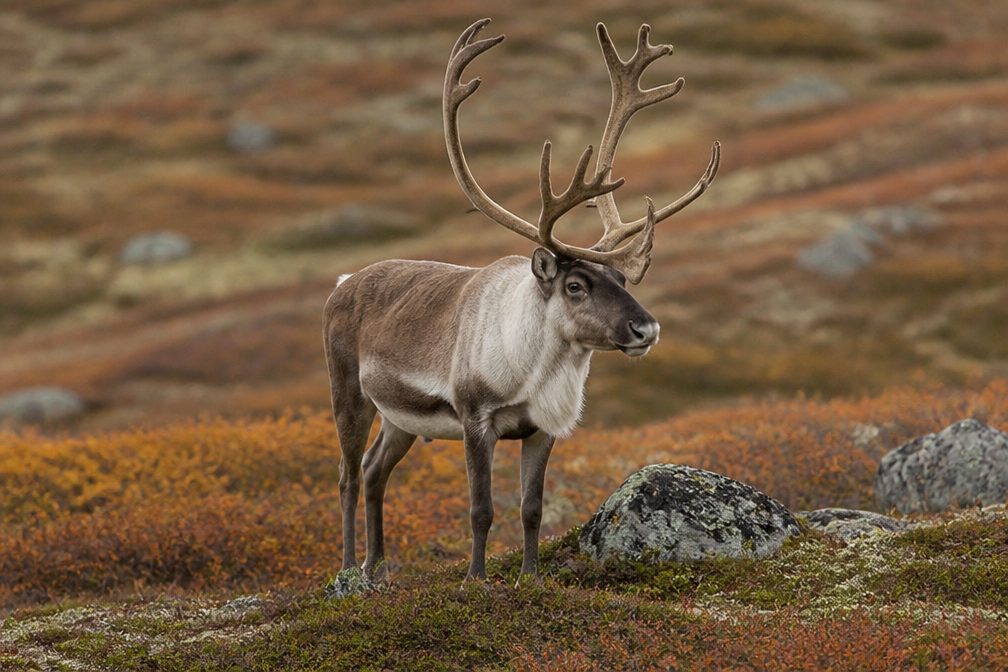
This is high, harsh country with short summers. Wildlife is sparse compared to the coast, but bird activity picks up in summer. Give nesting birds space, stick to marked paths, and respect the fragile moss; damage here can take decades to heal.

Practicalities

There are no services at the crater itself—pack water, food, and extra layers. Facilities in this Highlands pocket are limited. Parking exists at the site; elsewhere in the park, parking fees commonly support basic infrastructure, so always read local signage for current rules and payment methods.

Best Time to Visit

Summer is the window: that’s when the Highland roads typically open and conditions stabilize. Aim for early morning or late afternoon for softer light on the water and fewer visitors. Outside summer, access is often closed by snow and weather—plan flexibly and always verify conditions before committing.


Pros

  • Short, easy walk from parking to the crater rim
  • Photogenic blue crater lake in the Laki lava fields

Cons

  • Remote Highland location; true 4x4 required with possible river fords
  • Very limited services; bring your own water and food

Tips

  • Confirm Highland road and river status with Skaftárstofa before you go.
  • Use a high‑clearance 4x4 and start with a full tank, food, and water.
  • Plan a full day; the drive can take 2–4 hours each way with photo stops.
  • Stay on marked tracks to protect fragile moss and lava.
  • Bring waterproof boots and layers—weather shifts fast even in summer.
The Parkwolf tour guide sitting on a phone mounted in a car

Parkwolf Tour Guide

Like a tour guide in your car.

Save the places you found around Vatnajökull, then let Parkwolf guide the drive between them.Download Parkwolf on the App Store