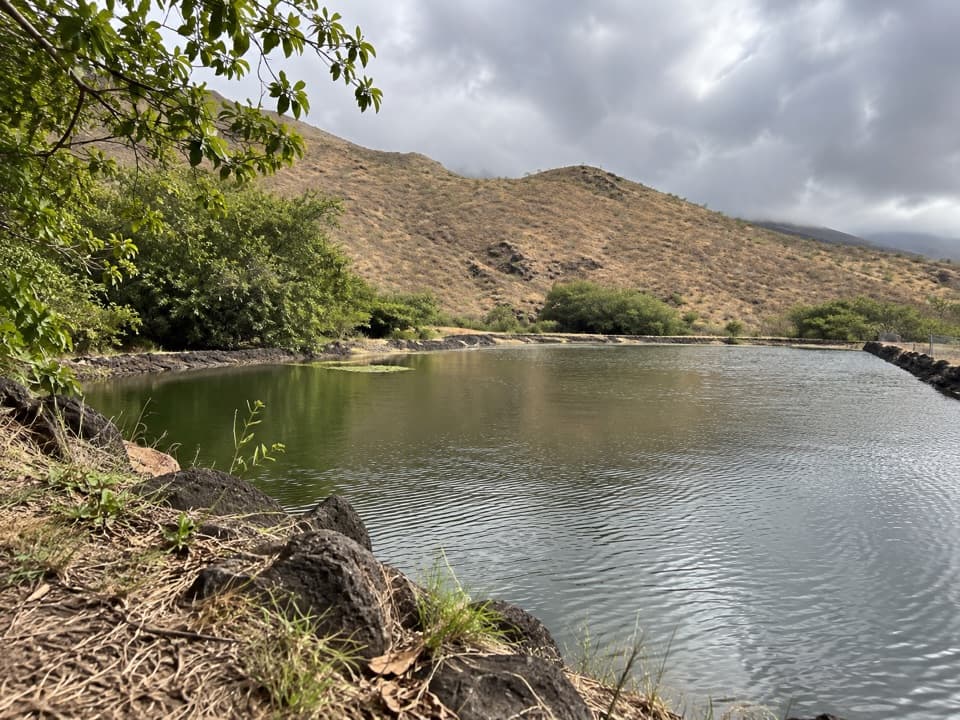
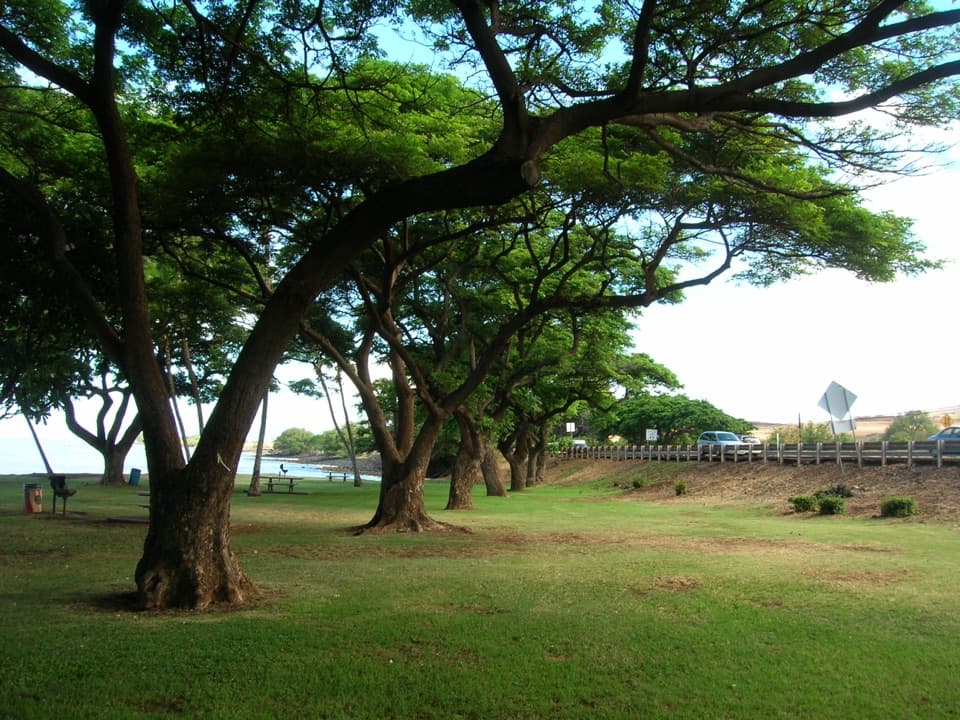
Lahaina’s historical name includes Malu ʻulu ʻo Lele, translated as “the shaded breadfruit grove of Lele.” That name speaks to a much older Hawaiian landscape; it doesn’t mean this 1873 banyan is part of the original grove. Nearby Mokuʻula and its spring-fed fishpond were tied to Hawaiʻi’s aliʻi, and breadfruit groves fed generations.
Smith’s story has a harder side: he later played a role in the overthrow of the Hawaiian Kingdom. The tree’s planting belongs to that later period of Lahaina’s history, set among places with much older Native Hawaiian roots.