Nakalele Blowhole

Explosive sea geyser amid rugged lava on Maui’s northwestern tip
Nakalele Blowhole, West Maui Scenic Drive
InsideWest Maui Scenic Drive

Overview

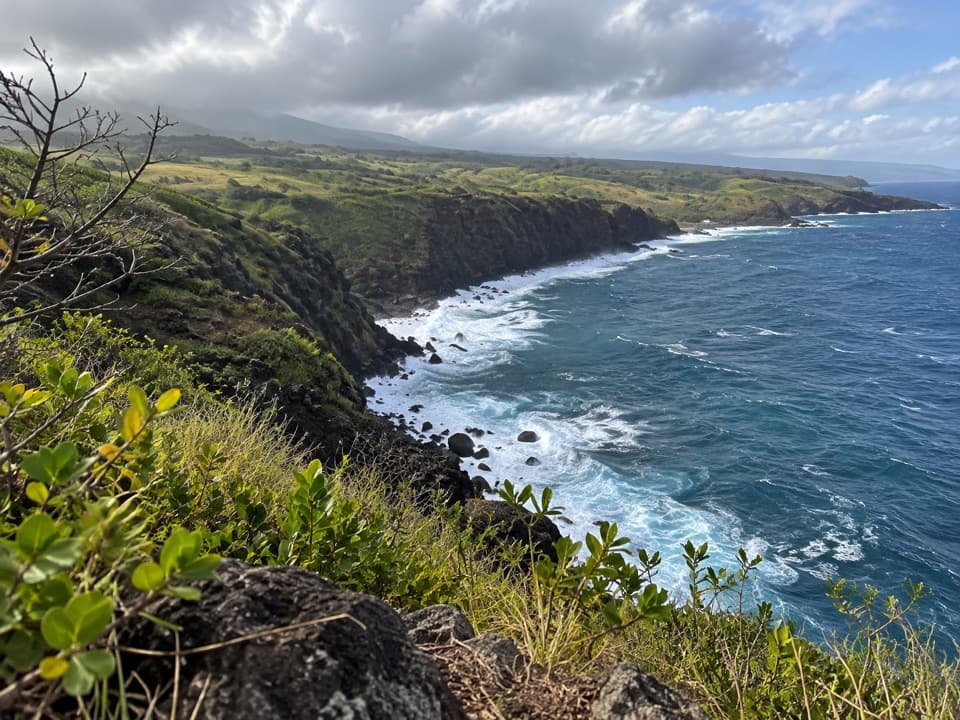
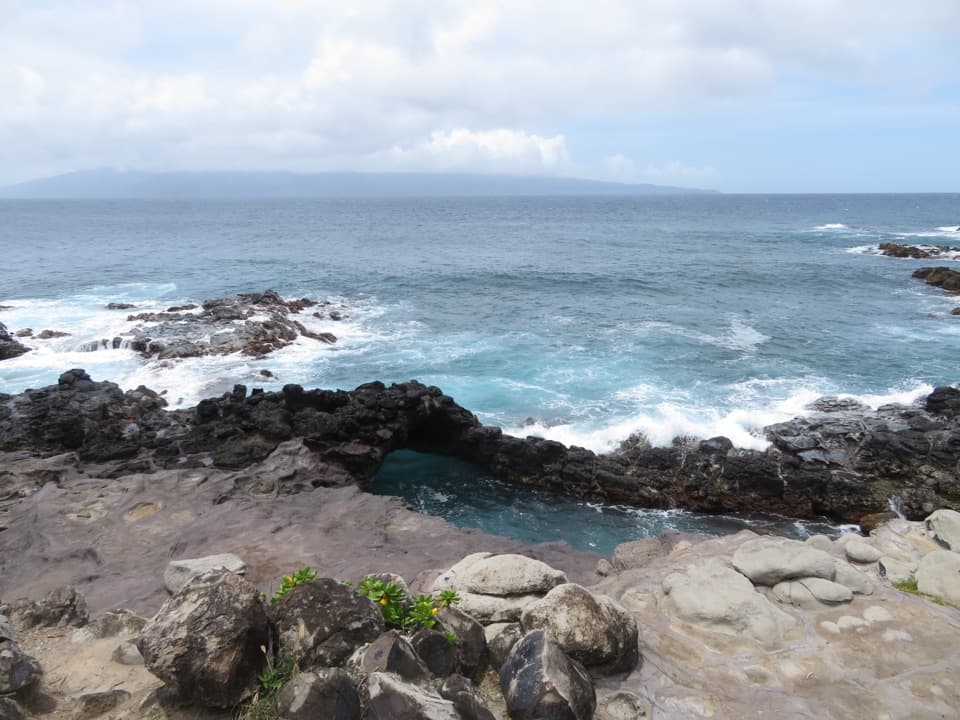
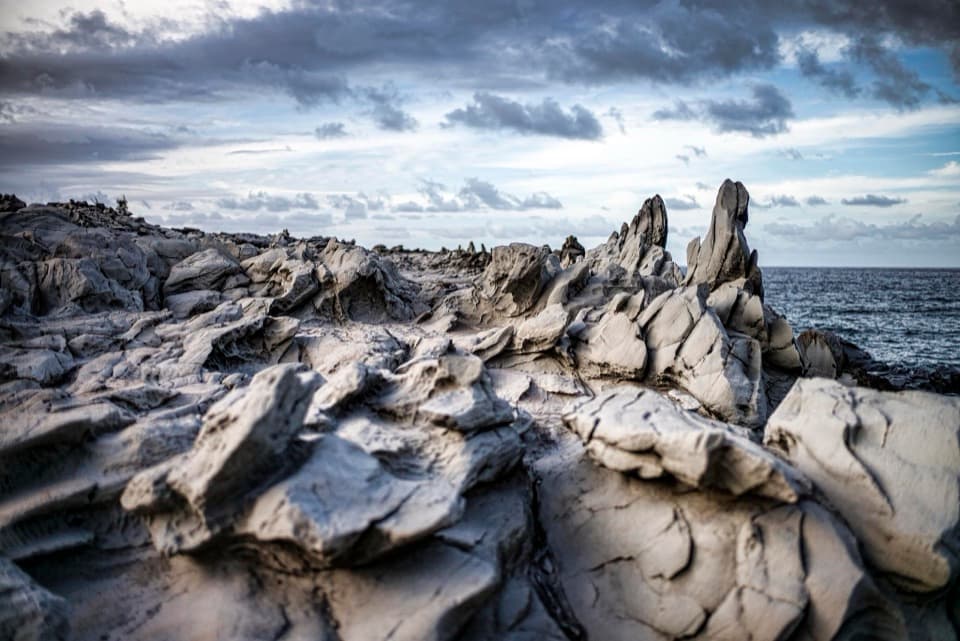
Nakalele Blowhole is West Maui’s raw, wave‑powered show: water and air fire through a lava tube, blasting a plume that can soar when surf and tide line up. The surrounding coastline is a rugged maze of pock‑marked lava nicknamed the “Acid War Zone,” with wind‑swept views and thunderous surf.

Getting There

You’ll find it along Kahekili Highway (Hwy 340) near mile markers 38–38.5 on the far north end of West Maui. The approach via Kapalua/Lahaina is the least stressful; the opposite direction includes narrow, one‑lane sections—skip that at night. Two roadside pullouts serve the area: roughly MM 38.5 for a short, steeper path and rim views, and MM 38 for a longer, more scenic traverse over lava.

The Walks

  • Short option (MM 38.5): a steep, rocky descent to rim viewpoints and down toward the blowhole. Expect uneven footing and loose gravel.
  • Longer option (MM 38): about 1.25–1.3 miles round trip across the “Acid War Zone,” passing a light beacon and tidepools below the cliffs. Trails aren’t formal or well‑marked—closed‑toe shoes with grip are essential.

Plan 30–90 minutes total depending on route, conditions, and how long you linger.

Best Time to Visit

The blowhole performs best around high tide and during larger swell; calm seas mean smaller bursts. For softer light, cooler temps, and fewer people, go early morning or late afternoon. Midday is typically the busiest. The site is open 24 hours, but the road and footing are far friendlier in daylight.

Safety First

Give the ocean a wide berth. Stay well back from the blowhole and never stand between it and the water—suction and rogue waves are real dangers. Keep to dry rock (wet, dark rock usually means wave wash zone), supervise kids closely, and treat the cliff‑edge tidepools as view‑only. There are no barriers, lifeguards, or services here.

Wildlife & Views

Winter often brings whale spouts offshore, and seabirds patrol the cliffs year‑round. On bright, breezy days you might catch rainbows forming in the spray. Either pullout offers sweeping coastal vistas even if you don’t descend.

Logistics

There are no restrooms, water, or shade structures. Bring water, sun protection, and sturdy footwear. Parking is limited and commonly paid via QR code; cell signal can be spotty, so be ready to pay promptly or before you lose reception. A food truck sometimes appears near the southern lot, but don’t count on it for essentials.

Pros

  • Spectacular ocean geyser, especially around high tide or big swell
  • Choose a quick rim view or a longer, scenic lava hike

Cons

  • No facilities; parking is limited and often QR‑code paid
  • Steep, loose lava and unpredictable surf make it hazardous

Tips

  • Time your visit for high tide or a larger swell for the biggest spouts.
  • Use the MM 38.5 pullout for an easier rim view; MM 38 for the scenic lava traverse.
  • Wear closed‑toe shoes with grip—the descent is steep, loose, and can be slick.
  • Expect QR‑code parking; pay before you lose signal and keep proof handy.
  • Aim for early morning or late afternoon for softer light and lighter crowds.
The Parkwolf tour guide sitting on a phone mounted in a car

Parkwolf Tour Guide

Like a tour guide in your car.

Save the places you found around West Maui Scenic Drive, then let Parkwolf guide the drive between them.Download Parkwolf on the App Store