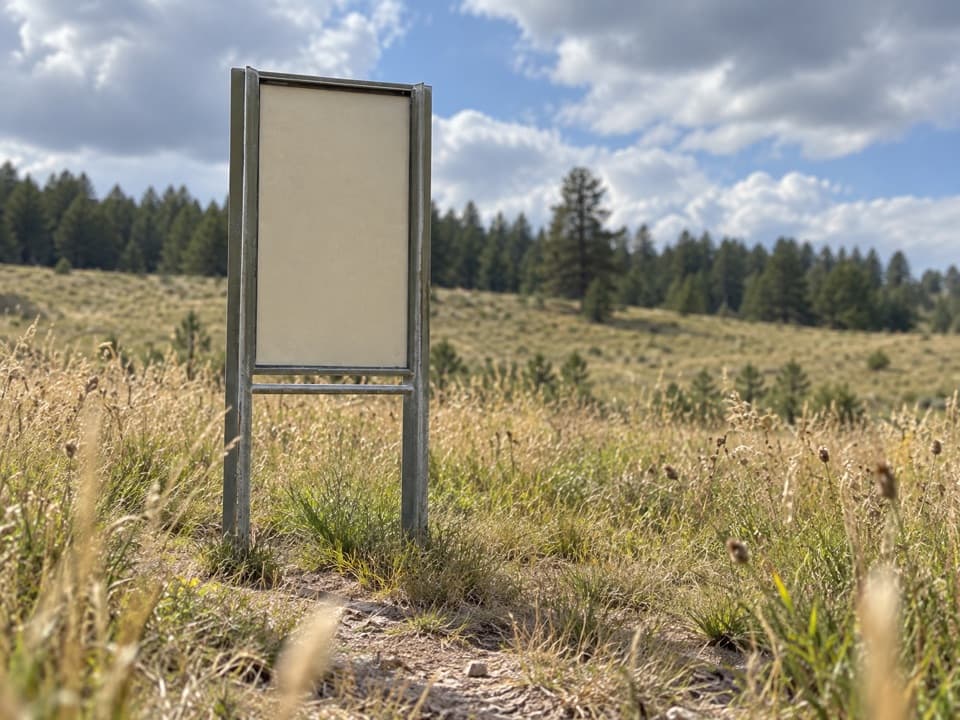
Parking
Use the small gravel parking area at the Cold Brook Canyon trailhead, directly off US 385 about one mile south of the visitor center. The lot’s capacity is not established.
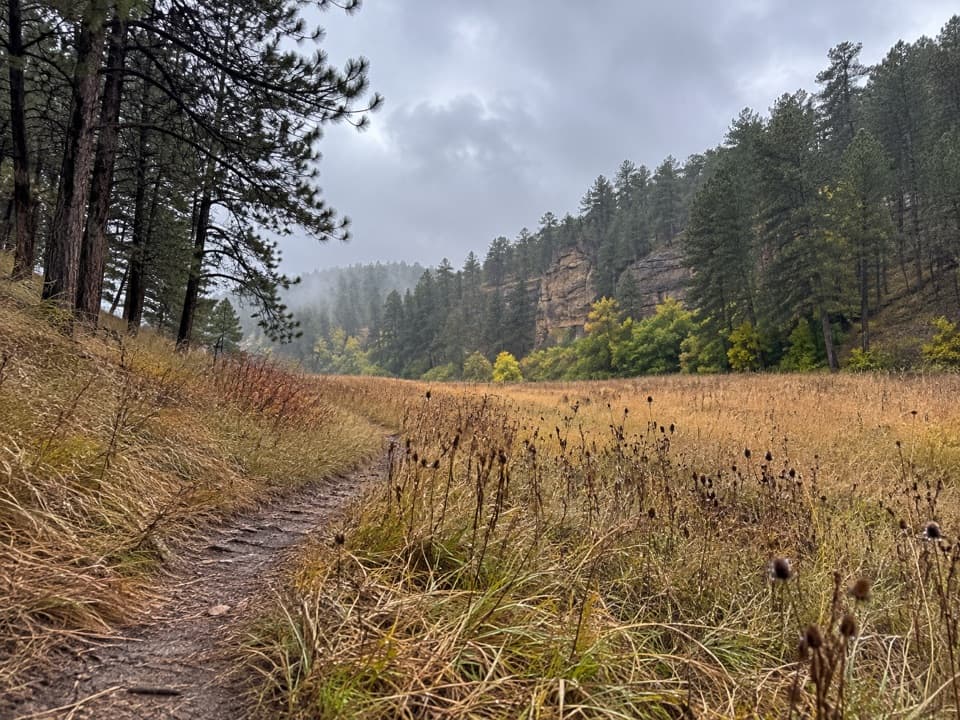
#3 of 11 trails in Wind Cave
Wind Cave National Park, SD
A short prairie walk with canyon cliffs and a prairie dog town.
Overview
Map & elevation
Plan your hike
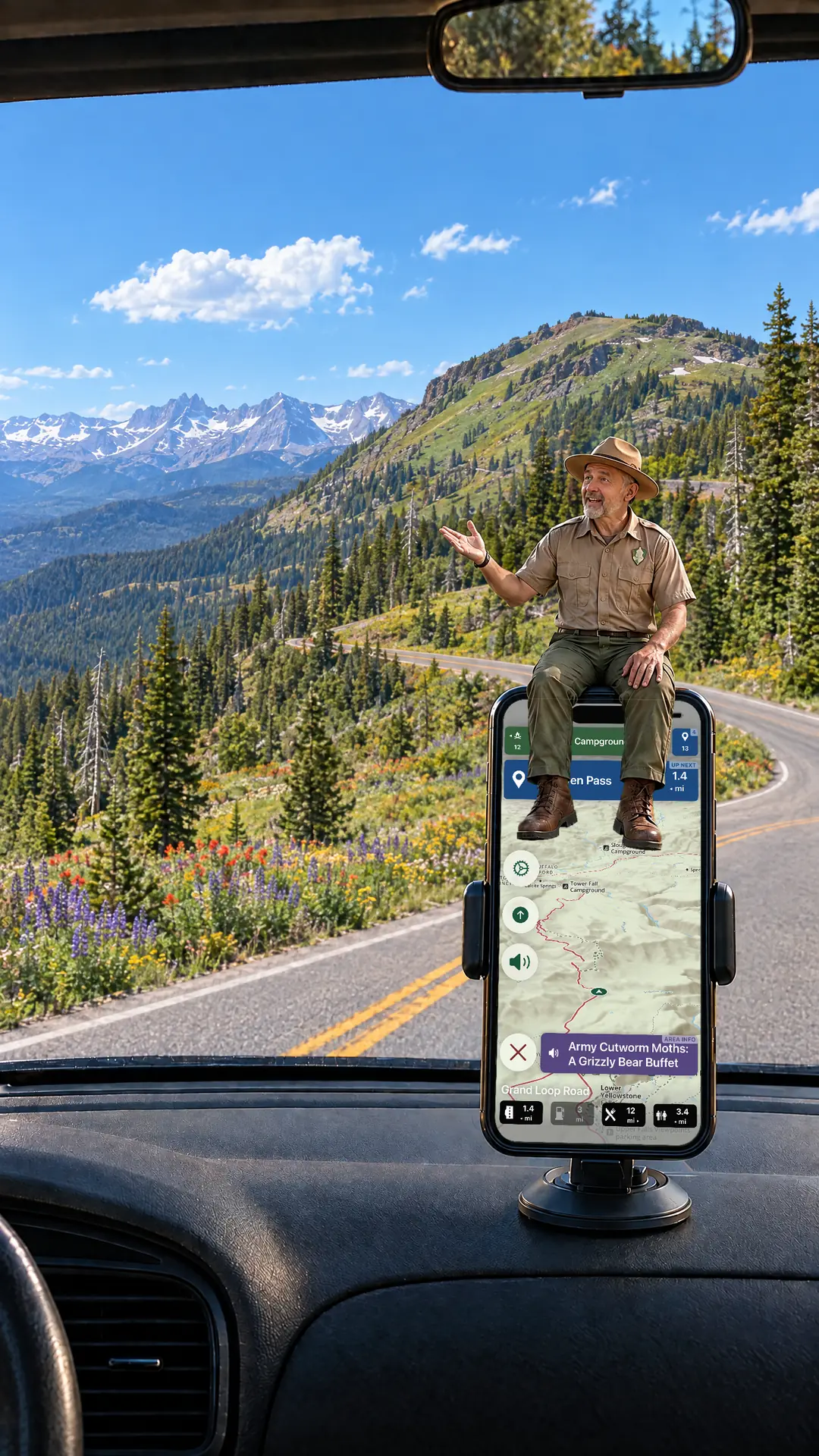
The highest, rockiest slopes around here are a summer buffet for grizzly bears.
Wind Cave Tour Guide
Parkwolf is a GPS audio tour guide for Wind Cave National Park. As you drive, it chimes in with what’s ahead: hidden gems, upcoming stops, history, geology, and wildlife, right through your car’s speakers.
Recorded for this trailhead
Cold Brook Canyon“Up ahead is the Cold Brook Canyon trailhead, a good choice for a grassland walk toward pale canyon walls. It's two point eight miles round trip, taking about an hour to an hour and a half.”
Plays as you drive up to this trailhead in the Parkwolf Wind Cave Tour Guide.
More stories near here in the app
“Fantastic app with many points of information… It’s great to just turn on while you’re driving and it gives you an audio tour of the national Park. We love it!!!!”


Trail guide
Cold Brook Canyon Trail is a 2.8-mile out-and-back from its US 385 trailhead to the park boundary and back along the same path. It starts under ponderosa pines, drops into open prairie and a prairie dog town, then follows the canyon toward pale rock walls. I’d choose it for a short walk through the park’s grassland and a chance to watch wildlife, not for a summit or a sweeping overlook. Give it about 1 to 1½ hours. It is a moderate walk: the mileage is modest, but the opening descent has to be climbed on the return and most of the prairie section has little shade.
The trailhead is close to the highest point on the route. The path loses roughly 100 feet over the first quarter mile, on a gravelly slope with a sharp right-hand switchback near the bottom. After that first drop, the way across the canyon is easier walking, with a gradual rise toward the boundary. The return reverses the same ground, so the short climb back to the car comes after the longer open stretch. The official total includes both directions; the mapped line follows the 1.42-mile corridor once, as an out-and-back route normally should.
The change in habitat is the walk’s main rhythm. Ponderosa forest thins, the canyon floor opens into grassland, and the trail crosses a prairie dog town. Prairie falcons and other raptors may be seen over this open country. Prairie dogs and other wildlife are a bonus rather than a promise, so leave time to look without walking up to animals. Bison have been reported close to or on the route. Keep well back if you meet one and never try to pass close; the park warns that bison and other wildlife are dangerous and unpredictable.
Toward the end, the valley narrows and rocky faces become more prominent. One exposed wall beside the trail shows tilted layers of sedimentary rock above a shallow pool. The Black Hills’ outer layers include sedimentary rocks laid down as ancient seas advanced and retreated across the region; later uplift and erosion shaped the ridges and valleys you walk through today. The trail reaches a fence at the park boundary and stops there, so this is not a through-route. Turn around and retrace the path. If you want a photograph, keep some of the trail in the foreground with the cliff and pines behind it; that shows both the canyon and the walk that brought you there.
The access is a small gravel parking area right off US 385, about a mile south of the visitor center. The lot’s capacity is not established, so don’t count on an overflow area. A printed park map and hiking guide are available at the visitor center if you want them before you set out. There is no drinking water on the trail, and the open prairie has little shade. Hot summer afternoons and strong thunderstorms with hail are familiar park hazards; check the forecast and bring enough water and an extra layer. Pets are not allowed on this route. The visitor center is a separate stop, not a service along the trail.
Wildlife
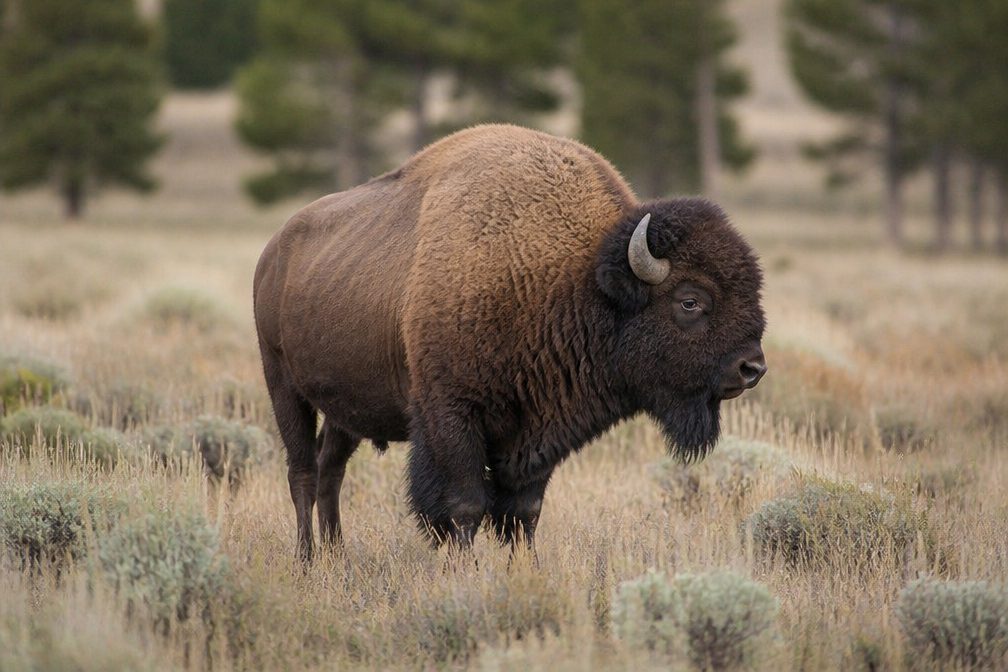 600 sightingsBisonMost seen around 6 PMSighting map
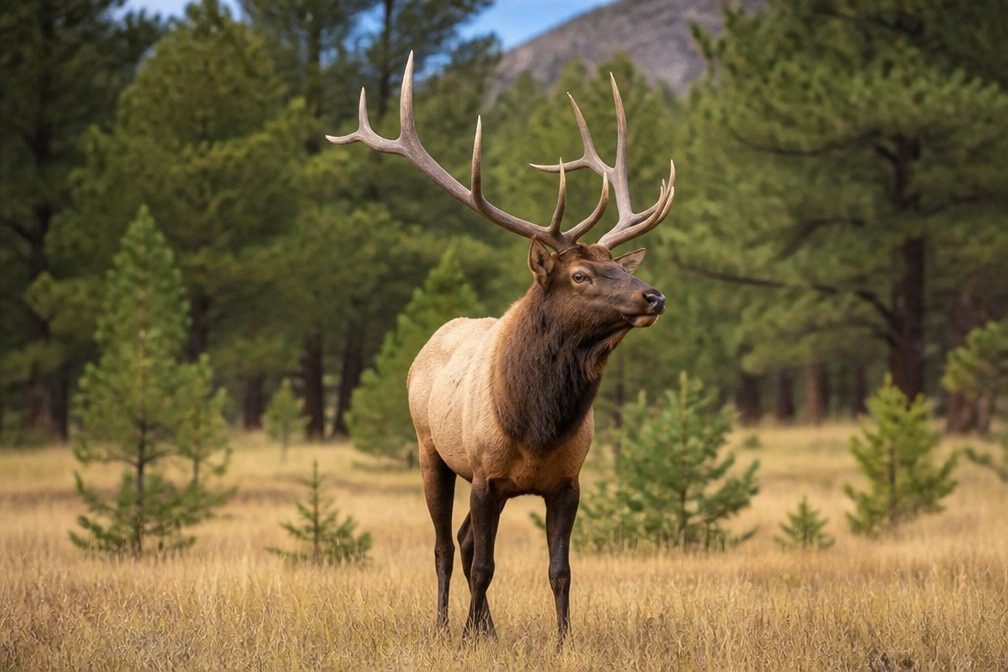 59 sightingsElkMost seen around 6 AMSighting map
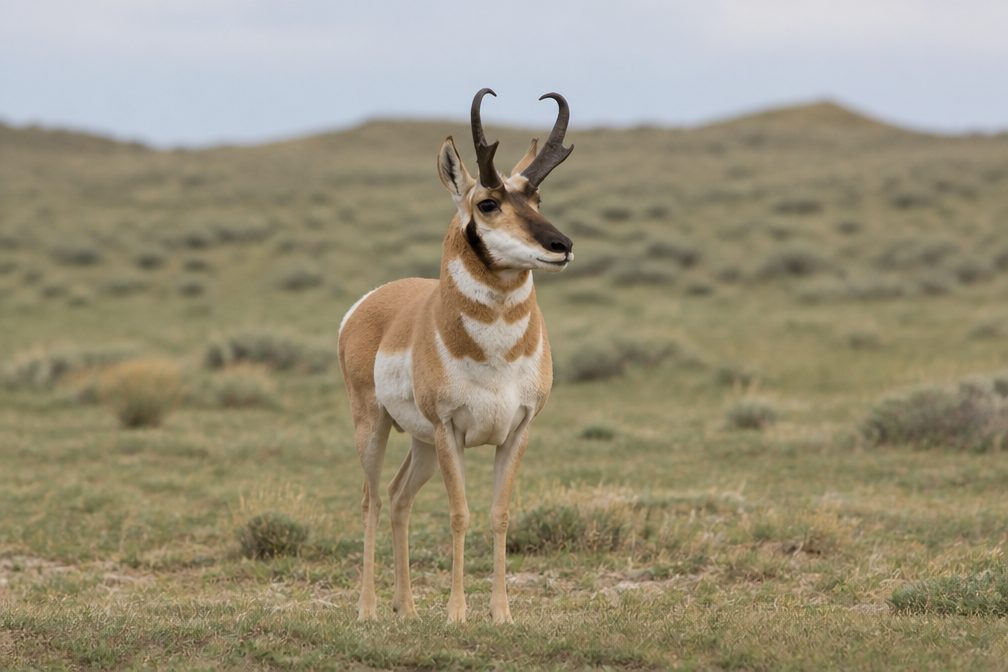 258 sightingsPronghornMost seen around 7 AMSighting map
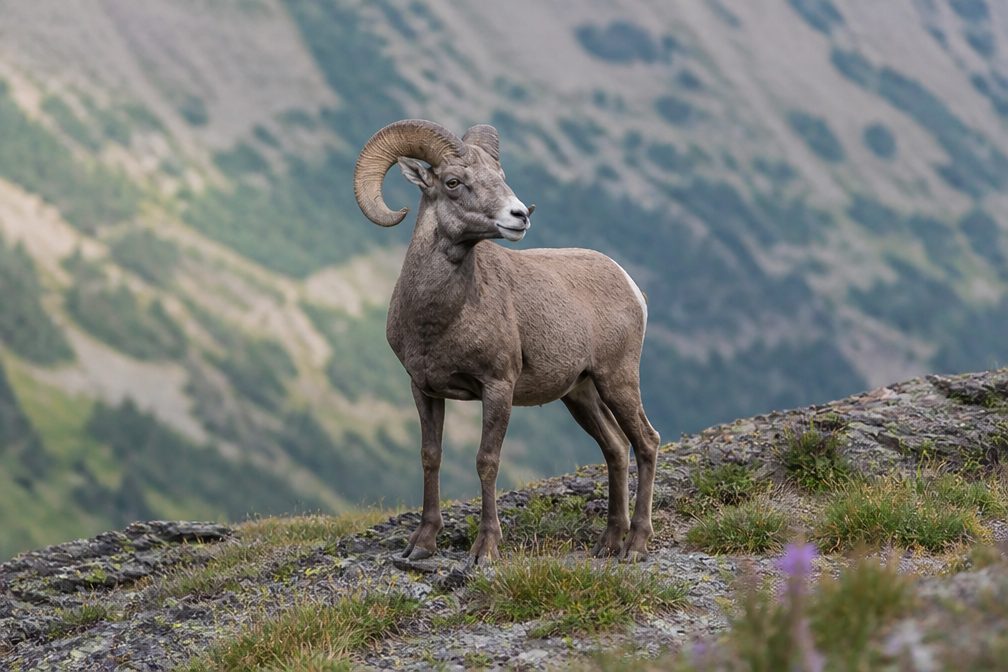 14 sightingsBighorn SheepMost seen around 6 PMSighting map
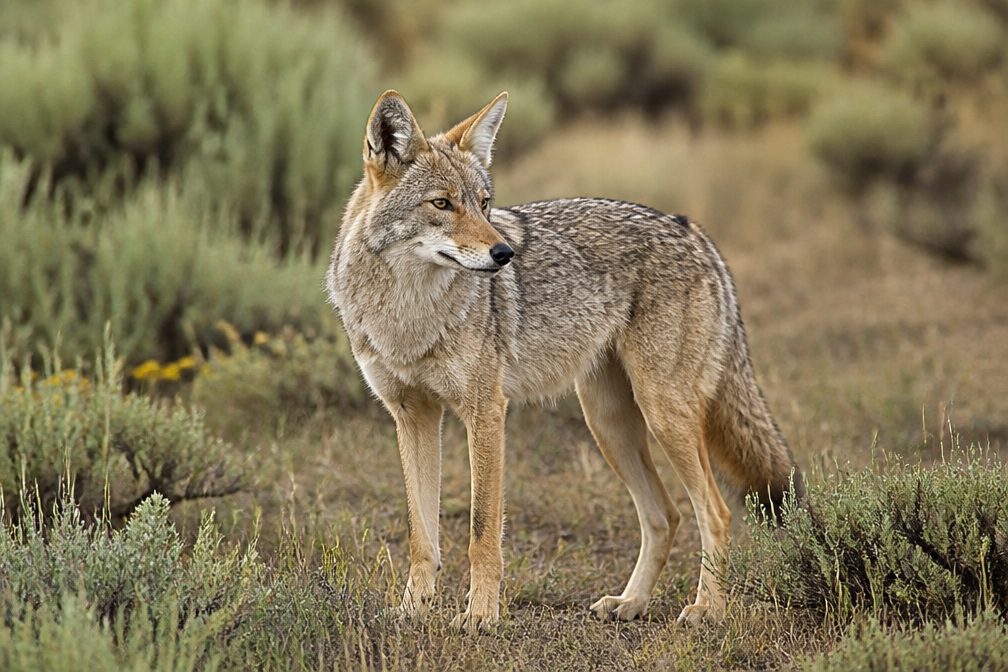 131 sightingsCoyoteMost seen around 7 PMSighting map
 26 sightingsGolden EagleMost seen around noonSighting map
Sighting maps show where each species has been reported across Wind Cave. Wildlife moves, so no sighting is guaranteed.
Keep exploring
 ModerateEast Bison Flats Trail7.4 mi · 4 hr · 1.4 mi awayOpen prairie, a steep canyon dip, and broad Buffalo Gap views.
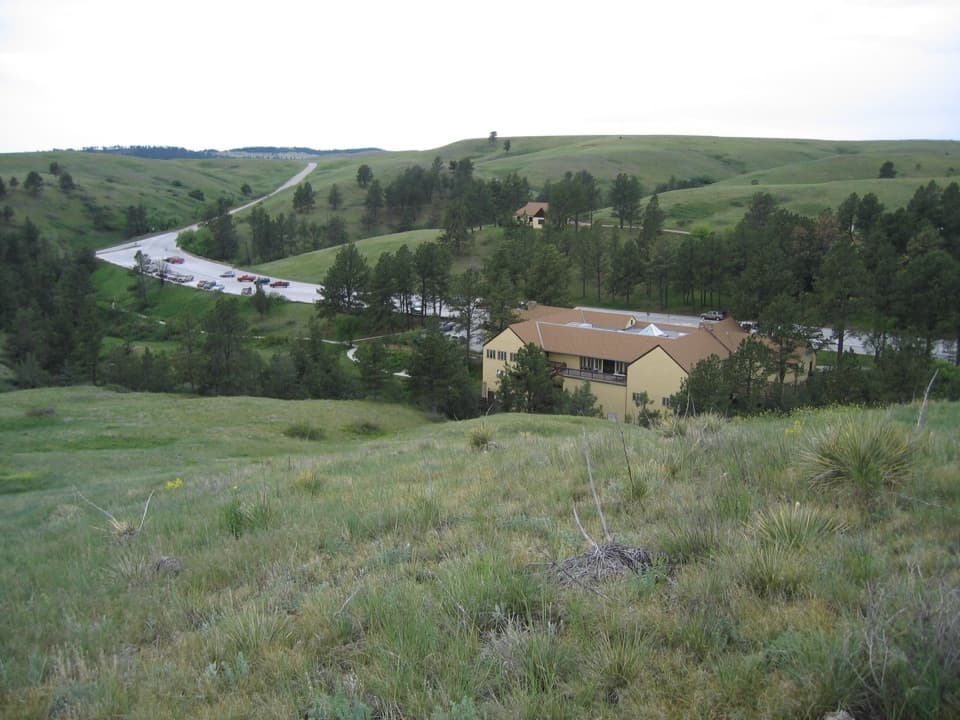 EasyPrairie Vista Nature Trail1 mi · 36 min · 1.8 mi awayA one-mile loop past the Natural Entrance and prairie waysides.
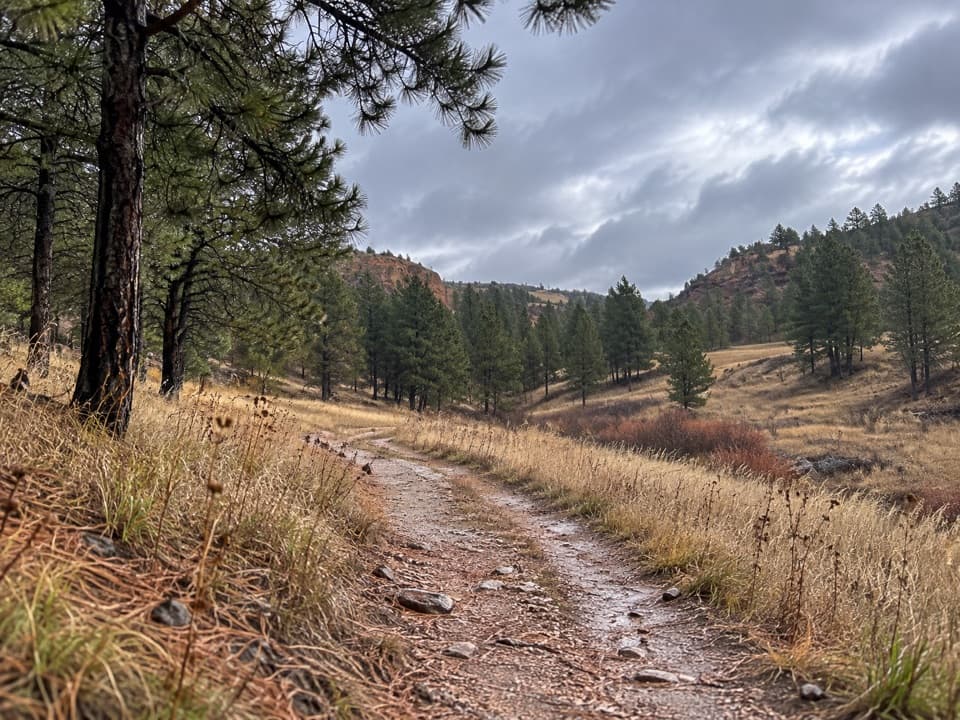 EasyWind Cave Canyon Trail3.6 mi · 2 hr · 2.1 mi awayAn easy former road beneath limestone cliffs, with nesting birds overhead.
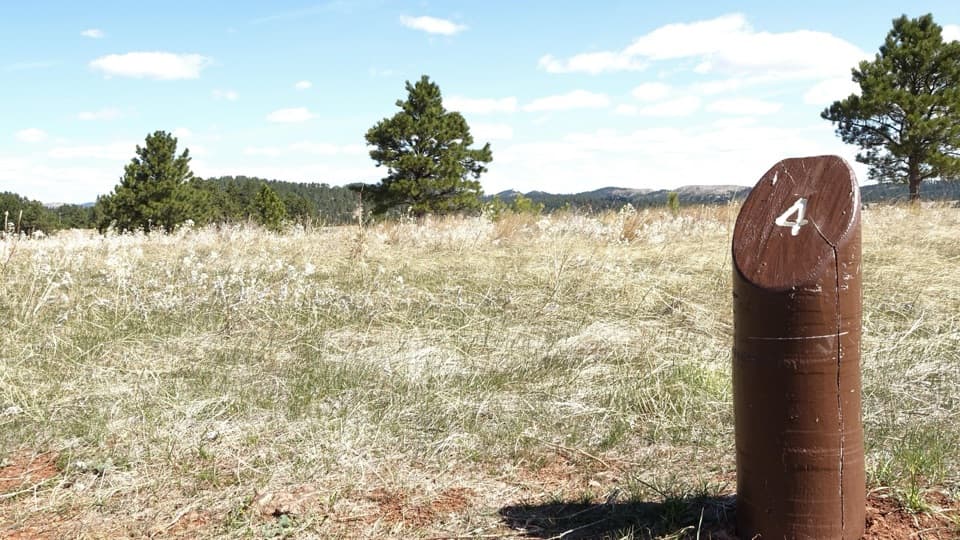 EasyElk Mountain Nature Trail0.7 mi · 45 min · 2.1 mi awayShort prairie-and-pine loop; listen for elk bugles in autumn.
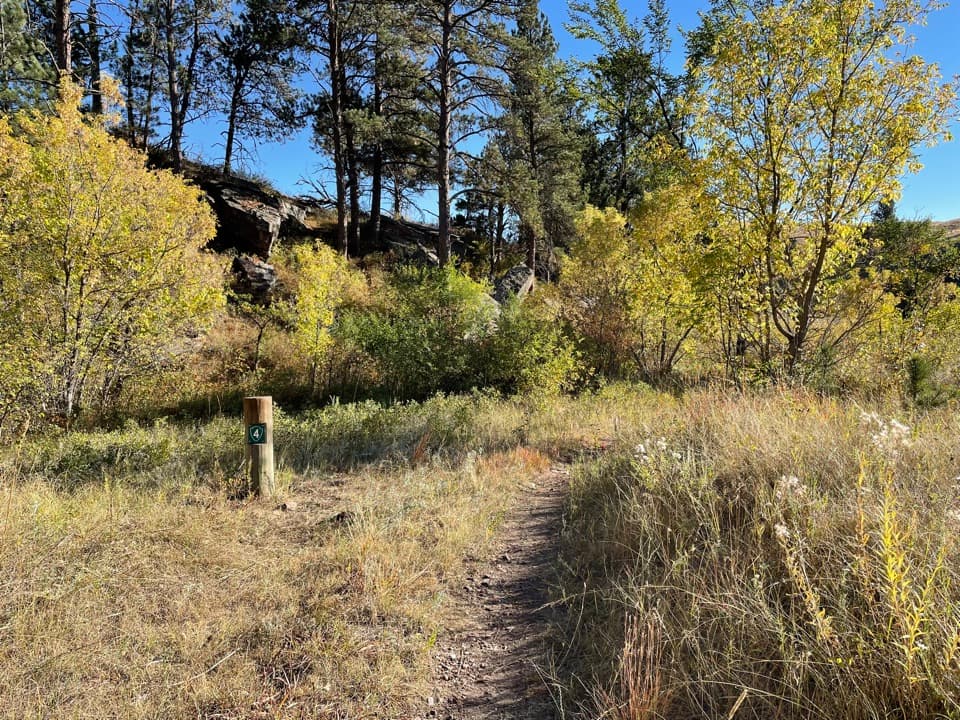 ModerateLookout Point Trail and Centennial Trail Loop4.8 mi · 2.5 hr · 3.3 mi awayPrairie dogs, creek bridges and one steep climb on a 4.8-mile loop.
 ModerateCentennial Trail: Norbeck to Highland Creek6 mi · 2.8 hr · 3.3 mi awayA six-mile one-way mix of prairie, ponderosa forest and creek crossings.
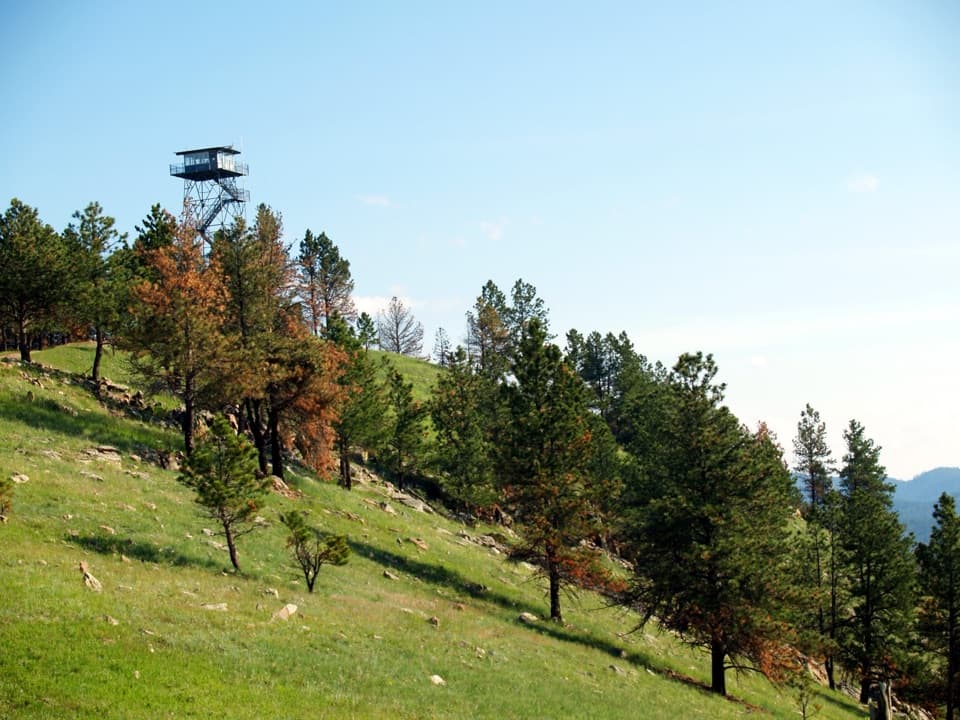 EasyRankin Ridge Nature Trail1 mi · 1 hr · 6.1 mi awayA short ridge loop with a fire tower and wide plains views.
 ModerateBoland Ridge Trail5.2 mi · 2.5 hr · 7 mi awayFour rolling climbs lead to wide views over Red Valley.
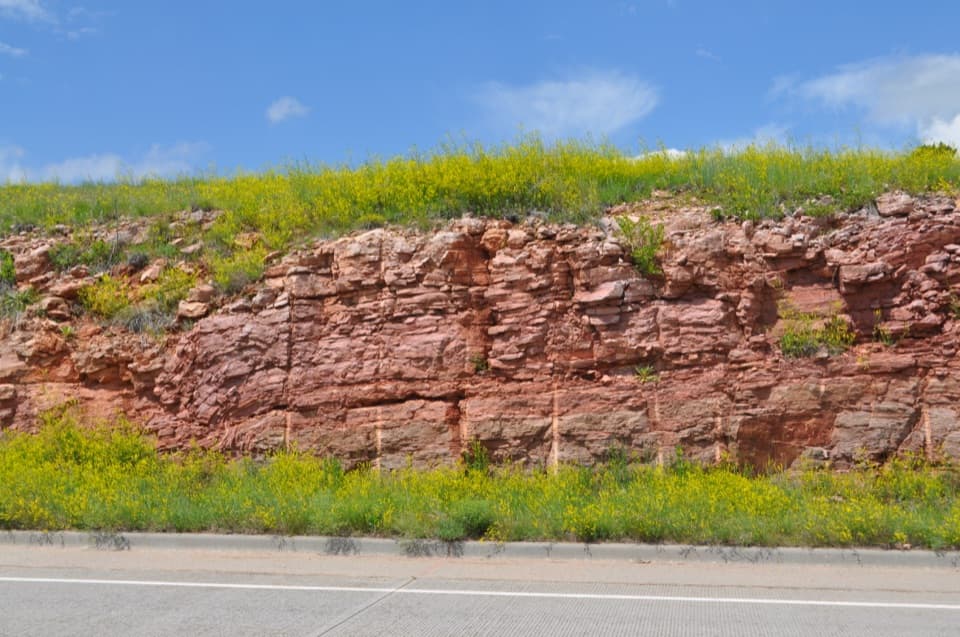 Sight · 1.5 mi awayMinnekahta LimestoneA quick roadside geology stop for layered Permian limestone.
 Visitor center · 1.8 mi awayWind Cave Visitor CenterStart here for the cave tour and its prairie-side story.
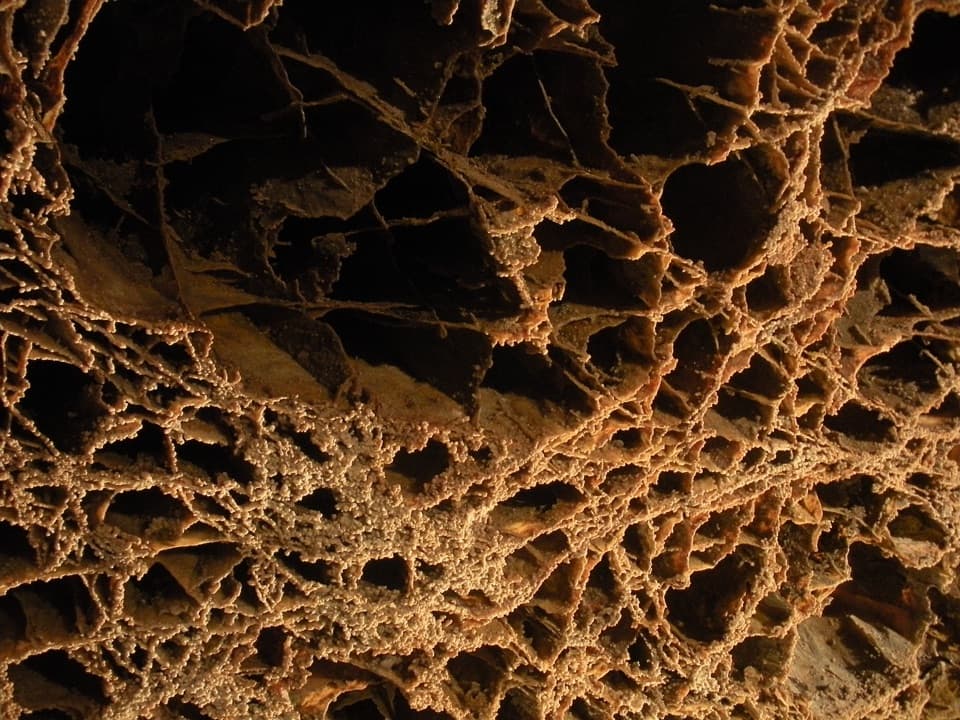 Sight · 1.8 mi awayWind CaveGet underground to see boxwork that’s rare elsewhere and abundant here.
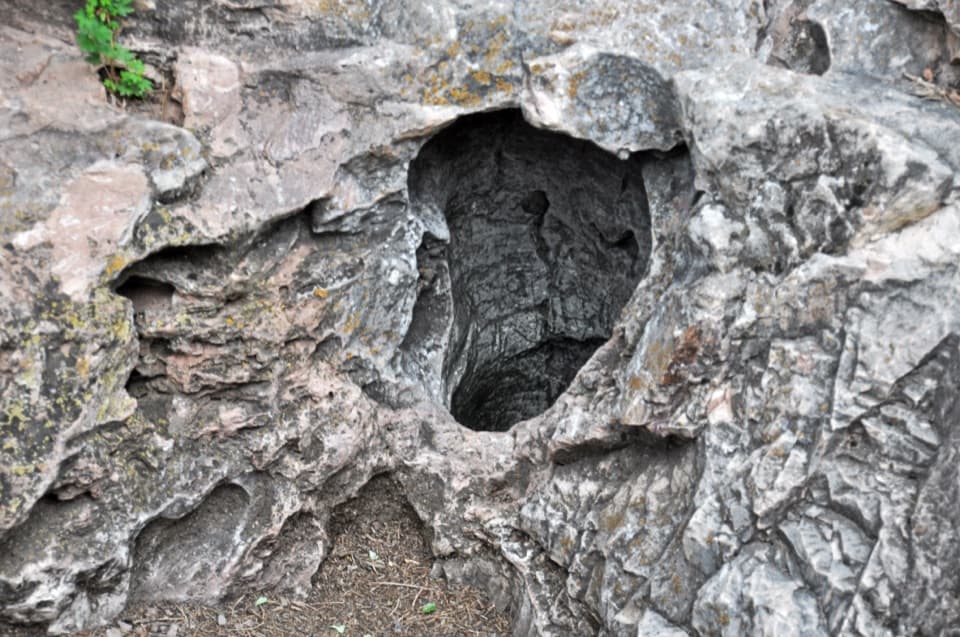 Sight · 1.8 mi awayWind Cave Natural EntranceA ten-inch opening with air you can feel moving.
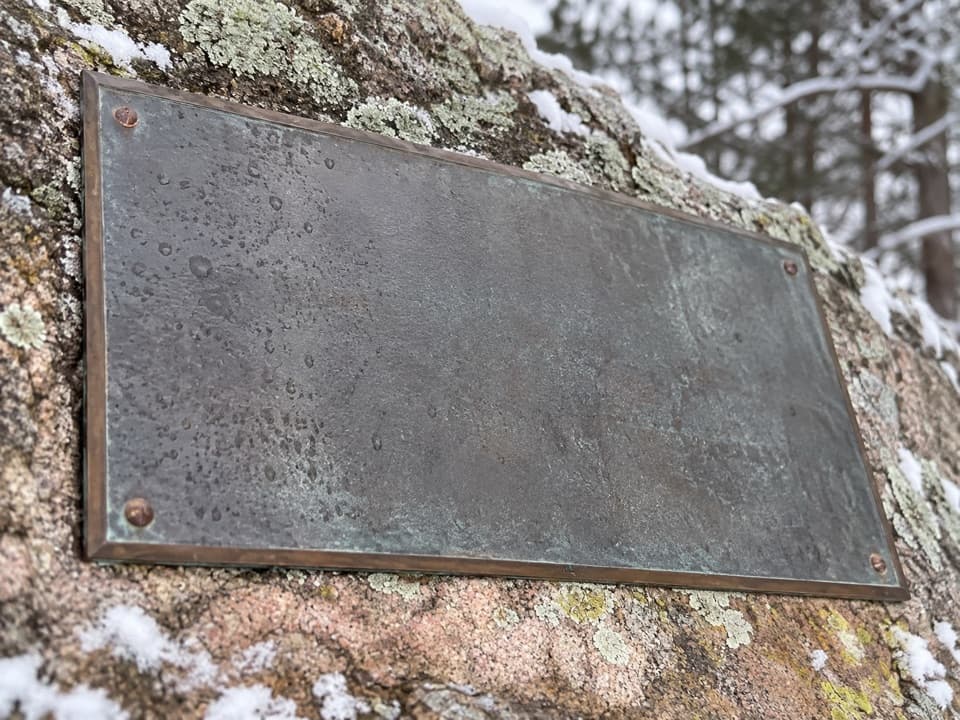 Historic marker · 1.8 mi awayAlvin McDonald GraveA memorial to the young explorer who mapped miles of Wind Cave.
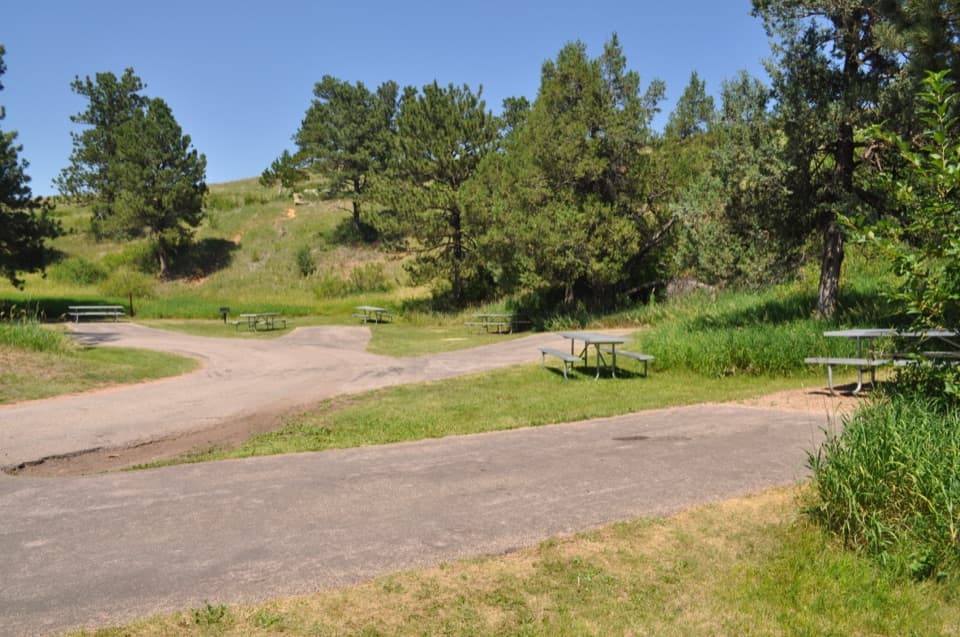 Picnic area · 1.9 mi awayWind Cave Picnic AreaA picnic stop with a 150-yard walk to the natural entrance.
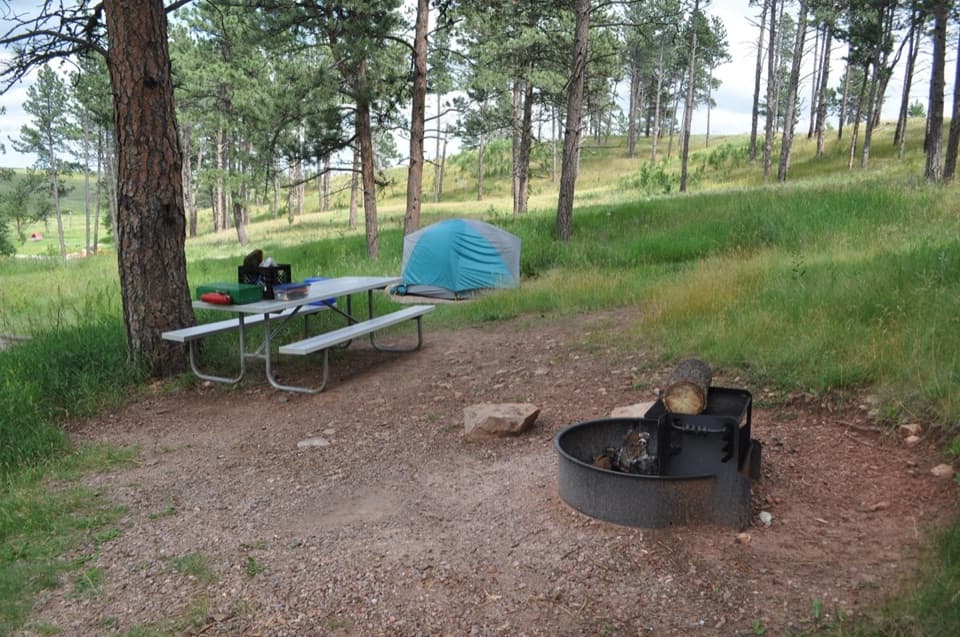 Campground · 2.2 mi awayElk Mountain CampgroundA pine-and-prairie base near cave tours, with seasonal elk bugles.
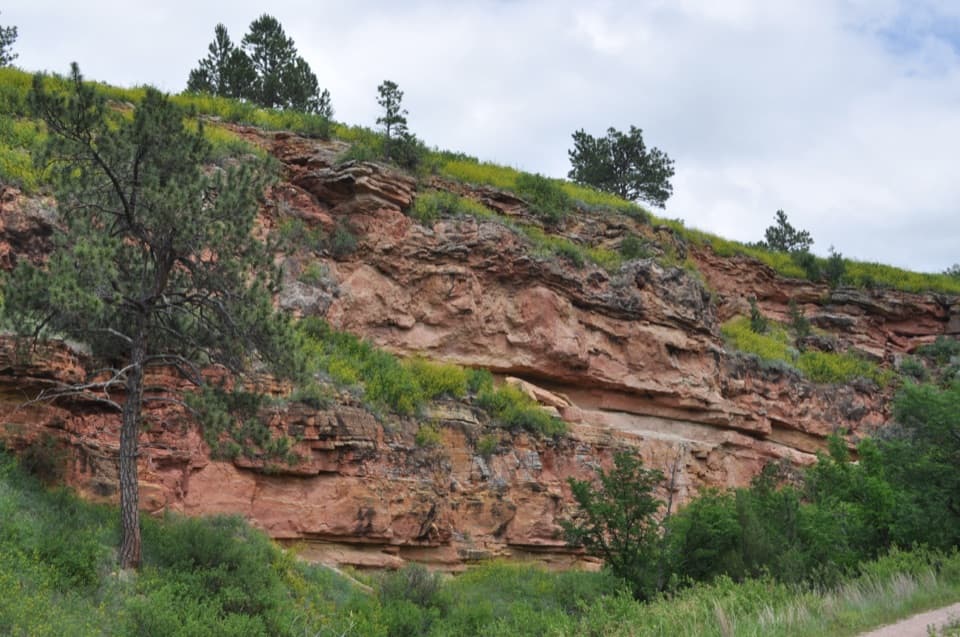 Sight · 2.4 mi awayMinnelusa FormationA short walk to striped rock layers if geology’s your thing.
Parkwolf’s Wind Cave ranking

The audio tour guide for the drive, plus offline maps, trails, and wildlife heatmaps for when the signal drops.