Overview
About Bonanza Mine
Why stop
- Prominent wooden mine remains and broad mountain and glacier views.
Heads up
- The 3,800-foot, 4.5-mile ascent is a strenuous day hike.
Map
Where it is
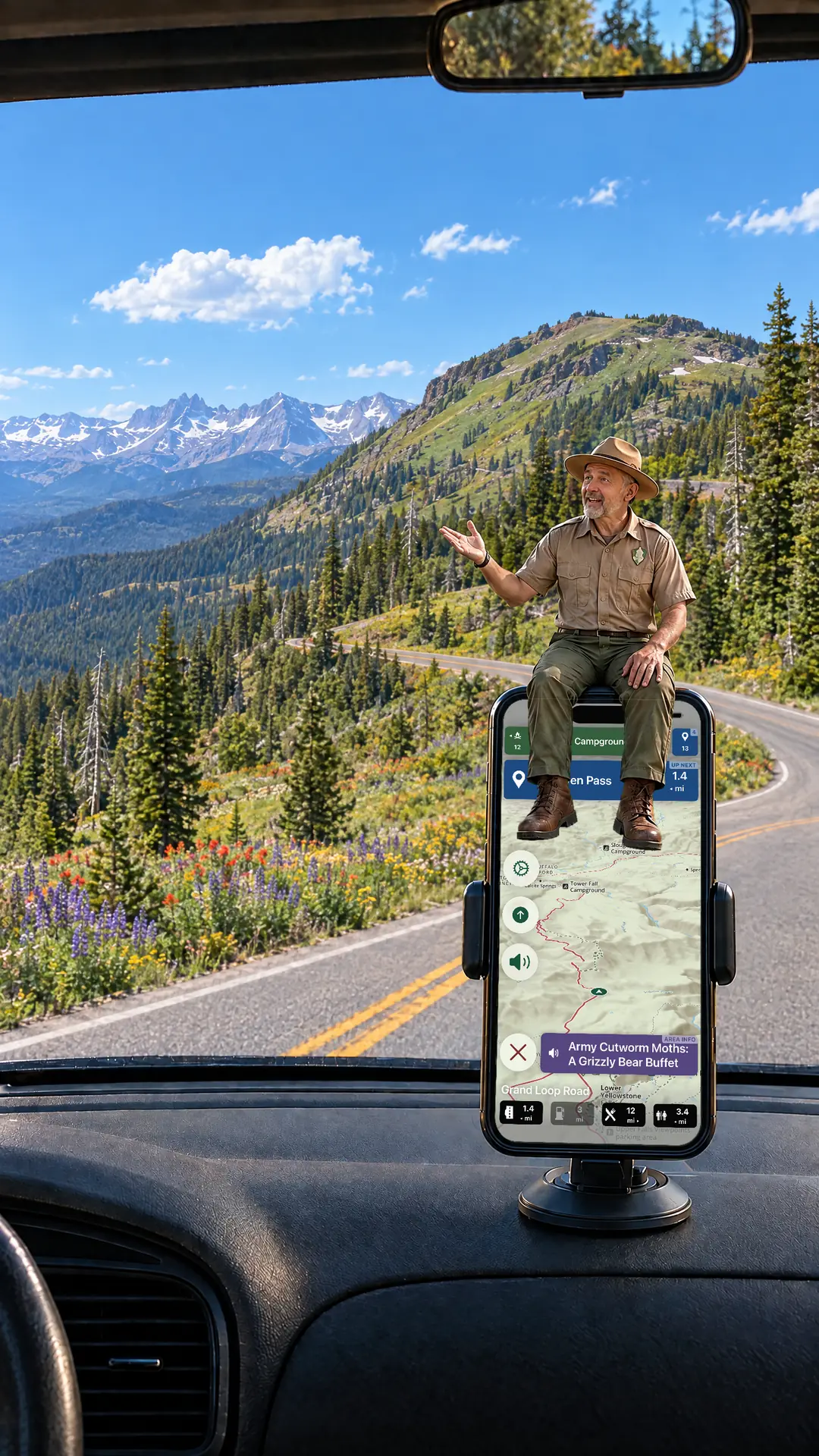
The highest, rockiest slopes around here are a summer buffet for grizzly bears.
Wrangell-St. Elias Tour Guide
Your drive to Bonanza Mine, narrated.
Parkwolf is a GPS audio tour guide for Wrangell-St. Elias National Park. As you drive, it chimes in with what’s ahead: hidden gems, upcoming stops, history, geology, and wildlife, right through your car’s speakers.
See the Wrangell-St. Elias audio tourRecorded for this place
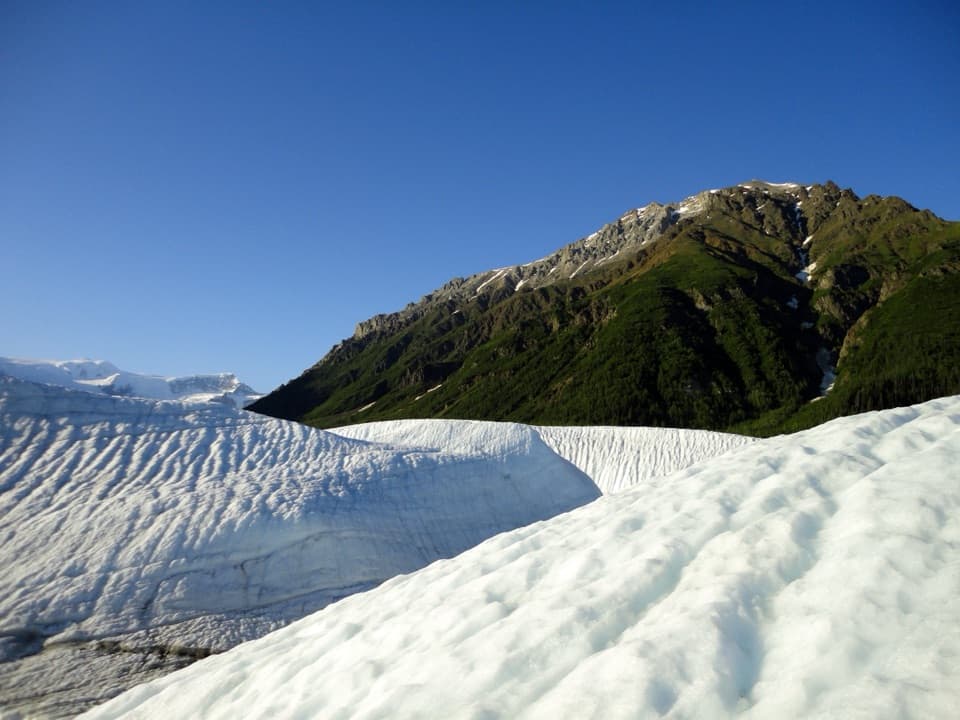
Root Glacier from Kennecott“You're approaching Kennecott, where the walk to Root Glacier begins. Go for ridged ice beneath Donoho Peak, but expect about five miles of walking round trip, including a steep, rocky descent and the climb back out.”
Plays as you drive up to Bonanza Mine in the Parkwolf Wrangell-St. Elias Tour Guide.
More stories near here in the app
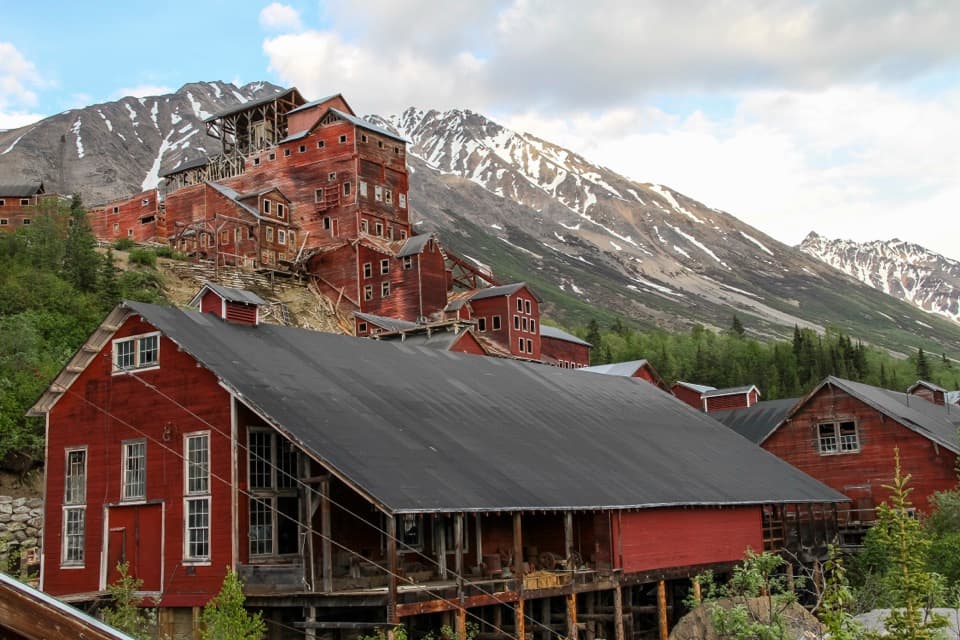
- Kennecott Mill Town
- A Meal in Kennecott
- Eight Cents for Medical Care
- 81 audio storiesacross Wrangell-St. Elias’s roads, triggered by GPS as you drive
- Wildlife heatmapsfor Grizzly Bear, Moose, Humpback Whale, and 13 more
- Works offlinemaps, 28 trails, 62 places, and audio download before you lose signal
- CarPlay readysimple controls built for the drive
“Fantastic app with many points of information… It’s great to just turn on while you’re driving and it gives you an audio tour of the national Park. We love it!!!!”


Guide
More about Bonanza Mine
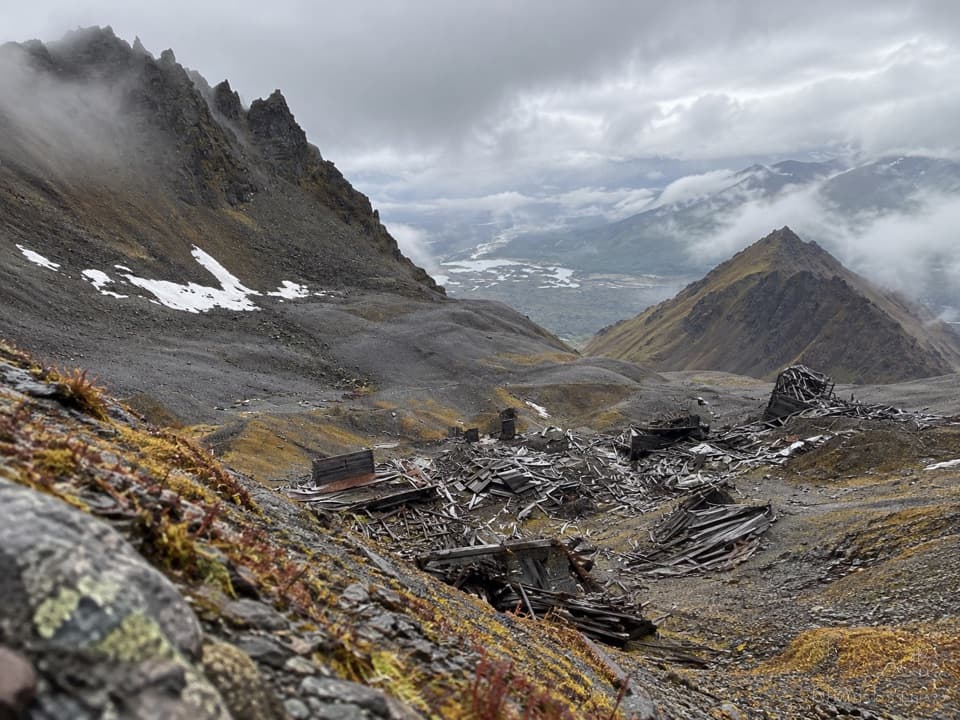
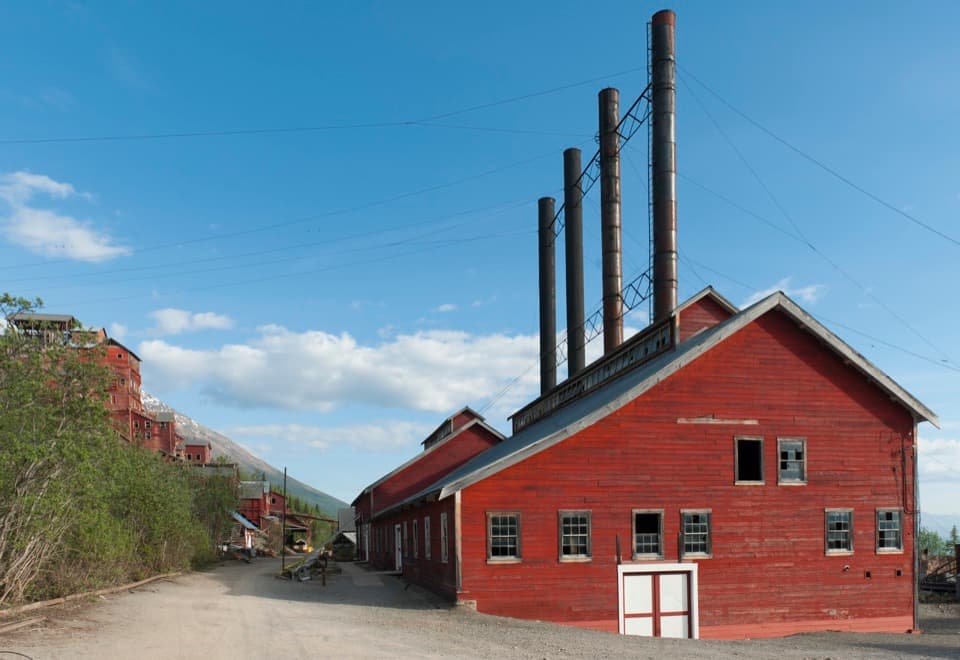
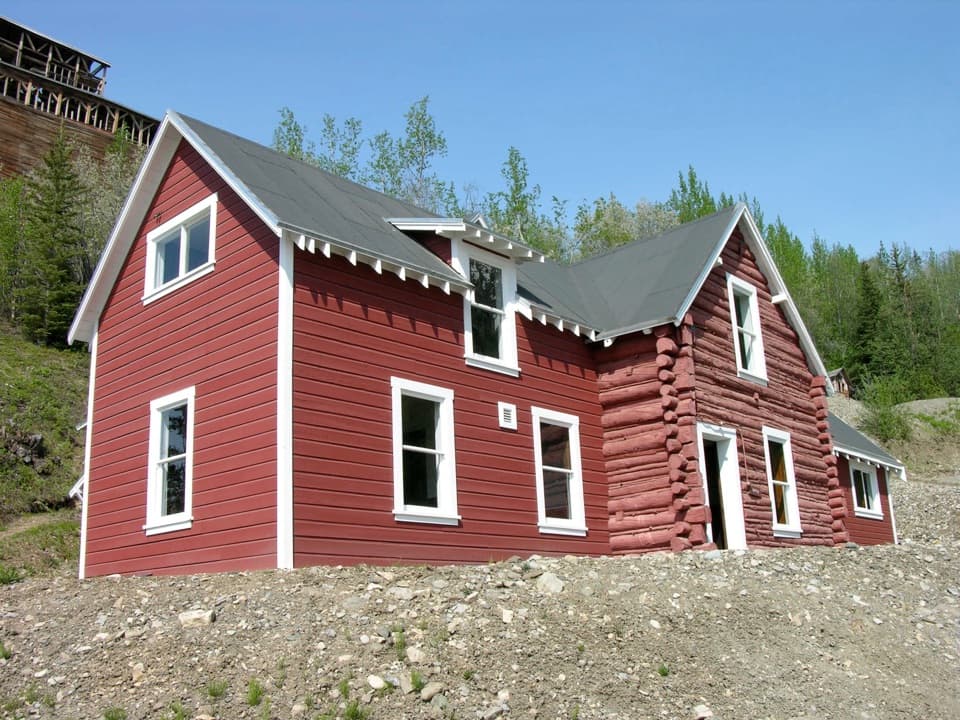
What remains at the mineBonanza Mine is a remote copper-mine site high on the rocky slope above Kennecott.
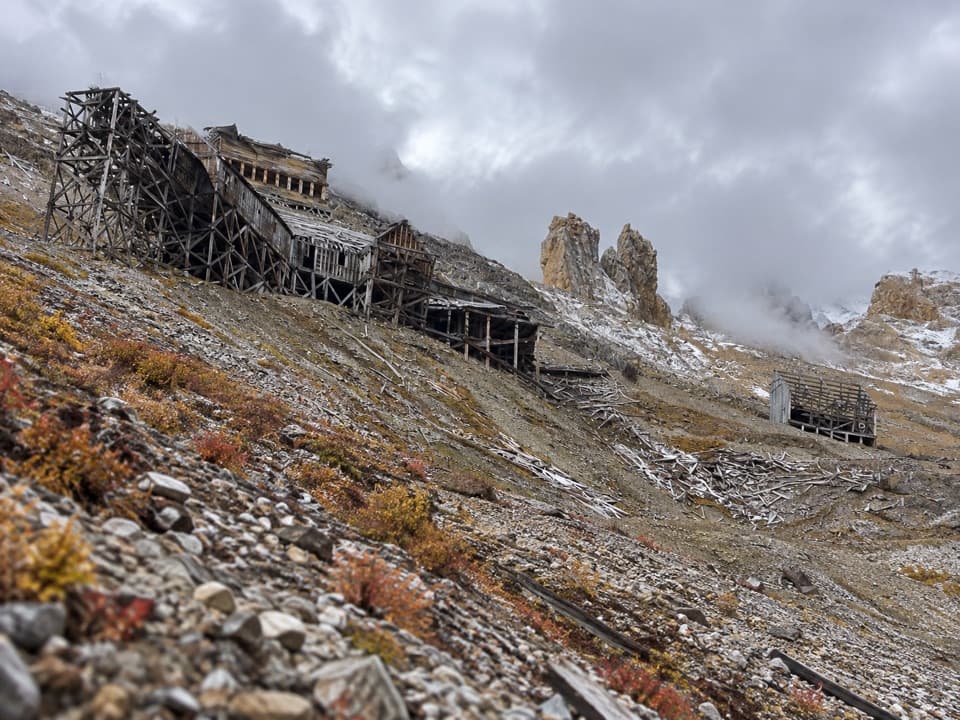
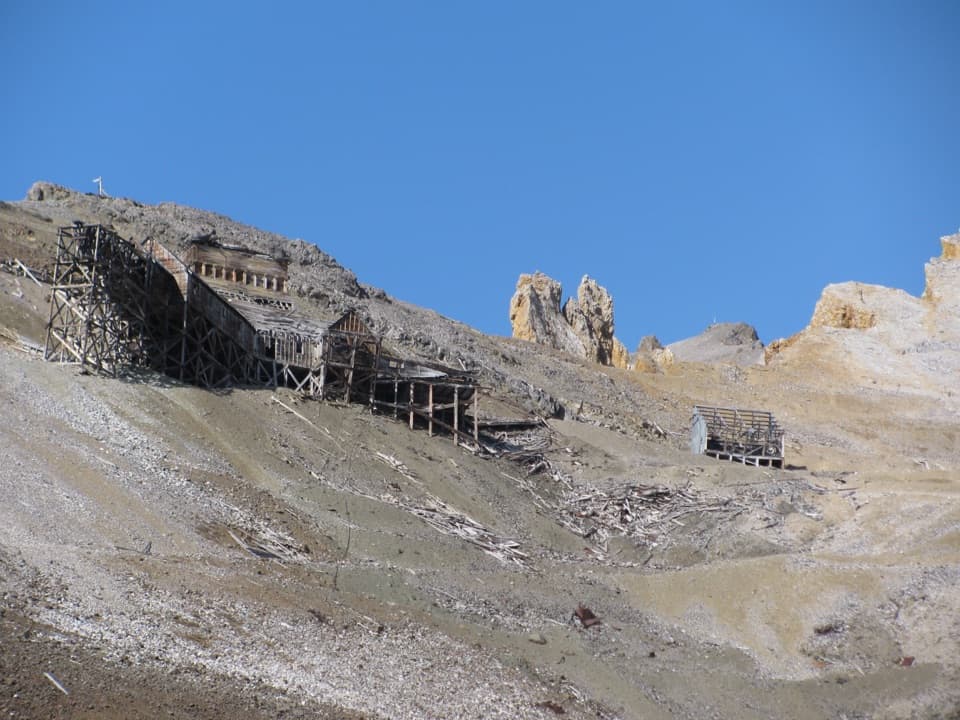
Bonanza Mine is a remote copper-mine site high on the rocky slope above Kennecott. The miners’ bunkhouse has mostly disappeared; the most prominent surviving timber ruins are from the tramway station, surrounded by collapsed wooden remains. Expect an exposed mine site, not an intact building or an interpretive indoor exhibit.
The climb is the commitmentFrom Kennecott, the ascent is about 4.5 miles and 3,800 feet uphill.
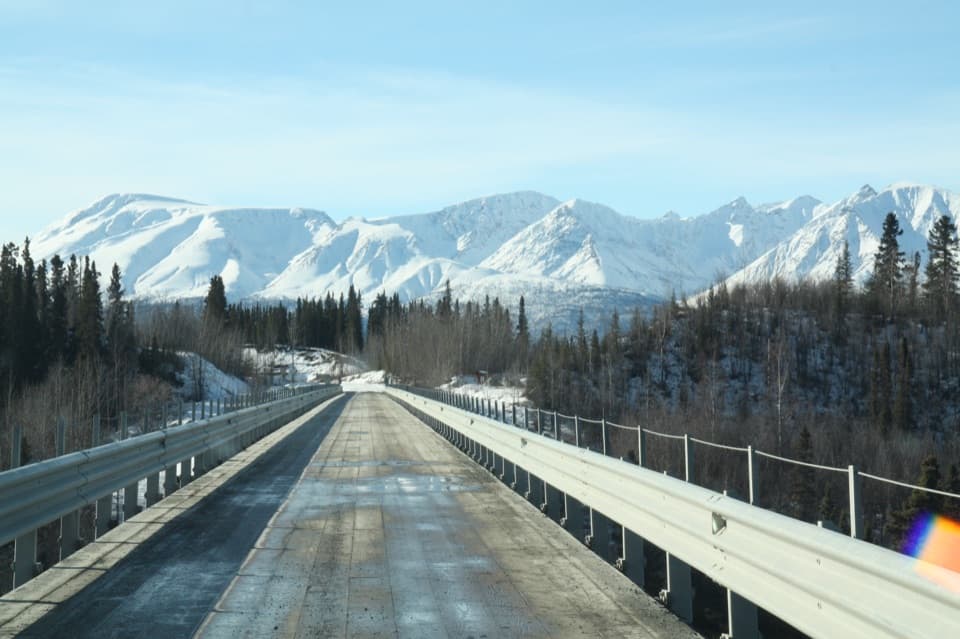
From Kennecott, the ascent is about 4.5 miles and 3,800 feet uphill. It is a strenuous day hike, so plan for a long climb rather than a quick stop. Getting to Kennecott is part of the effort: the 60-mile McCarthy Road from Chitina is narrow and winding, often rough, and has no services or cell coverage. Carry what you need for the hike.
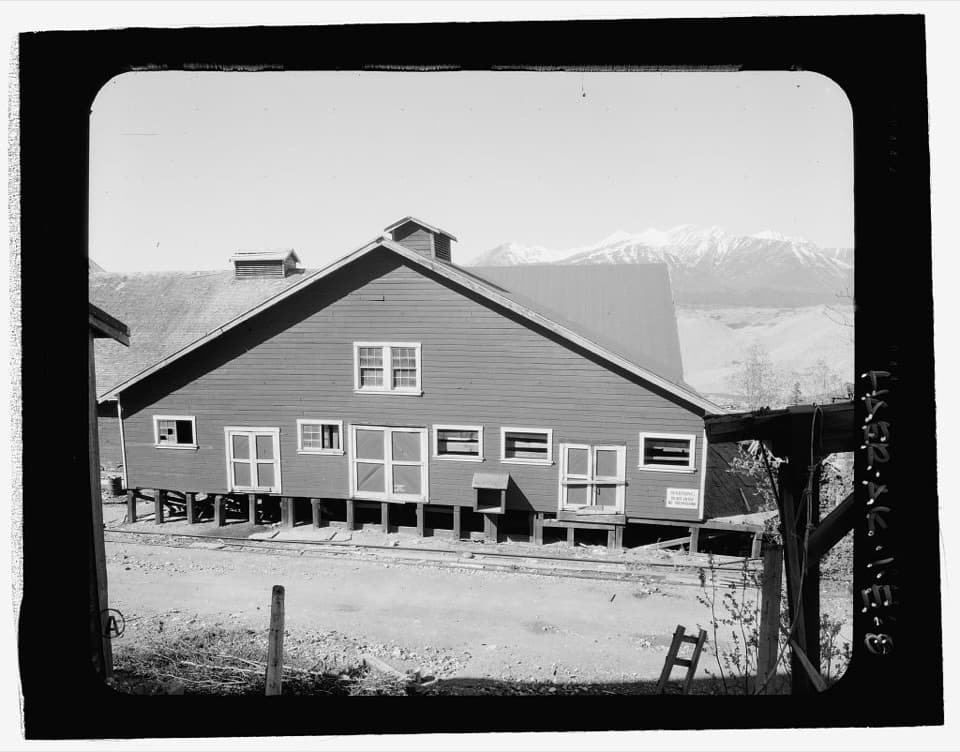
The mine’s most visible legacyBonanza’s copper deposit was discovered in 1900, and production began in 1911.
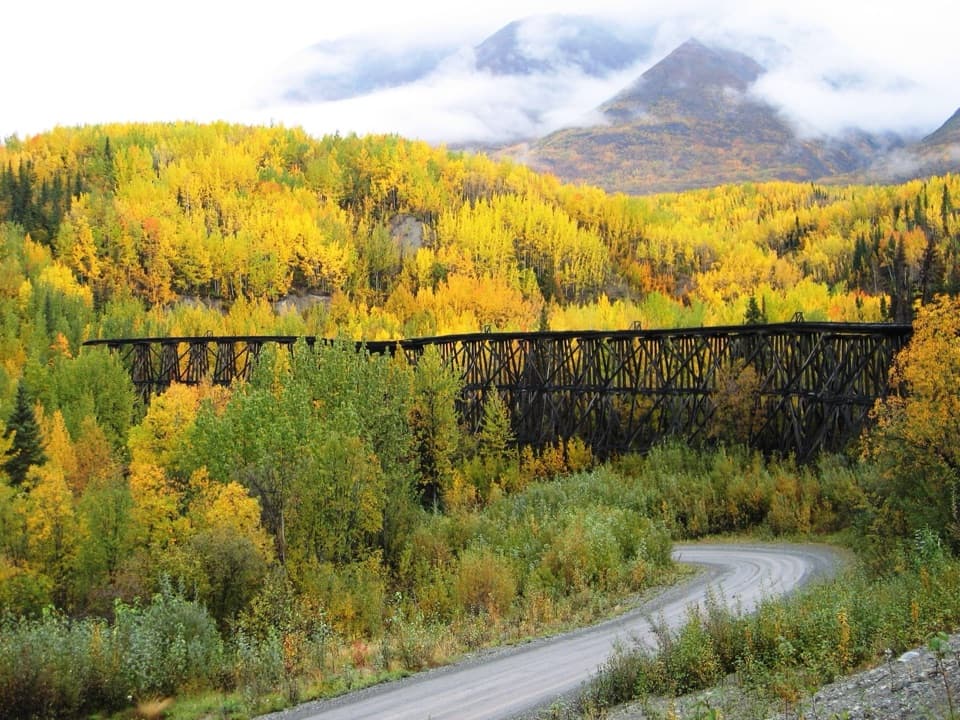
Bonanza’s copper deposit was discovered in 1900, and production began in 1911. Ore from Bonanza and the other mines traveled to the mill by tramway; in severe Alaskan winters, that tramway was the mine’s only access. The mines closed in 1938. The old tramway station remains the most prominent part of the Bonanza site, while little is left of the bunkhouse where miners lived.
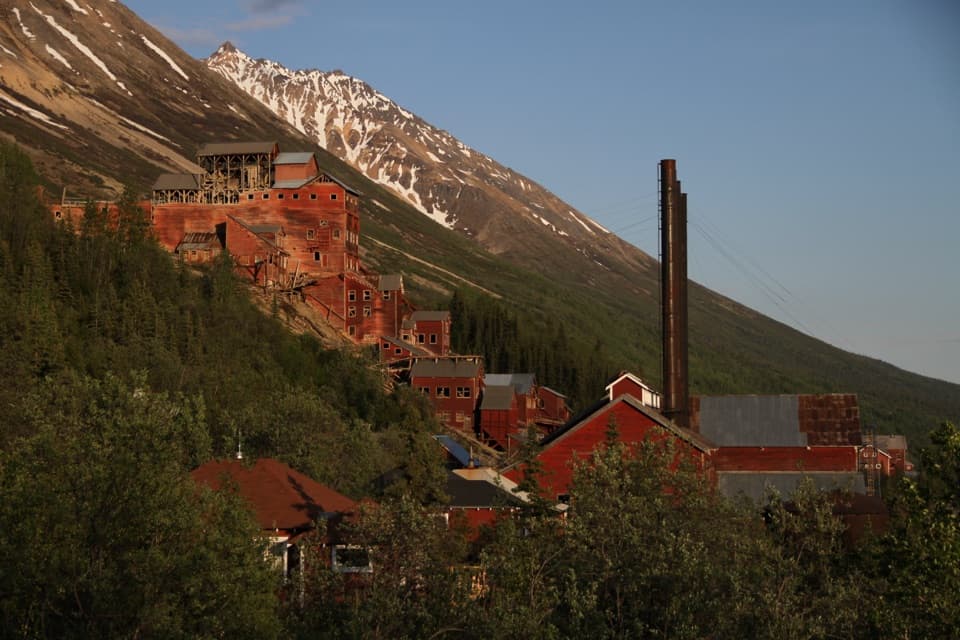
Take in the ridge with the ruinsThe timber structures sit against a bare, rocky slope and jagged outcrops, with broad mountain…
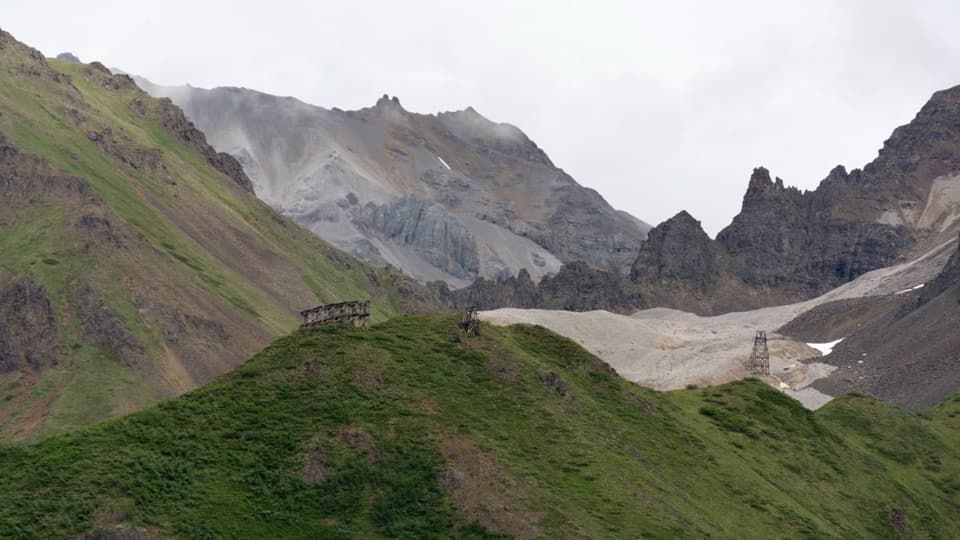
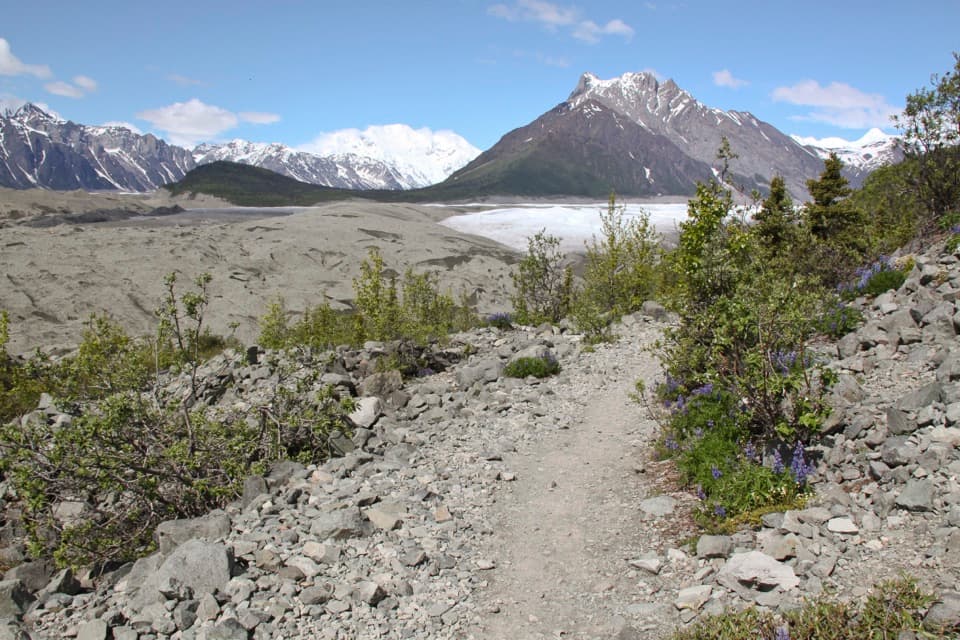
The timber structures sit against a bare, rocky slope and jagged outcrops, with broad mountain and glacier views from the mine area. A wide photo that keeps the wooden remains and ridgeline together shows both the industrial ruins and their exposed alpine setting.
Stay clear of unstable groundGround subsidence around Bonanza Mine was documented in 2024, with the risk of hidden collapses…
Ground subsidence around Bonanza Mine was documented in 2024, with the risk of hidden collapses into old mine workings. Check current hazard maps and posted signs before setting out. Keep away from unstable ground and mine openings, and do not enter closed structures or tunnels.
Wildlife
Wildlife in Wrangell-St. Elias
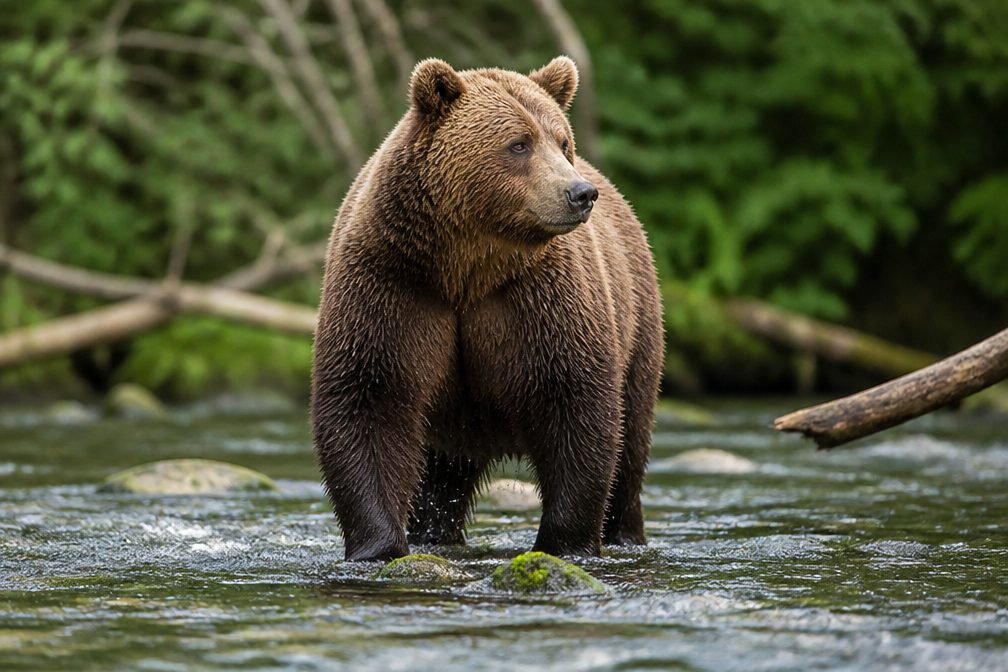 113 sightingsGrizzly BearMost seen around 9 PMSighting map
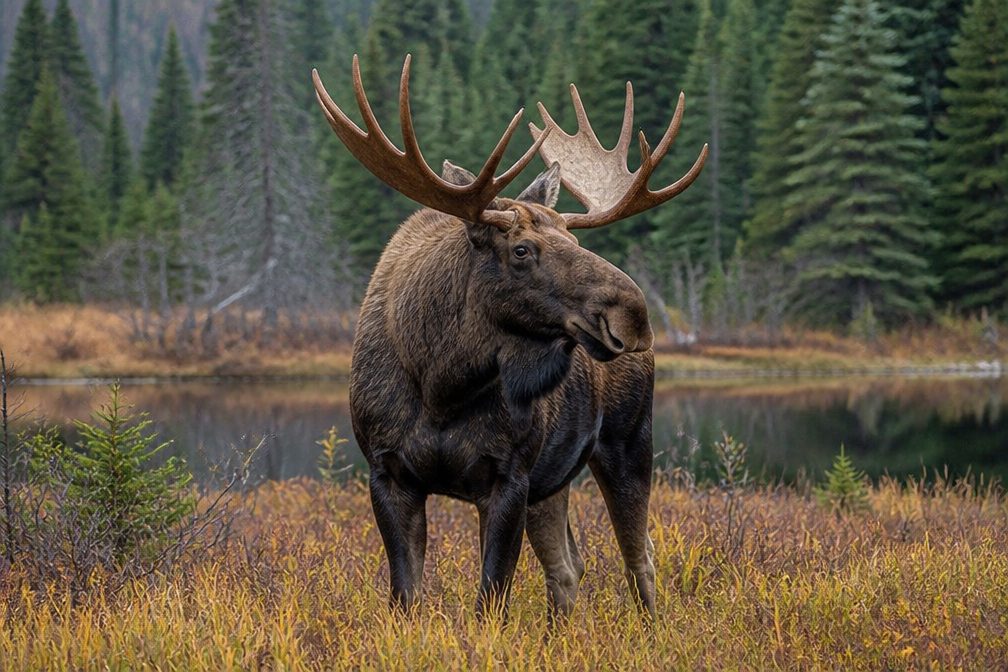 66 sightingsMooseMost seen around 8 PMSighting map
 21 sightingsHumpback WhaleMost seen around 1 PMSighting map
 46 sightingsSteller Sea LionMost seen around 11 AMSighting map
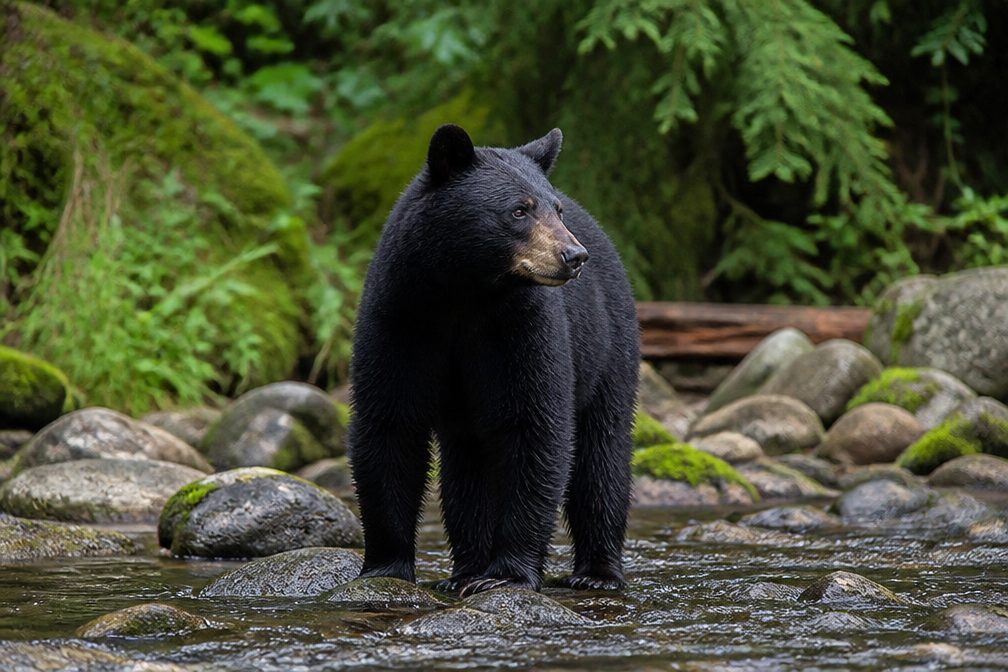 39 sightingsBlack BearMost seen around 8 PMSighting map
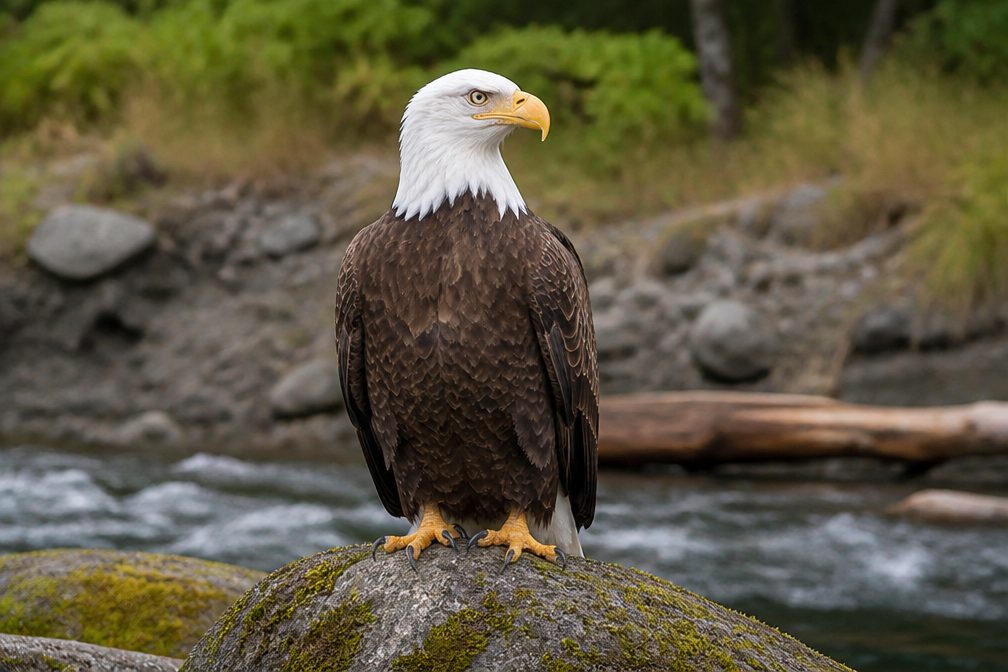 48 sightingsBald EagleMost seen around 5 PMSighting map
Sighting maps show where each species has been reported across Wrangell-St. Elias. Wildlife moves, so no sighting is guaranteed.