Black Sand Basin

Compact boardwalk of vivid pools and lively geysers near Old Faithful
Black Sand Basin, Yellowstone National Park
InsideYellowstone National Park

Overview

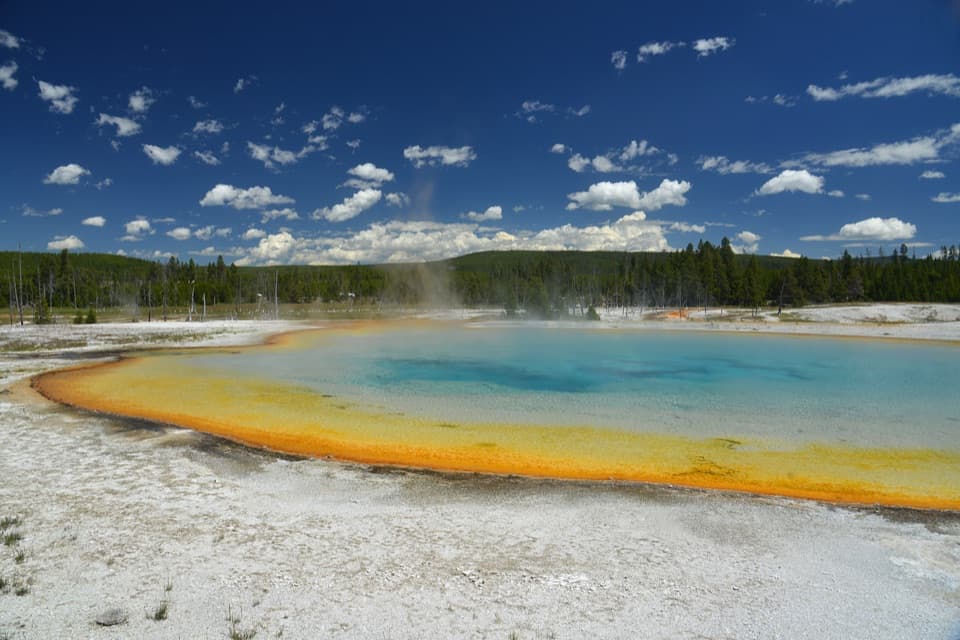
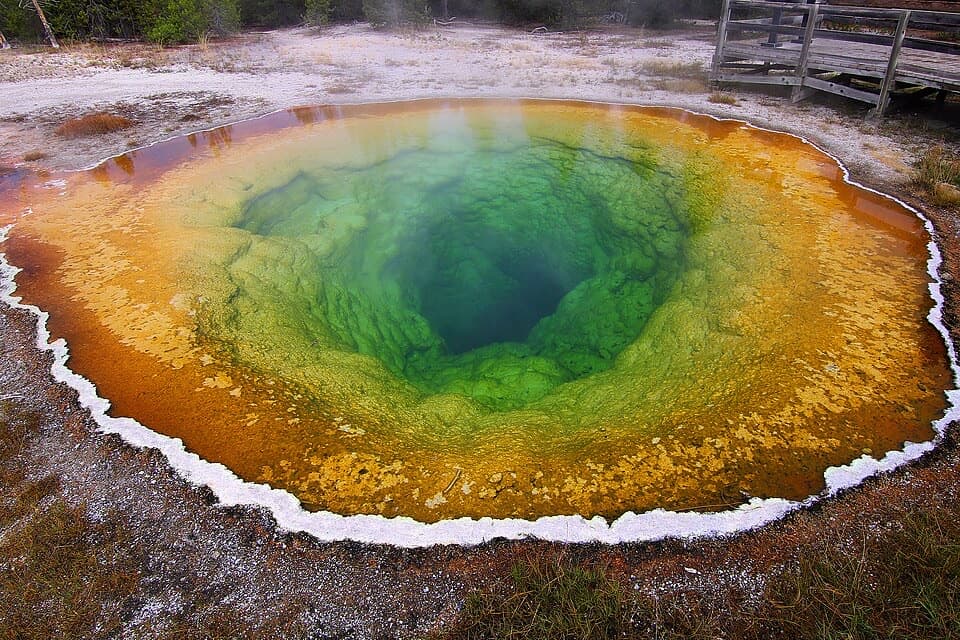
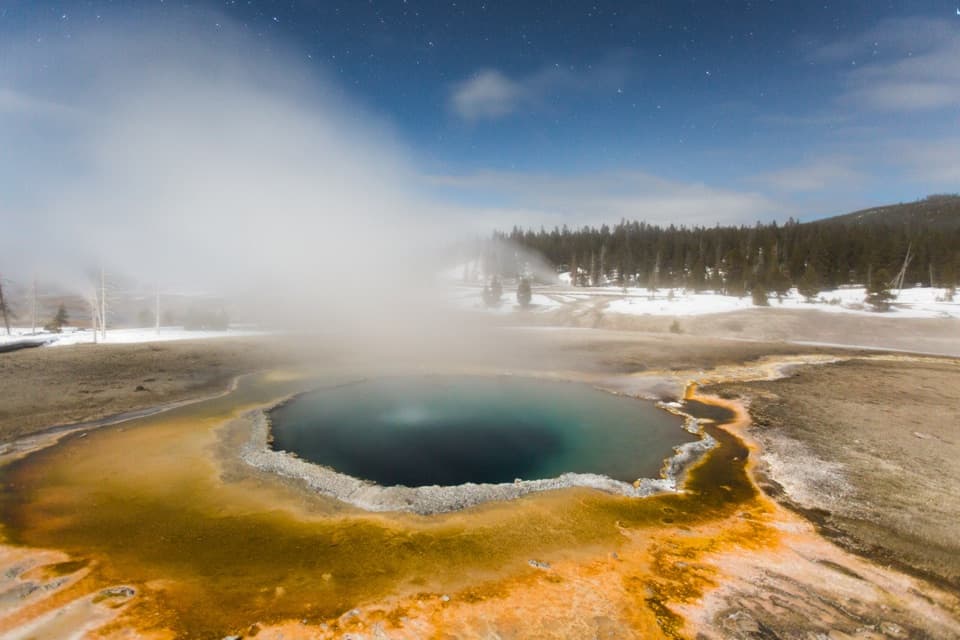
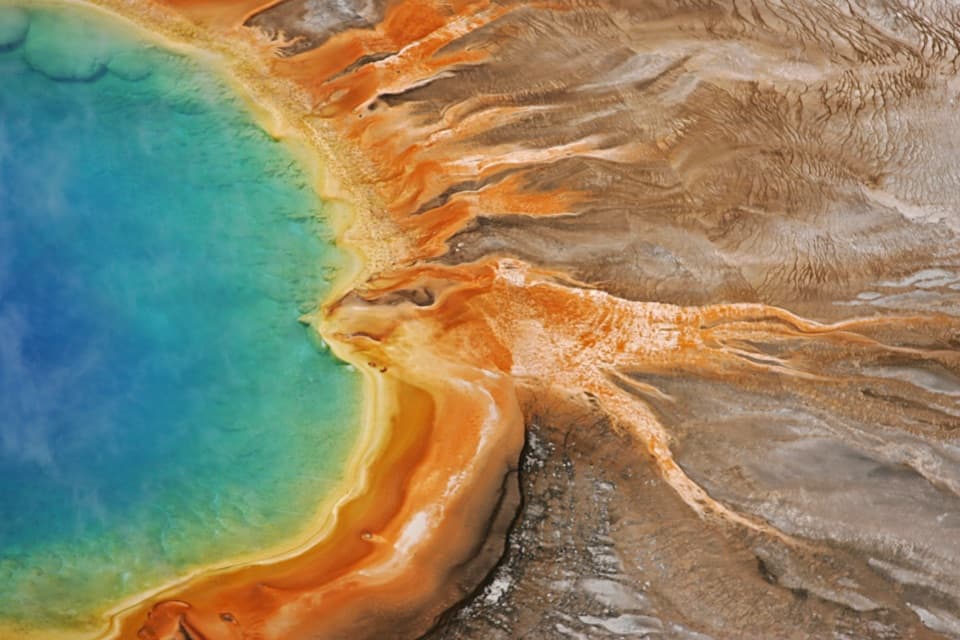
Just northwest of Old Faithful, Black Sand Basin is a small, punchy offshoot of the Upper Geyser Basin named for the specks of obsidian sand that dot the ground. Early geologists called it the “Emerald Group,” and it still delivers that color show: deep greens, fiery oranges, and milky blues packed into a short, easy boardwalk loop you can walk in about 20–40 minutes.

Highlights on the boardwalk

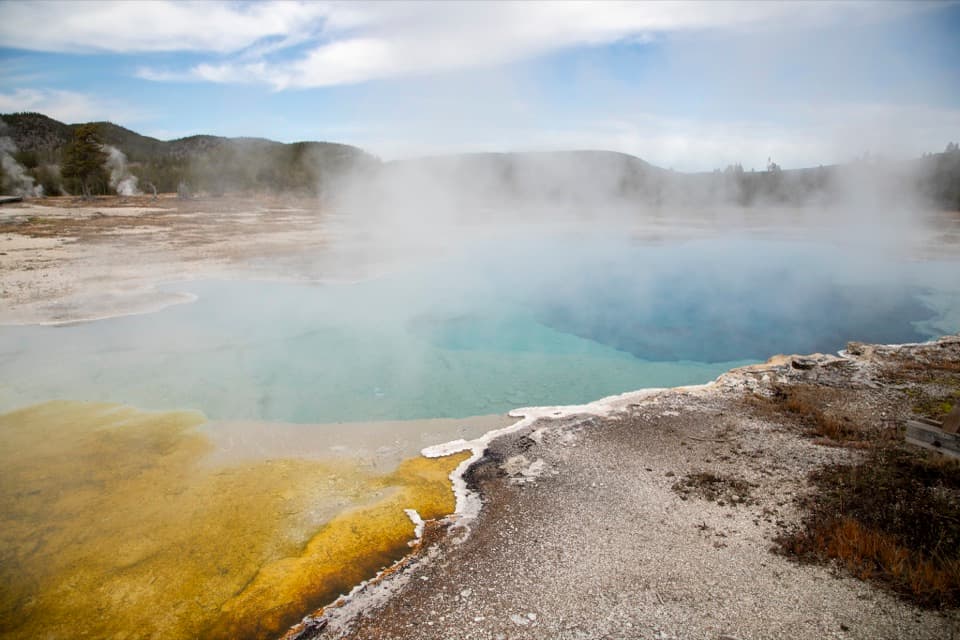
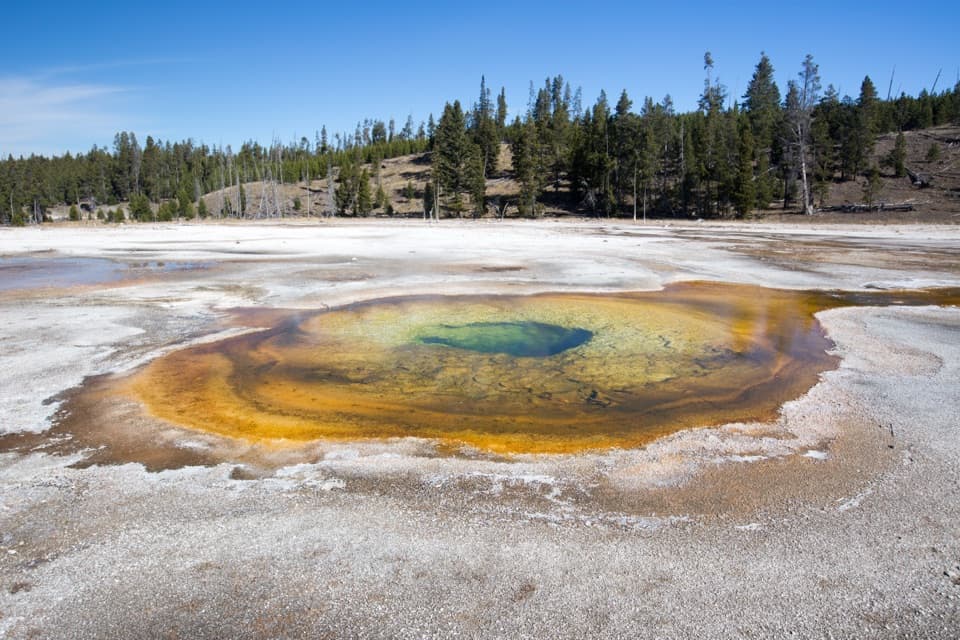
  • Emerald Pool: a glassy, deep green center bordered by orange and yellow microbial mats.
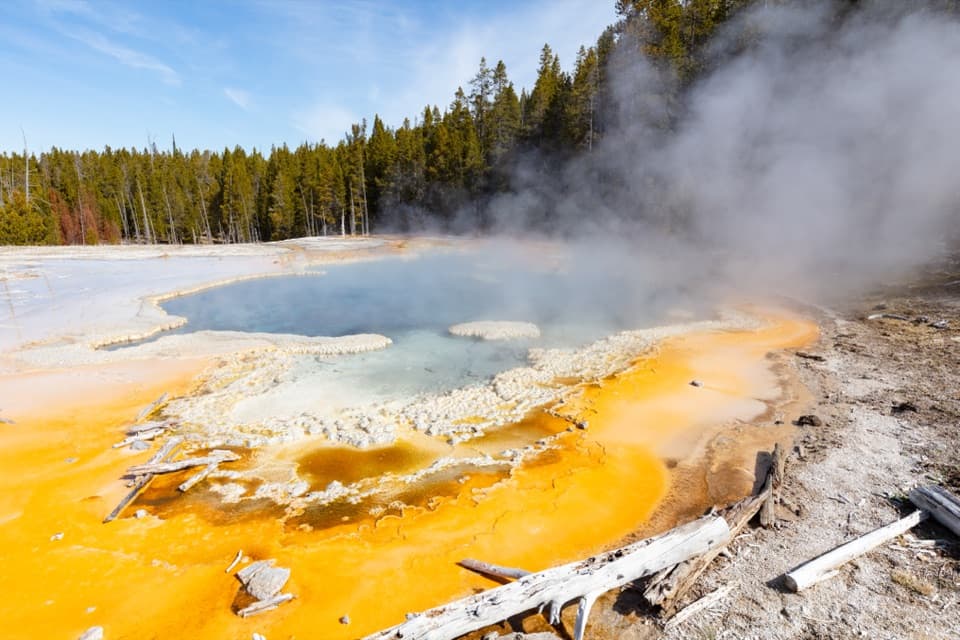
  • Rainbow Pool: wide and aptly named, its cooler edges bloom with colorful thermophiles.
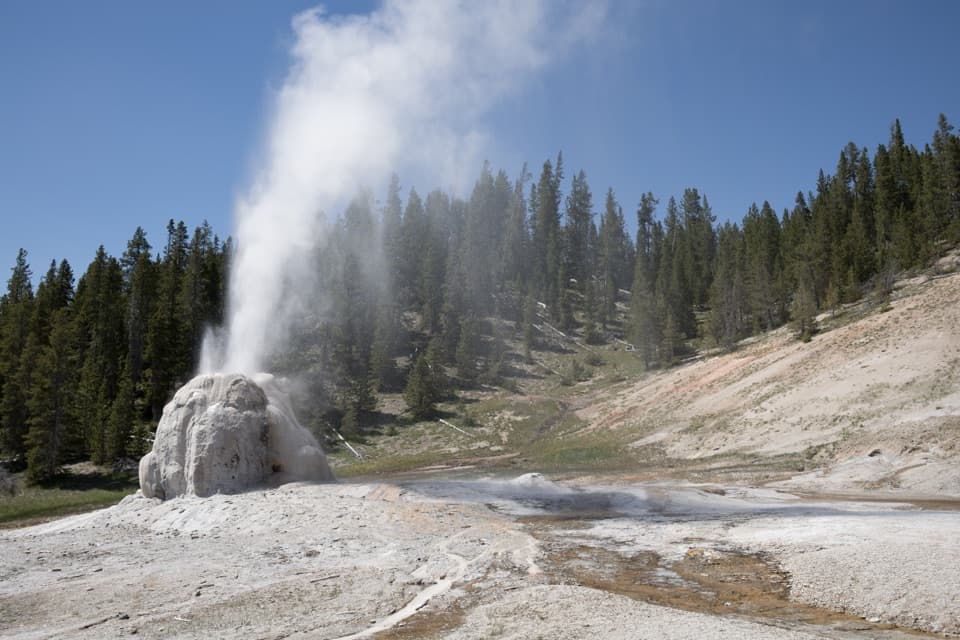
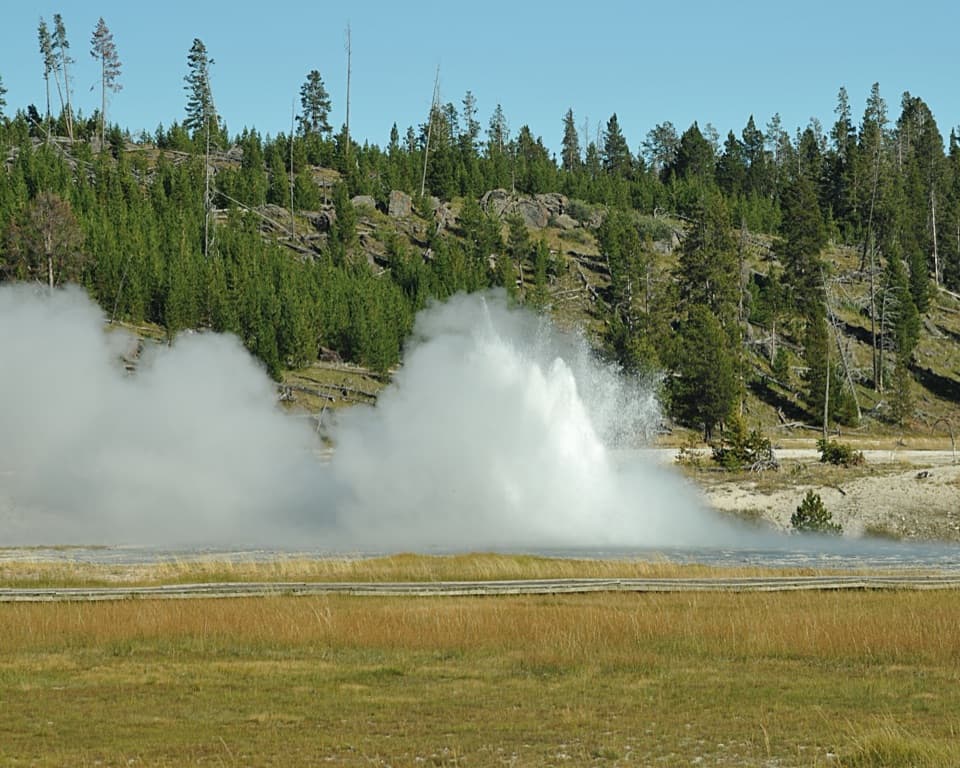
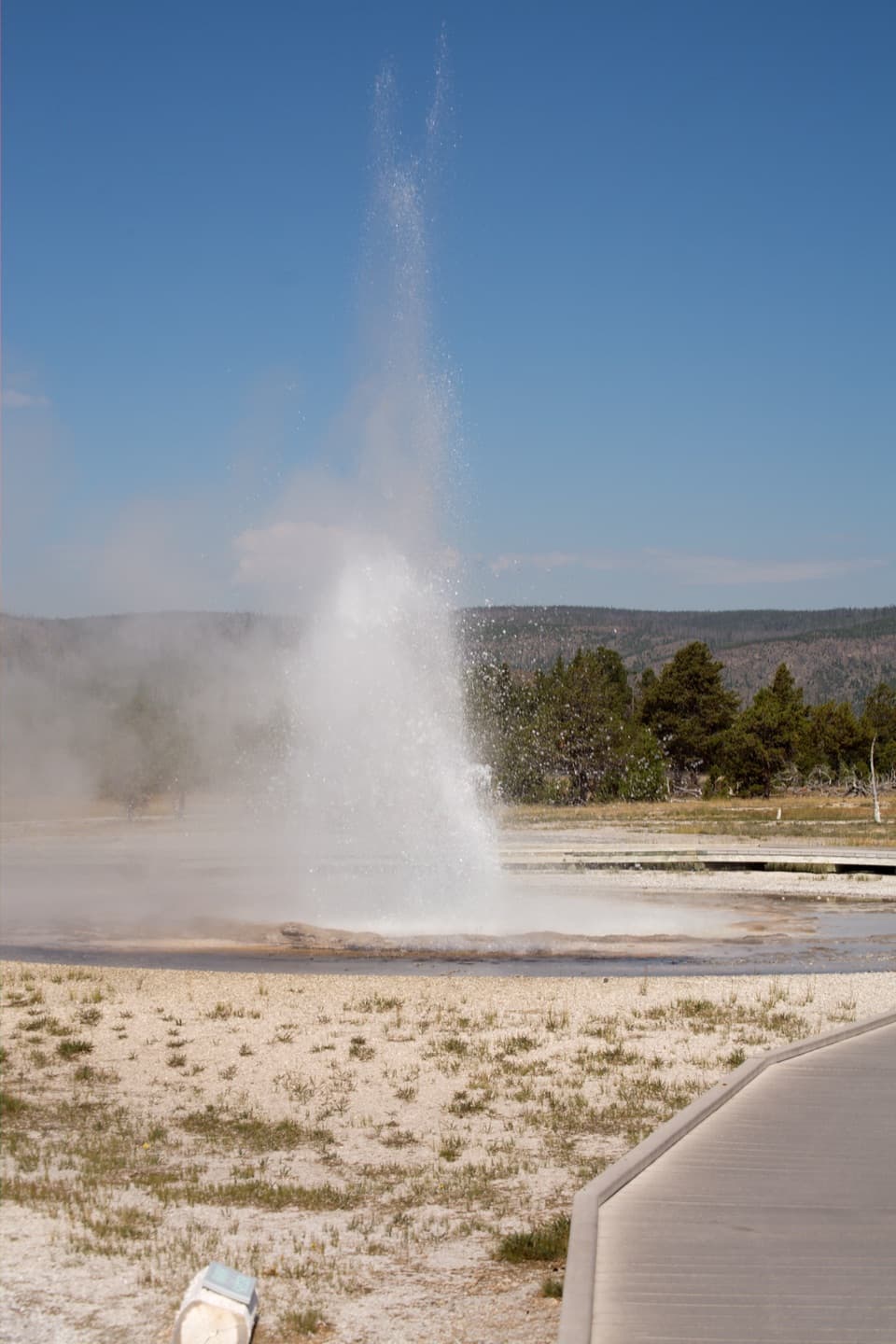
  • Spouter Geyser: near‑continuous, fountain‑type splashes that feed Opalescent Pool.
  • Opalescent Pool: cooler water and bleached “bobby‑sock” tree trunks where mineral‑rich runoff once flooded nearby pines.
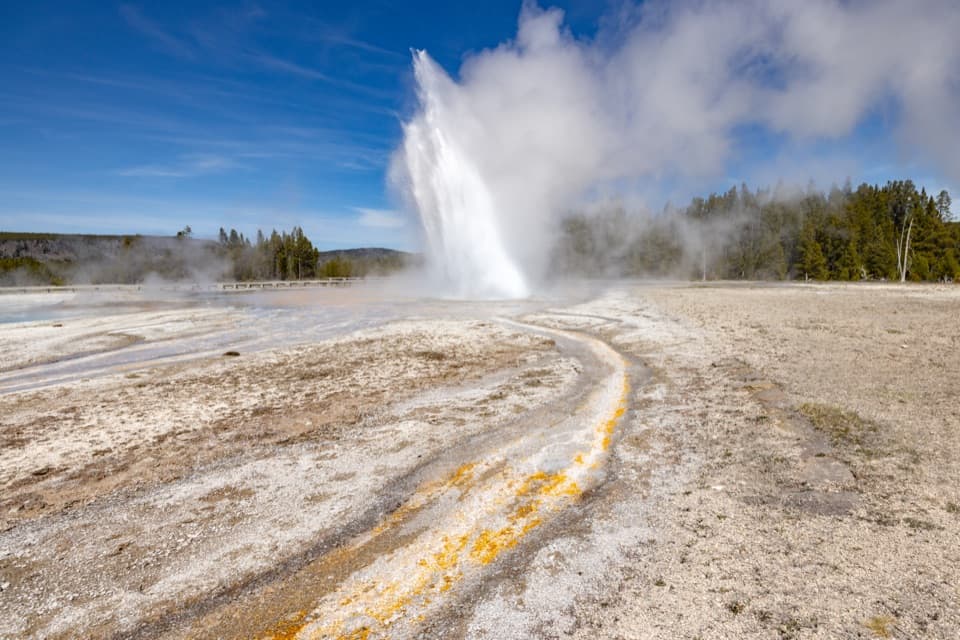
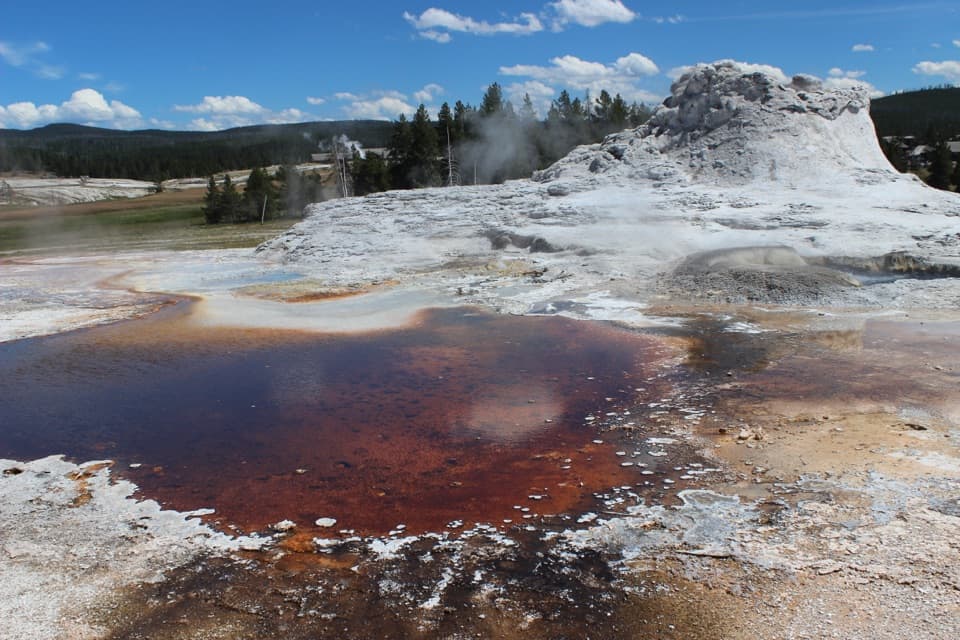
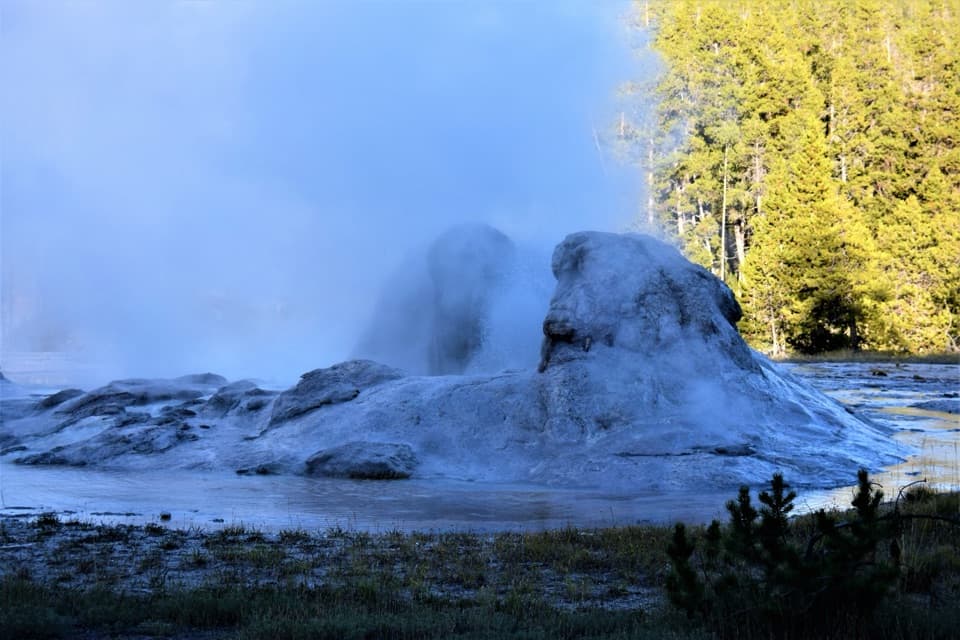
  • Cliff Geyser: perched on the bank of Iron Spring Creek; can throw water high but on an irregular schedule—worth lingering to watch.
  • Sunset Lake: shallow, colorful outflow channels; surged notably after the 1959 earthquake and only occasionally since.
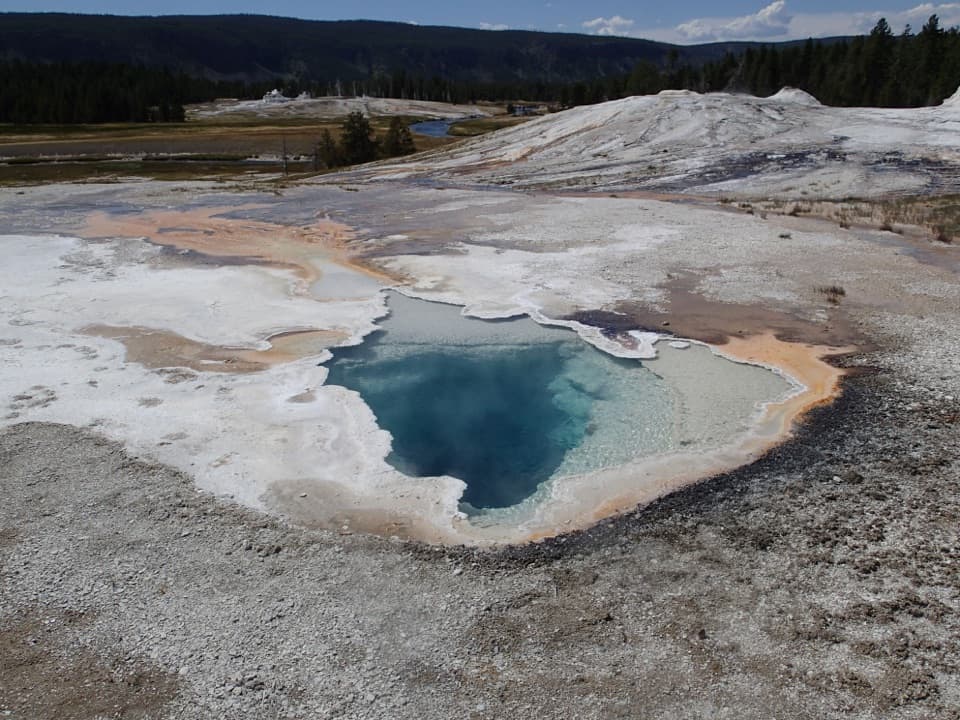
  • Black Sand Pool: a large blue spring that used to erupt; since 2014 it’s mostly boiling and splashing.
  • Handkerchief Pool (history): a once‑popular “laundry trick” stop that ceased working after vandalism plugged it—a lasting reminder not to throw objects into thermal features.

Geology in plain English

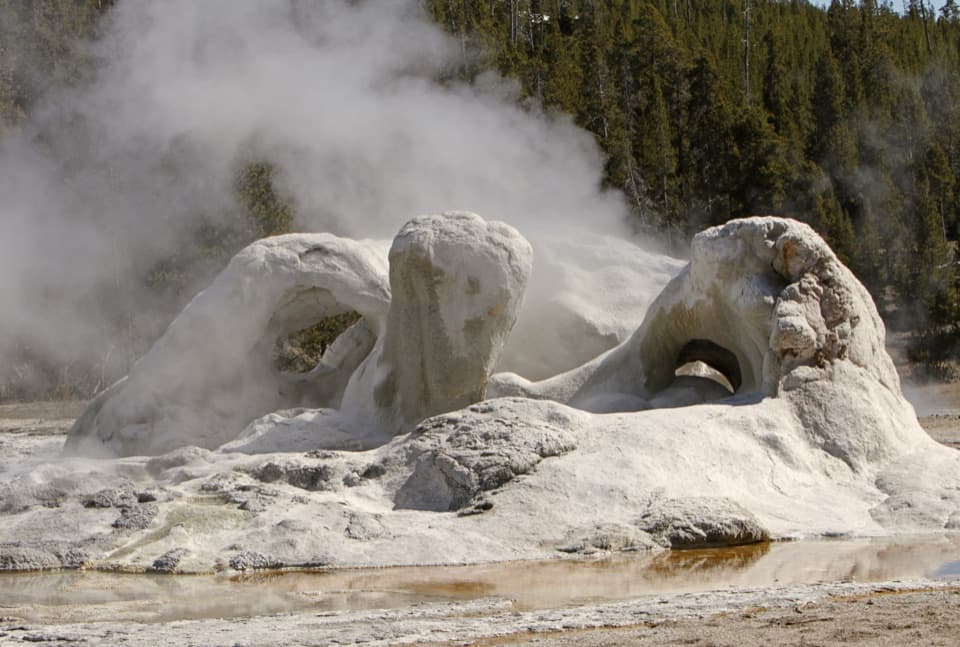
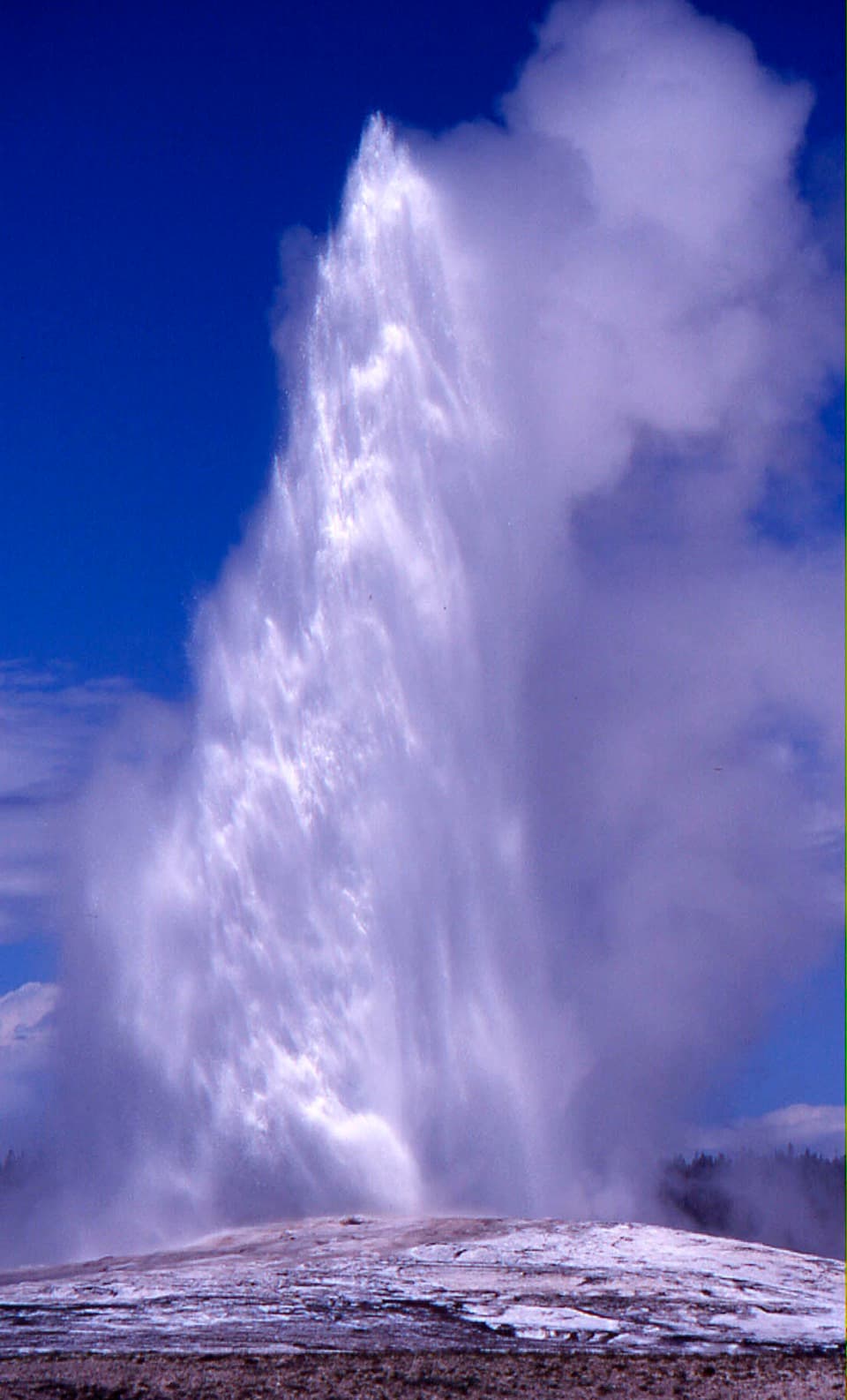
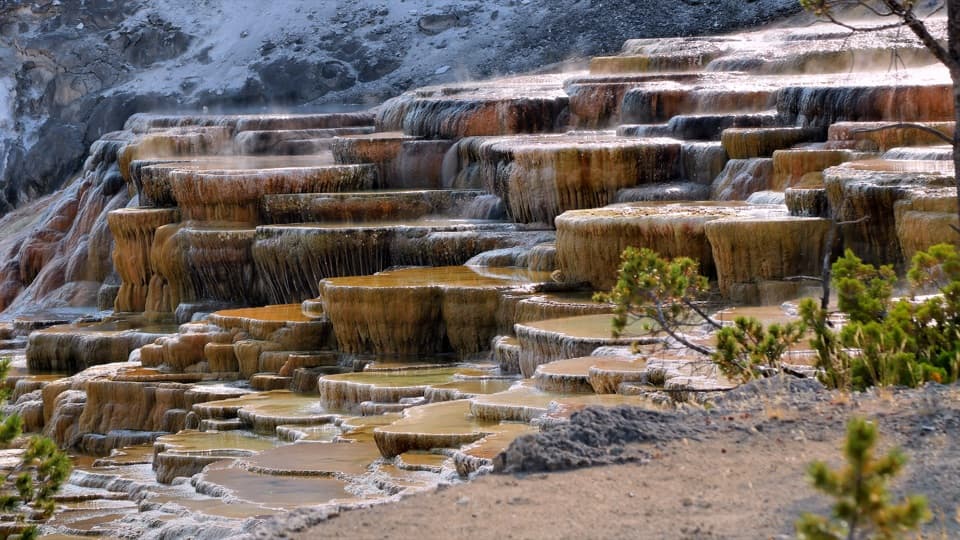
Rain and snow seep down, heat up over a magmatic system a few miles underground, and return to the surface as hot springs and geysers. Springs flow freely; geysers need a plumbing constriction to build pressure and erupt. Waters here deposit siliceous sinter (that pale, crusty rock), a different look and chemistry than the travertine terraces up at Mammoth. The vivid colors come from heat‑loving microorganisms that thrive at different temperatures.

Wildlife and safety

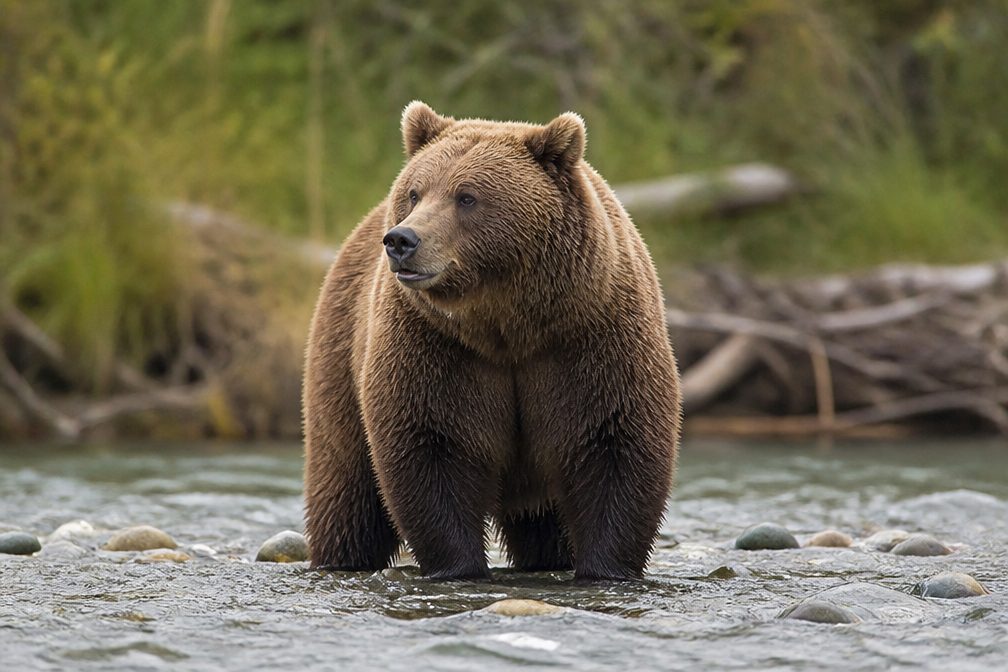
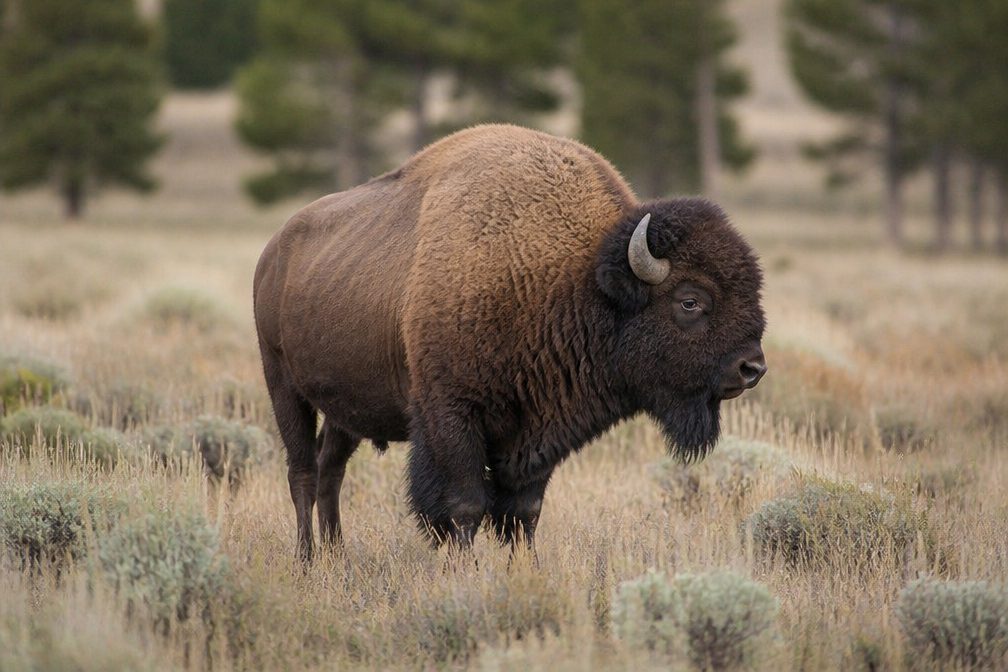
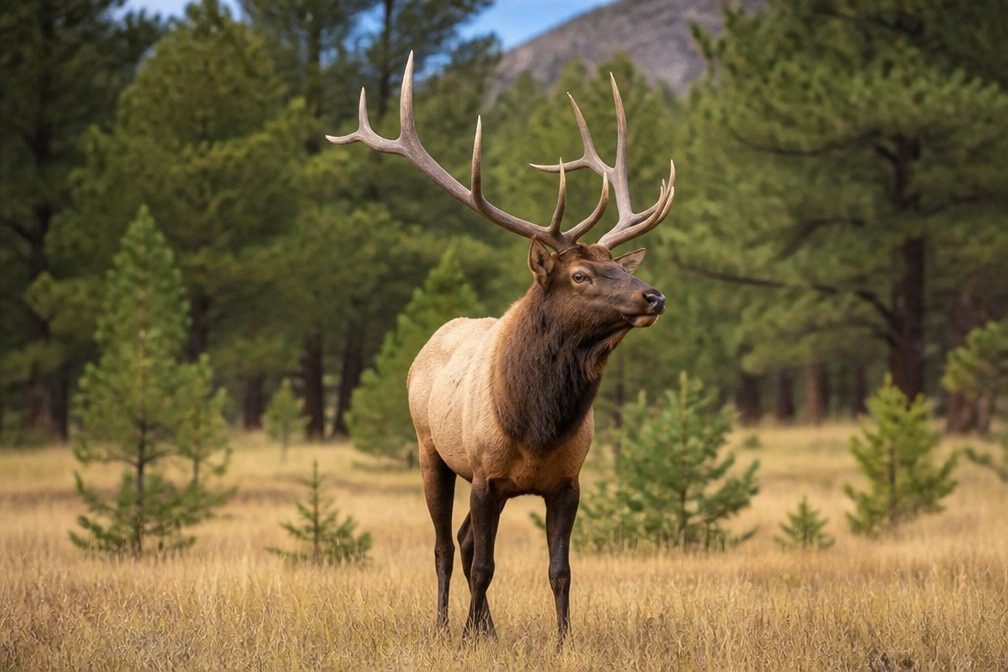
Bison and elk do wander through from time to time. If animals are on the boardwalk, wait—do not step off to go around. Thermal areas are unforgiving: stay on boardwalks and marked trails, supervise kids, don’t run or push, and never touch the water or microbial mats.

Practicalities

It’s a short, flat boardwalk loop with limited parking. Multiple visitors note there are no restrooms here; the nearest facilities are in the Old Faithful area or at other nearby basins. In winter, the area is reachable via a marked ski trail from the Old Faithful Visitor Center.

Best time to visit

Crowds peak midday, especially early‑ to mid‑week; popular‑times data shows the heaviest use roughly 11 am–3 pm. Aim for early morning or after 4 pm for easier parking and a calmer boardwalk. Colors pop differently as light and clouds shift; cool mornings can add dramatic steam. Most people spend up to 30 minutes here, but lingering pays off if you’re waiting on Cliff Geyser.

Pros

  • Compact boardwalk with a dense mix of vivid pools and geysers
  • Cliff Geyser often active beside Iron Spring Creek

Cons

  • Small parking lot that fills midday
  • No restrooms at the parking area

Tips

  • Arrive early or after 4 pm for easier parking and fewer crowds.
  • Plan 20–40 minutes to stroll the short boardwalk loop.
  • There are no restrooms here—use facilities at Old Faithful or Midway first.
  • If wildlife blocks the path, wait; never step off the boardwalk.
  • Linger at Cliff Geyser—it often sputters and can erupt on active days.
The Parkwolf tour guide sitting on a phone mounted in a car

Parkwolf Tour Guide

Like a tour guide in your car.

Save the places you found around Yellowstone, then let Parkwolf guide the drive between them.Download Parkwolf on the App Store