
Place · 1.3 mi away
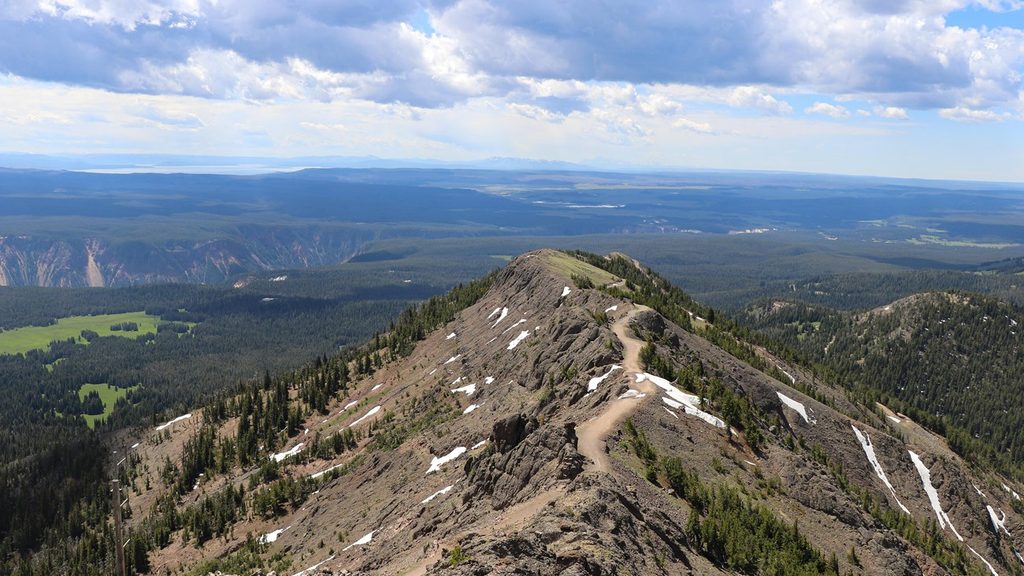
Mount Washburn (10,219 ft) is one of the park’s classic summit hikes—broad, open slopes that rise above treeline to a historic fire lookout with wraparound views. It also doubles as a crash course in Yellowstone geology: this peak is part of the older Absaroka volcanic range, while the panorama takes in the younger Yellowstone Caldera to the south.
Both routes are well-traveled and lead to the same summit lookout. Expect no water on either route and very changeable weather.
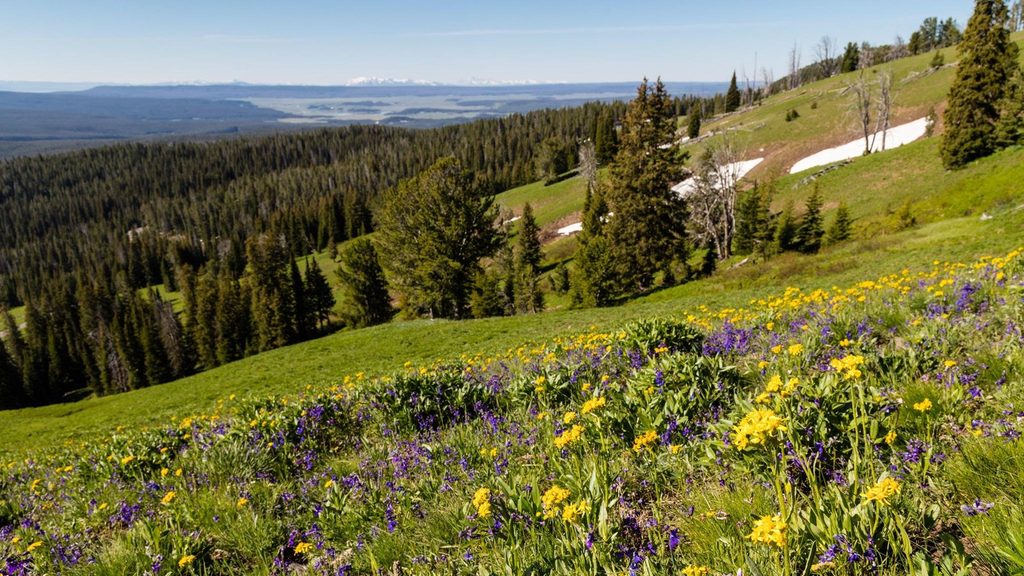
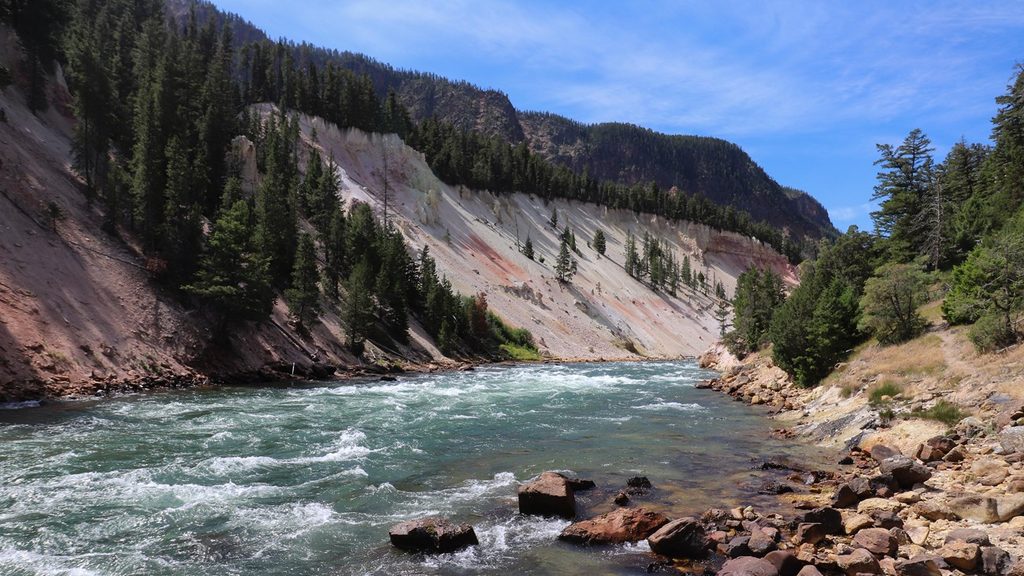
From the top, the views fan out to the Absarokas, the Yellowstone Caldera, Yellowstone Lake, and on crystal-clear days even the distant Tetons. You’ll look over the Grand Canyon of the Yellowstone, cut into altered rhyolite. Along the way, keep an eye out for bighorn sheep and summer wildflowers.
Washburn’s slopes are remnants of ancient Absaroka stratovolcanoes (about 53–43 million years old). Driving or hiking the corridor between Tower and Canyon, you pass layers tied to this era as well as younger basalt flows and caldera-related rocks—proof that Yellowstone’s landscape is a stack of volcanic chapters.
At the summit, the base of the fire lookout typically has exhibits and vault toilets (no water). Dunraven Pass has vault toilets; near Chittenden Road there’s a roadside vault toilet just south of the spur.
Best in summer once the snow melts. It’s often windy and can feel cold even on warm days. Thunderstorms are a real hazard above treeline—turn around if storms build. In fall (Sep–Oct), grizzly activity increases; the park advises against hiking here then.
Start early for cooler temps, easier parking, calmer winds, and fewer people. Mid-mornings and weekends are busier. Late-afternoon light can be gorgeous, but watch for storms.
Carry bear spray and give all wildlife ample space. The trail is exposed: sun, wind, and lightning are the big factors. No water on route—bring plenty. Altitude makes the effort feel tougher; pace yourself and layer up for the summit.
Place · 1.3 mi away
Place · 2.3 mi away
Place · 5 mi away
Place · 5 mi away
Moderate · 1.3 mi away
Moderate · 1.9 mi away
Challenging · 4.1 mi away
Challenging · 5.1 mi away

Parkwolf Tour Guide
