West Thumb Geyser Basin

Lakeside geysers and jewel-toned pools with big lake-and-mountain views
West Thumb Geyser Basin, Yellowstone National Park
InsideYellowstone National Park

Overview

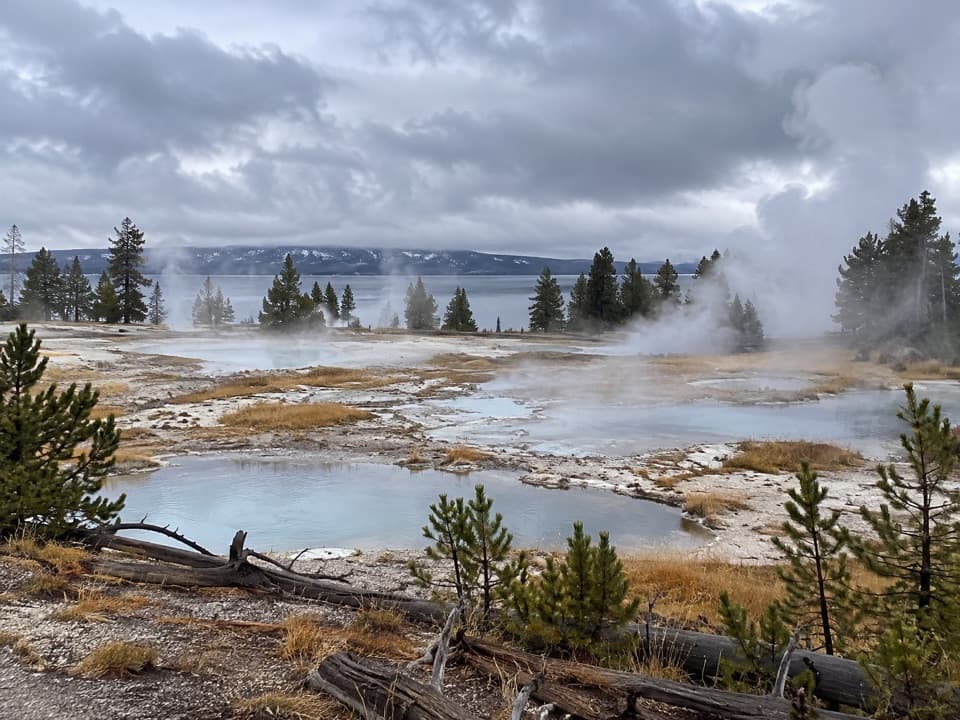
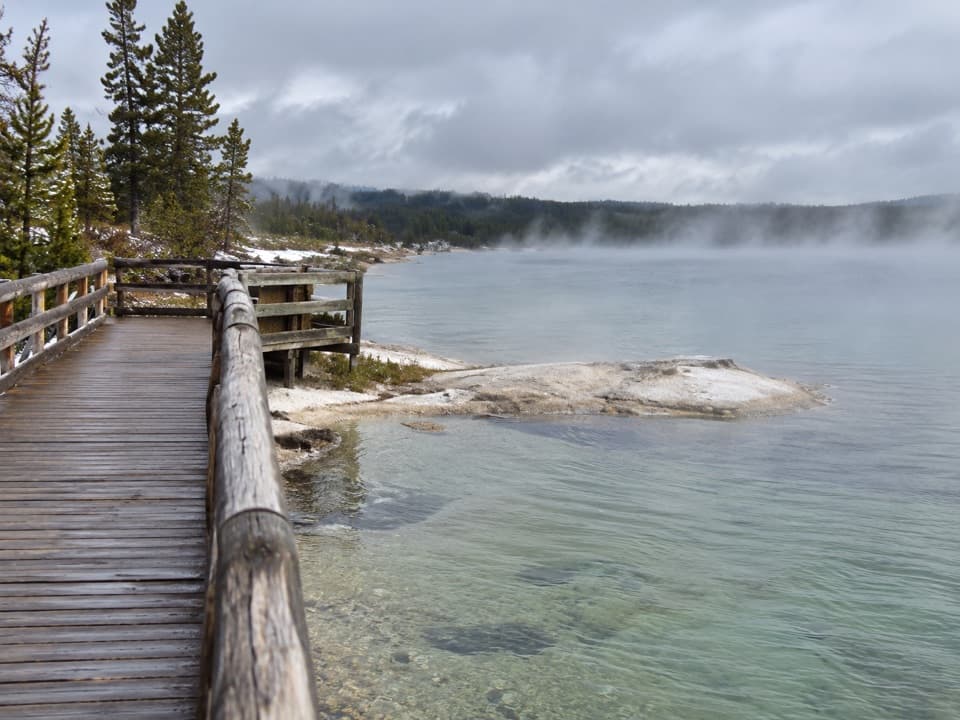
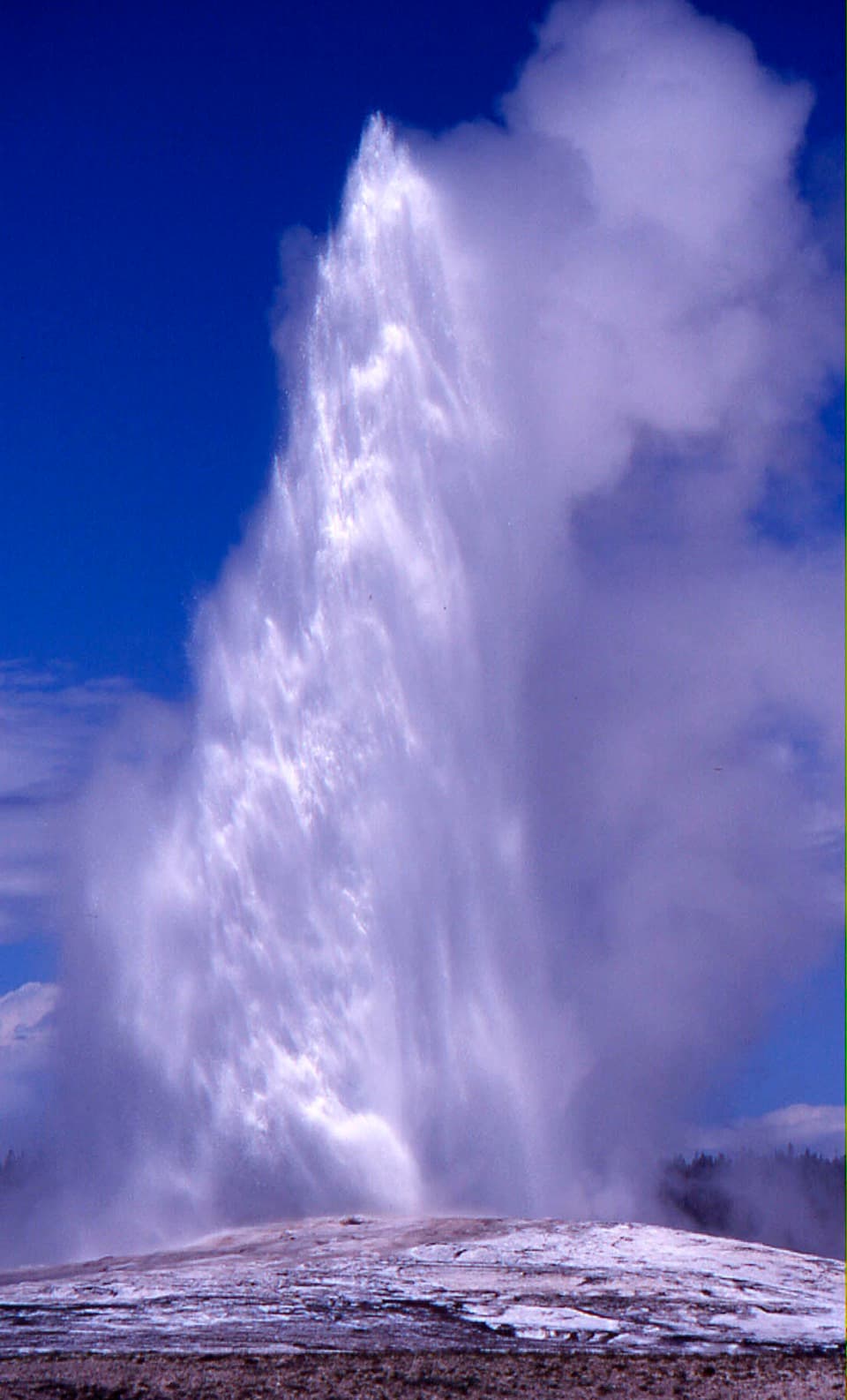
Tucked against the shore of the lake’s “thumb,” West Thumb Geyser Basin squeezes a surprising variety of hot springs, mud pots, and occasional geysers into a compact, ultra-scenic setting. Steam rises beside waves—this is one of the few places where you can see shoreline and even underwater vents right off the boardwalk.

What You’ll See

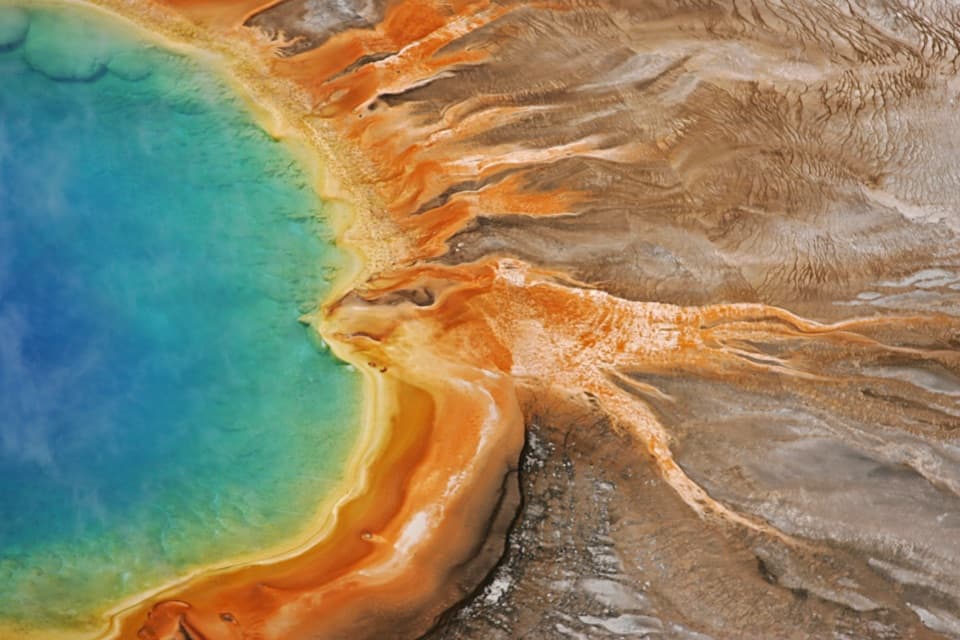
  • Abyss Pool and Black Pool: deep, vividly colored springs that showcase classic “inverted cone” shapes and clear, blue water.
  • Fishing Cone and lakeshore vents: famous cones and geysers right at the water’s edge; in higher water years or early summer, some may be submerged.
  • West Thumb Paint Pots: mud pots that change character with shifting water levels and seasons.

Expect two simple boardwalk options—an outer ~1/2‑mile loop and an inner ~1/4‑mile loop—so you can tailor your stop from a quick sampler to a leisurely lap with plenty of photo pauses.

Geology Snapshot

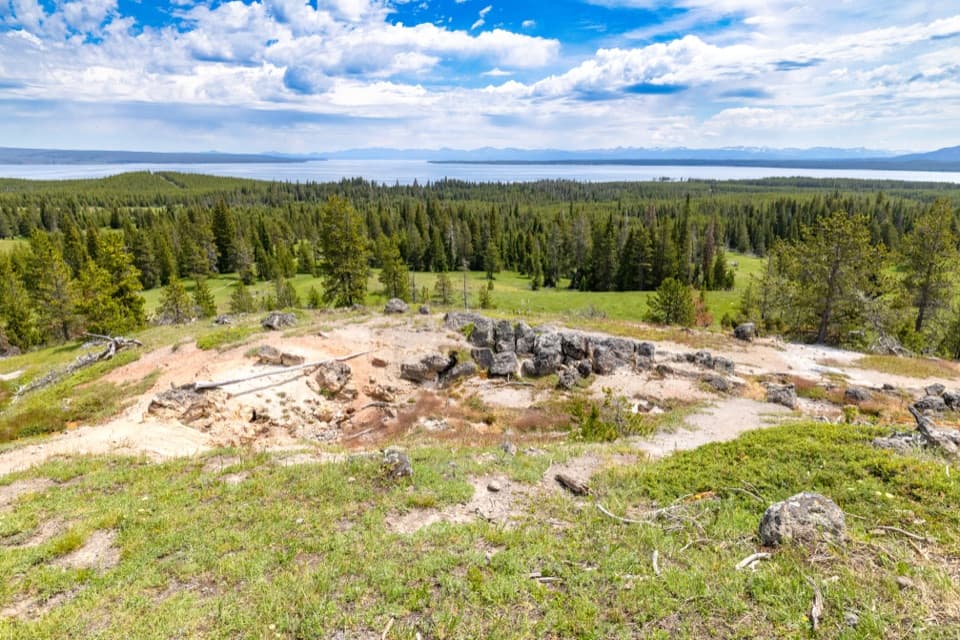
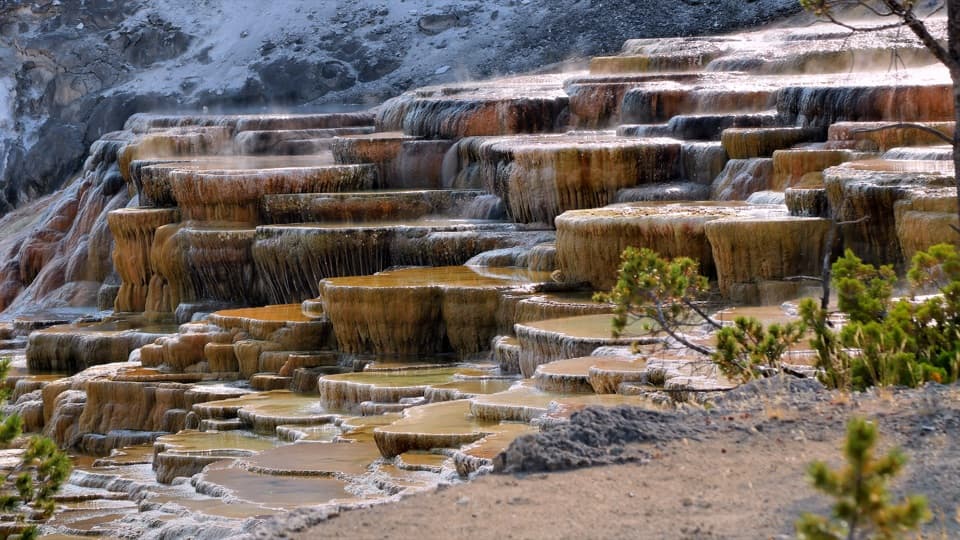
West Thumb is a caldera within the larger Yellowstone Caldera, born from a big volcanic event roughly 174,000 years ago. Ring fractures from that collapse still feed the basin’s heat, sourced about 10,000 feet below. The result: springs running from under 100°F to just over 200°F, colorful microbial mats where waters cool, and a rare mix of on‑shore and underwater features.

Wildlife

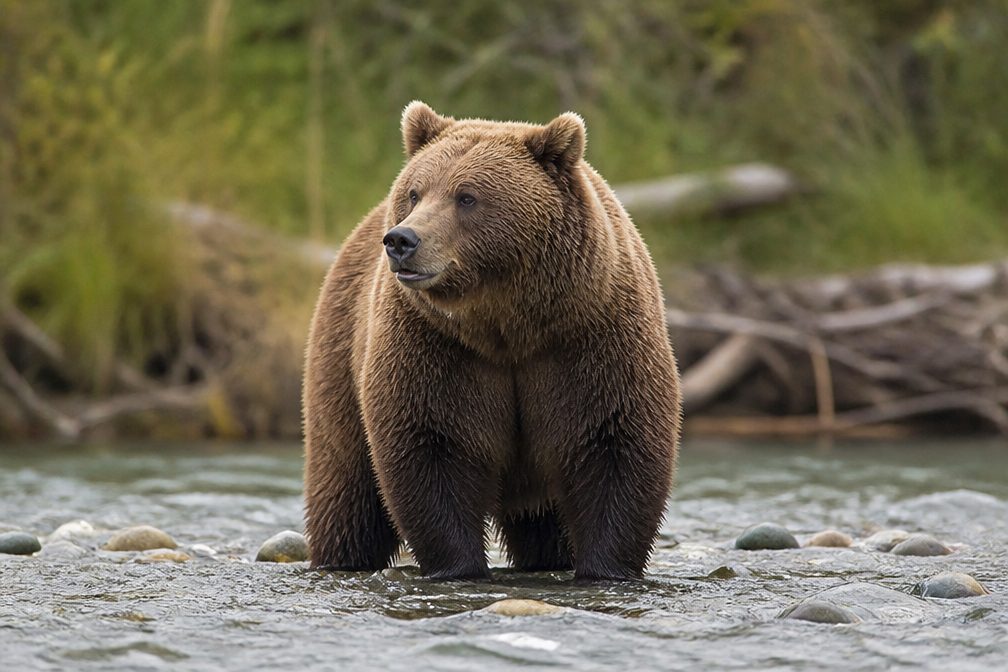
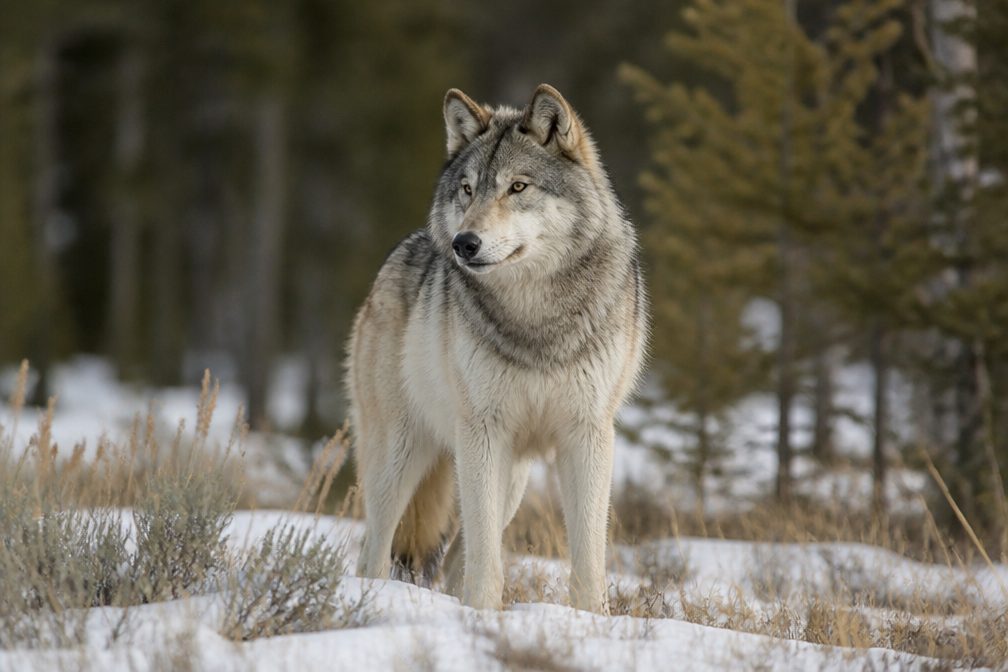
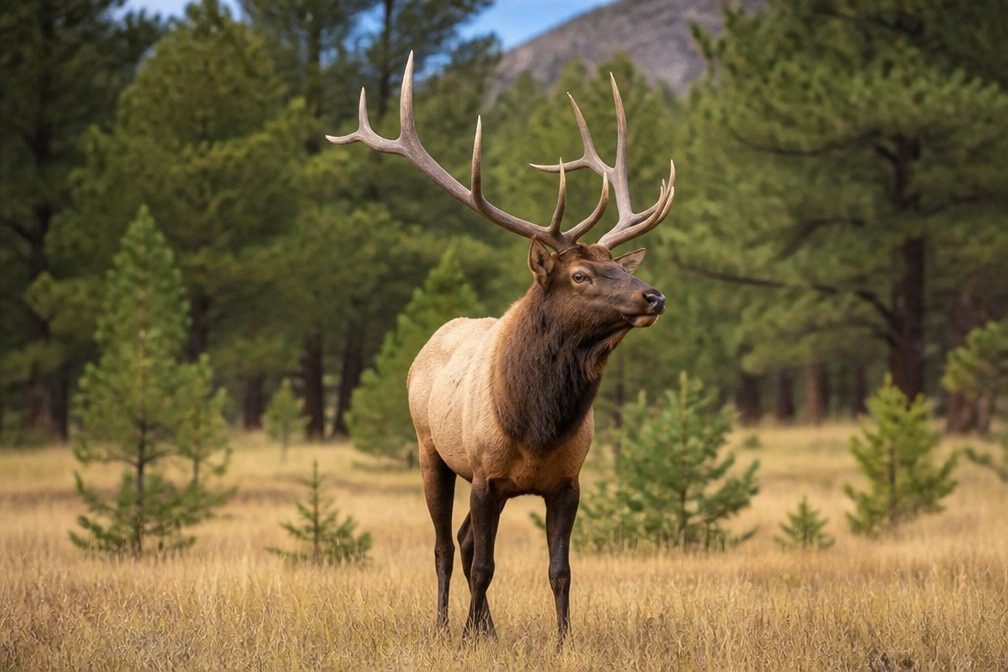
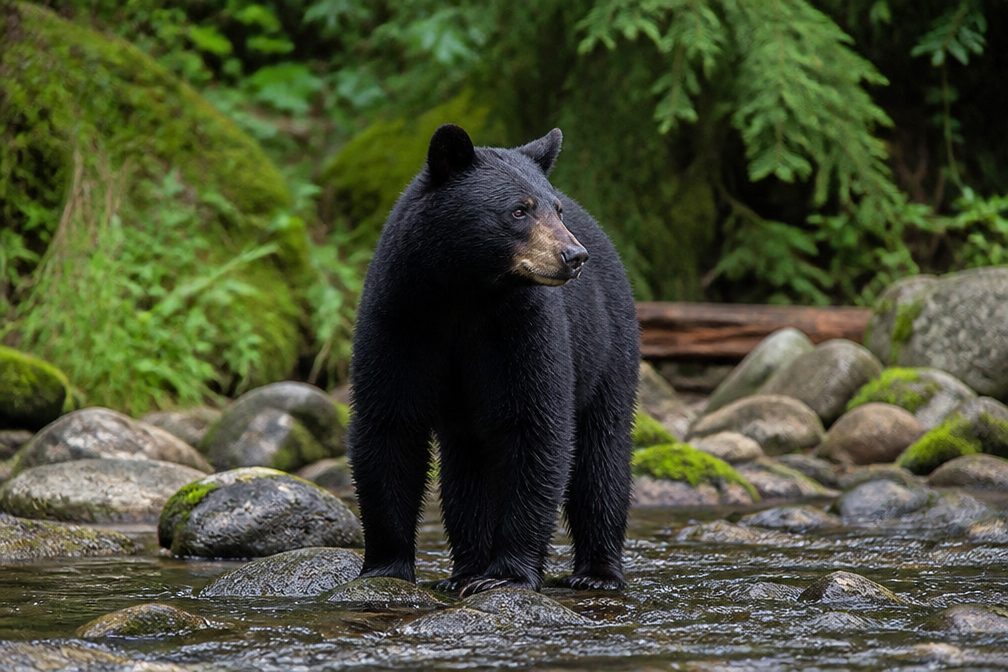
This shoreline is a magnet for birds—watch for bald eagles and ospreys hunting the bay. In spring, bears may roam the broader area when cutthroat trout are spawning; elk cows with calves are also common in late spring and early summer. In winter, lucky visitors sometimes spot pine marten, otters, or coyotes.

Amenities and Logistics

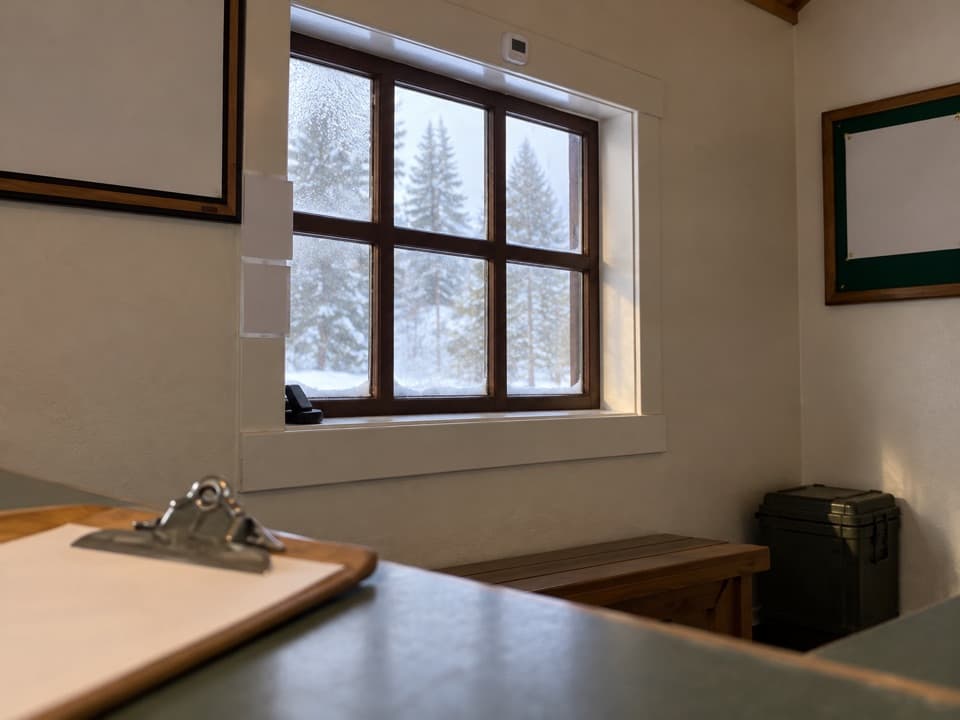
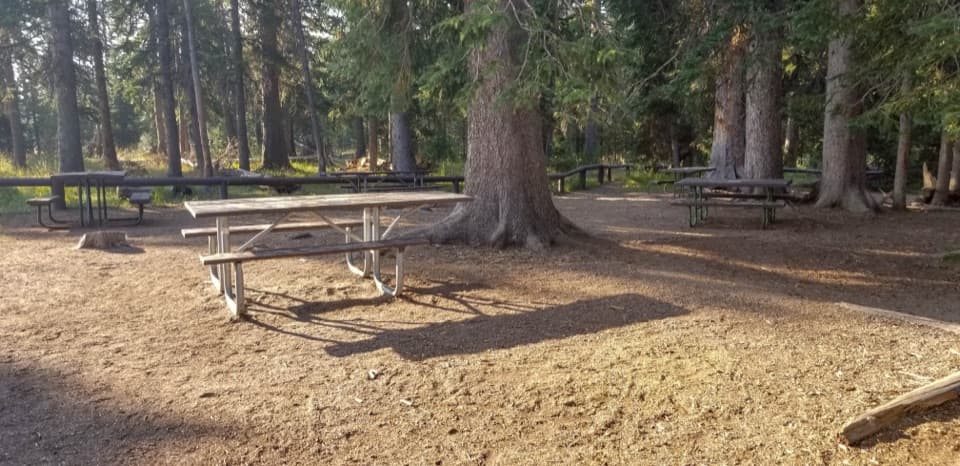
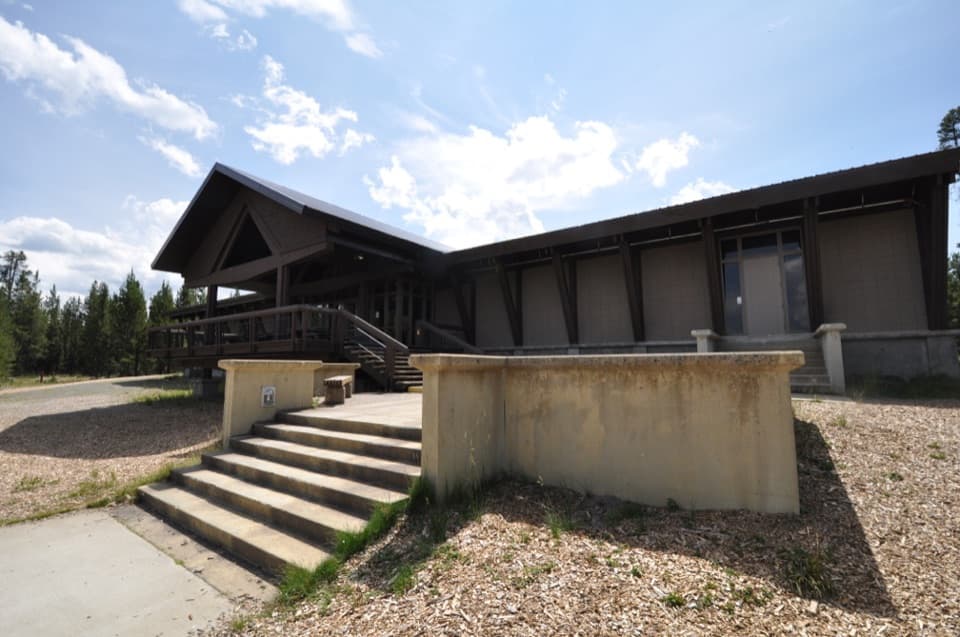
You’ll find restrooms, picnic tables, and a small bookstore/information station in the historic ranger station near the parking area. The boardwalks are straightforward, well‑signed, and make this one of the easier big‑reward stops on the south‑lake loop.

Best Time to Visit

  • Light and photos: Mornings bring softer light on the pools and the Absaroka skyline. Late afternoon can also be gorgeous as the steam backlights against the lake.
  • Crowds: Midday is busiest; plan for an early start or late‑day stroll for a calmer loop.
  • Seasonal quirks: Early summer lake levels can cover some shoreline vents like Fishing Cone; by late summer and fall, more features are exposed.

Pros

  • Rare lakeside thermal features with big lake-and-mountain views
  • Short, easy boardwalk loops that hit many highlights

Cons

  • Some lakeshore vents can be underwater in early summer
  • Smaller scale than Old Faithful or Norris, and can be busy midday

Tips

  • Do the outer loop clockwise first for the best lakebackdrop reveals.
  • Arrive early or after 4 PM to dodge the midday crowd pulse.
  • Expect some lakeshore vents to be underwater in early summer; late summer shows more.
  • Stay on boardwalks and never toss coins or objects into the pools.
  • Bring a wind layer—the lakeshore breeze can make the steam feel chilly.
The Parkwolf tour guide sitting on a phone mounted in a car

Parkwolf Tour Guide

Like a tour guide in your car.

Save the places you found around Yellowstone, then let Parkwolf guide the drive between them.Download Parkwolf on the App Store