Parking
Use the West Thumb Geyser Basin parking area. The trail leaves from the lot’s southeast corner; this lot also serves the basin boardwalk.
Yellowstone National Park, WY · MT · ID
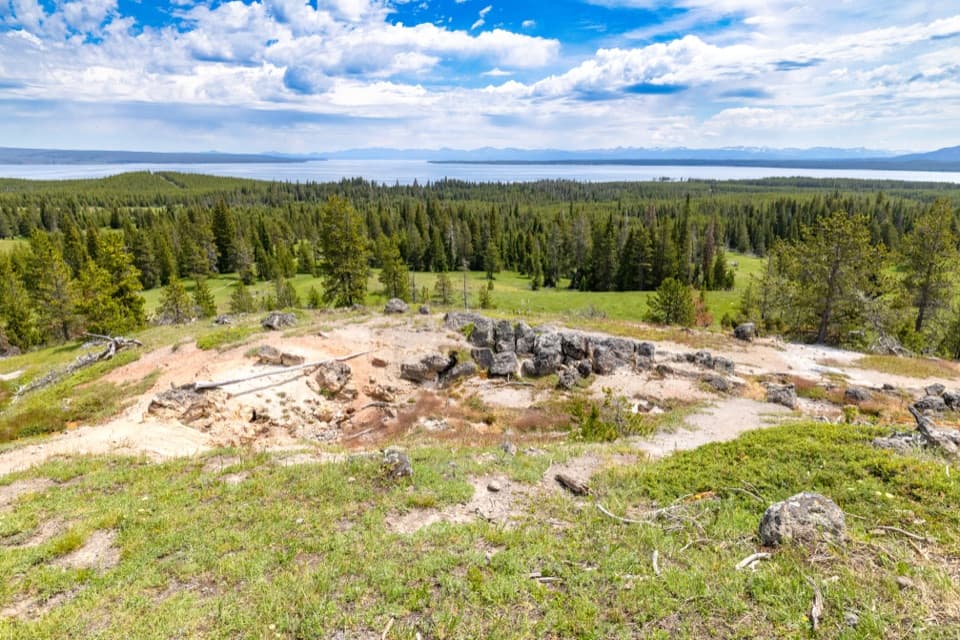
Climb to a broad lake-and-Absaroka view above West Thumb
Overview
Map & elevation
Plan your hike
The highest, rockiest slopes around here are a summer buffet for grizzly bears.
Yellowstone Tour Guide
Parkwolf is a GPS audio tour guide for Yellowstone National Park. As you drive, it chimes in with what’s ahead: hidden gems, upcoming stops, history, geology, and wildlife, right through your car’s speakers.
See the Yellowstone audio tourRecorded for this trailhead
West Thumb Geyser Basin“You're nearing West Thumb Geyser Basin, where the boardwalk puts hot springs beside the open water of Yellowstone Lake.”
Plays as you drive up to this trailhead in the Parkwolf Yellowstone Tour Guide.
More stories near here in the app
“First time driving through a national park. We used the Yellowstone tour on grand loop Road and it’s just like having a tour guide in your car with you.”


Trail guide
Yellowstone Lake Overlook Trail is a lollipop loop from the West Thumb Geyser Basin parking area to a high meadow above Yellowstone Lake. The listed distance is 1.7 miles; mapping the loop and the approach you retrace comes to about 1.8 miles. It is a good short hike when you want a proper climb and a wide view over West Thumb toward the Absaroka Mountains. Allow 1–3 hours, especially if you want time at the overlook bench.
Start at the southeast corner of the basin parking lot and follow the wooded access path. After roughly a quarter mile, it crosses South Entrance Road and reaches the loop on the west side. The approach is part of the hike, not a separate trailhead: follow it back across the road after the loop closes.
Take the loop counterclockwise if you want the lake in view on the descent. Its first stretch winds through lodgepole pines; the forest then thins and the climb begins. The steeper pitches are short, but the route gains height quickly near the top.
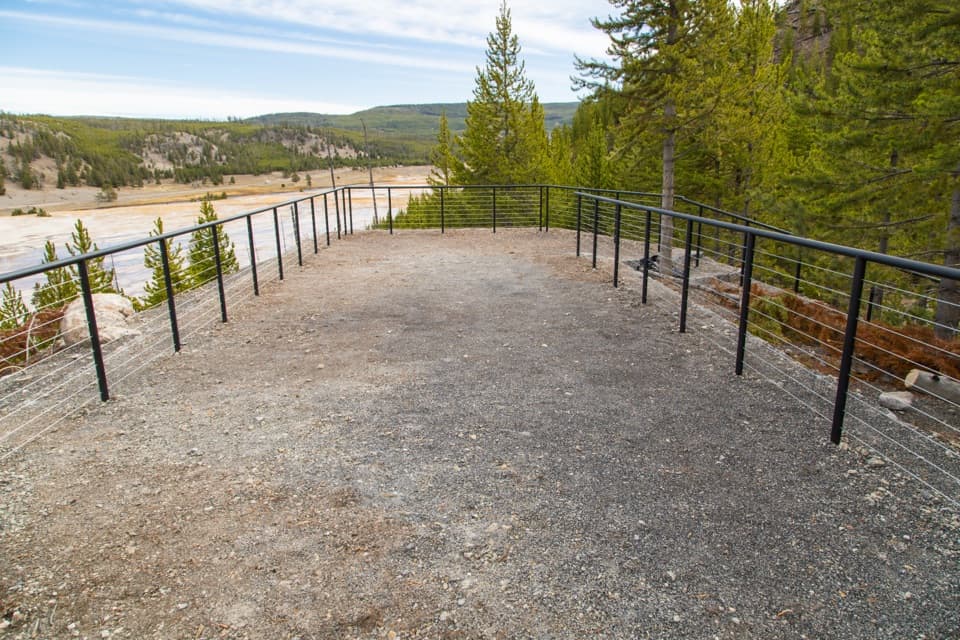
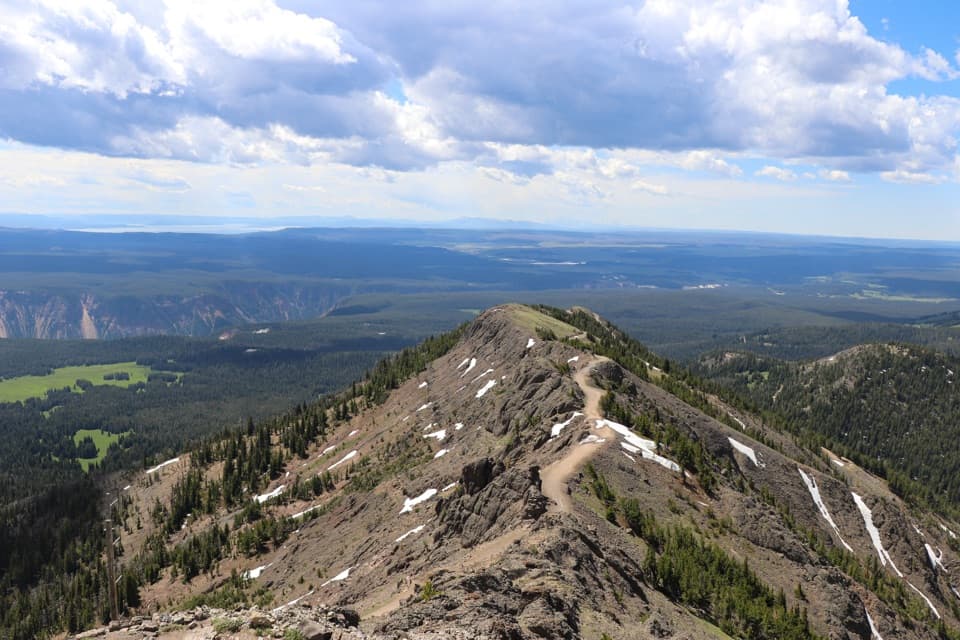
The high meadow opens onto a broad view across the West Thumb of Yellowstone Lake, with the Absaroka Mountains beyond. A bench marks the overlook. From there, frame the lake in front of the mountain range; the open slope makes the panorama easier to take in than from the trees below.
Backcountry thermal features lie along the route, including an unnamed one near the overlook. Its type is not established. Stay on the marked trail and follow any detour signs rather than stepping off to investigate.
The loop drops more gradually through meadow and forest. On the south side, the lake remains in view until the trail returns to the trees; the final approach back to the lot is mostly wooded. This route is listed for summer and fall, needs no reservation or separate activity fee, and may require the park entrance fee. Pets are not allowed. Watch for traffic at the South Entrance Road crossing.
Wildlife
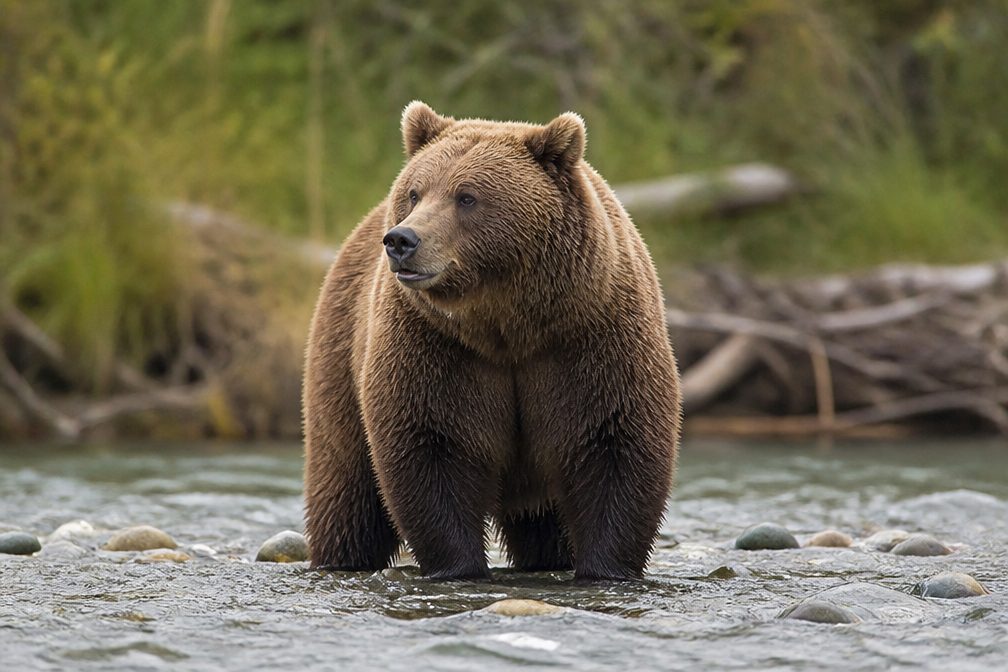 713 sightingsGrizzly BearMost seen around 6 AMSighting map
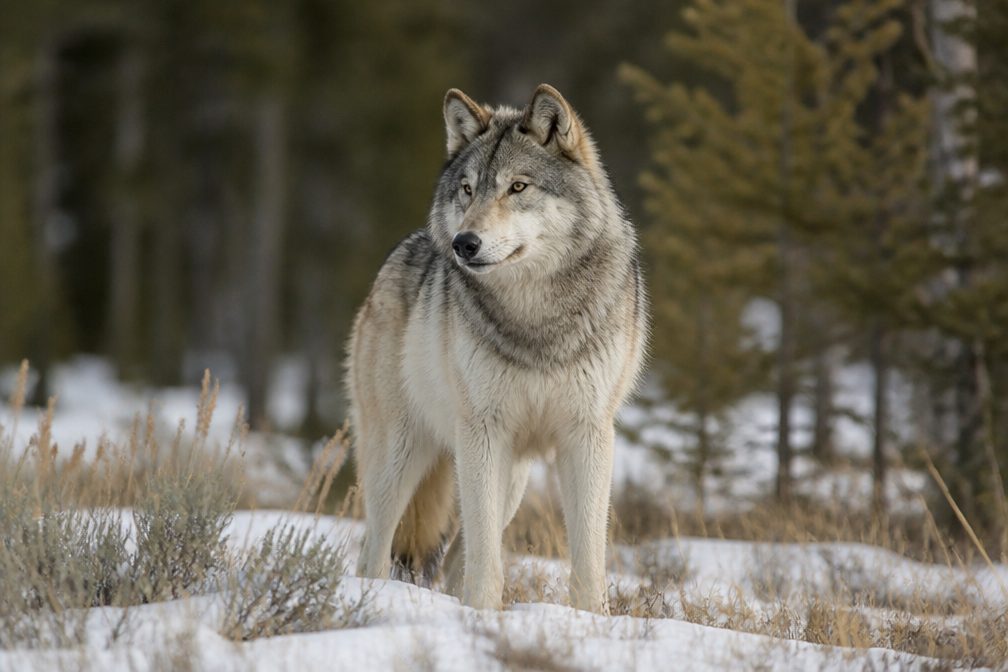 743 sightingsWolfMost seen around 6 AMSighting map
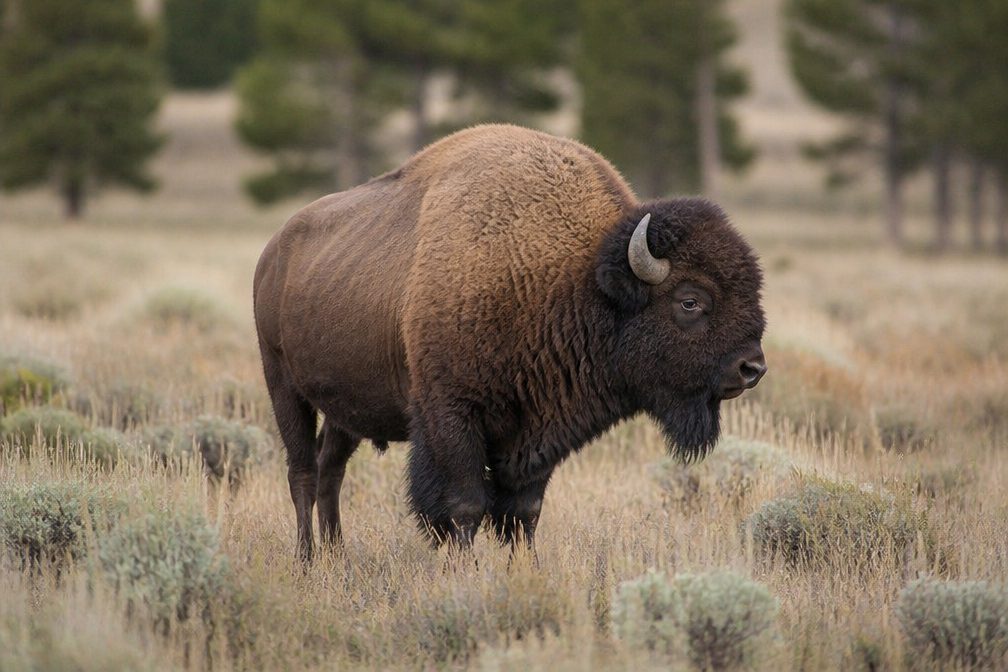 5,273 sightingsBisonMost seen around 7 AMSighting map
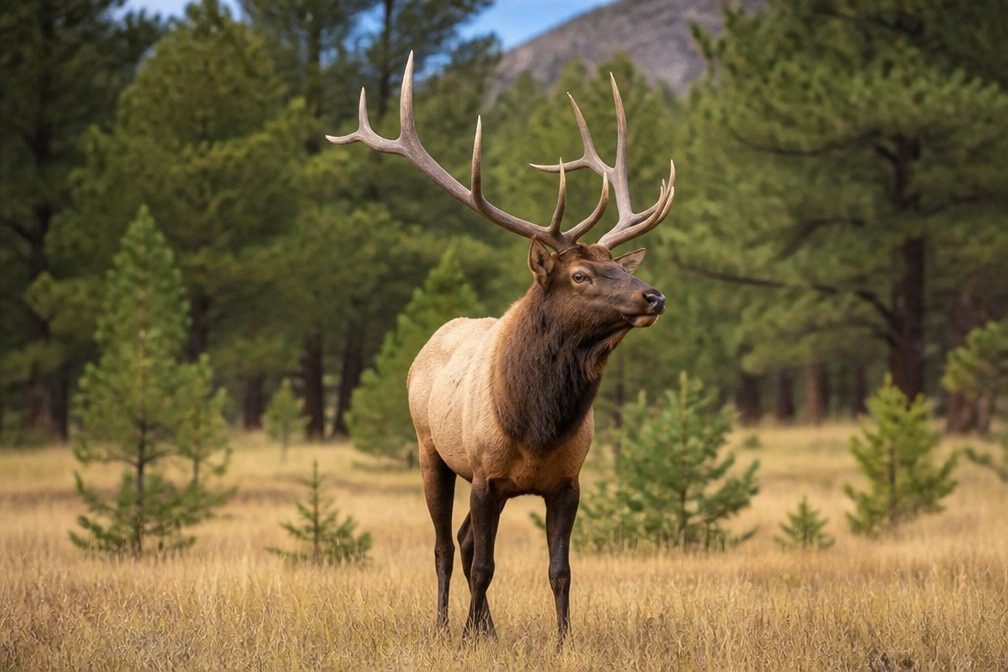 3,258 sightingsElkMost seen around 7 PMSighting map
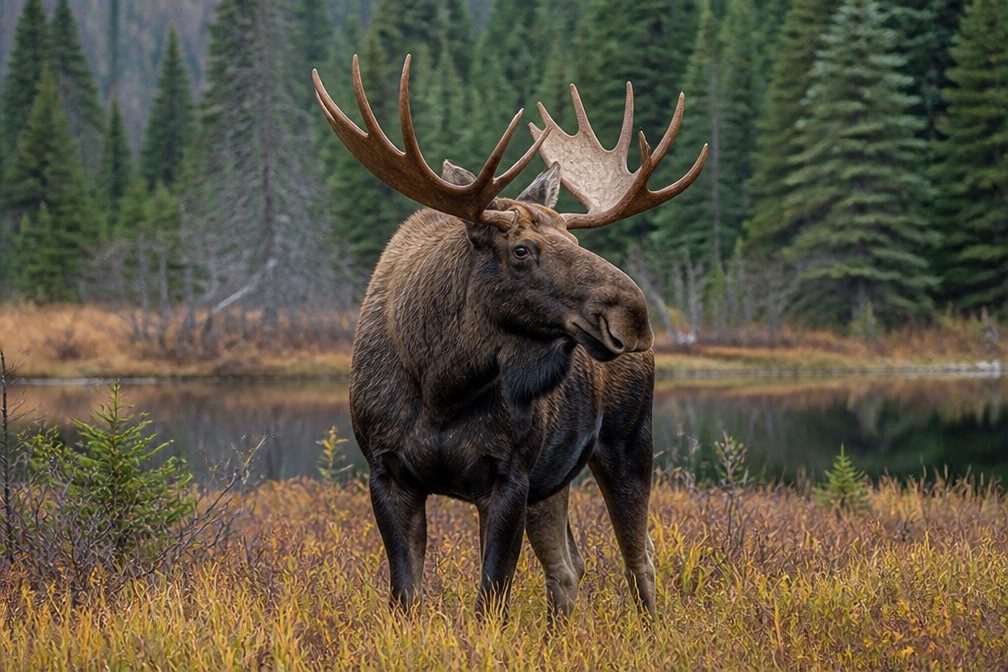 397 sightingsMooseMost seen around 7 PMSighting map
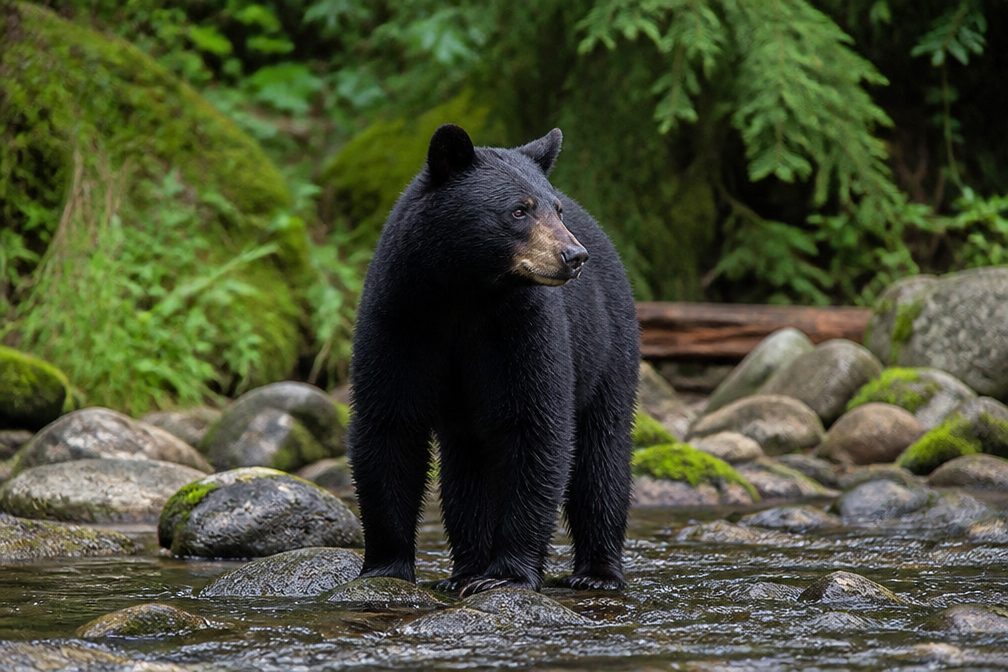 1,494 sightingsBlack BearMost seen around 7 PMSighting map
Sighting maps show where each species has been reported across Yellowstone. Wildlife moves, so no sighting is guaranteed.
Keep exploring
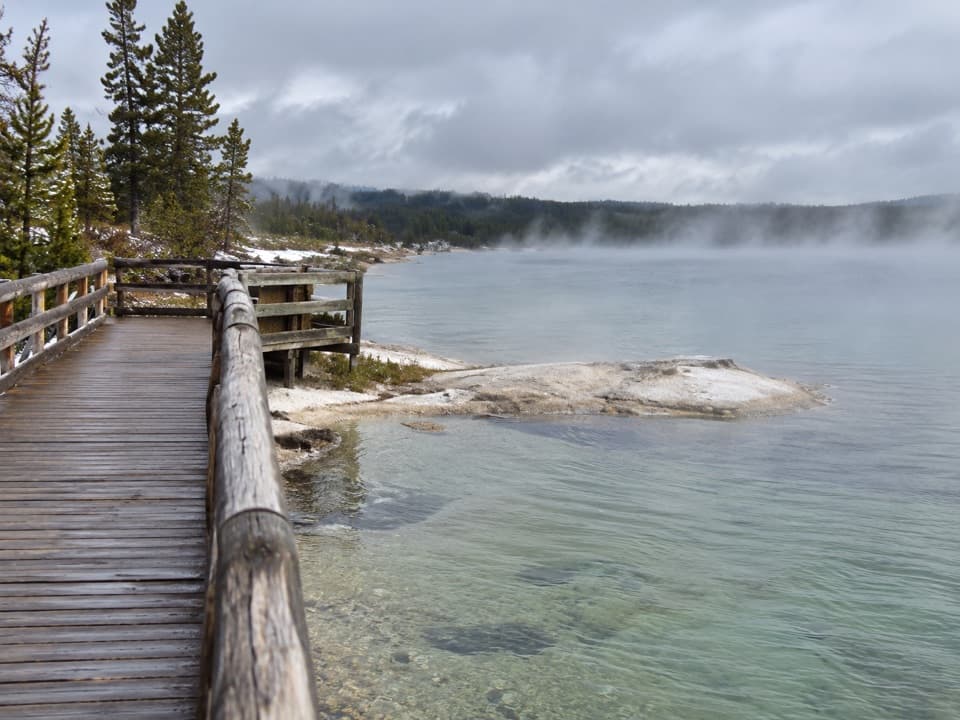 EasyWest Thumb Geyser Basin Trail0.6 mi · 45 min · 0.1 mi awayA short lakeside boardwalk through vivid hot springs and geysers.
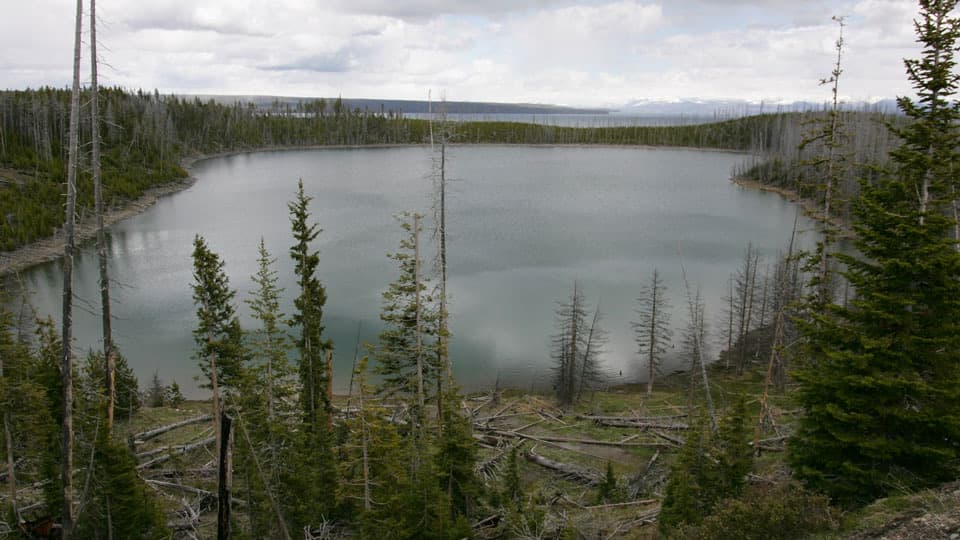 ModerateDuck Lake Trail0.8 mi · 1.5 hr · 0.1 mi awayA short climb opens views over Duck Lake and the 1988 burn.
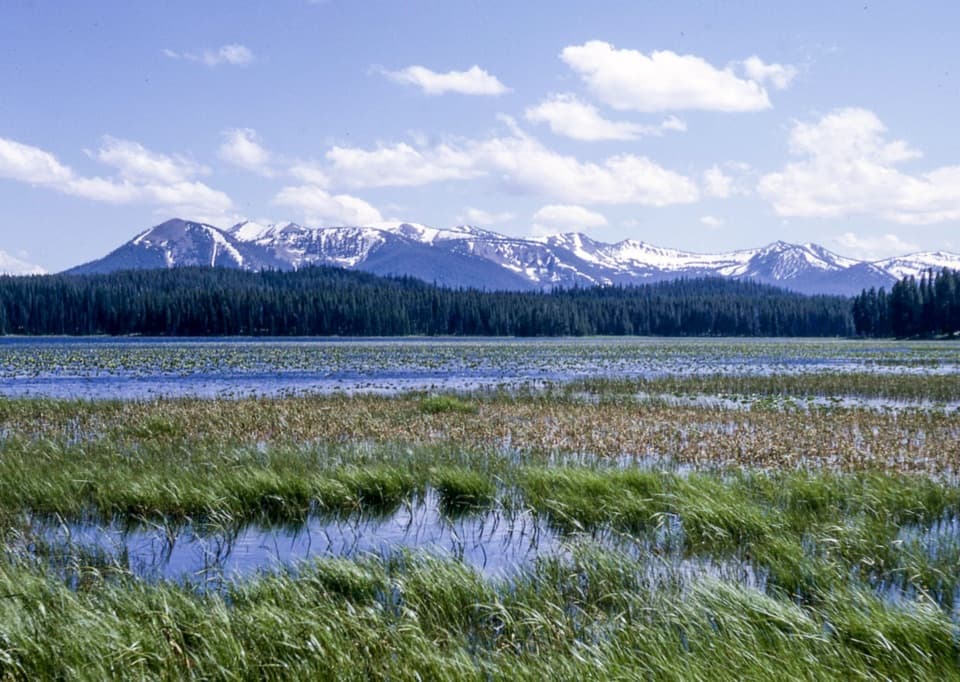 EasyRiddle Lake Trail4.8 mi · 2.5 hr · 4 mi awayA mostly level walk to lily pads and Mount Sheridan views.
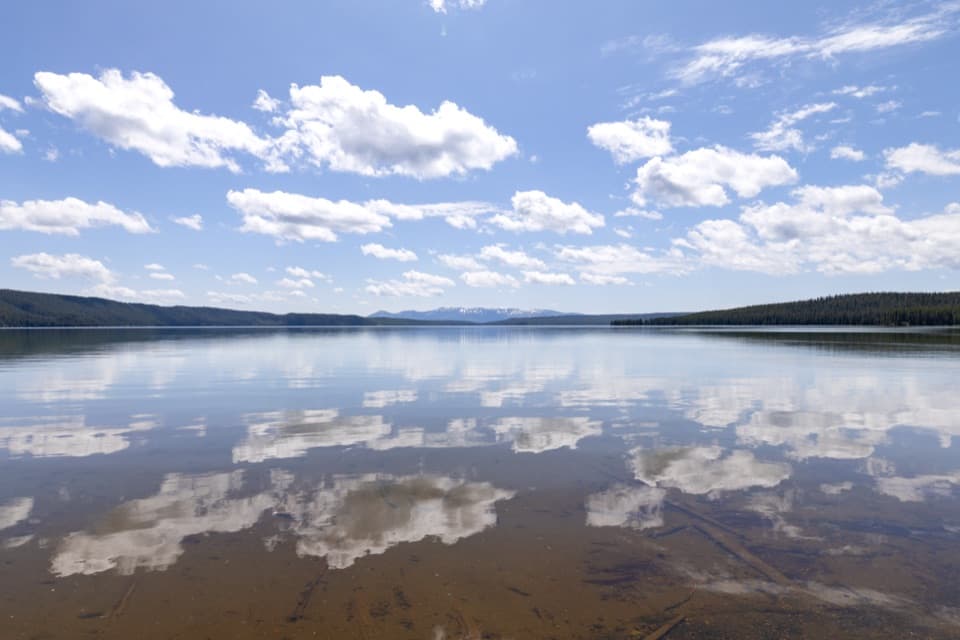 ModerateNorth Shore Shoshone Lake Trail8.3 mi · 6 hr · 6 mi awayA remote one-way walk from lake beach into lodgepole forest.
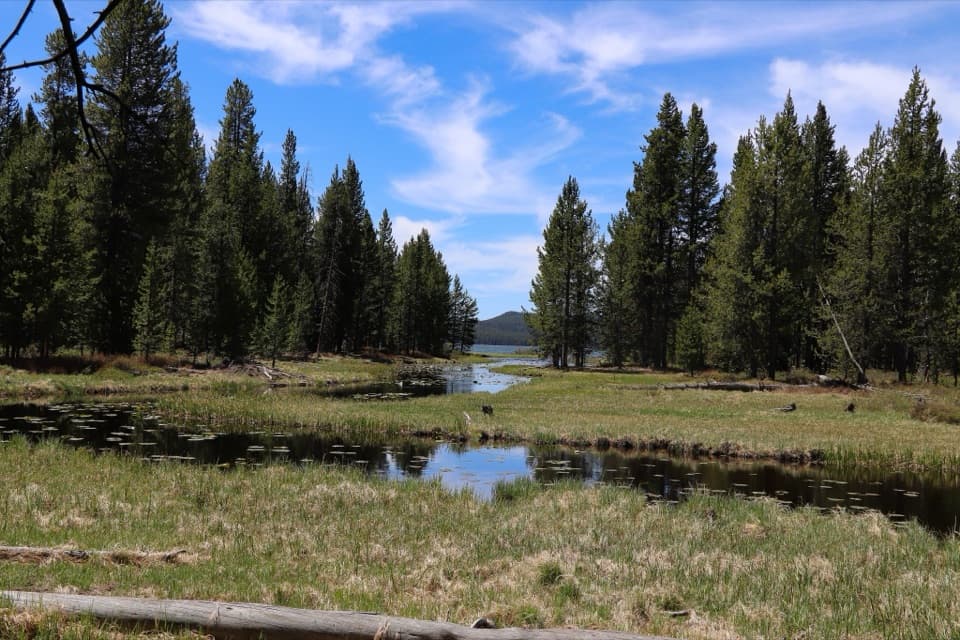 EasyDeLacy Creek Trail5.8 mi · 4 hr · 6.7 mi awayEasy meadows lead to remote Shoshone Lake.
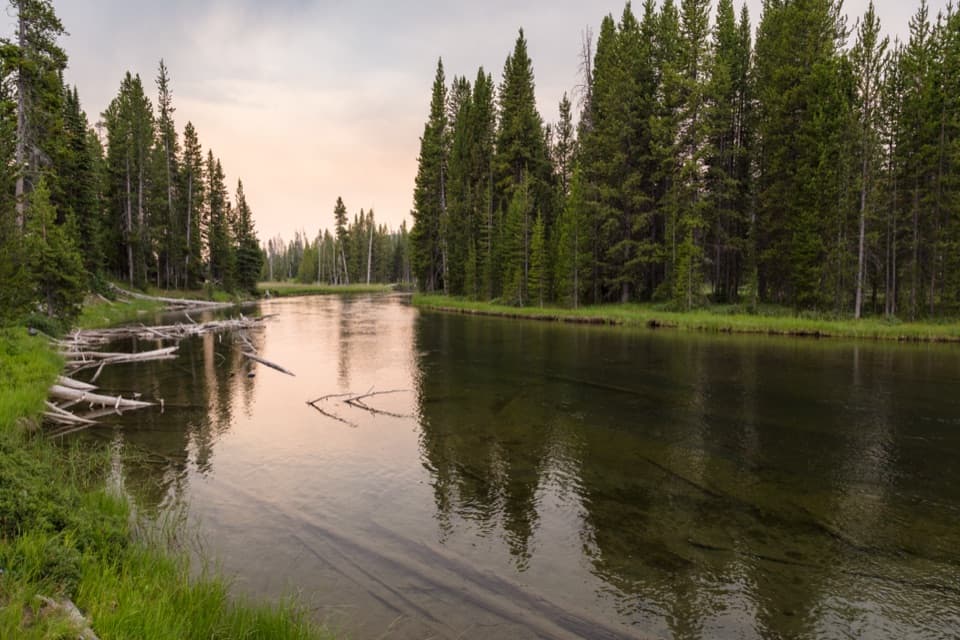 ModerateLewis River Channel/Dogshead Trail10.8 mi · 6.5 hr · 6.7 mi awayTwo lakes and a river channel, with little climbing.
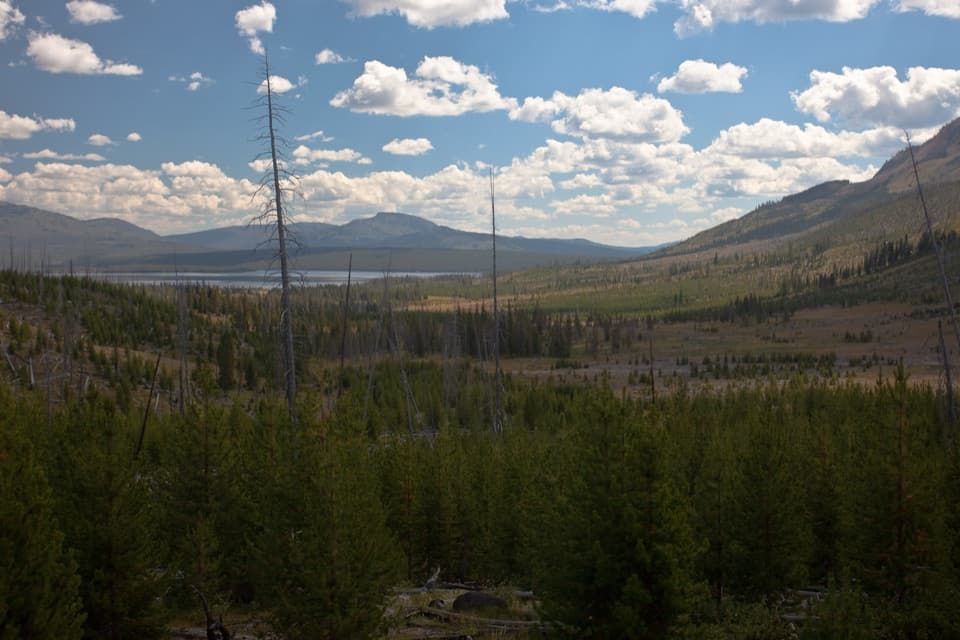 ChallengingHeart Lake Trail15.5 mi · 9 hr · 6.9 mi awayA long day reaches a lake below Mount Sheridan.
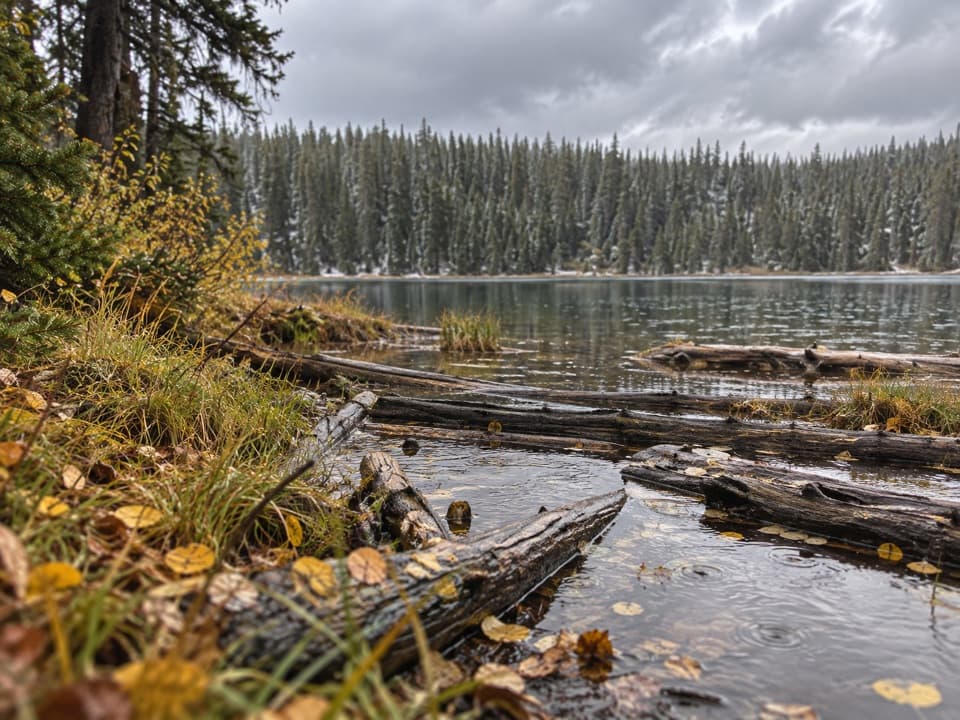 ModeratePocket Lake Trail2.4 mi · 2 hr · 7.3 mi awayA steep forest trail reaches a small backcountry lake.
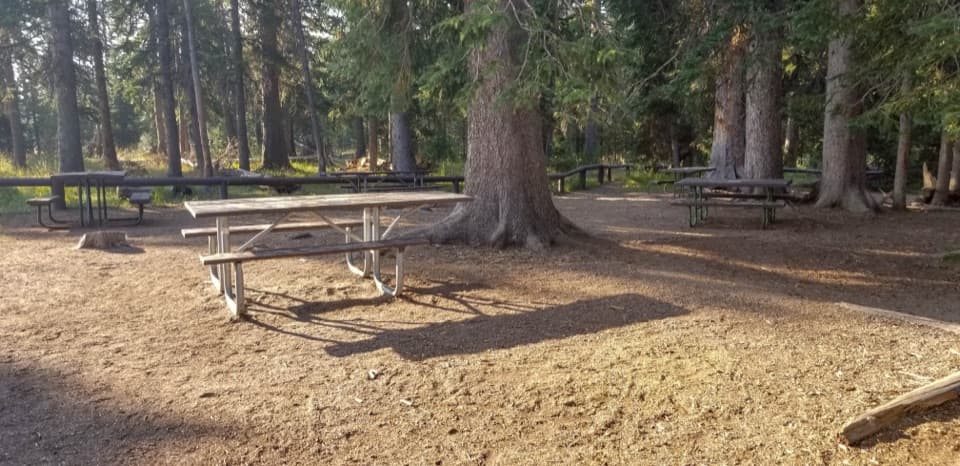 Picnic area · At the trailheadWest Thumb Picnic AreaA handy picnic break beside the West Thumb geyser basin.
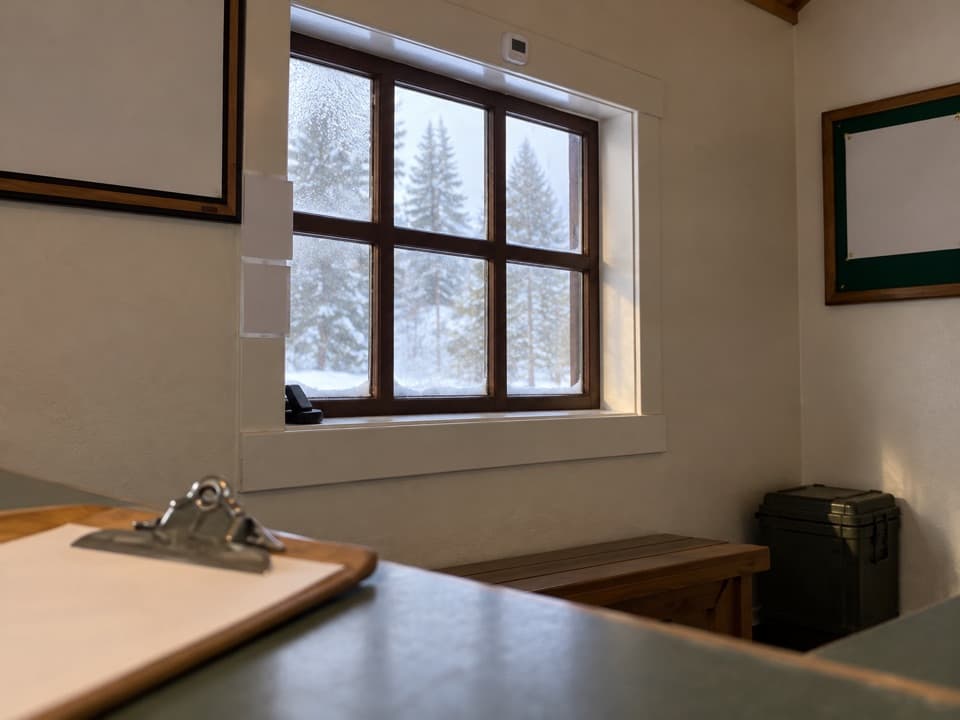 Visitor center · At the trailheadWest Thumb Information StationA historic ranger station at the start of West Thumb’s geyser-basin walk.
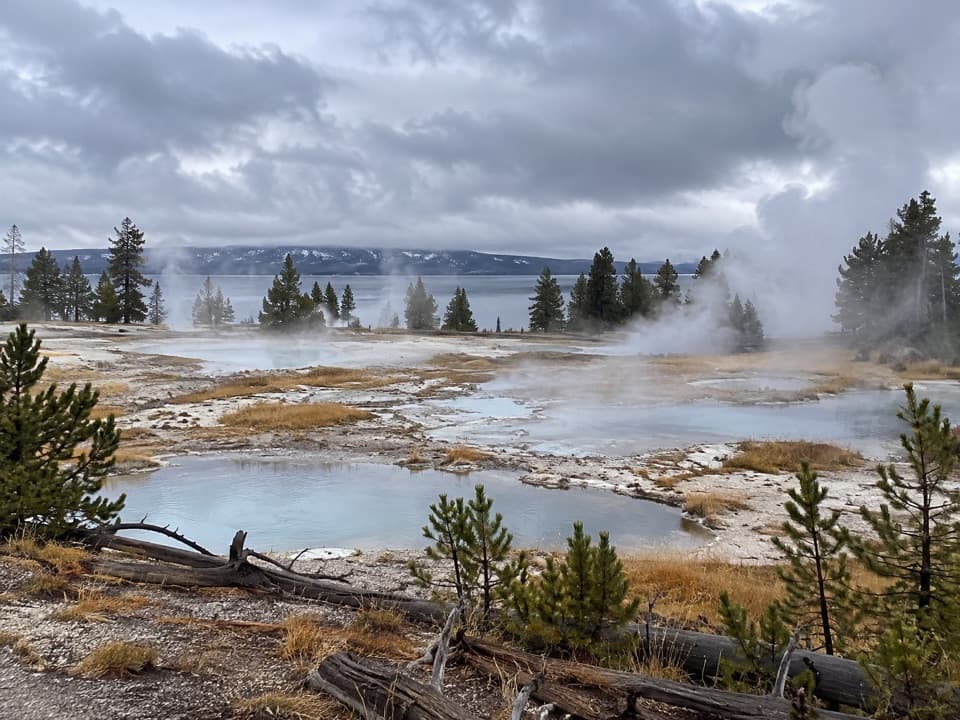 Sight · 0.1 mi awayWest Thumb Geyser BasinA boardwalk loop between steaming pools and Yellowstone Lake.
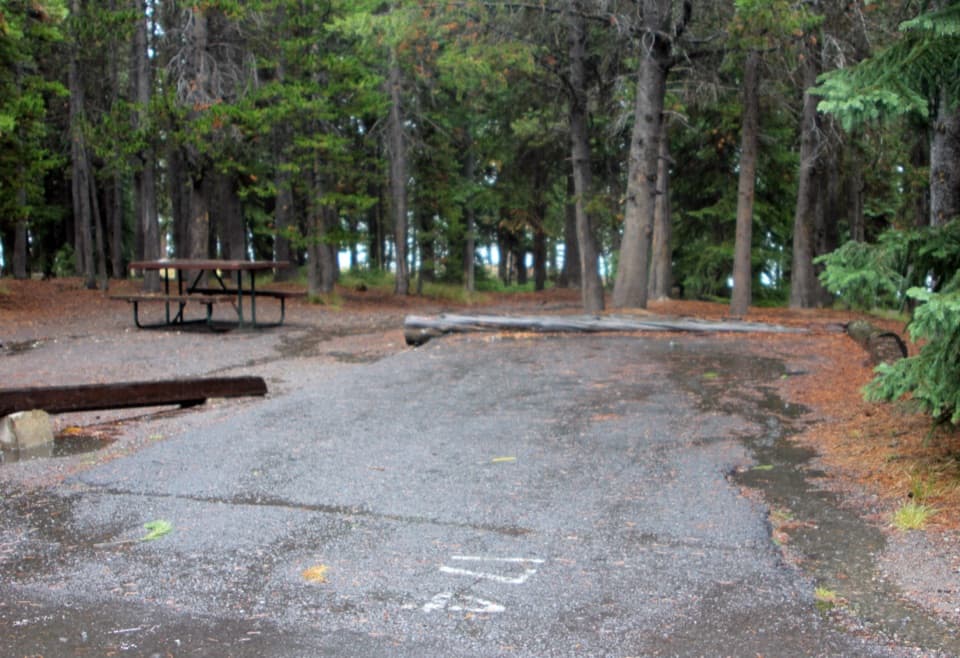 Campground · 1.3 mi awayGrant Village CampgroundA pine-forest base near Yellowstone Lake and West Thumb.
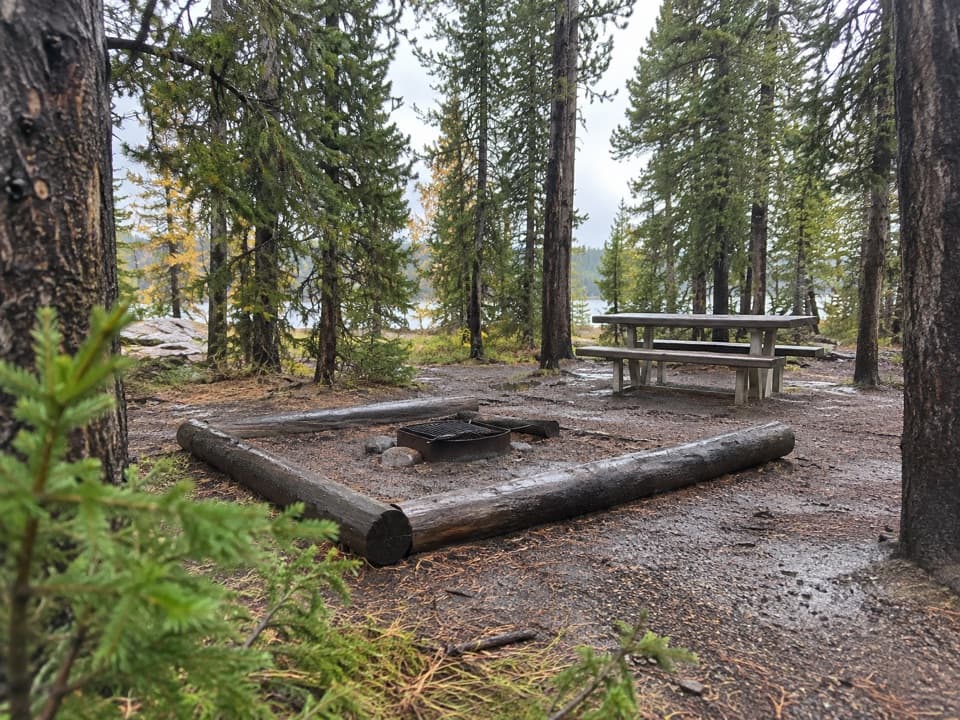 Picnic area · 1.6 mi awayGrant Village Picnic AreaA lakeside picnic stop with 16 tables and fire grates.
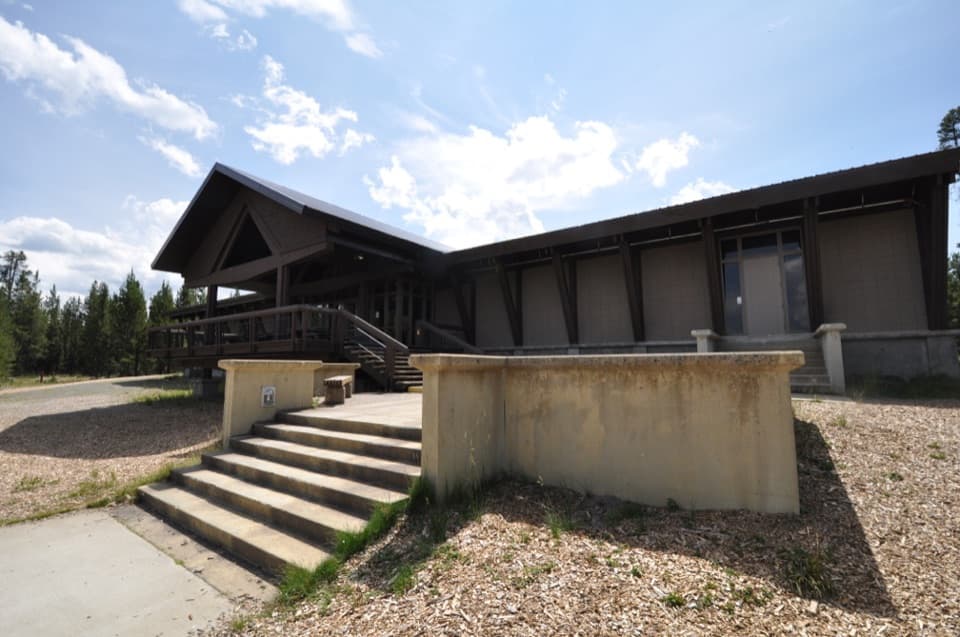 Visitor center · 1.7 mi awayGrant Visitor CenterPark services and a lake view make this a useful southern stop.
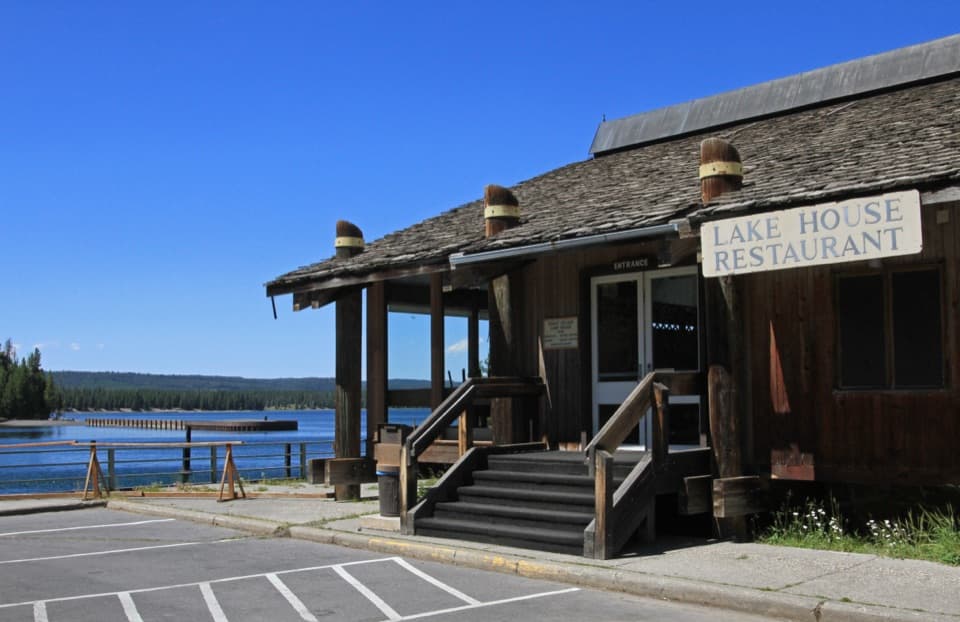 Restaurant · 1.9 mi awayGrant Village Lake House RestaurantA seasonal meal stop with a wide West Thumb view.
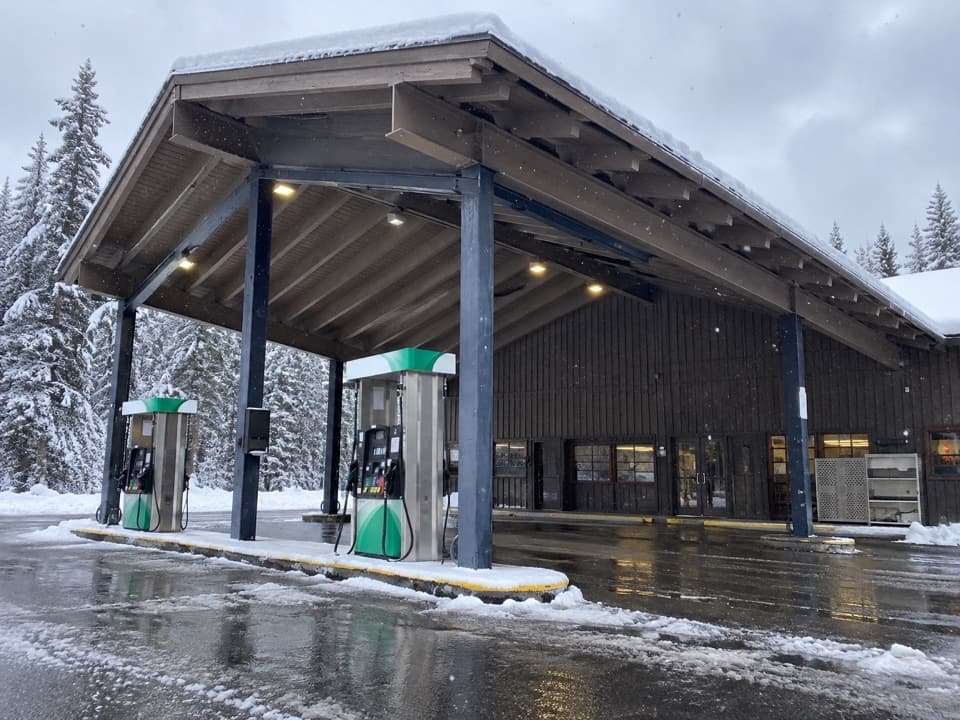 Gas station · 2 mi awayGrant Village Gas and Service StationFuel, propane and seasonal repair help on the south shore.
Parkwolf’s Yellowstone ranking

The audio tour guide for the drive, plus offline maps, trails, and wildlife heatmaps for when the signal drops.