Place · 0.2 mi away

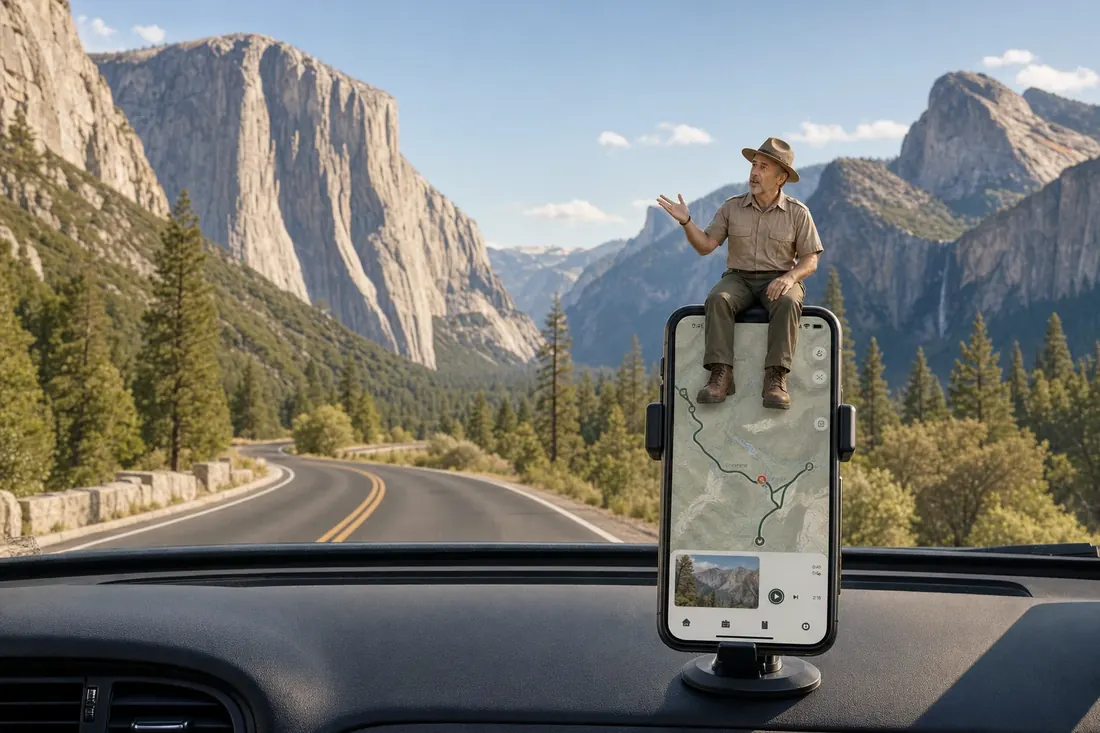
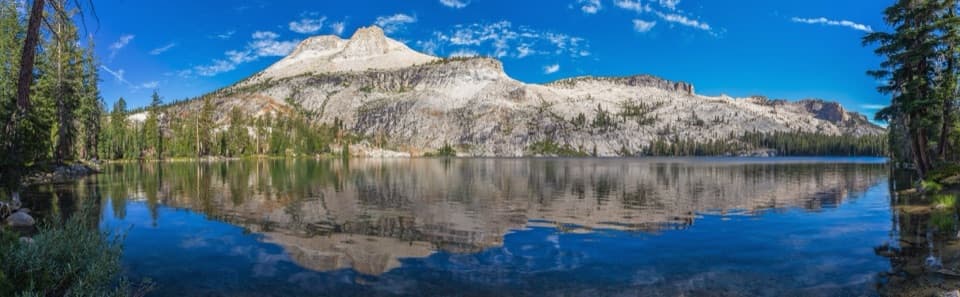
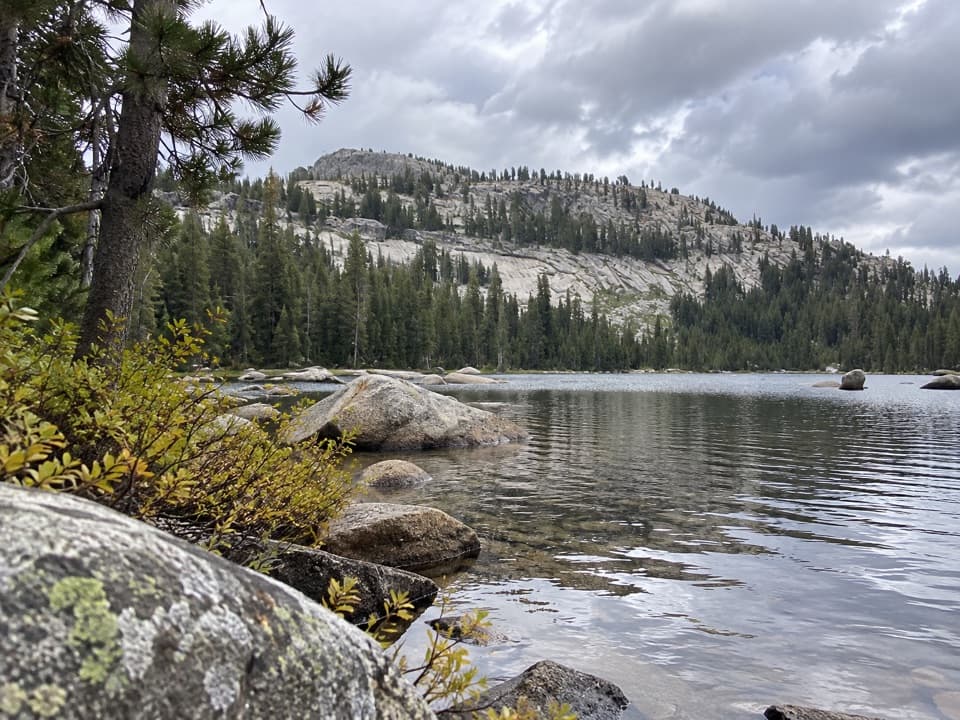
May Lake is a classic Tioga Road outing: a quick, steady climb to a glassy alpine lake tucked beneath granite cliffs with Mt. Hoffmann looming behind. It’s scenic without the valley crowds, and the shoreline granite makes easy lounging once you arrive.
Expect about 2.4 miles round-trip with roughly 480–500 feet of gain. The path mixes forest, sandy tread, and broad granite slabs and usually takes 1–2 hours out-and-back. Tioga Road access is seasonal; plan for summer through early fall, when the road is open and snow-free.
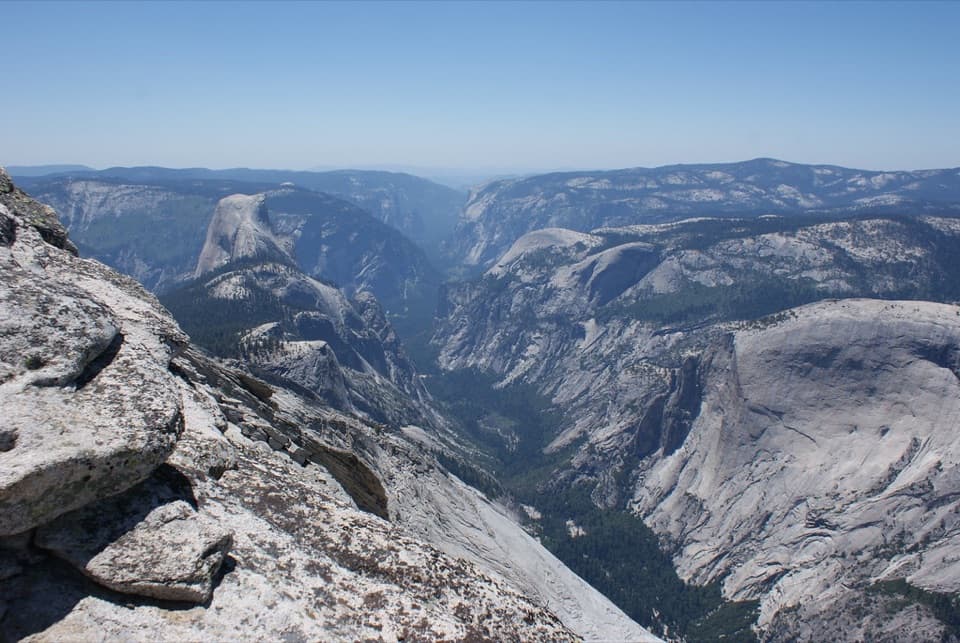
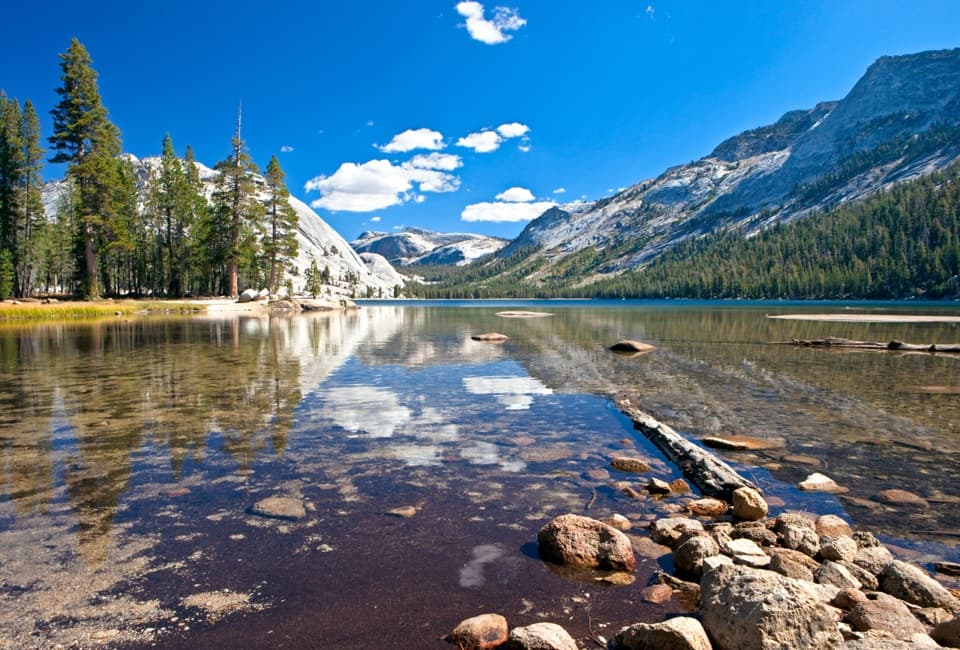
The lake sits in polished granite, with reflections of Hoffmann on calm mornings. From the lower shore you can peek across the Tioga Road high country toward Tenaya Lake and Clouds Rest. Continue beyond the lake if you want bigger vistas—the climb toward Mt. Hoffmann quickly expands to one of the park’s grand 360-degree panoramas.
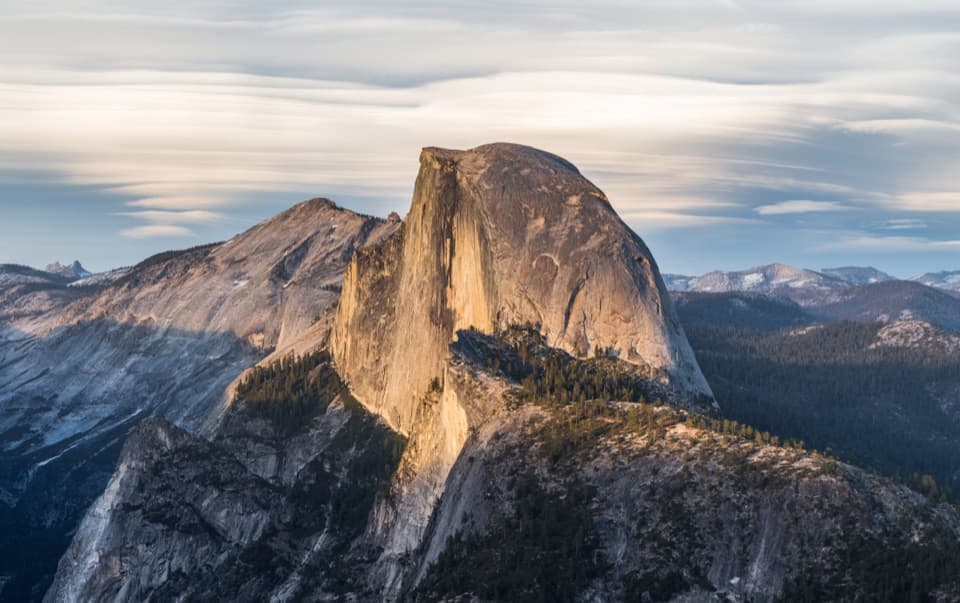
You’re walking on the Sierra Nevada’s granitic heart—hard rock that cooled from magma and later shed curved “onion-skin” layers to form smooth domes. Ice age glaciers then carved basins and left these perched, over-deepened hollows; May Lake is one such tarn, with telltale polish and striations on surrounding slabs.
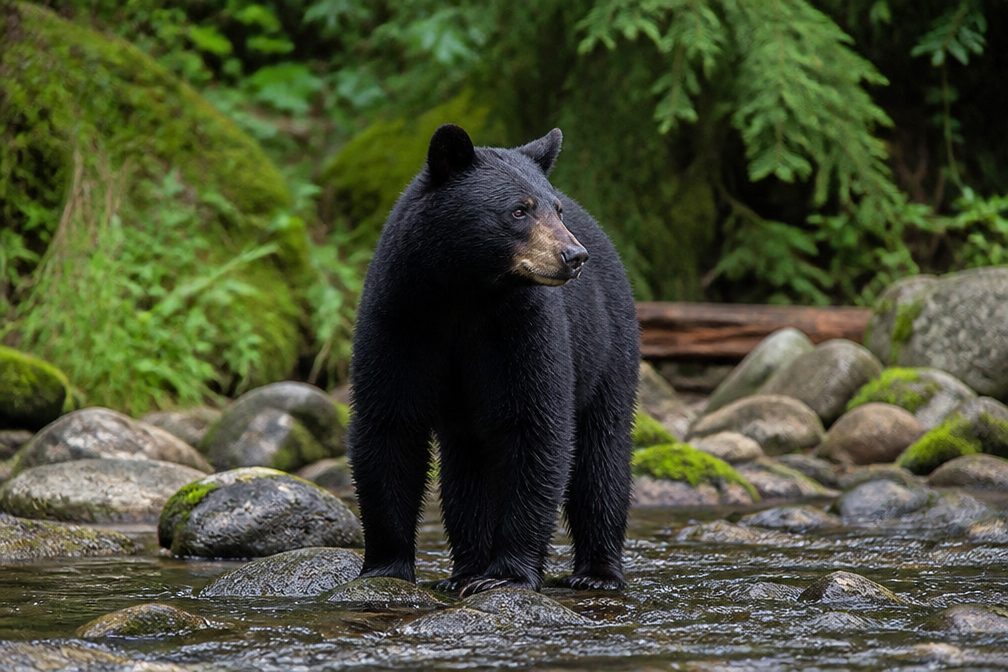
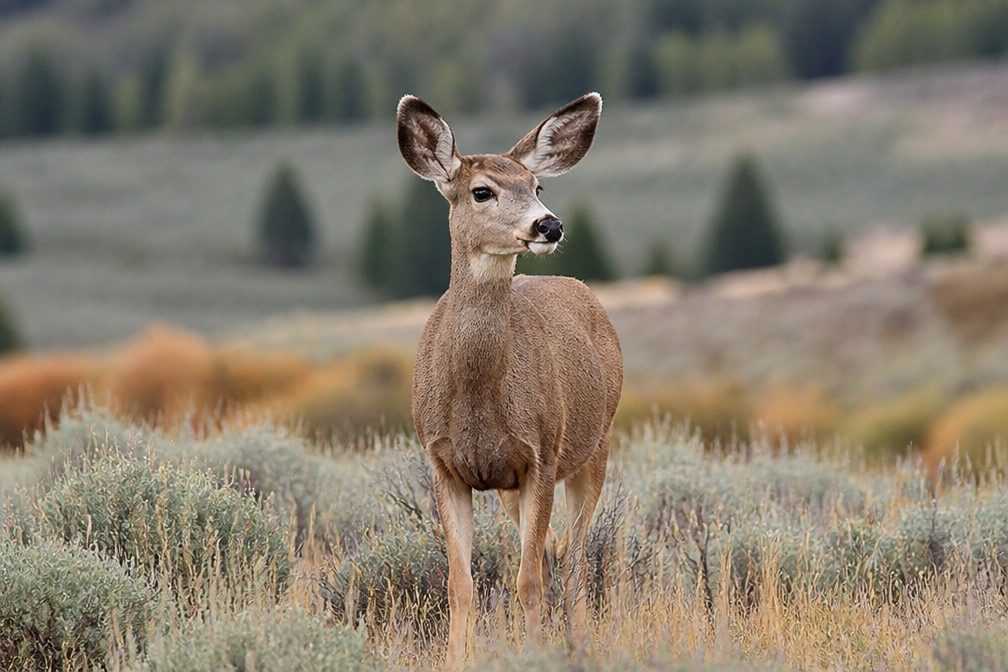
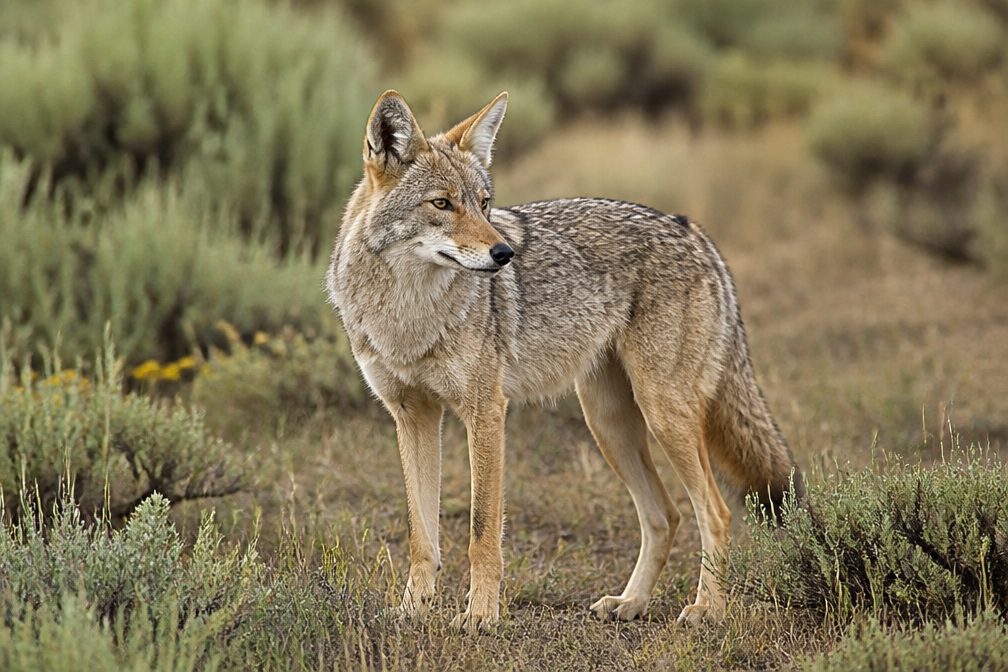
High-country regulars include Clark’s nutcrackers and Steller’s jays in the pines, mule deer in meadows, plus marmots and pikas near talus. Black bears roam the area—observe from a distance and store all food properly. Coyotes are occasionally spotted.
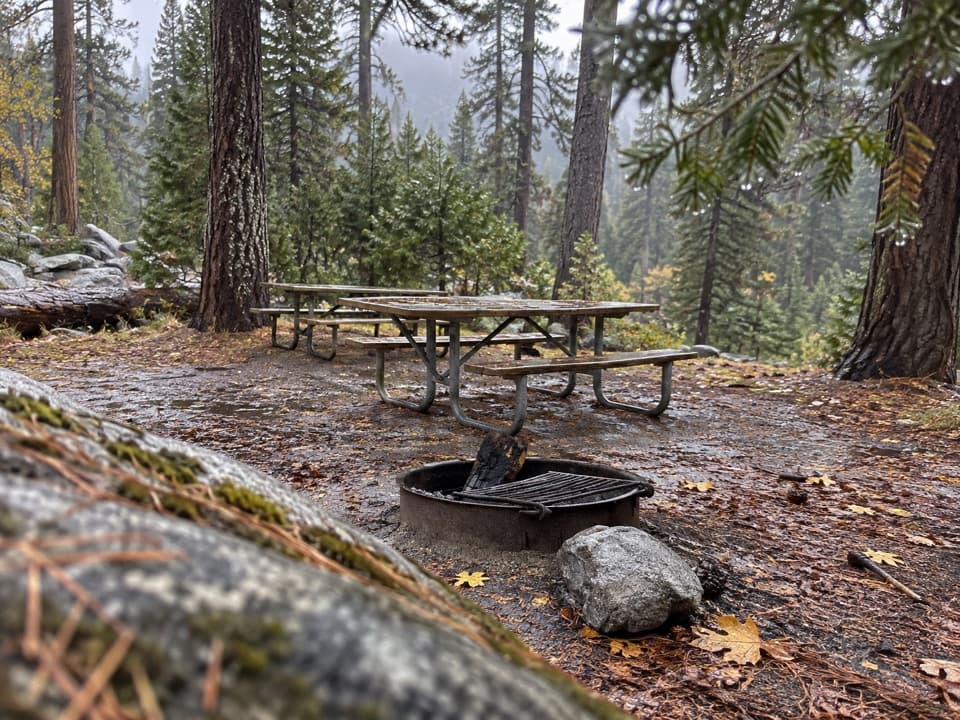
At the trailhead: vault toilet, food-storage lockers, trash and recycling—but no drinking water. Up at the lake, facilities depend on the High Sierra Camp’s operating status; when open, there’s a flush toilet. A backpacker campground sits near the lake for permitted overnight trips. There’s no store or developed picnic area; pack in what you need and pack out all trash.
If you’re up for a steeper, rockier climb, continue beyond the lake toward Mt. Hoffmann. Even partial ascents deliver huge views; the full summit is a strenuous but standout add-on.
Stay on established paths to protect fragile alpine vegetation. No pets on trails. Day hikes need no permit; overnight trips require a wilderness permit and proper bear-resistant food storage. Treat all natural water. Weather shifts fast at altitude—carry layers, plenty of water, and be off exposed ridges if storms build.