
Place · 0.2 mi away
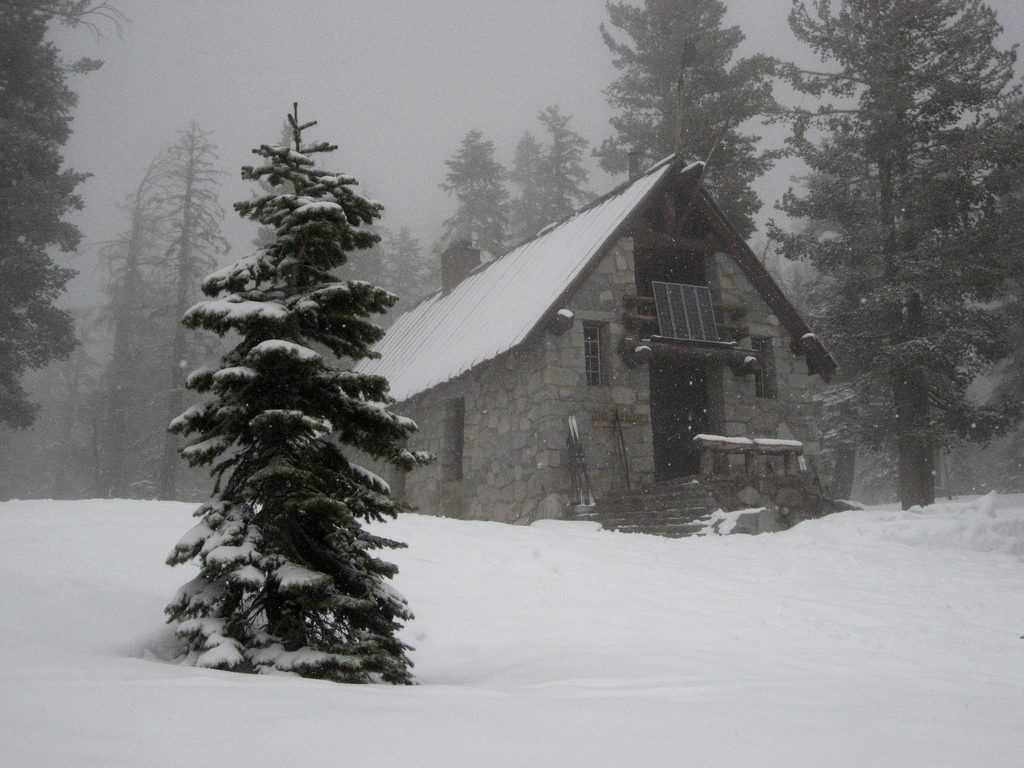
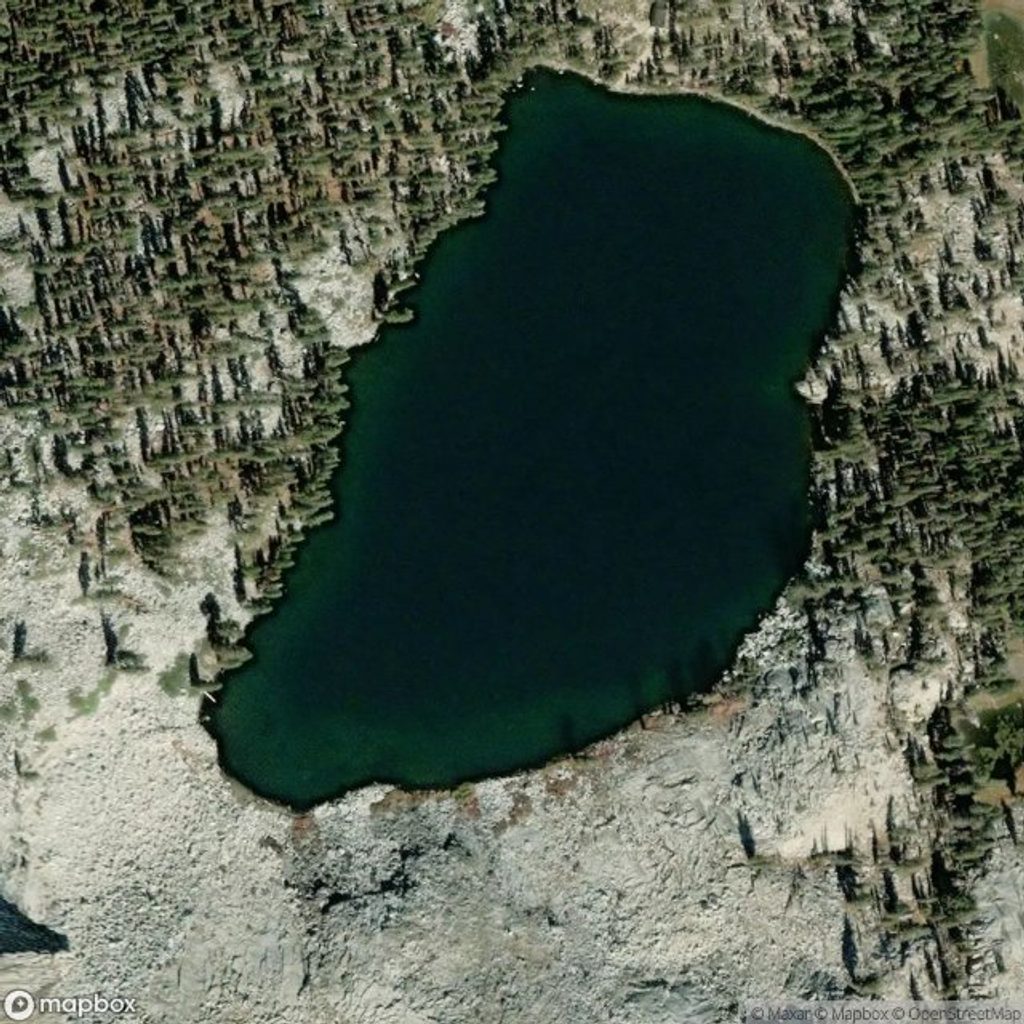
This is Yosemite’s classic backcountry winter hut: a stout, two‑story stone refuge built in 1941, tucked on the shore of crystal‑clear Ostrander Lake at 8,500 feet. It’s simple, communal, and charming—more alpine clubhouse than hotel—and it attracts strong, self‑reliant skiers who don’t mind earning their turns.
Inside are about 25 bunks with mattresses, a woodstove that keeps winter nights civilized, solar lamps after dark, and a shared kitchen with propane burners and basic cookware. There’s no running water; you’ll haul buckets from a hole cut in the lake ice and treat it yourself. Expect rustic toilets outside and a cozy common room with books, games, and the camaraderie that comes from a hard day’s approach. A hut keeper lives on site in winter to keep things humming.
Plan for a demanding ski tour: at least 10 miles one way from the Badger Pass area with over 2,500 feet of cumulative gain. The routes roll and steepen, and conditions can change quickly. Climbing skins are strongly recommended; this trip is for experienced winter travelers with solid fitness and navigation. Be prepared for the possibility of an unplanned night out if weather or injuries slow you down.
Multiple routes leave from Badger Pass. Some lines are steeper; others involve route‑finding and creek crossings in certain conditions. If Glacier Point Road is closed, an alternate start at Chinquapin adds roughly 2.5 miles and about 1,300 feet of extra gain and is only appropriate for very experienced parties.
Reservations are required and in high demand. The hut operates in winter only, generally mid/late December through early April in good snow years. You’ll also need a free wilderness permit from the Badger Pass Ranger Station, and there is designated overnight parking guidance from rangers.
Storms, variable snow, and short winter days mean self‑sufficiency is non‑negotiable. Carry proper layers, repair kits, navigation, and emergency gear. Treat all water, and plan to pack out or properly manage waste if toilets are compromised during severe weather.
The hut sits in a small glacial cirque with views toward Yosemite’s high country, and its stone walls and lodgepole beams give it a timeless, CCC‑era feel. It’s eligible for the National Register of Historic Places and has seen careful preservation work to keep it welcoming without losing its rustic soul.
In summer (when the hut is closed), hikers to the lake often see marmots and may encounter intense evening mosquitoes—good to remember if you’re eyeing an off‑season visit to the area.
Aim for stable winter windows: clear days after a storm can bring broken tracks on popular routes and great snow around the hut. Start early to maximize daylight and minimize the risk of a late arrival. Weekdays typically feel quieter inside, and morning light on the lake and surrounding bowls is superb for photography.
Place · 0.2 mi away
Place · 3.6 mi away
Place · 4.7 mi away
Place · 5.3 mi away
Challenging · 3.6 mi away
Easy · 3.6 mi away
Moderate · 5.3 mi away
Easy · 5.3 mi away

Parkwolf Tour Guide
