Place · 0.2 mi away

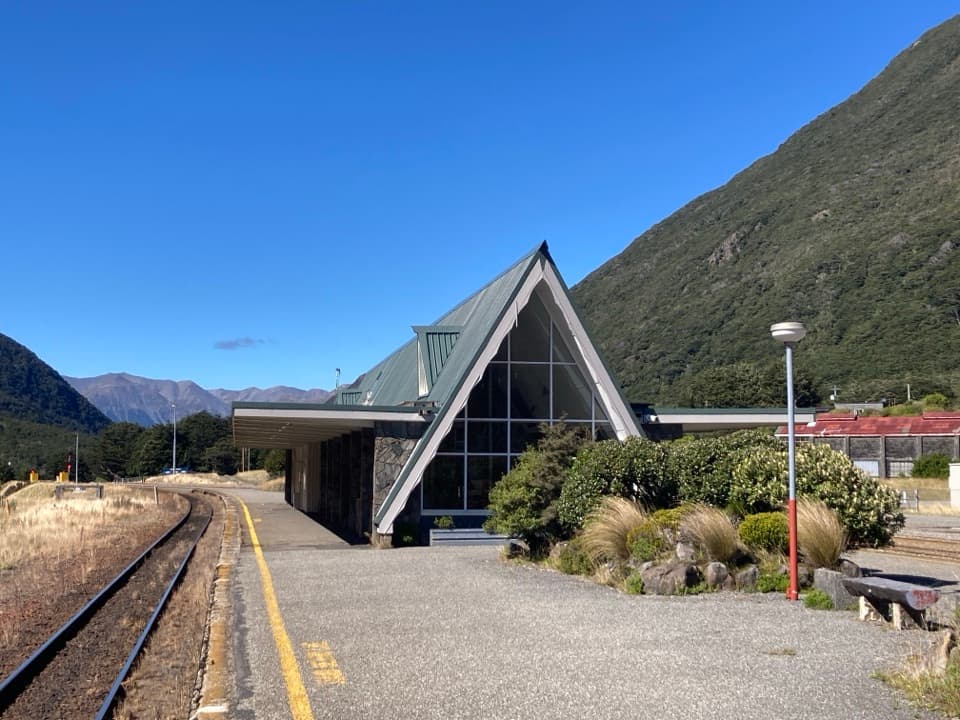
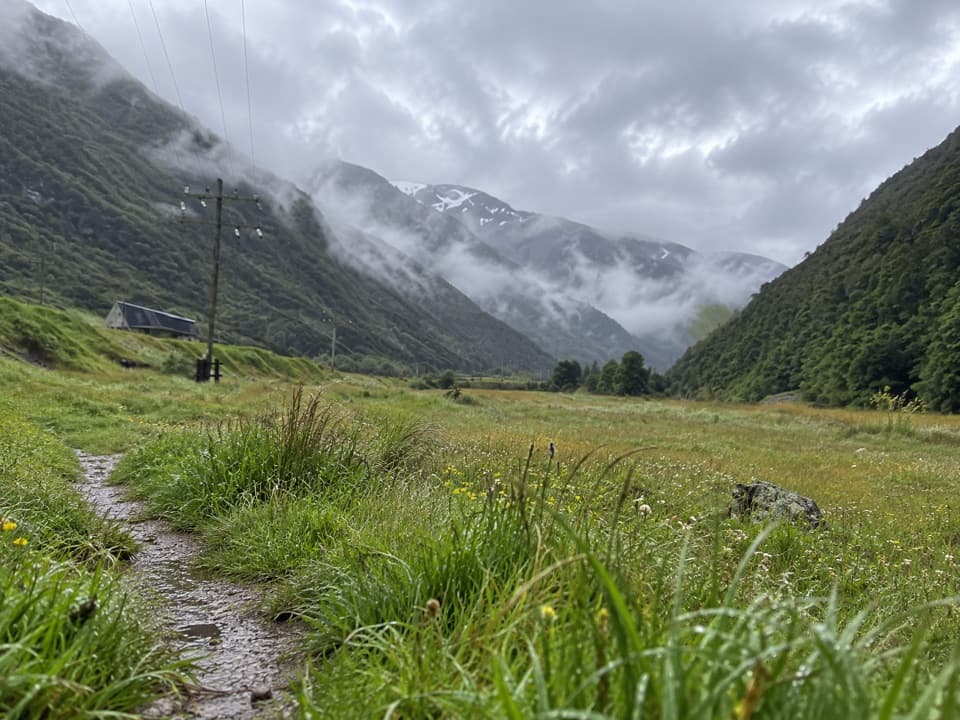
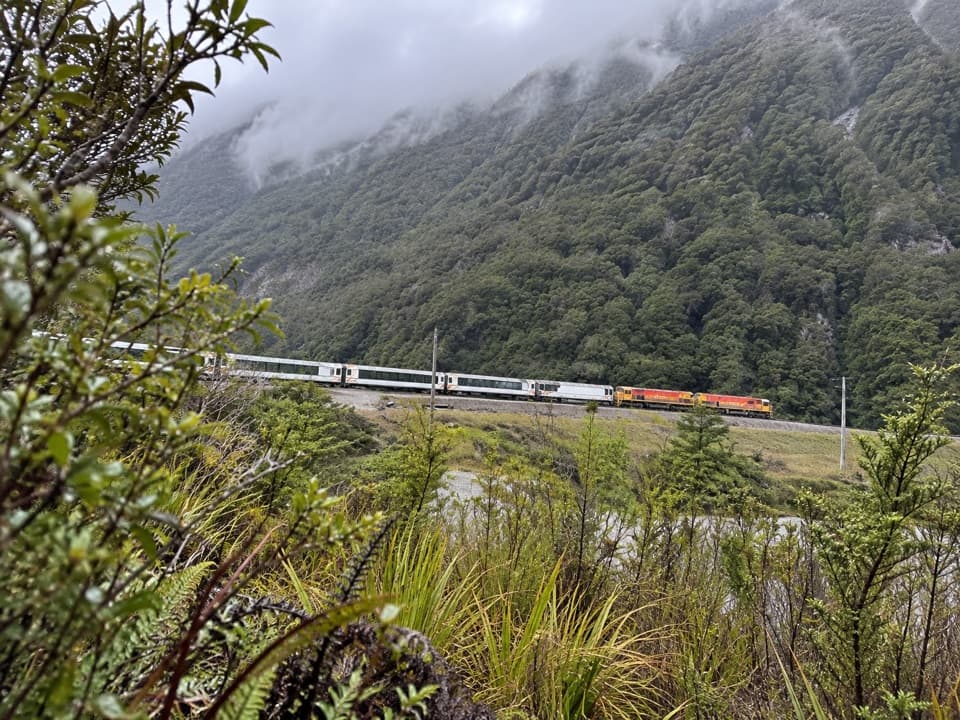
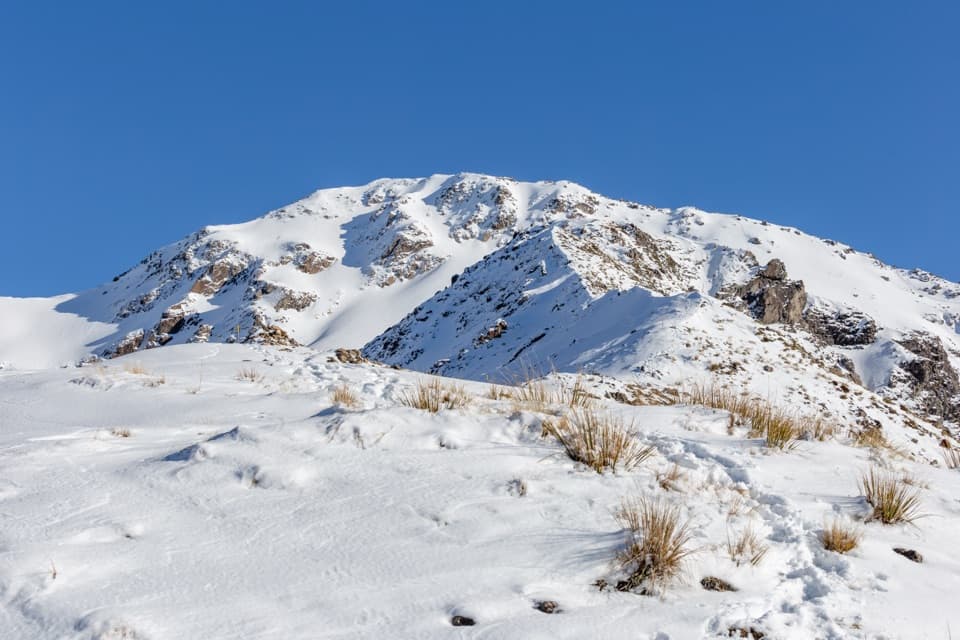
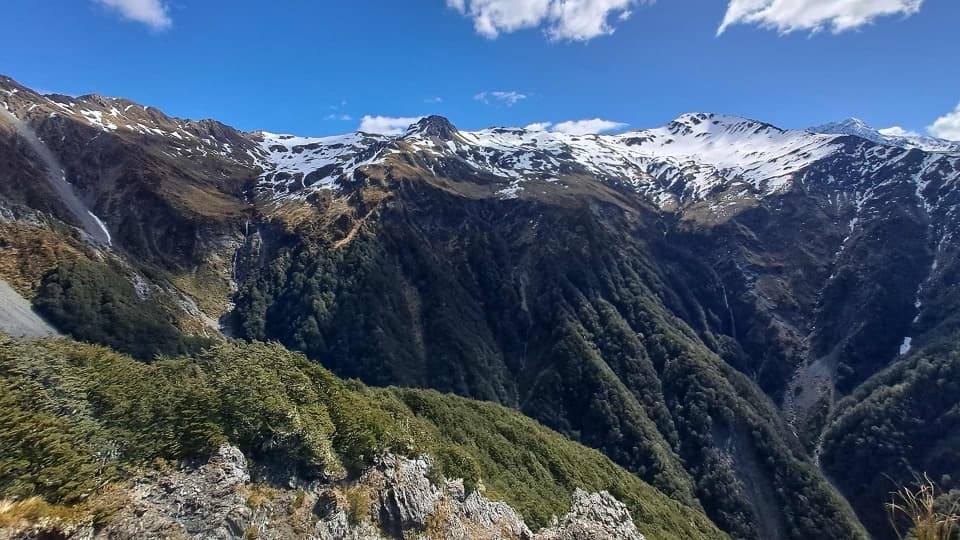
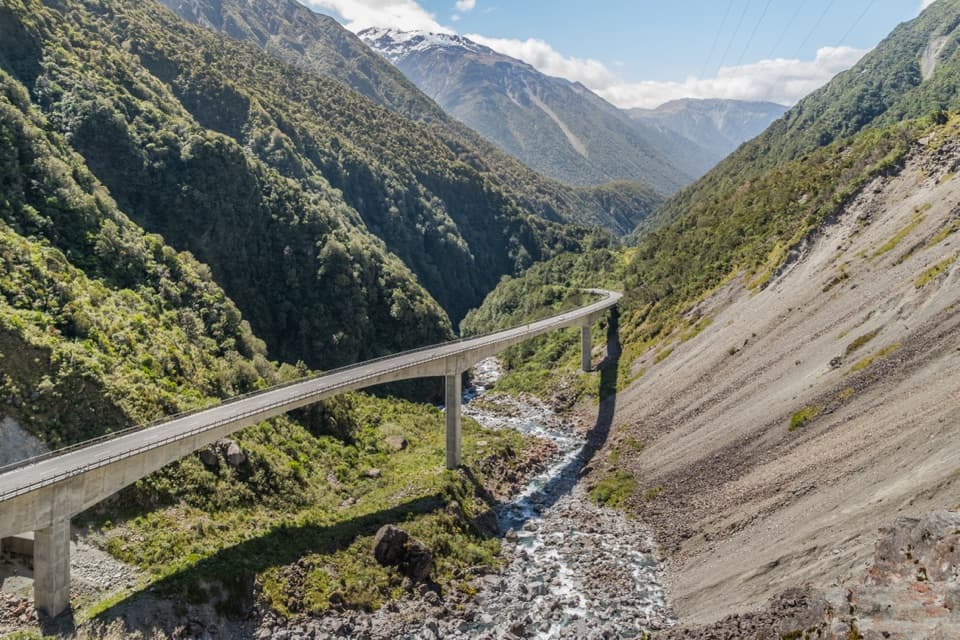
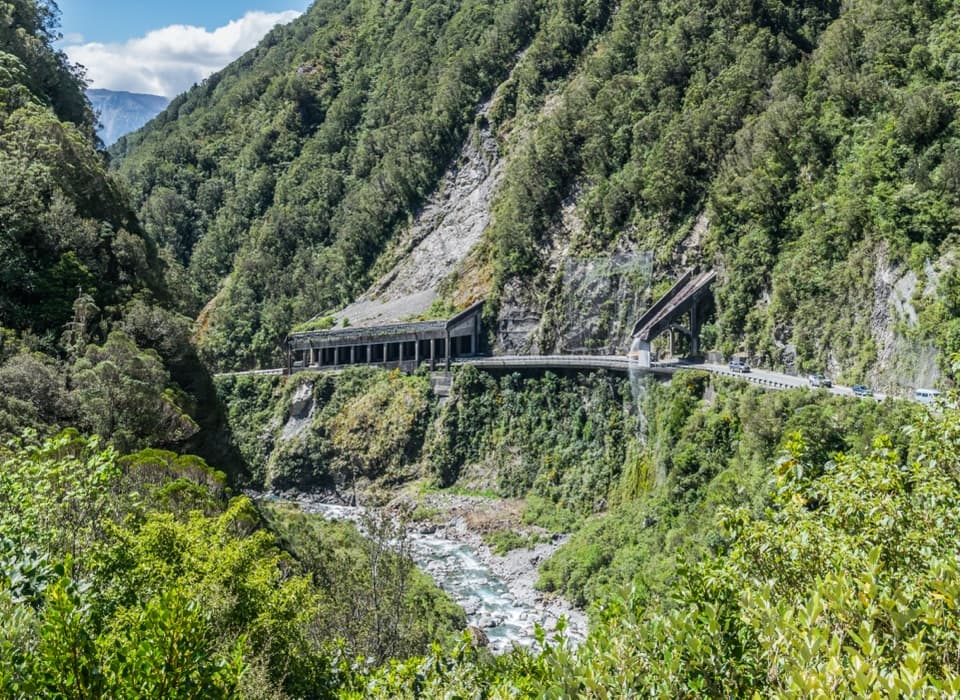
Set in a bowl of Southern Alps peaks, Arthur’s Pass Railway Station is a tiny alpine stop with outsized character. The current A‑frame building dates from 1966 and was designed to sit comfortably in the mountains. It’s still the TranzAlpine’s high‑country pause and, at elevation, the highest operational railway station in the country.
Expect classic alpine scenery right off the platform, a photogenic station sign, and an A‑frame with rubble‑rock walls and fully glazed gable ends. Inside, you’ll find historic photos and information panels that make a quick visit feel like a mini museum. The pedestrian tunnel to the platform features artwork as well.
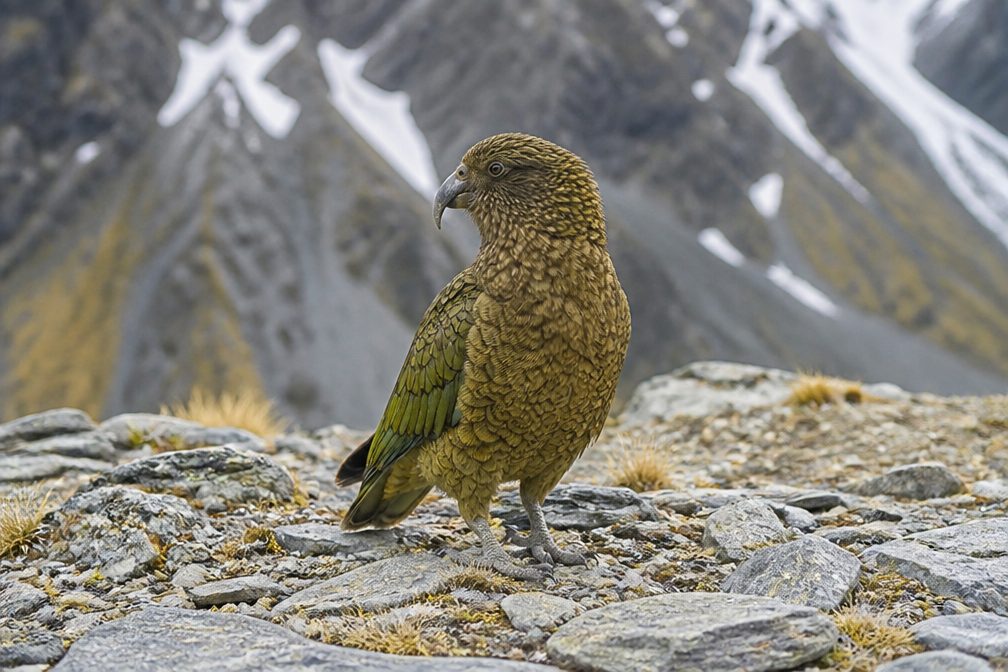
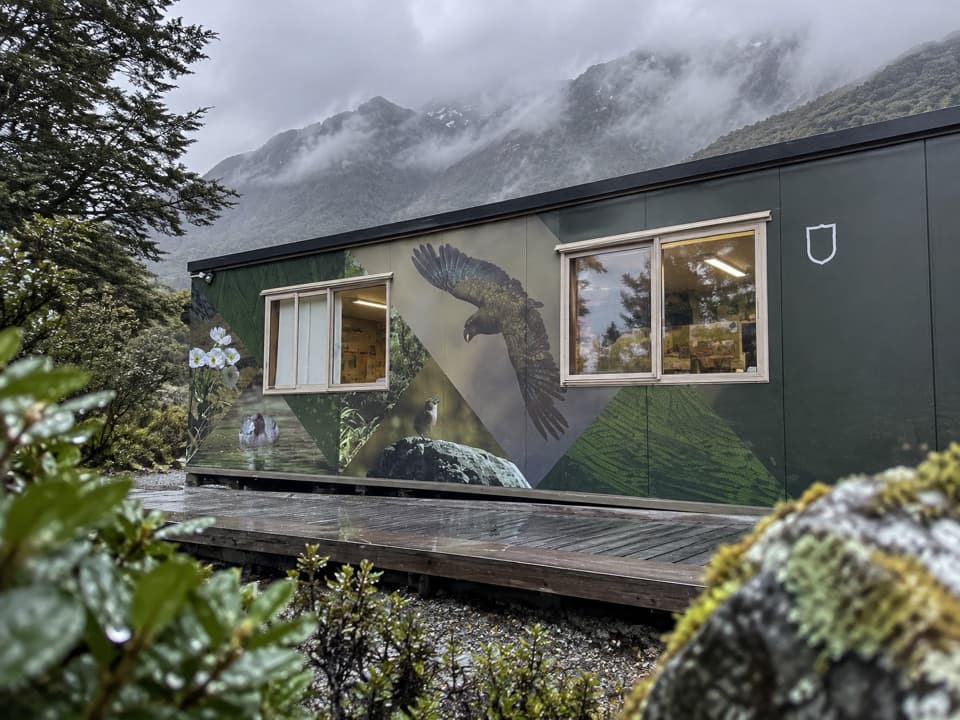
Kea—the famously cheeky alpine parrots—often patrol the area. They’re a delight to watch, but keep zips closed and never feed them.
Rail brought visitors here in July 1914 when the Midland Line first reached the village. The opening of the Ōtira Tunnel in 1923 amped up traffic and prompted a larger island‑platform station. That second building burned down in 1963; the present A‑frame was completed in 1966. The line once switched from electric to diesel here and the station handled more operations, but today it’s mostly about the passenger stop.
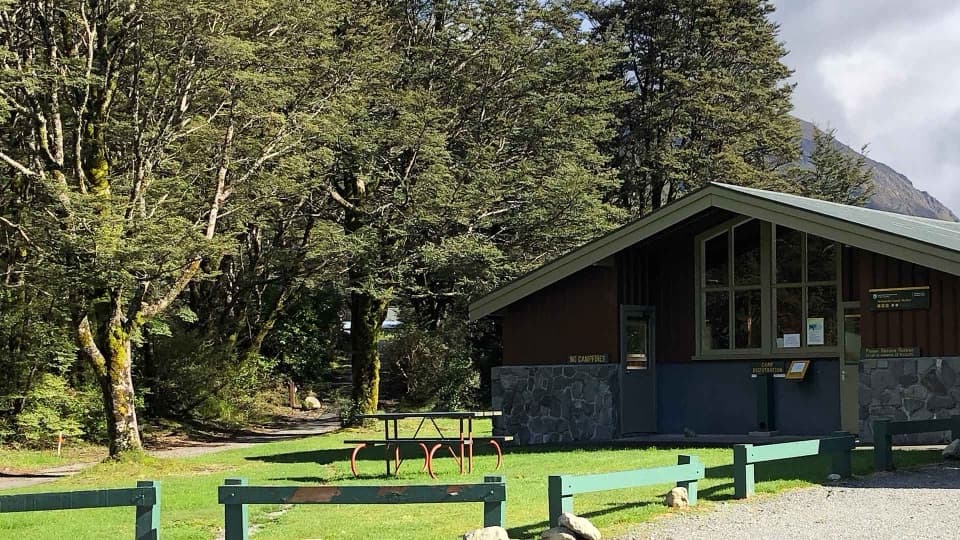
This is essentially an unstaffed stop with minimal services. Don’t count on on‑site basics like food, water, or cash—bring what you need. Public toilets, maps, and track advice are a short walk away at the national park visitor centre in the village (roughly 150 m from the station), and cafés are nearby. The TranzAlpine typically pauses only around ten minutes, often to attach or detach a locomotive, so stay close to the train if you’re boarding again.
Kea are the headline act here. You’ll spot them most reliably when a train is in, as the bustle draws their curiosity. Enjoy the show but keep belongings secure.
Mid‑morning and late morning are prime if you want the buzz of the TranzAlpine rolling through and the best chance of kea activity. For photos, softer morning light makes the mountains and A‑frame pop. Weekdays are usually quieter outside train times. In any season, alpine weather turns fast—pack a warm layer and check road conditions if you’re driving the pass.