
Place · 5.1 mi away
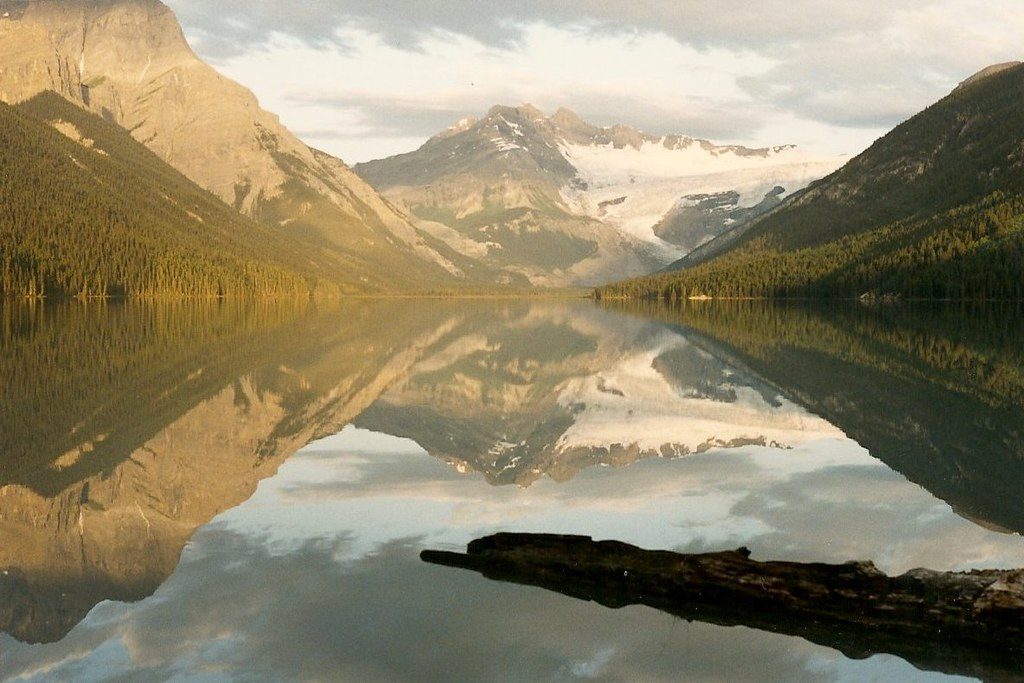
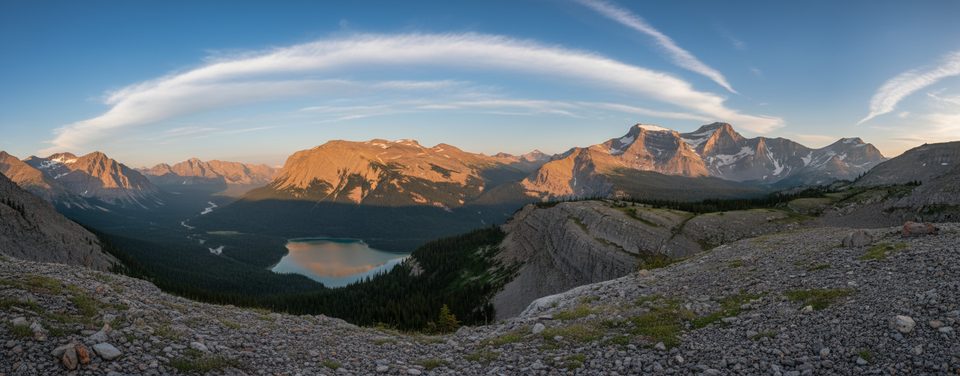
Glacier Lake is the fourth-largest lake in the park and feels wonderfully remote. Fed by the Lyell and Mons Icefields and the Forbes North Glacier, it glows a striking blue on sunny days. You’ll trade the roadside crowds for wilderness vibes, mountain walls, and a long, quiet shoreline.
Plan on roughly 9 km one way (about 17 km return) with modest elevation gain. The well-traveled path crosses a sturdy suspension bridge over the Howse River, winds through dense forest and open valley, and deposits you on a big backcountry lake that actually feels wild. Most hikers take 6–7 hours round-trip; the challenge is distance more than steepness.
It’s a genuine backcountry experience without being extreme. You get glacier-fed color, sweeping mountain views, and a lakeshore that can feel empty—especially on weekdays or early in the season. If you’re easing into backpacking, this is a confidence-building objective with a huge scenic payoff.
There’s a designated backcountry campground at the lake (reservations required). Expect backcountry basics: tent pads, a pit toilet, and bear-proof food storage. No services—treat all water from the lake or streams and bring everything you need.
This corridor sees both black and grizzly bears. Carry bear spray, keep it accessible, make noise on the trail, and use the bear food storage at camp. Birdlife is steady in the subalpine forest; keep your ears open along the approach.
Early summer can be buggy, and sections turn muddy after rain. The route is straightforward but long—pack enough food and layers, and don’t count on cell service.
Mid-June to late September offers the best trail conditions and that vivid glacial color. Aim for sunny days to make the turquoise pop, and go mid-week or start early for maximum solitude. Some hikers tackle it in winter for a very quiet, long day, but be prepared for cold and short daylight.
Place · 5.1 mi away
Place · 5.9 mi away
Place · 6.2 mi away
Place · 6.2 mi away
Easy · 6.4 mi away
Challenging · 6.4 mi away
Challenging · 10.1 mi away
Challenging · 10.4 mi away

Parkwolf Tour Guide
