Place
Challenging

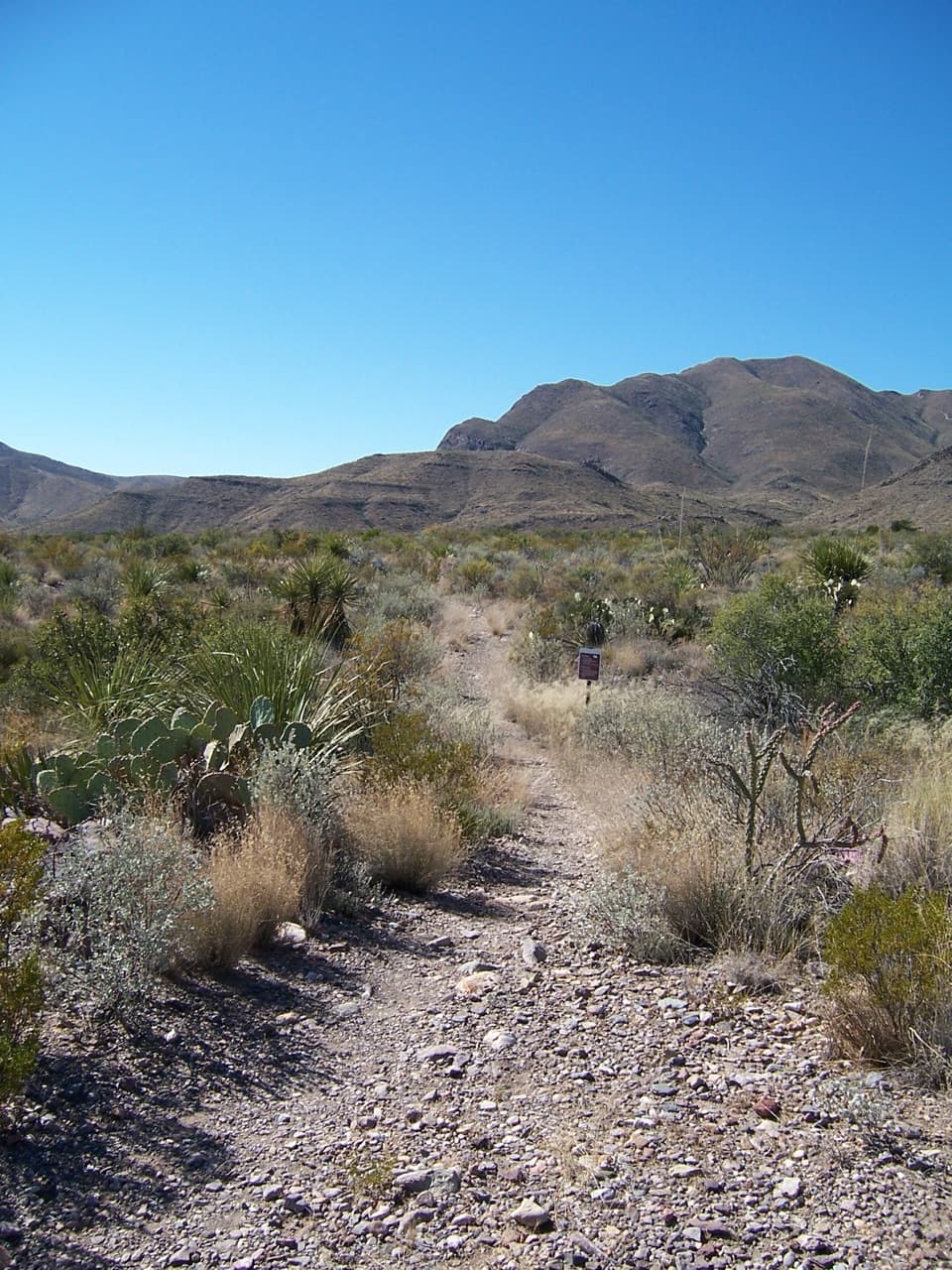
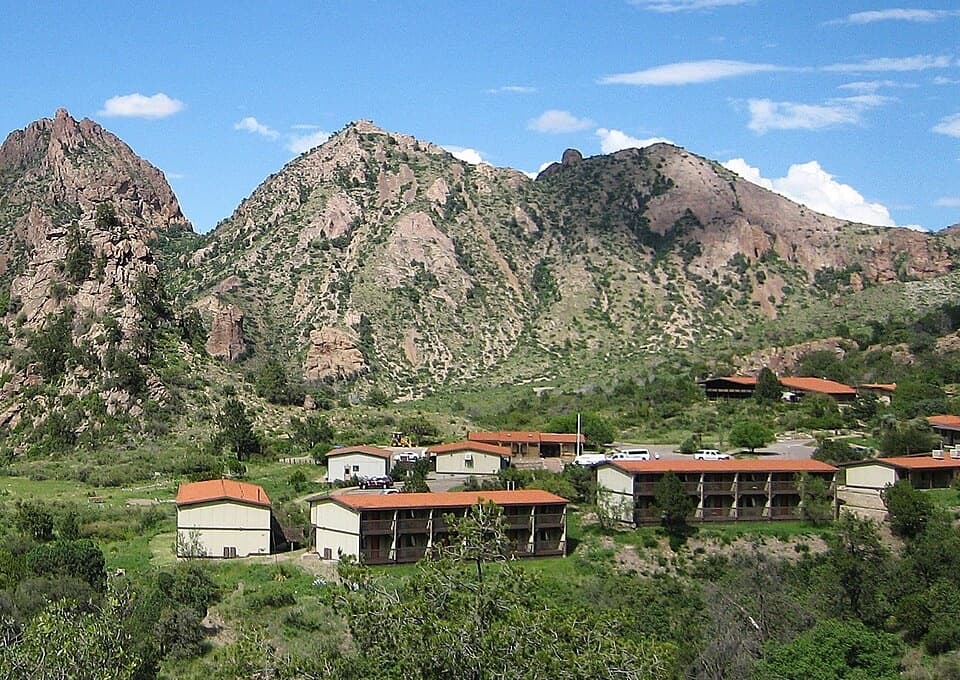
If you’re craving true Big Bend solitude, the Elephant Tusk Trail delivers. This is a long, primitive backcountry route through the Chihuahuan Desert to the dramatic, tusk-shaped volcanic intrusion that dominates the skyline. Plan for about 18.4 miles total, out-and-back, with no water, no shade, and very little in the way of signage. This one is squarely for experienced, self-reliant hikers who are comfortable navigating faint tread.
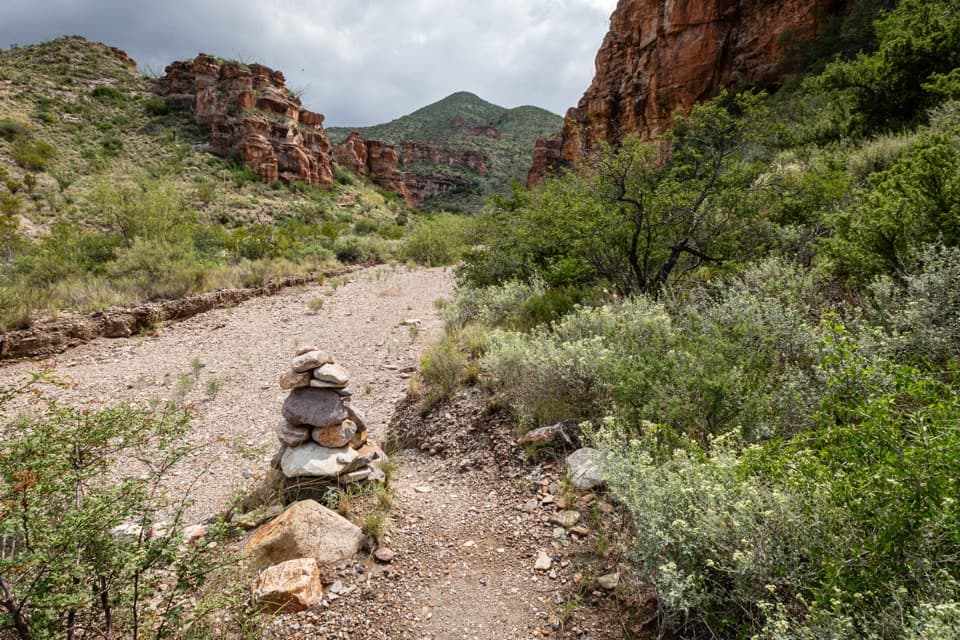
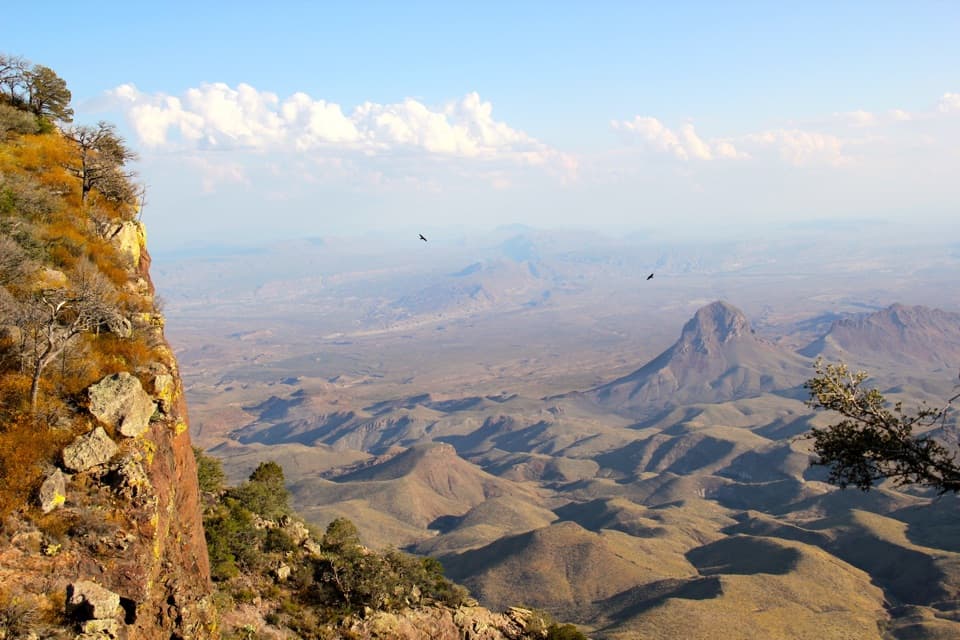
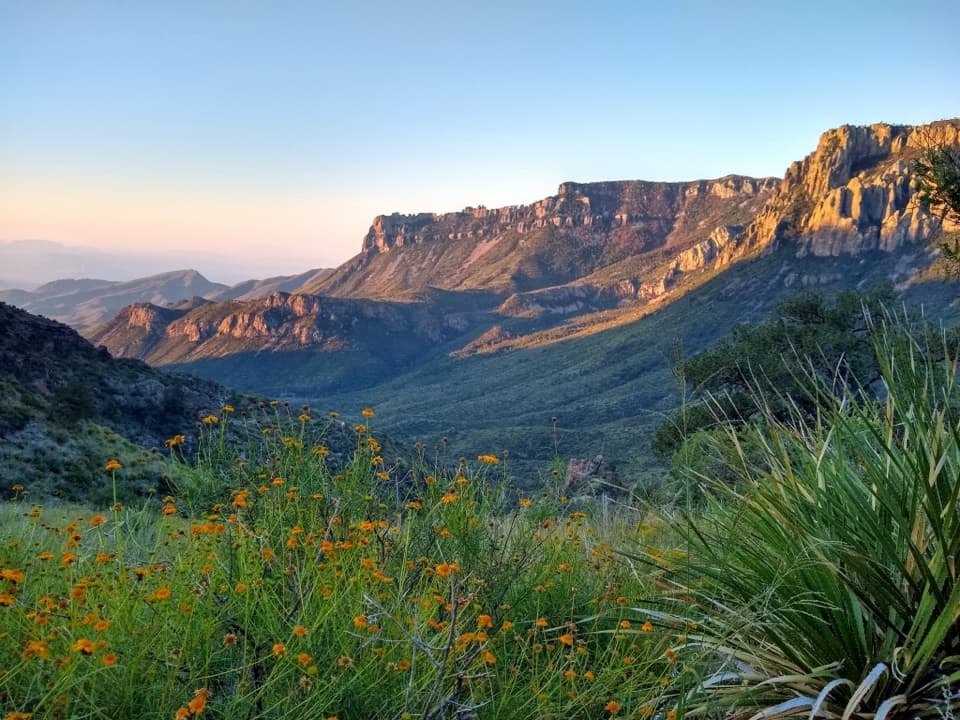
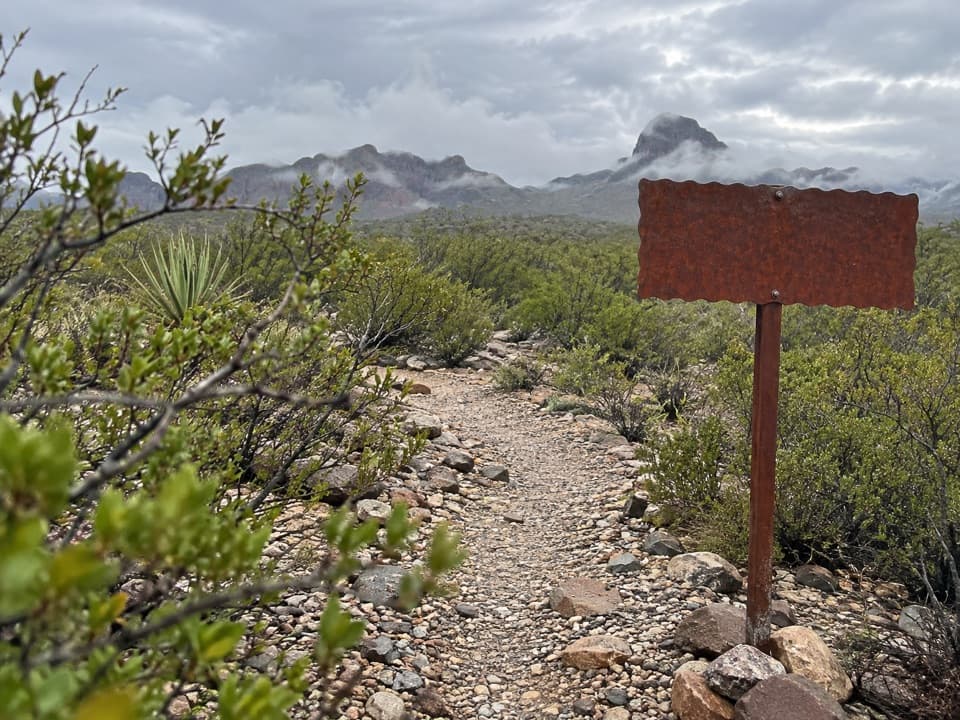
The route wanders across open desert flats, gravelly washes, and rocky undulations with classic desert flora like ocotillo and prickly pear. Expect sweeping views and very few people—often none. On-the-ground alignment doesn’t always match older topo lines; in a couple of spots the established tread deviates, so you’ll need solid navigation and a current GPX. Approaching the base of Elephant Tusk is straightforward hiking; actually scrambling onto the formation is optional and involves steep, loose volcanic rock where some hikers use a rope for confidence.
There is no reliable water on the route—carry everything you need. Exposure is total, with harsh sun and reflective heat. The remoteness is the point here, but it also means you should be conservative with turnaround times and generous with your safety margins.
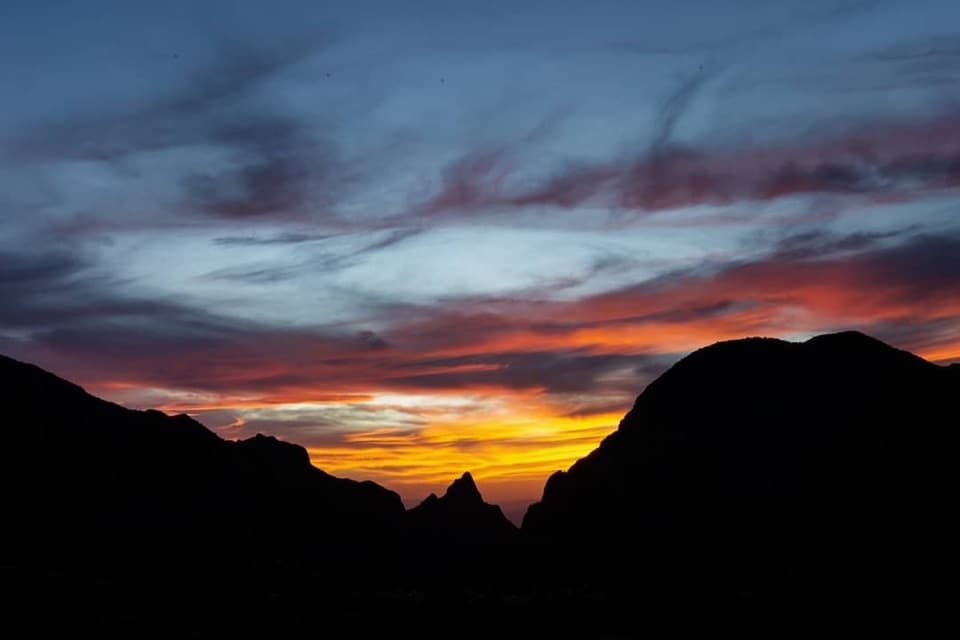
Go in fall, winter, or early spring when temperatures are cooler. Summer heat can be dangerous here, with little to no shade and long stretches between any kind of shelter. Start at dawn for the best light on the formation, cooler temps, and a comfortable buffer for the long day.
High-clearance, 4WD access is strongly recommended; most hikers start from the Elephant Tusk primitive campsite or nearby primitive roads in the park’s far south, reached via rough backcountry roads. Figure extra time just for the drive. Bring a GPS device (and know how to use it), sun protection, lots of water, and a firm plan left with someone back home. Overnight backpacking is an option with a backcountry permit; day hikers should budget 9–12 hours and be honest about turnaround. No pets are allowed on this backcountry trail. If you want similar remoteness with more immediate payoff and less distance, a rim hike in this same southern backcountry can scratch that itch—just know the roads and exposure are similarly serious.
High-clearance, 4WD access via remote backcountry roads; most start near the Elephant Tusk primitive campsite or along nearby primitive road pullouts.
No water or shade; full sun exposure and heat risk. Remote setting with little to no cell service. Faint tread and known mismatches with older topo lines require confident navigation. Loose volcanic rock if you scramble onto the formation. Carry extra water, start early, and leave an itinerary with a contact.