Place · 3.1 mi away

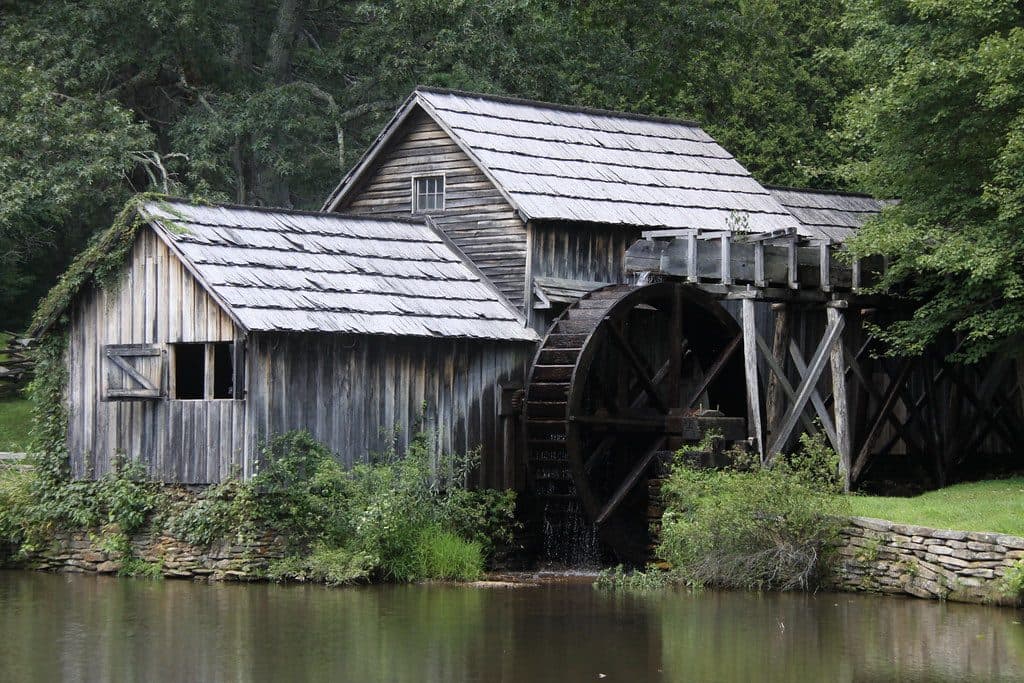
This is the Parkway’s postcard: a perfectly framed waterwheel mill set on a calm pond, ringed by seasonal color. It’s photogenic, yes—but it’s also a genuine window into early 1900s mountain life, with hands-on demonstrations (in season) and a cluster of historic buildings that make the place feel lived-in, not staged.
Mabry Mill is one of the Parkway’s most visited stops, and it shows. Expect company on fall weekends and during summer demo days. It’s still lovely when quiet—hit it early or on a weekday and you’ll get the reflective pond, birdsong, and the creak of the wheel mostly to yourself.
Birders do well here: hummingbirds, woodpeckers, vireos, indigo buntings, and migrating warblers work the edges. Around the pond, look for damselflies like ebony jewelwings and the occasional northern watersnake. Wildflowers attract butterflies (pearl crescents, silver-spotted skippers), and gray squirrels are regulars.
There’s on-site dining (the restaurant is known for hearty, country-style plates and pancakes) plus a gift shop for regional products. Restrooms and potable water are available seasonally. A small visitor center presence and exhibits round out the experience.
Edwin Boston Mabry started building here in 1903, growing a blacksmith and wheelwright shop into a gristmill, sawmill, and woodworking operation. The mill became a community hub—an energy you can still feel when musicians and dancers gather on summer Sundays.