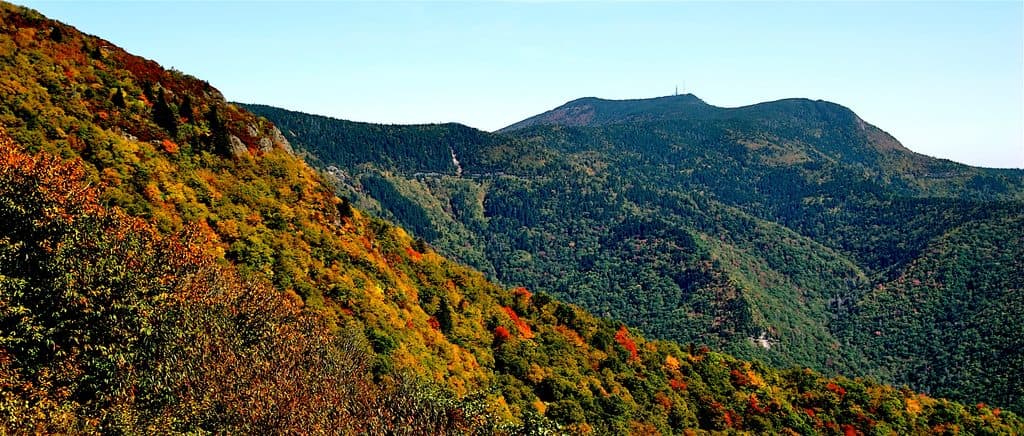
Mount Mitchell

Short walk to the East’s highest peak and sweeping 360-degree views
Mount Mitchell, Blue Ridge Parkway
InsideBlue Ridge Parkway

Overview

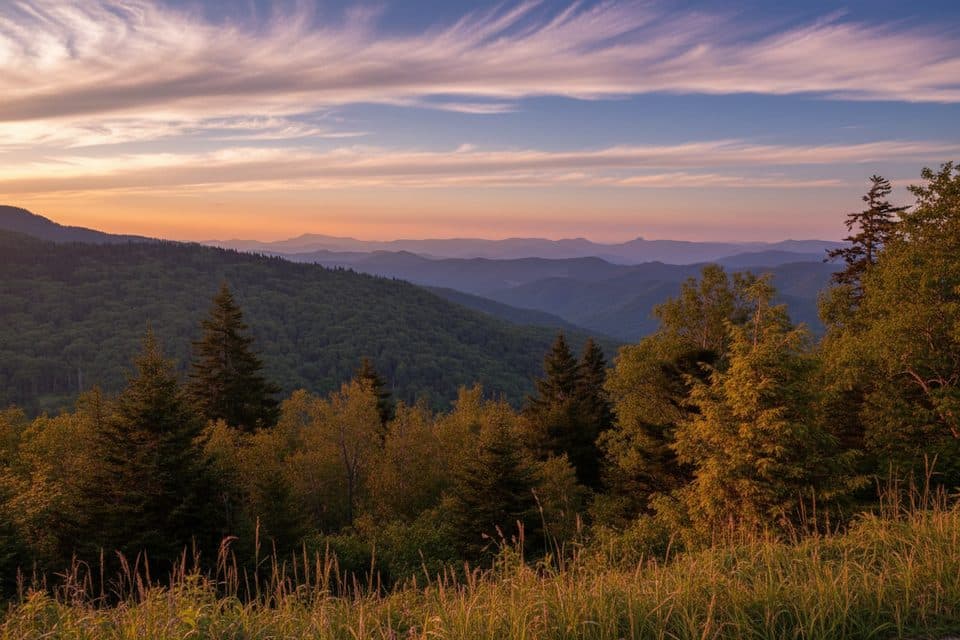
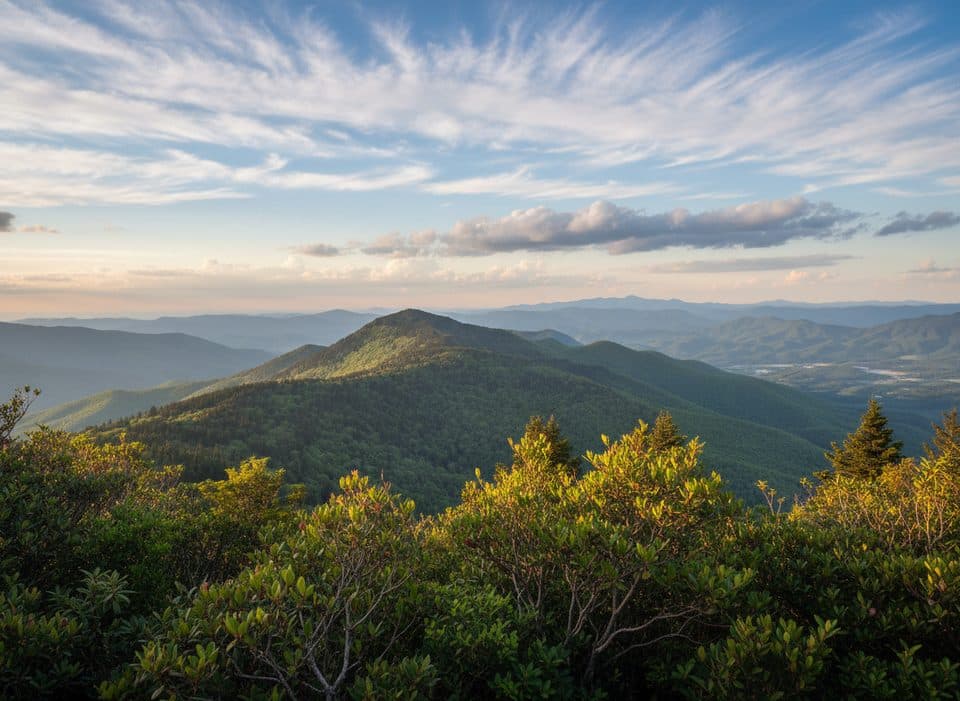
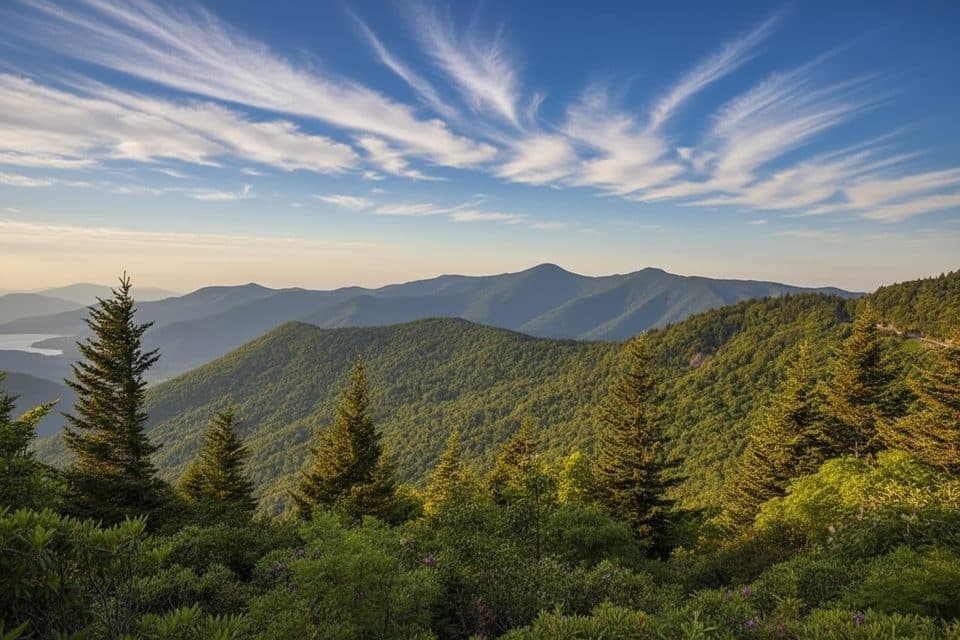
Mount Mitchell tops out at 6,684 feet, the highest point east of the Mississippi. It’s an easy win: turn off the Blue Ridge Parkway at MP 355.4 onto NC 128, drive nearly to the top, and stroll a short paved path to the modern summit observation deck for 360-degree views across the Black Mountains.

What You’ll See

  • A circular observation platform with long-range panoramas (on clear days, visibility can stretch dozens of miles).
  • A small natural history museum with interpretive exhibits near the summit, plus a seasonal gift shop.
  • A café along the access road serving food in season, with restrooms and a large picnic area near the top.

Trails: Easy Strolls to Big Efforts

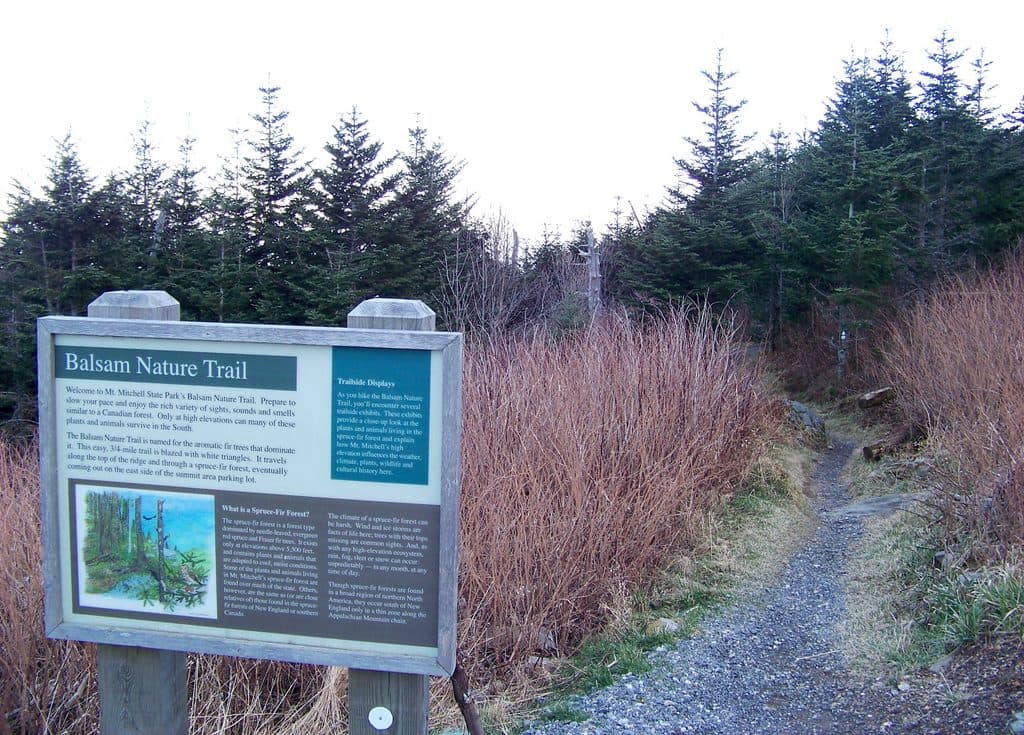
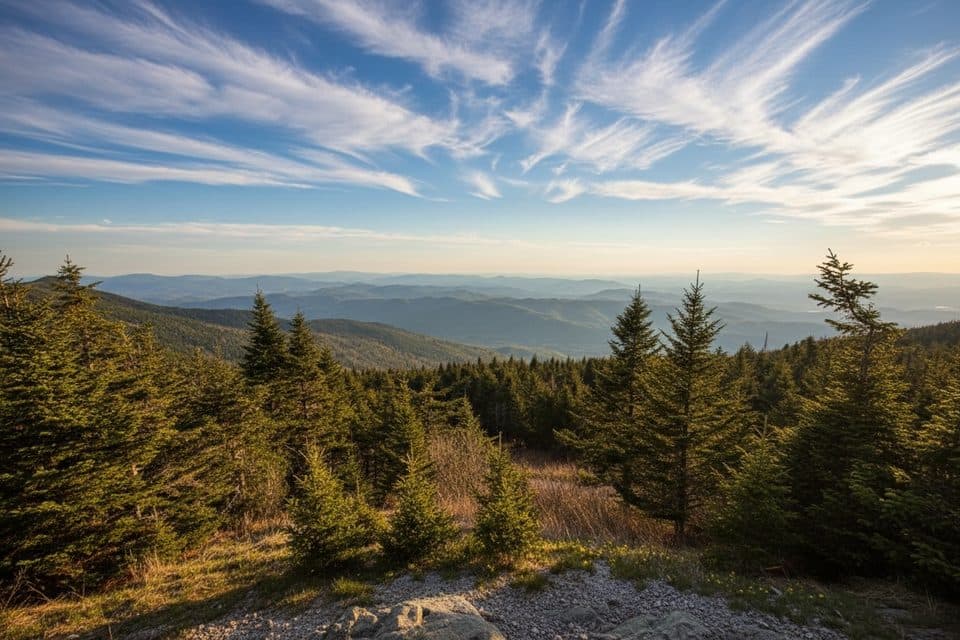
  • Summit and Balsam Nature Trail: Short, waymarked paths in high-elevation spruce–fir and balsam fir forest right by the summit.
  • Deep Gap Trail: A classic ridge walk connecting nearby high peaks.
  • Mount Mitchell Trail #190: A strenuous climb from the valley with over 3,600 feet of gain, starting near Black Mountain Campground. It’s long, technical in places, and rewarding if you want to earn the summit.

Wildlife & Ecology

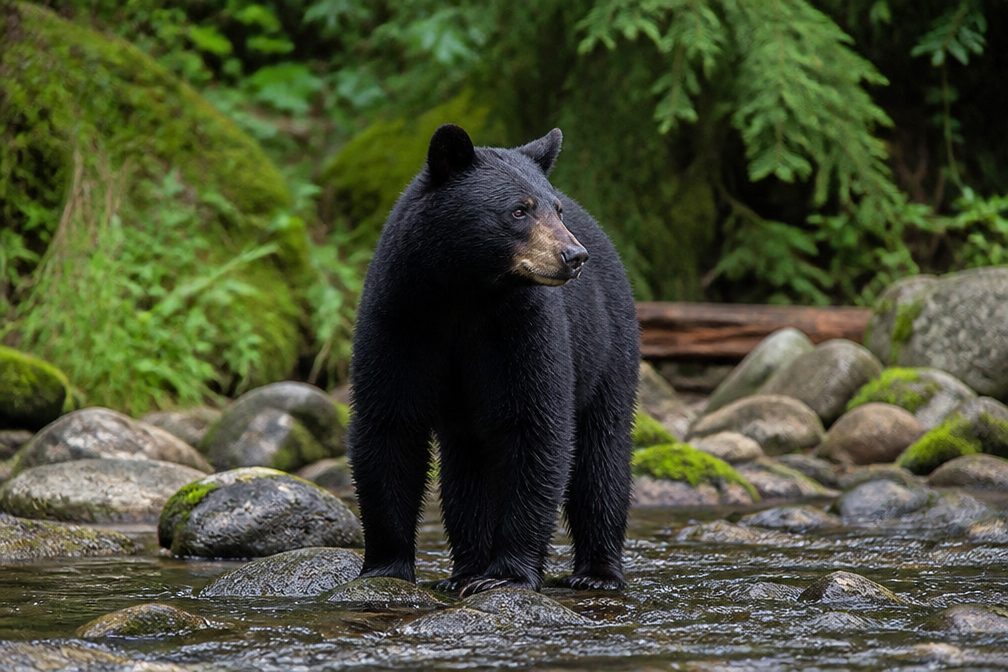
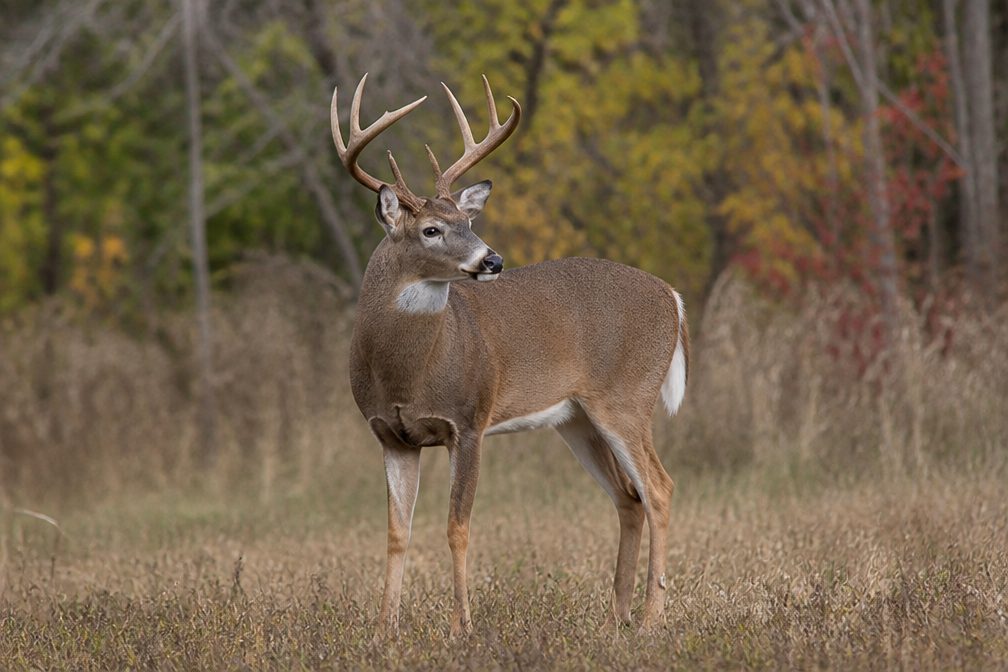
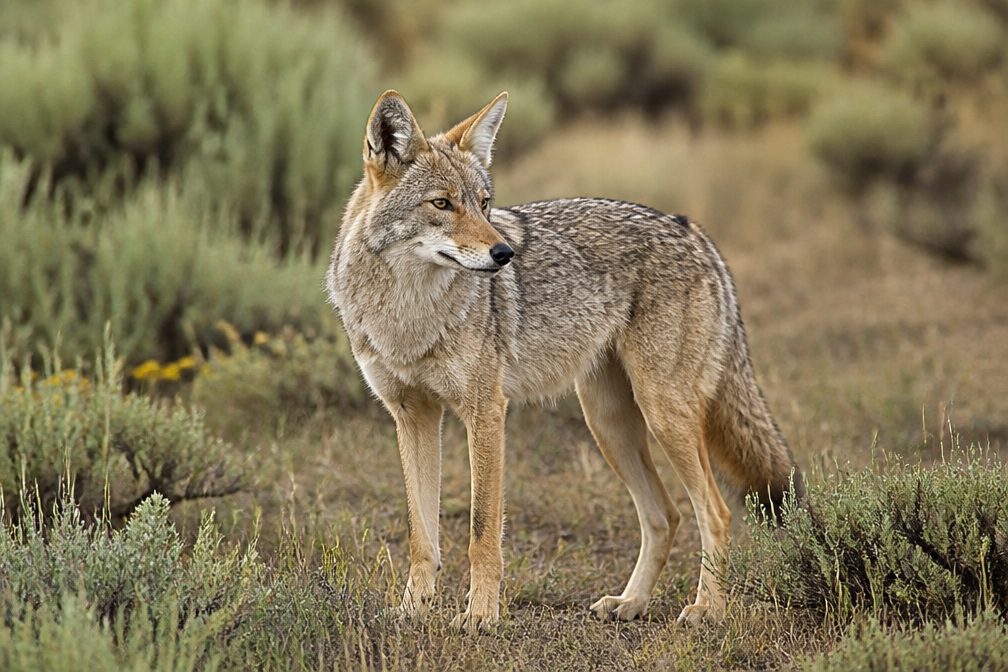
This mountaintop feels more like southeastern Canada than North Carolina. The rare spruce–fir ecosystem shelters uncommon plants and is a birding hotspot, with over 90 recorded species. Expect small mammals and forest birds; large wildlife is less common in the harsh summit climate.

History & Geology

Named for Dr. Elisha Mitchell, who proved this range holds the East’s highest peak in the 1800s; he is buried at the summit. Established in 1915, this was North Carolina’s first state park. The current low-profile observation platform replaced an older tower. Ancient metamorphic rock and relentless weather define the landscape.

Know Before You Go

  • It’s often 15–20°F cooler up here. Wind, fog, and storms roll in fast—bring layers and rain gear.
  • Facilities (museum, gift shop, café, campground) are typically open May–October; expect limited services in the off-season.
  • Lightning is a real hazard on exposed high ground—head for shelter if storms build.

Best Time to Visit

  • Arrive early or late in the day to beat crowds, especially on weekends and during peak fall color.
  • Clear, post-frontal mornings offer your best odds for long views; midafternoons are more prone to clouds.
  • Winter can deliver magical rime-ice scenes, but roads and the Parkway often close—check status before you go.

Pros

  • Highest peak in the East with sweeping 360-degree views
  • Short, paved walk from the summit parking area
  • Seasonal museum, gift shop, and café nearby

Cons

  • Frequent fog and fast-changing weather can obscure views
  • Very busy on weekends and during fall color season
  • Seasonal services; winter road or facility closures are common

Tips

  • Layer up—expect temperatures 15–20°F cooler than the lowlands.
  • Check Parkway and NC 128 road status, plus seasonal hours, before you go.
  • If views are socked in, give it 20–30 minutes; weather shifts fast up here.
  • For fewer people, aim for early morning or late afternoon on weekdays.
  • Tack on the Balsam Nature Trail for a quick taste of the spruce–fir forest.
The Parkwolf tour guide sitting on a phone mounted in a car

Parkwolf Tour Guide

Like a tour guide in your car.

Save the places you found around Blue Ridge Parkway, then let Parkwolf guide the drive between them.Download Parkwolf on the App Store