Place · 0.5 mi away

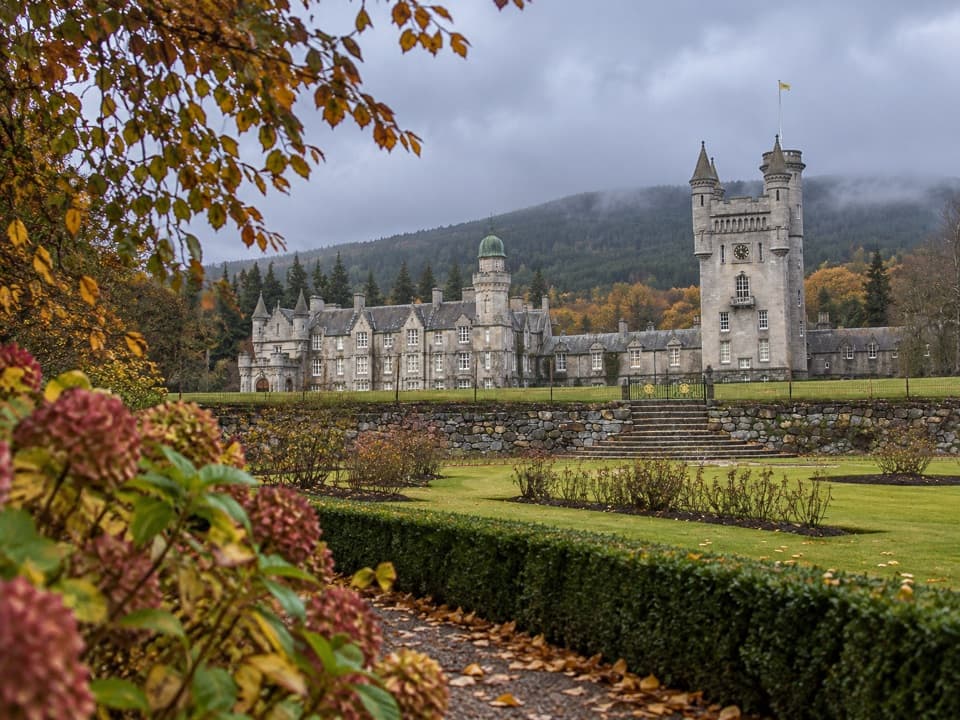
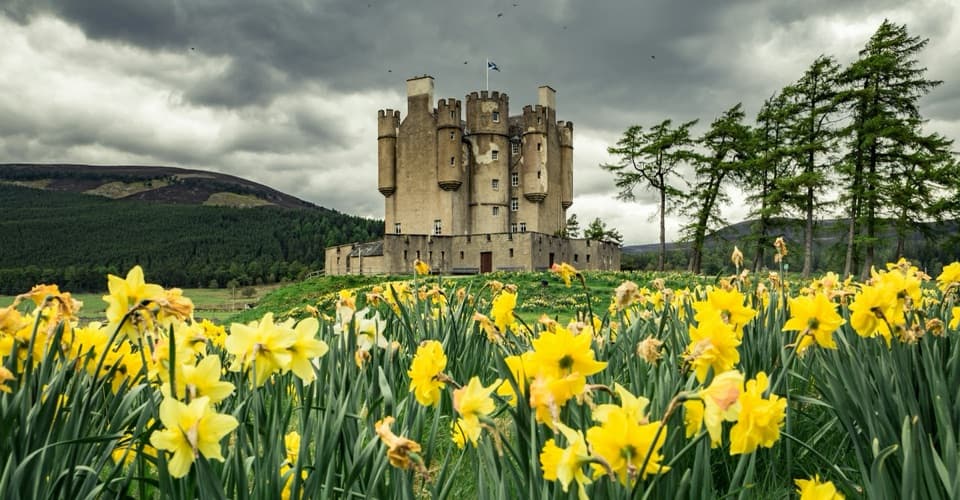
Set just north of Braemar village above the River Dee, Braemar Castle brings together striking Highland architecture and a surprisingly personal, community-run experience. Its five-storey L-plan tower is encircled by a rare star-shaped curtain wall, giving the place a distinctive, fortified silhouette against the Cairngorm hills.
Inside, expect vaulted stone rooms, period-furnished spaces, and atmospheric touches like the Laird’s Pit (the dungeon) and historic graffiti left by government soldiers when the castle served as a barracks. Exhibits trace the castle’s many lives—as a hunting lodge, Jacobite base, government garrison, and family home—with room-by-room interpretation and collections.
Built in 1628 by John Erskine, the 2nd Earl of Mar, the castle was attacked and burned during the 1689 Jacobite rising, later tied to the 1715 rising, and then converted into a government barracks after 1745–46. It later returned to the Farquharson chiefs and welcomed royal visitors over the years. Since 2007, the local community has cared for and restored the site, which is now legally protected as a listed building.
This is a warmly run, community-led attraction where volunteers bring the stories to life. The free Bloomberg Connects digital guide adds depth with audio commentary, an interactive map, and room-by-room content—great if you like to explore at your own pace and still get a rich narrative.
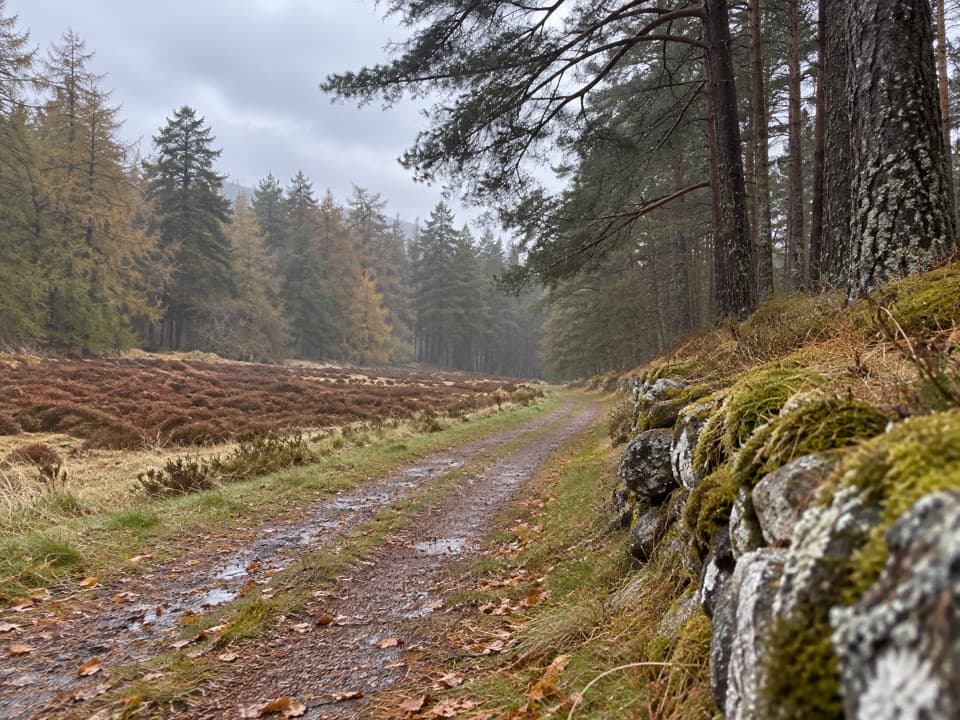
There’s a designated car park signposted off the A93 and a gift shop on site. The grounds are generally open year-round for walks and informal picnics, even when the interior is shut. There’s no food service, so bring your own snacks and water. Drone use isn’t permitted anywhere on the site.
Typical opening hours for the interior are around 10 am–5 pm. Crowds swell around midday—especially on weekends—so aim for opening time or the late afternoon for a quieter visit. Most people spend up to an hour here, which pairs nicely with a wander around the grounds.
This is primarily a heritage stop rather than a wildlife viewing spot; sources don’t document notable wildlife specific to the grounds.