Overview
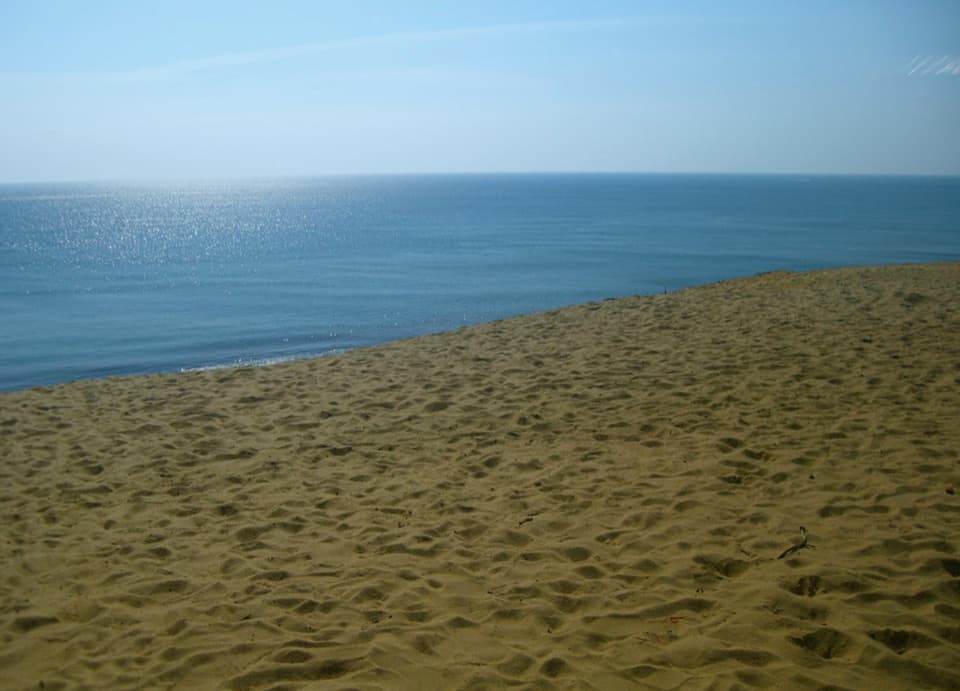
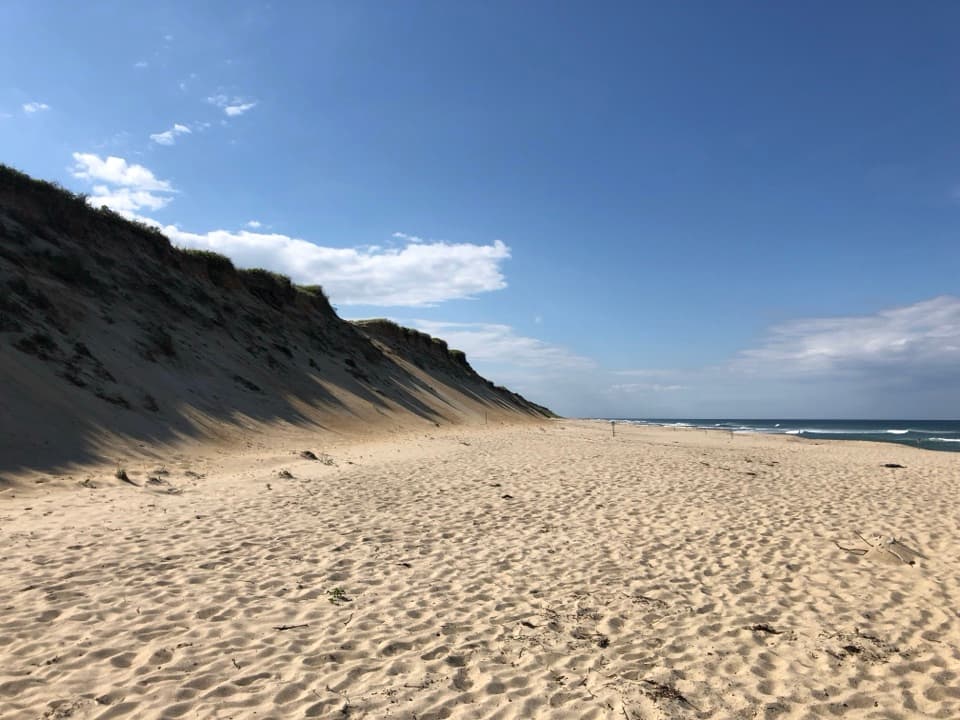
Marconi Beach is the classic Outer Cape experience: a broad Atlantic shoreline backed by a tall, wind‑sculpted sand bluff. The setting feels wild and uninterrupted, which is exactly why wireless pioneer Guglielmo Marconi chose this stretch for early transatlantic radio experiments.
Why it’s special
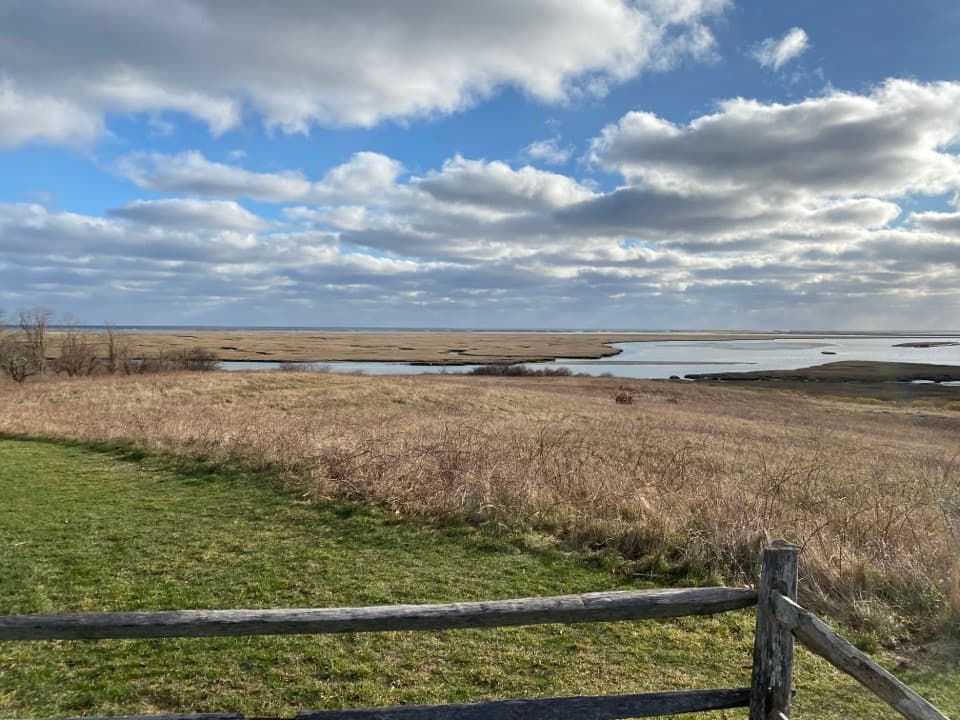
- History is literally on the rim of the bluff—just up the road, the former Marconi Station site has an observation platform with exhibits and sweeping views of both ocean and bay.
- The beach itself runs for miles, so even on busier days you can find quieter stretches with a short walk.
What you’ll see
- A ~40–50‑foot coastal bluff framing a wide strand and constant Atlantic surf.
- Regular seal sightings close to shore—always give them space and keep your distance.
Facilities and logistics
- Seasonal restrooms and a bathhouse sit up by the large paved parking area; expect bottle‑filling and outdoor rinse stations in season.
- Access is via a long staircase down the bluff.
- Parking passes are valid across the six Cape Cod National Seashore beaches, and there’s a marked drop‑off area near the lot.
Activities
- Classic beach time—swimming, surfing, and long shoreline walks are the draw.
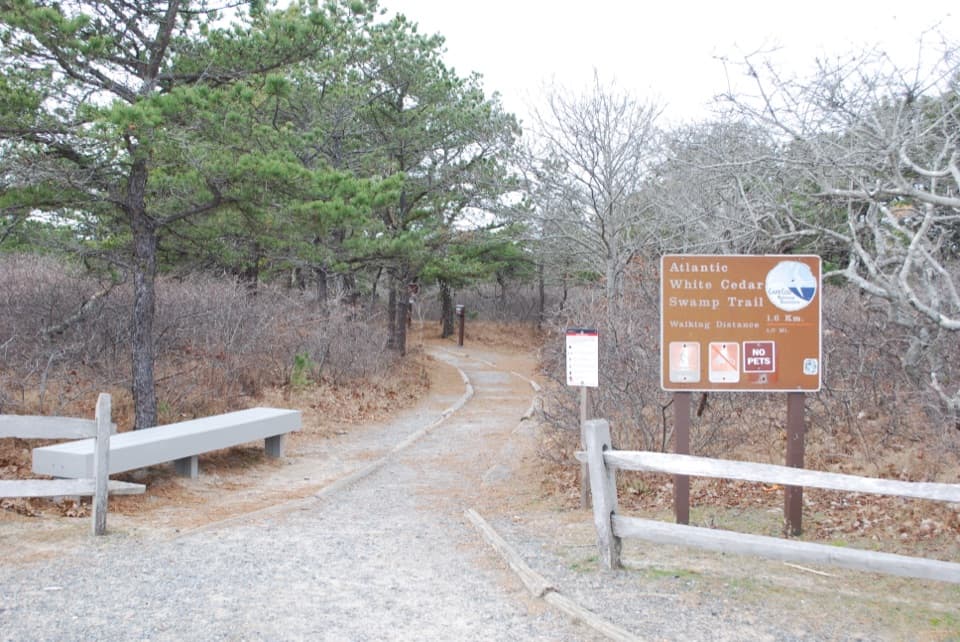
- Pair your beach visit with nearby walks in the uplands and the 1.5‑mile Atlantic White Cedar Swamp Trail for a totally different, shaded ecosystem.
Safety
- Stay off dunes and bluff edges; erosion is active and collapses are a real risk.
- Sharks are present in park waters. Follow posted signage and beach advisories, and use extra caution when entering the ocean.
- Watch for bicyclists where the bike trail crosses the entrance road.

Best time to visit
- Crowds spike midday, especially Friday–Sunday between about noon and 3 pm. Early mornings (before 10 am) and late afternoons are typically much calmer.
- In peak summer, lifeguards are usually on duty; shoulder seasons bring reduced staffing and facilities.
Nearby bonus
- The Marconi Station overlook is a quick add‑on for wide‑angle photos and context about the site’s role in wireless history.