Marconi Station Site

Historic bluff where transatlantic wireless leapt across the ocean
Marconi Station Site, Cape Cod National Seashore
InsideCape Cod National Seashore

Overview

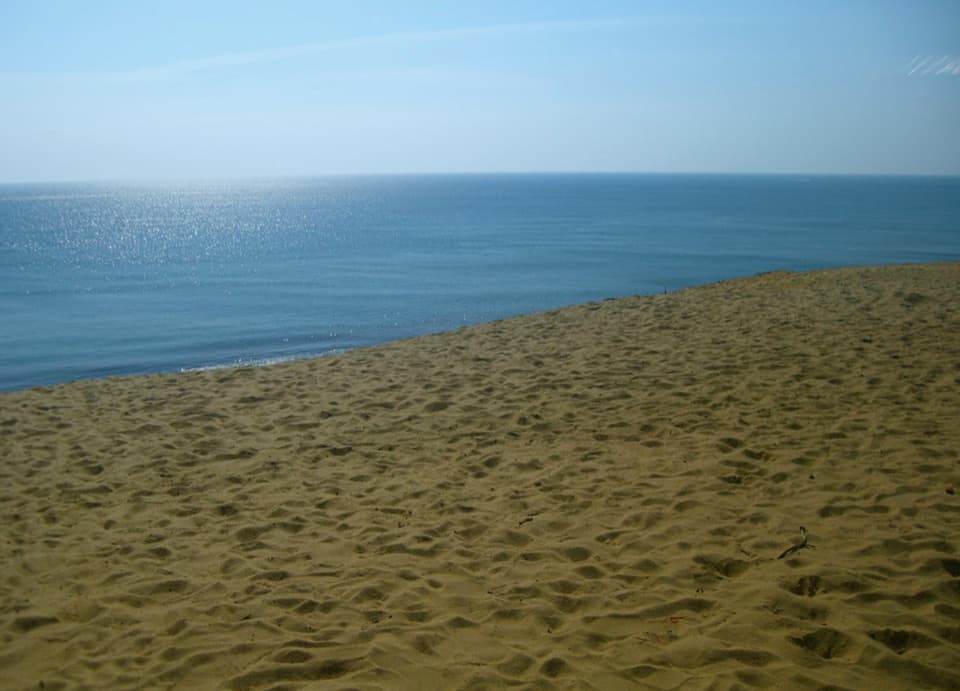
This is where long‑distance radio truly went prime time. On January 18, 1903, messages between President Theodore Roosevelt and King Edward VII crossed the Atlantic from this bluff—North America’s first public two‑way wireless link. Today you’re here for the sweep of ocean, the story told on wayside panels, and the sense that technology changed the world from a sandy cliff in South Wellfleet.

What You’ll See

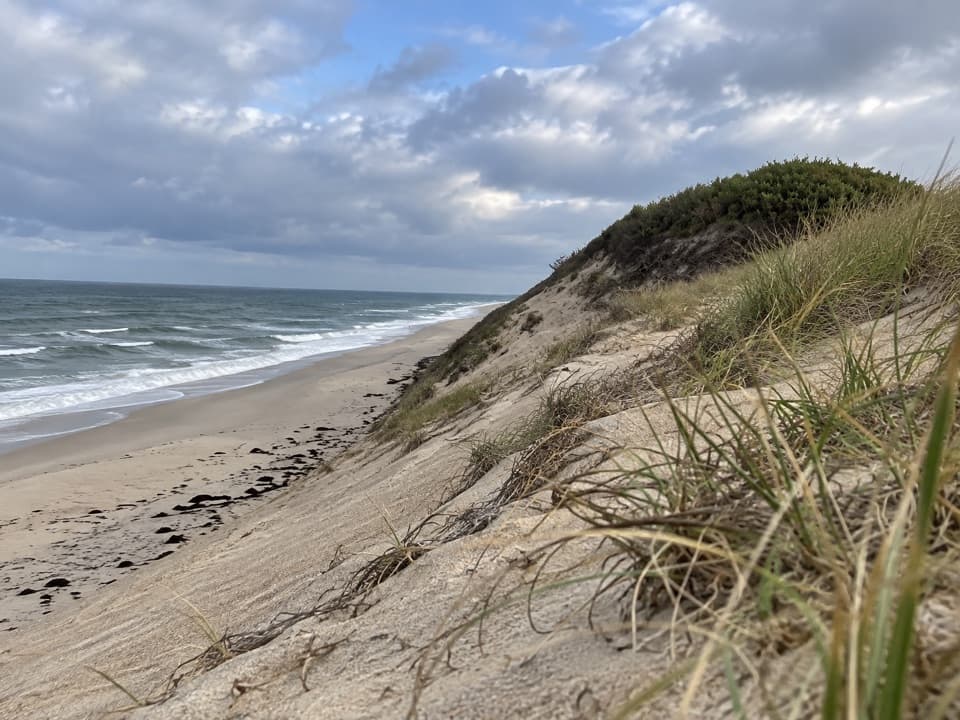
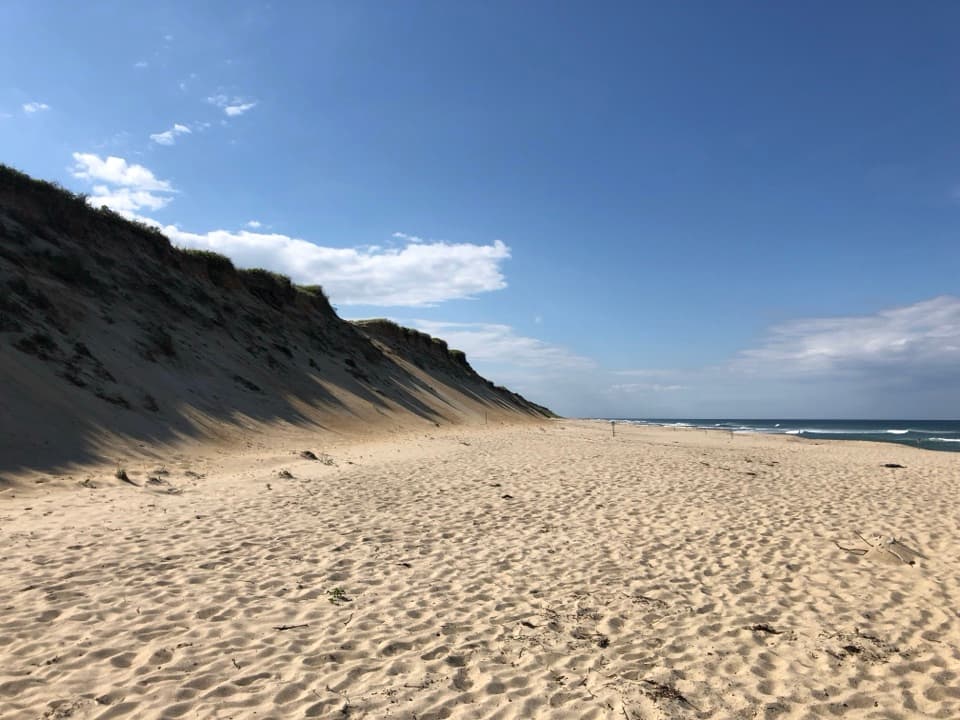
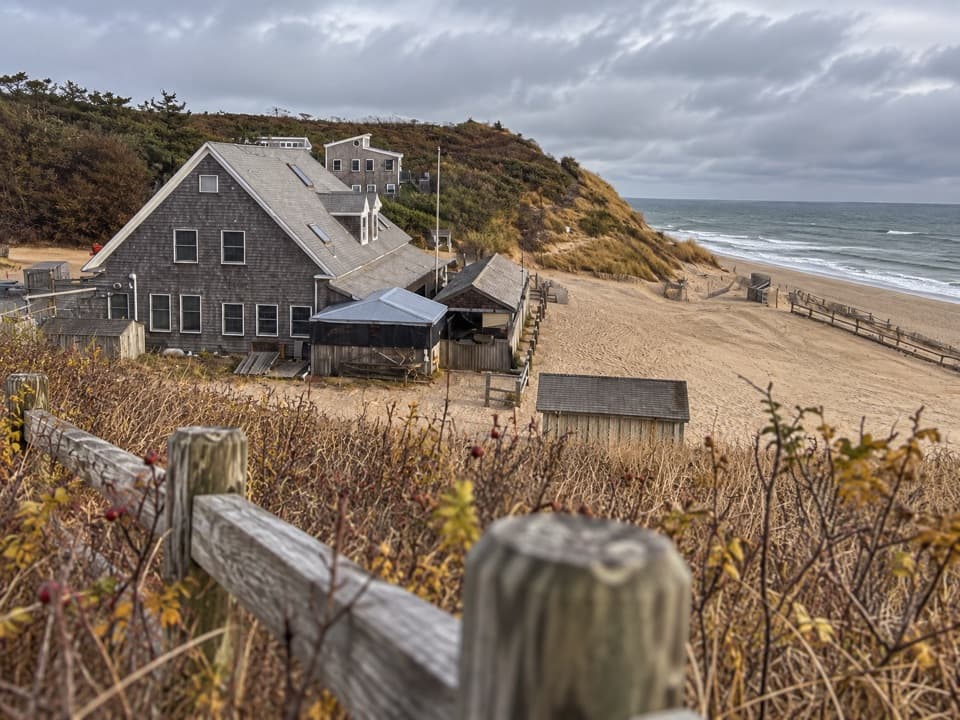
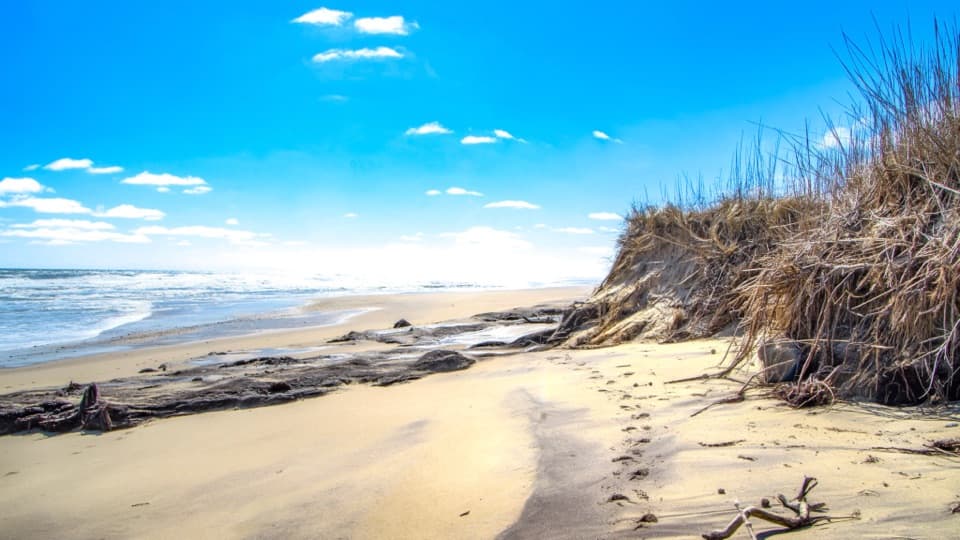
Don’t expect preserved buildings—the original station has been lost to coastal erosion. Instead, you’ll find an oceanside overlook, a memorial marking the station’s location, and exhibits that make the history legible while you watch surf hammer the base of the bluffs.

Why It Mattered

Four 210‑foot wooden towers once held long‑wave antennas here. Kerosene engines fed a Tesla transformer to hurl signals across the Atlantic, and the spark‑gap transmitter was powerful enough that locals could hear it miles away. The station (call sign CC) relayed ship‑to‑shore messages, figured in sea rescues—including the Titanic response—and helped launch the radio age. Shut by the Navy in 1917, dismantled by 1920, the site later earned a spot on the National Register of Historic Places.

Landscape & Safety

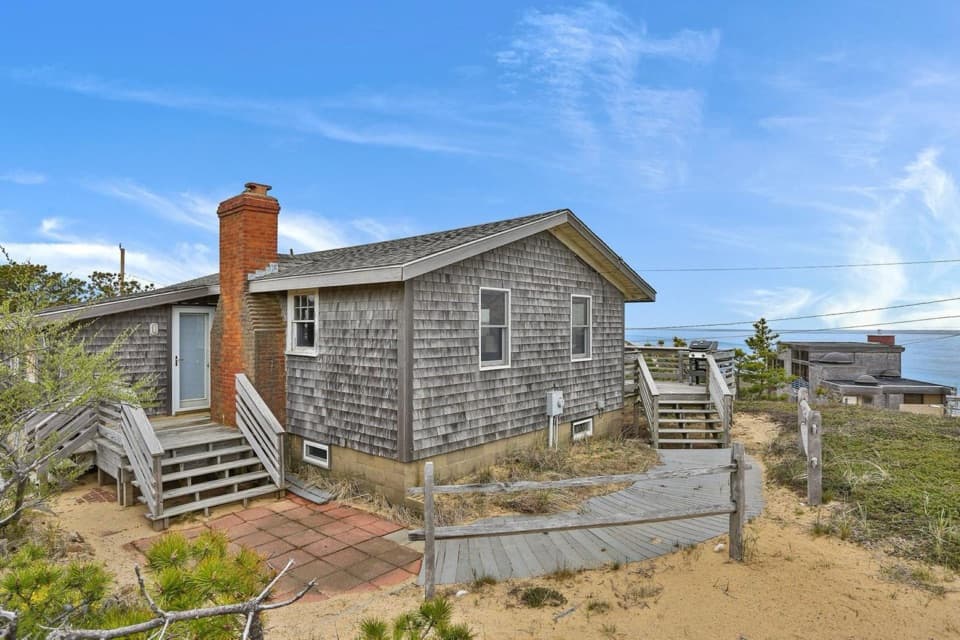
This is a high, sandy, constantly changing bluff. Storms and surf undercut the edge; dunes migrate; overlooks and signs may be moved or removed for safety. Heed fencing and closures and don’t descend the bluff.

Wildlife

You may spot seals along the shoreline and seasonal nesting shorebirds on nearby beaches. In warmer months, ticks and mosquitoes are a thing—use repellent and do a quick check after.

Amenities & Nearby

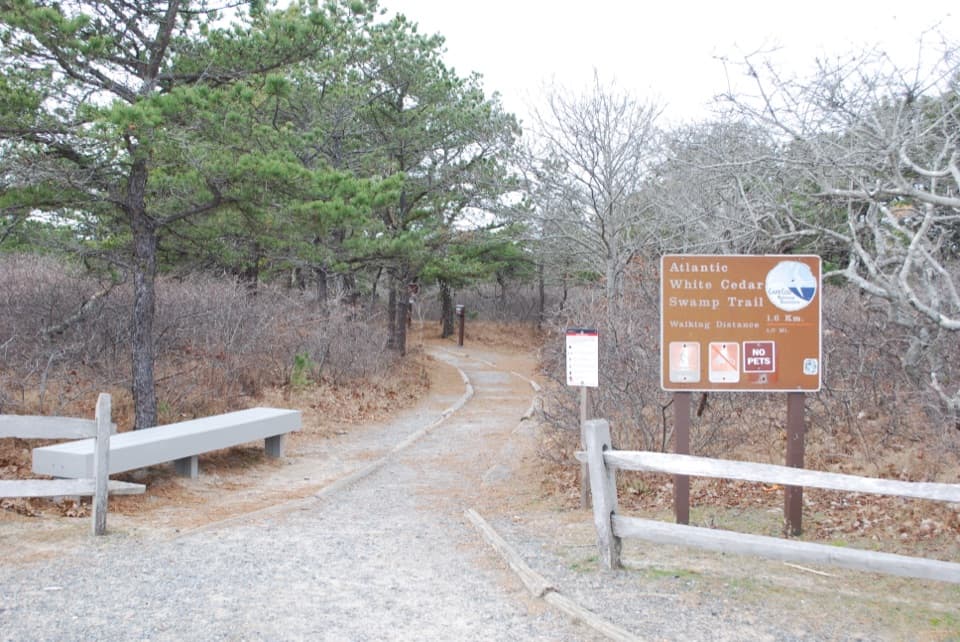
At the site: parking, vault toilets, picnic area, and interpretive waysides. There’s no running water. Seasonal flush restrooms are typically at Marconi Beach, with year‑round flush restrooms and water at Salt Pond Visitor Center in Eastham. There’s also an easy connection to the Atlantic White Cedar Swamp Trail if you want to turn the stop into a short hike.

Best Time to Visit

Clear mornings and late afternoons give you the best light on the Atlantic; evenings can be superb for stargazing on clear nights. It’s often windy—secure hats and loose items. If conditions look rough or foggy, save the bluff views for another time.

Pros

  • Big Atlantic bluff views with clear interpretive exhibits
  • Free parking and adjacent picnic area
  • Easy add‑on to the Atlantic White Cedar Swamp Trail

Cons

  • No potable water on site
  • Erosion can close or shift overlooks and paths

Tips

  • Bring your own water—there’s no potable water at the site.
  • Expect wind on the bluff; secure hats and loose items.
  • Stay behind fencing and obey closures—the edge is actively eroding.
  • Pair the stop with the Atlantic White Cedar Swamp Trail for a short hike.
  • For flush restrooms, use Marconi Beach in season or Salt Pond Visitor Center year‑round.
The Parkwolf tour guide sitting on a phone mounted in a car

Parkwolf Tour Guide

Like a tour guide in your car.

Save the places you found around Cape Cod, then let Parkwolf guide the drive between them.Download Parkwolf on the App Store