Place · 0 mi away

Perched on the bluffs above Landing Cove on East Anacapa, this tiny, primitive campground trades convenience for raw ocean drama. With just seven tent sites, you’re camping on a remote volcanic island rimmed by cliffs, sea caves, and natural bridges—about as wild as front‑row ocean camping gets.
Expect the basics: a picnic table and food storage box at each site and pit toilets nearby. That’s it. There’s no water, no showers, no store, no electricity, and no fires—bring a stove. The campground sits fully exposed, so wind and sun are part of the deal. In spring and summer, nesting gulls make the island lively (and smelly) with plenty of droppings around.
All access is by boat to Landing Cove, then a haul up roughly 150+ stairs to the plateau. You carry everything—food, water, and gear—so pack smart and expect a workout. Boat schedules and sea conditions control your timeline; weather can delay pickups, so bring extra supplies.
Wide‑open Pacific views in every direction, wave‑carved cliffs, and the island’s stark volcanic bones. Trails from the top lead to marquee overlooks like Inspiration Point and the historic lighthouse. Offshore, kelp forests sway in the cove and marine mammals are frequently spotted from boats and shore.
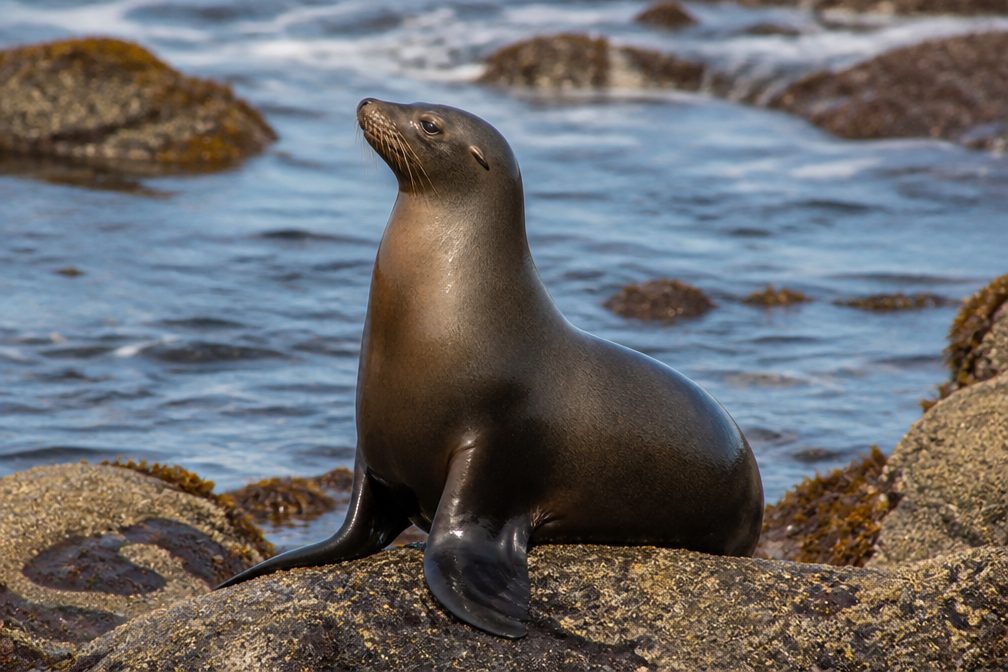
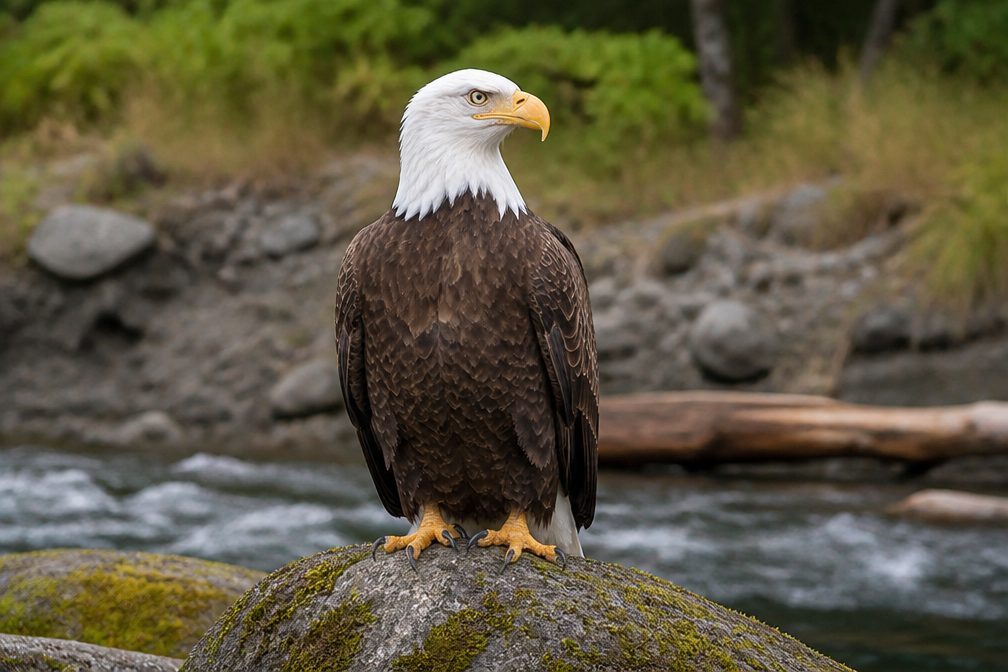
On land, the headliners are birds—especially Western Gulls during nesting season—plus brown pelicans and occasional raptors. In the water and en route, expect sea lions and dolphins, with the chance of whales in the channel. Stay on marked trails to protect fragile habitat and give nesting birds space.
There are seven individual sites (4–6 people each). Reservations are required, and parties are limited in how many sites they can book. Plan to pack in all water (bring extra in case of boat delays) and pack out every bit of trash.
Winter rains green up the island and can spark wildflower displays; spring and summer bring peak seabird activity (spectacular, but noisy and messy). For softer light and fewer harsh shadows, aim for early morning or late afternoon. Water activities depend entirely on day‑to‑day conditions.