Place · 0 mi away

Landing Cove is Anacapa’s cliffside gateway—an engineered dock, ladder, and stair system tucked into the rock of East Anacapa Island. Every visitor coming ashore here climbs a steel-rung ladder from a live boat and then tackles 157 concrete and metal steps to reach the island’s plateau. There’s no beach—this is a working landing in a dramatic setting, and that’s part of its charm.
From the top of the stairs, expect sweeping coastal views and quick access to the island’s short trail network, the historic lighthouse area, and a small visitor center. Look down into the water and you’ll often spot lush kelp forests fringing the cove against sheer volcanic cliffs.
This is the island’s sole official access point—for both arriving on foot and getting into the water from the island. The landing preserves a rare Lighthouse Service derrick-style setting and remains a photogenic piece of early 20th‑century ingenuity.
Landing Cove doubles as the island’s aquatic playground. Snorkelers, divers, and kayakers use ladders by the dock to get into the water. When conditions are calm, the cove is a standout for underwater visibility and easy access to kelp habitat. There are no lifeguards, so plan and paddle within your limits.
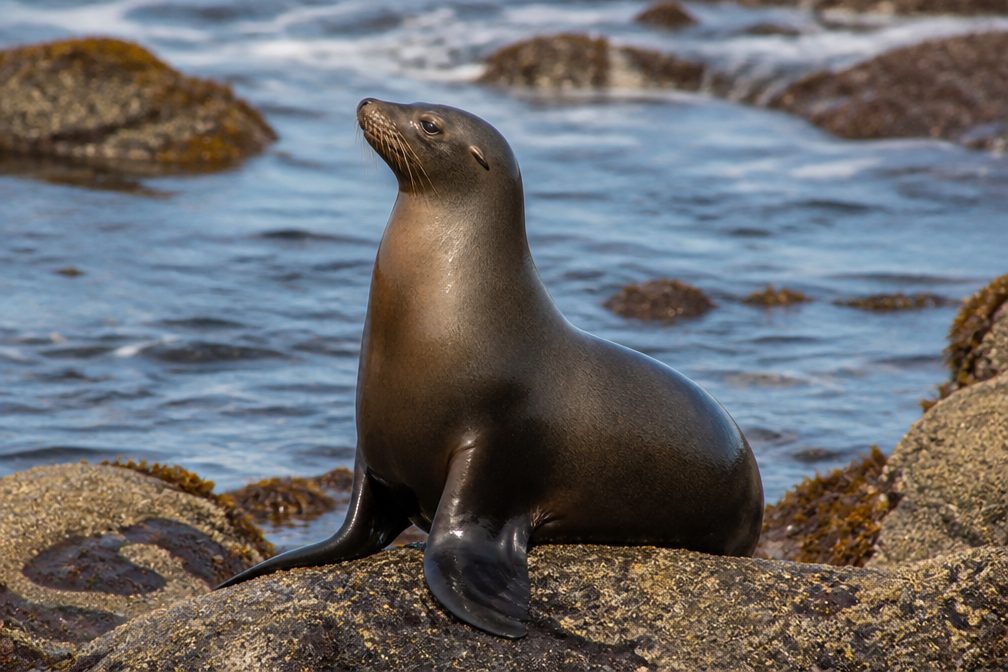
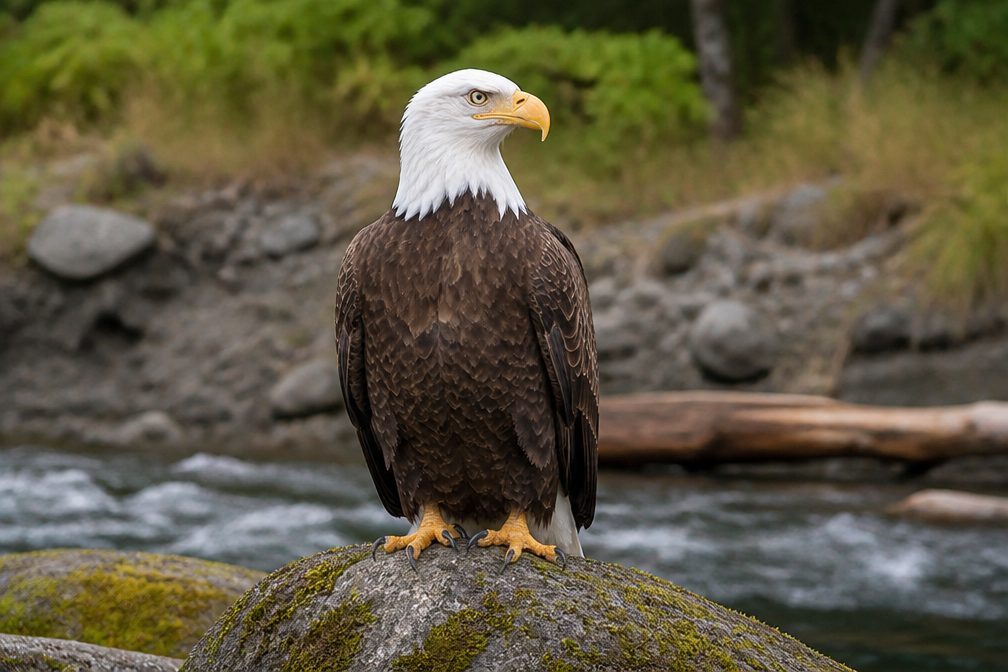
Sea lions frequently cruise the kelp beds and around the dock, and summer into fall can bring encounters with giant black sea bass along with abundant reef fish and invertebrates. Seabirds are constant companions on the cliffs. The area is protected—no collecting or fishing.
All access is by boat, and the landing is a live‑boat transfer—there’s no tie‑off to the dock—so timing and balance matter, especially if there’s swell. Pack light for the 157 steps, bring plenty of water and sun protection, and be ready to pack out all trash. Shade and services are minimal.
Conditions here drive the day. Swell can make ladder entries/exits spicy, and surge may be present in the cove. Divers and snorkelers should steer clear of boat traffic zones and mind flags. If seas are up, water plans may be curtailed.
Summer tends to see the most boat traffic (and usually the steadiest dive/snorkel visitation), with clear water and active kelp. Early in the day often means fewer bodies in the water and cooler temps for the stair climb. For underwater life like giant black sea bass, late summer through fall can be especially rewarding.