Challenging

Black Elk Peak Trail #4

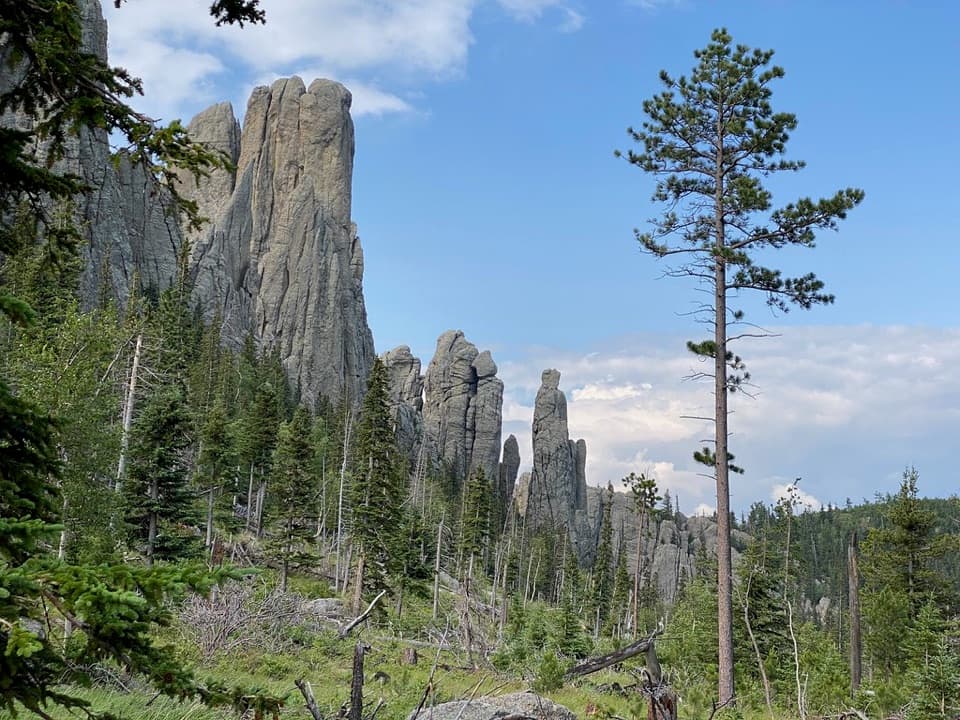
Granite spires to a 360-degree summit tower; Black Hills at their best
Black Elk Peak Trail #4, Custer State Park
Distance7.1 mi
Typical time5 hr
DifficultyChallenging
PetsAllowed

Why go

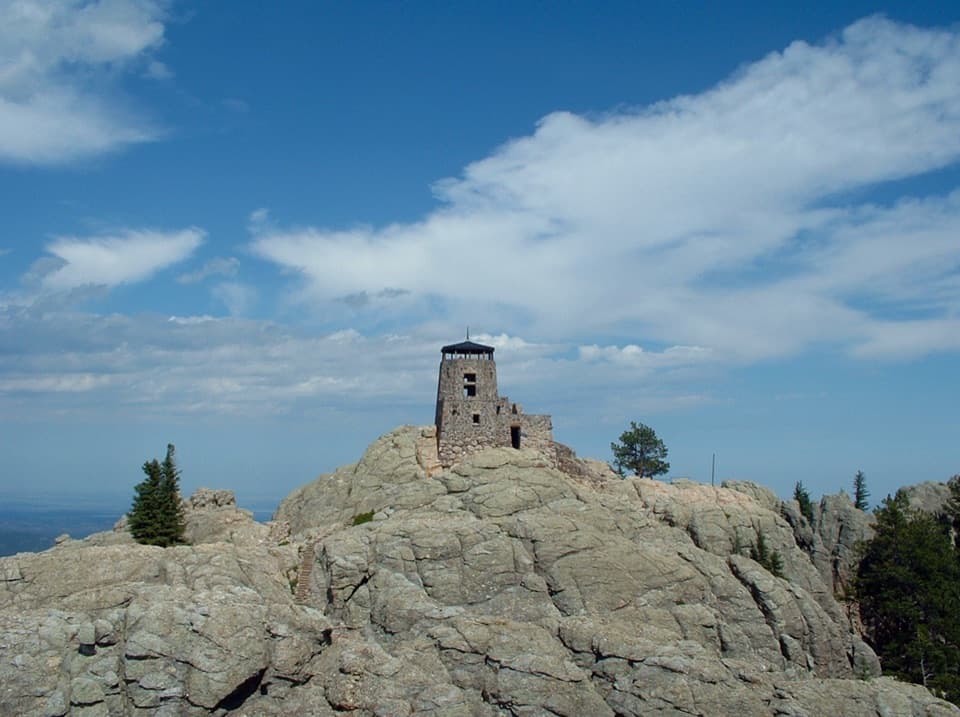
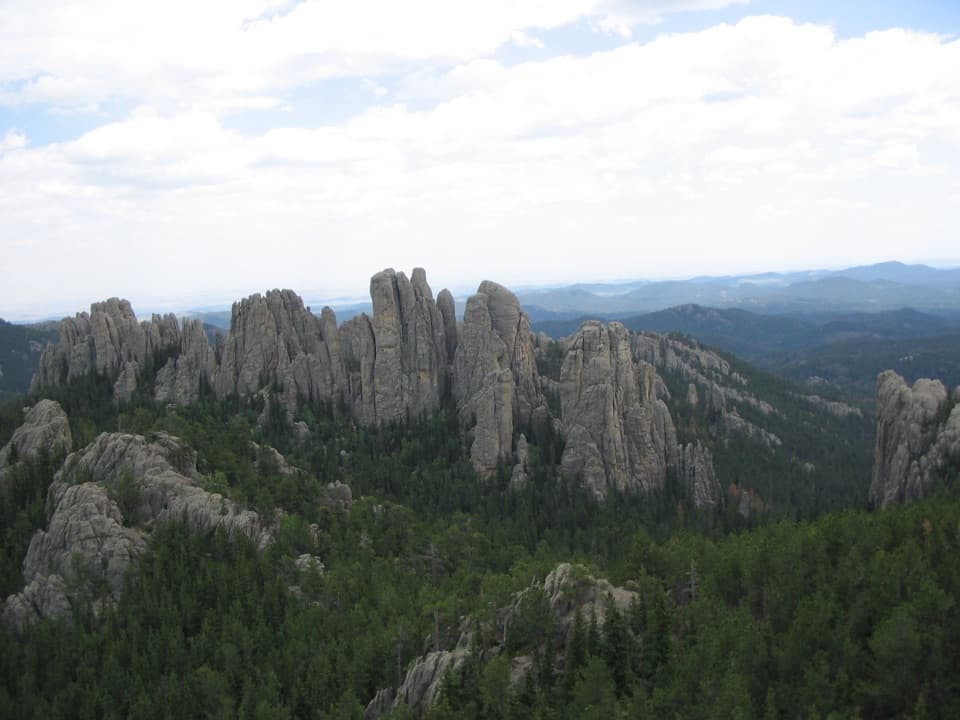
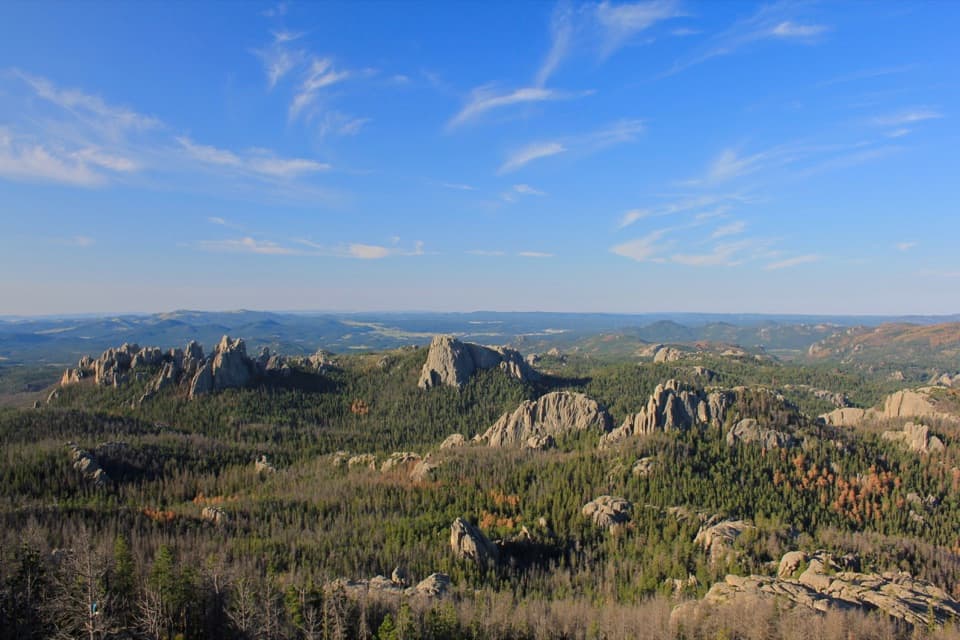
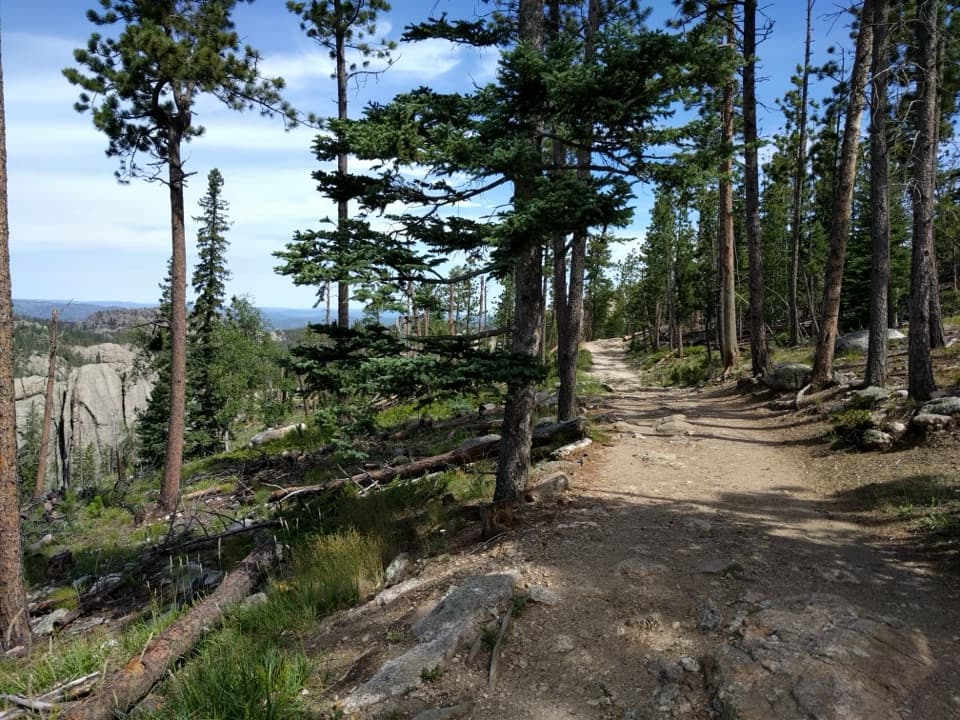
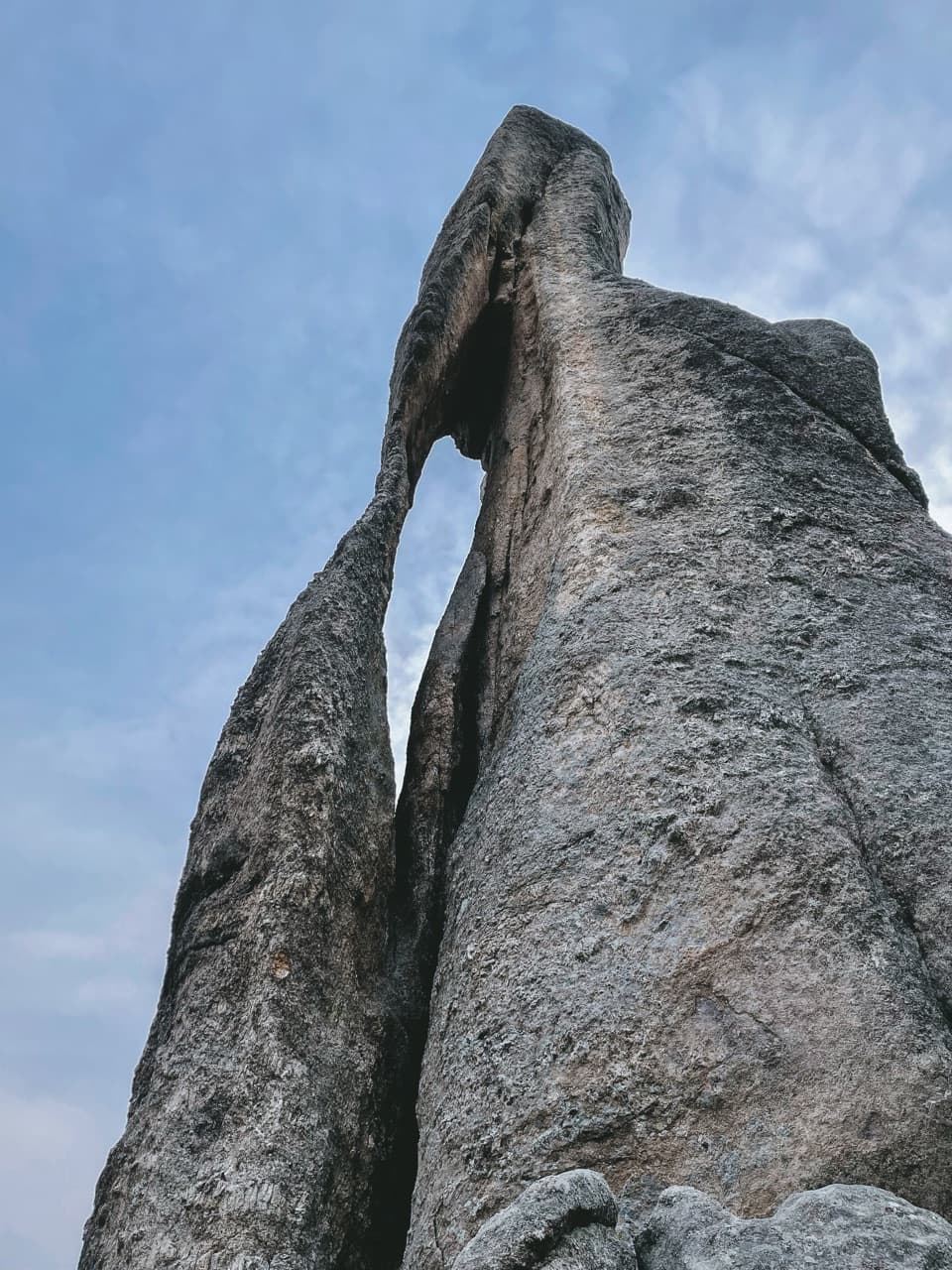
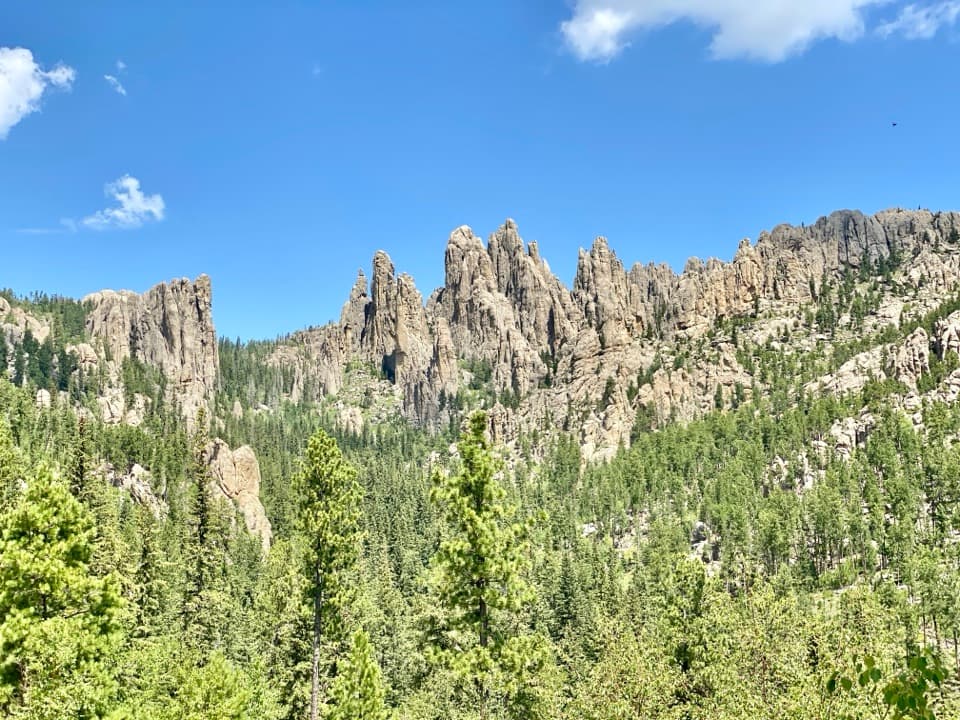
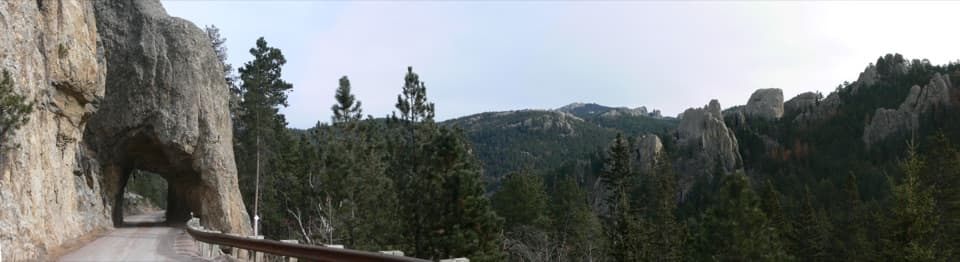
This is the classic Sylvan Lake approach to South Dakota’s highest point. Trail #4 threads through ponderosa pine and otherworldly granite spires, then switchbacks up to the historic stone fire lookout on Black Elk Peak. Views are huge—on a clear day you’ll see across the Black Hills in every direction.

The route and distance

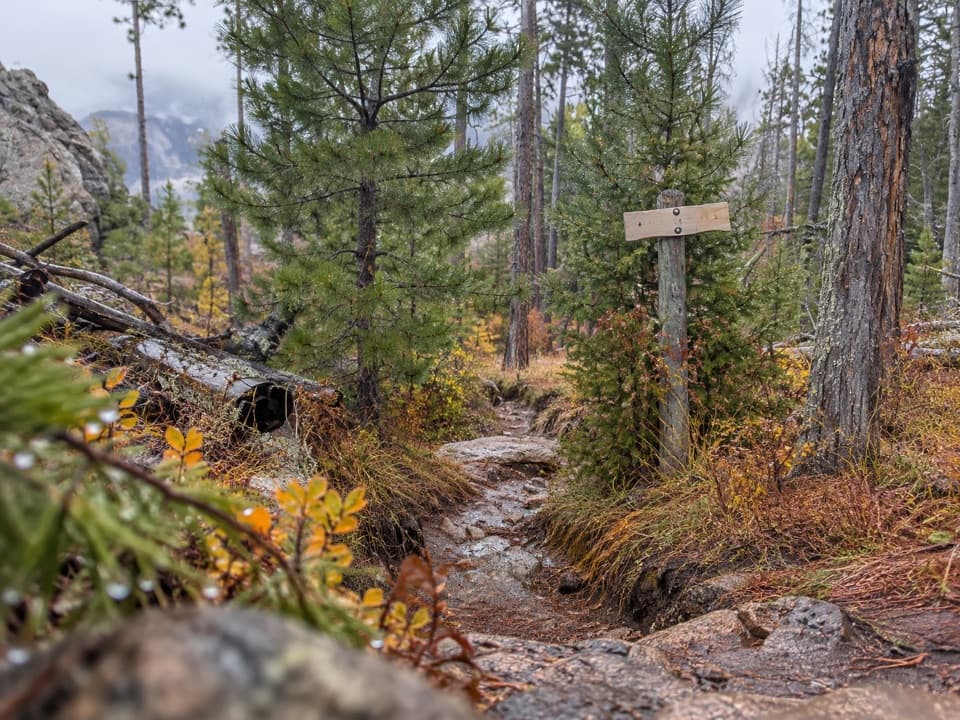
From the Sylvan Lake area, follow Trail #4 toward Little Devils Tower. Expect a few junctions (notably with Cathedral Spires Trail #4A and Norbeck Trail #3), so read signs closely. As an out-and-back via Trail #4, plan on roughly 7.1 miles total. Many hikers turn this into a loop by combining #4 with Trail #9 to return to Sylvan Lake; that option is a bit longer and trades a steeper, rockier ascent for a gentler descent.

What it’s like out there

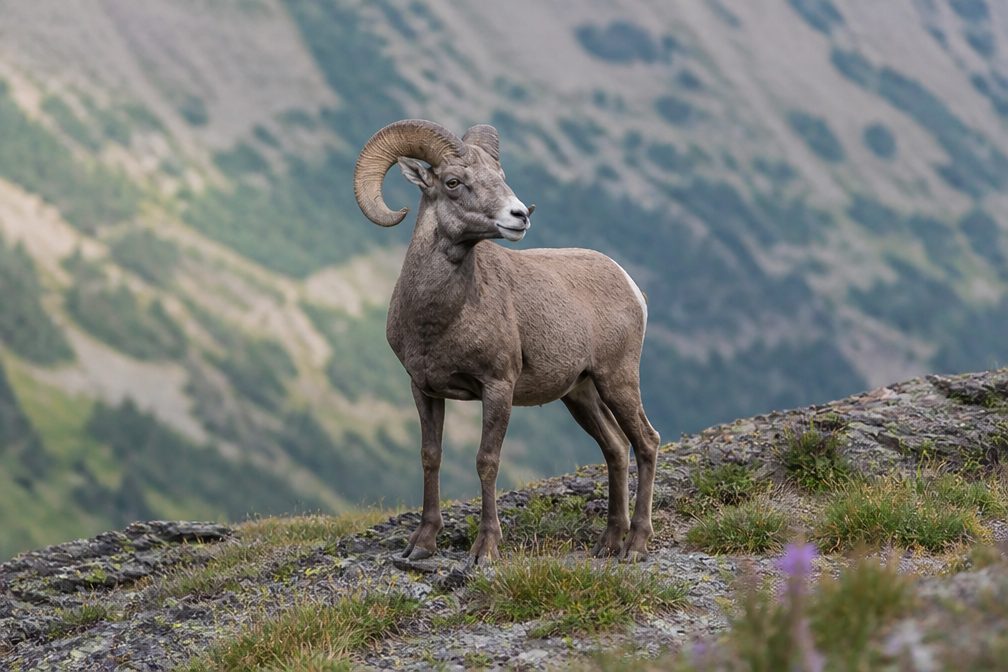
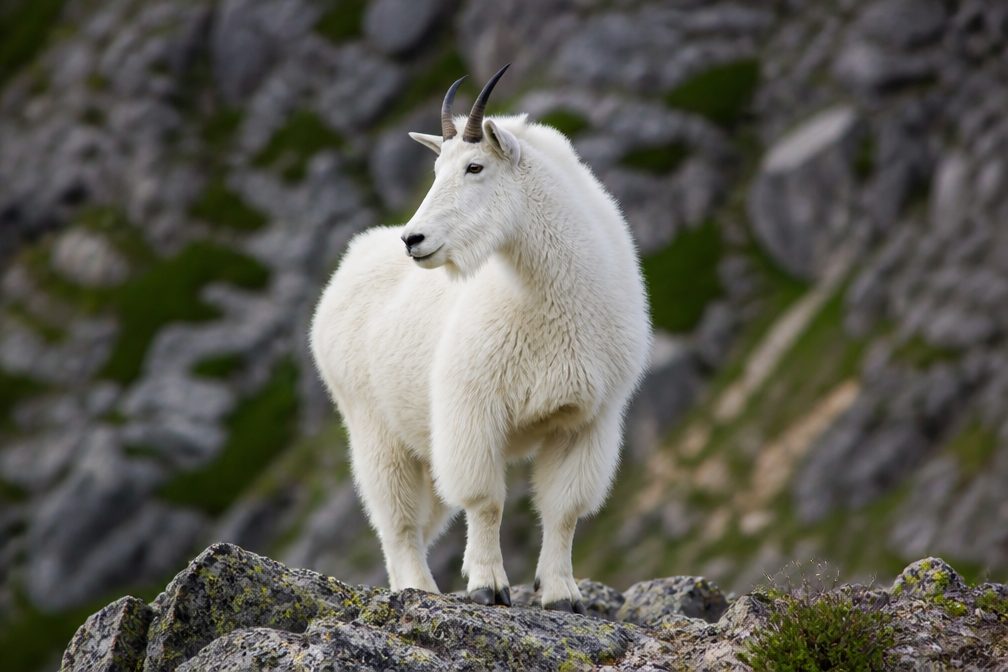
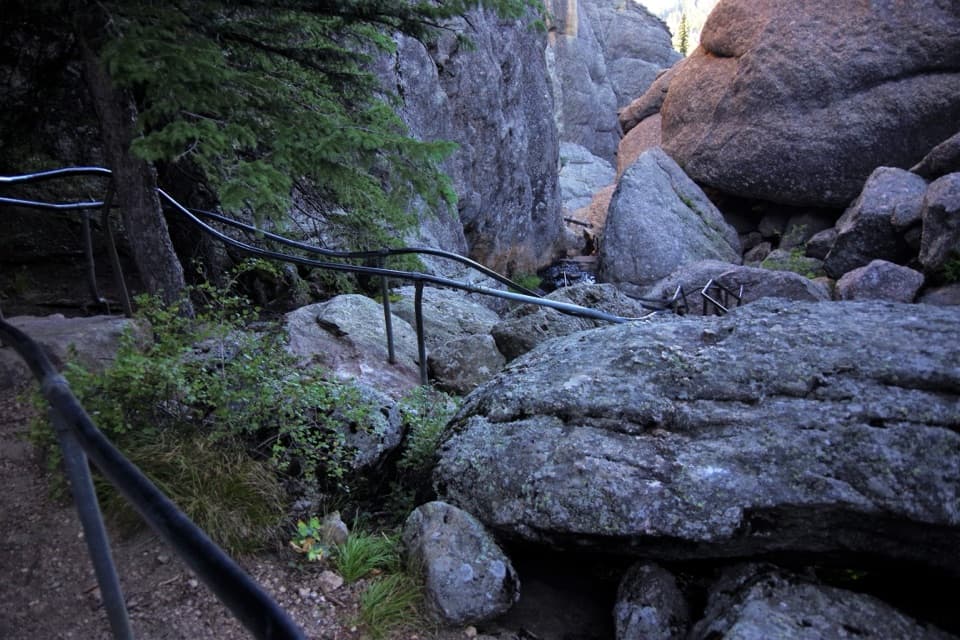
The path is well‑maintained but not trivial: long switchbacks, rocky tread in places, and a steeper push near the top. The summit area includes stone steps and the 1930s Civilian Conservation Corps lookout tower. Along the way you’ll pass striking granite outcrops and may see summer wildflowers. Keep an eye out for deer and the occasional mountain goat among the spires.

History and significance

Black Elk Peak (formerly Harney Peak; renamed in 2016) is sacred to the Lakota. The summit’s stone fire tower is a handsome relic of early forest stewardship and a great spot to soak in the panorama.

Logistics and tips

  • Start early. Parking at Sylvan Lake fills fast in summer, and afternoon thunderstorms are common.
  • There’s no water on the trail or at the summit—bring at least 2 liters per person, more on hot days.
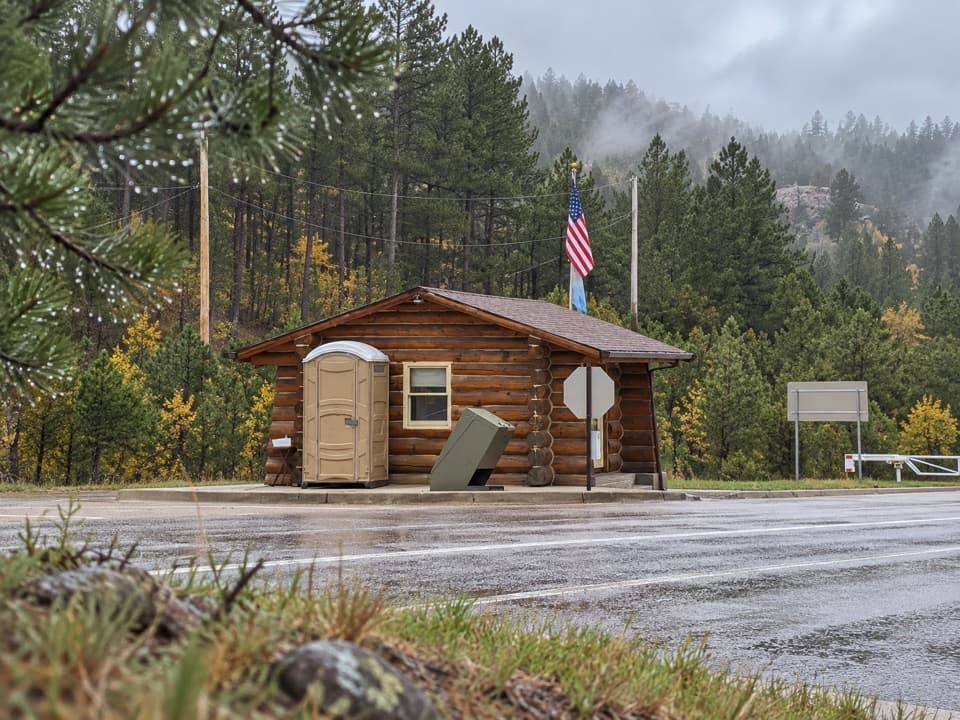
  • Restrooms are available at Sylvan Lake, not on the trail.
  • Dogs are allowed on leash. The rocky sections can be tough on paws; pack extra water for pets.
  • A Custer State Park entrance fee is required for vehicles.

Best time to hike

Late spring through early fall is prime. Early summer brings wildflowers; fall lights up with golden foliage. Aim for morning starts for cooler temps, easier parking, and better odds of beating storms. Winter conditions can leave snow and ice on shaded sections and make the summit area hazardous—skip it unless you’re prepared for winter travel.

Bottom line

If you want the full Black Hills experience—granite spires, forested singletrack, and a memorable summit—Trail #4 delivers. It’s popular for a reason; just bring water, watch the junctions, and give yourself time to enjoy the tower and those sweeping views.

Pros

  • Historic CCC stone fire tower crowns the summit
  • Easy loop option by pairing Trail #4 with Trail #9 for variety

Cons

  • Multiple junctions (4, 4A, 3) can be confusing if you rush
  • No water on the route or at the summit

Parking

Park at Sylvan Lake in Custer State Park; arrive early in peak season as the lot fills quickly. Restrooms at the lake; trailhead signage for Trail #4 is near the Little Devil’s Tower corridor.

Caution

Exposed summit and frequent afternoon thunderstorms; rocky, steep sections near the top; winter snow/ice possible. Junctions with 4A and Norbeck #3 require attention to signs. No water on route.

The Parkwolf tour guide sitting on a phone mounted in a car

Parkwolf Tour Guide

Like a tour guide in your car.

Bring Custer trail research into the car, with offline maps and stories that play as you drive.Download Parkwolf on the App Store