Place · 0 mi away
Challenging

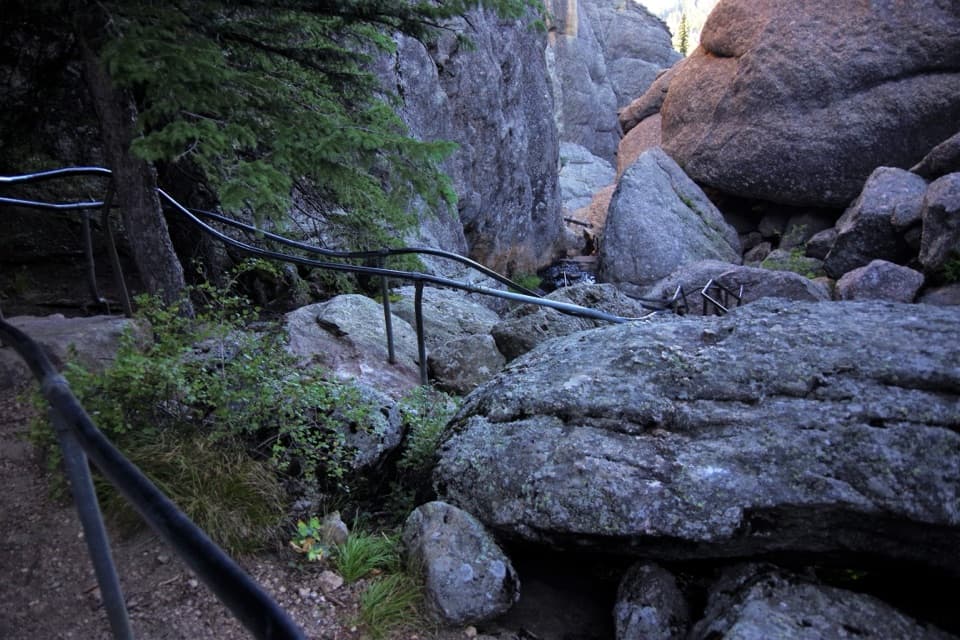
This is Custer State Park’s most playful workout: a roughly 3.2-mile loop that starts just below the Sylvan Lake dam and dives straight into a granite gulch with water-polished rock, bolted handrails, and short scrambles. Expect about 700–800 feet of total gain and a moderate-to-strenuous feel thanks to steep, rocky sections. Once you leave the lakeshore crowds, the trail quiets down fast.
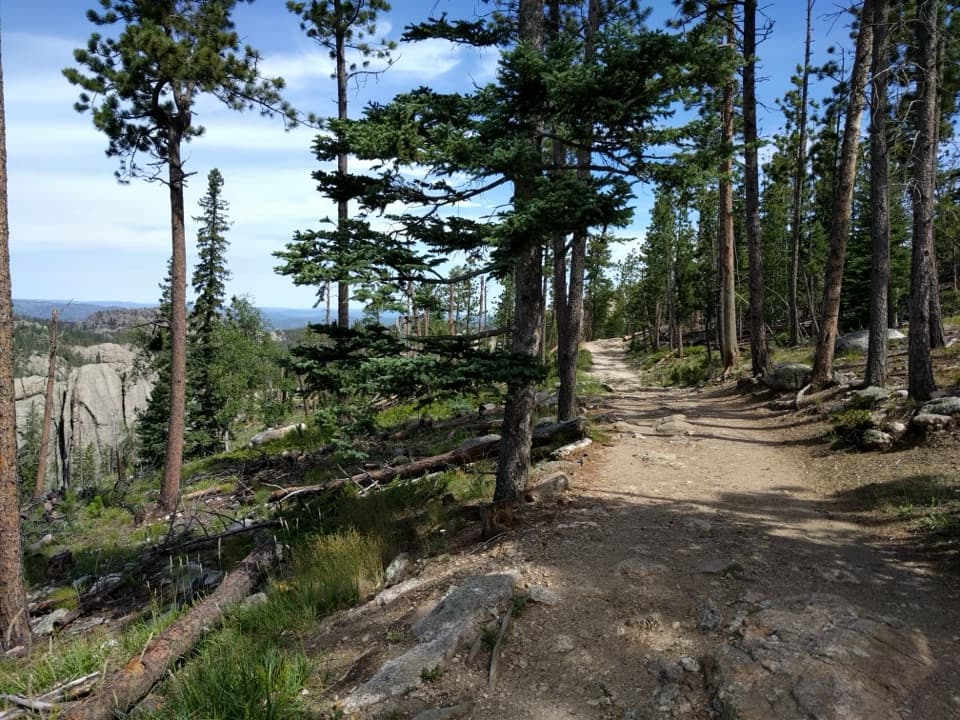
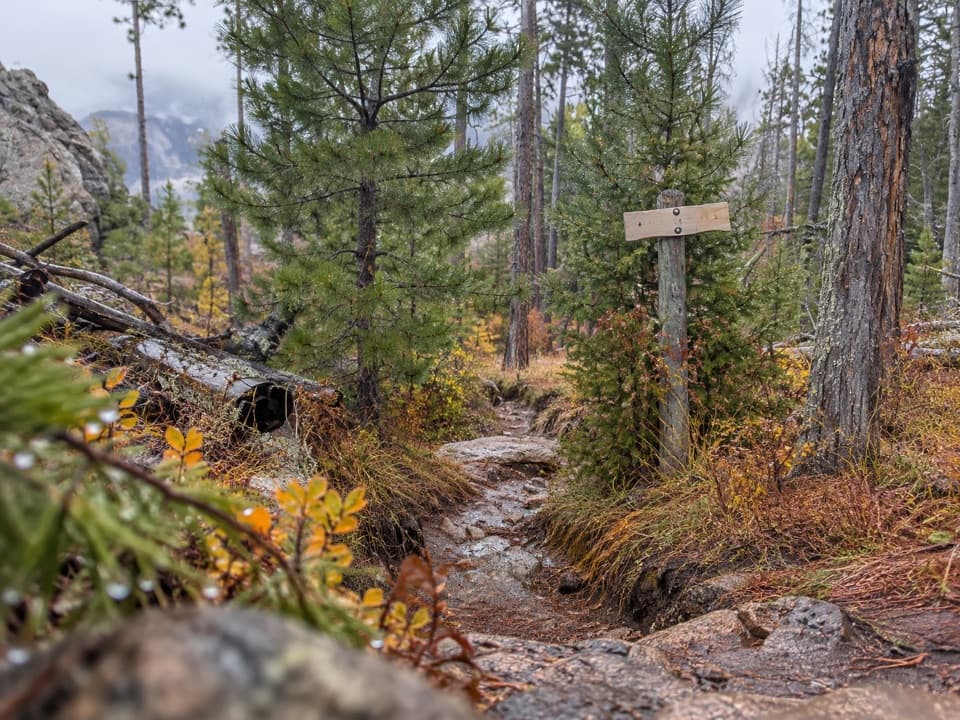
Most hikers tackle it counterclockwise (take the right fork at the start), descending the steepest, slickest rock first while fresh. For about a quarter-mile you’ll pick your way down slabs and boulders, using the handrails where water often sheets across the rock. A small stream runs through the gulch—beautiful, occasionally splashy, and the reason grippy footwear matters. After the gulch, the loop mellows into forest and meadows before a longer, steadier climb brings you back toward Sylvan Lake.
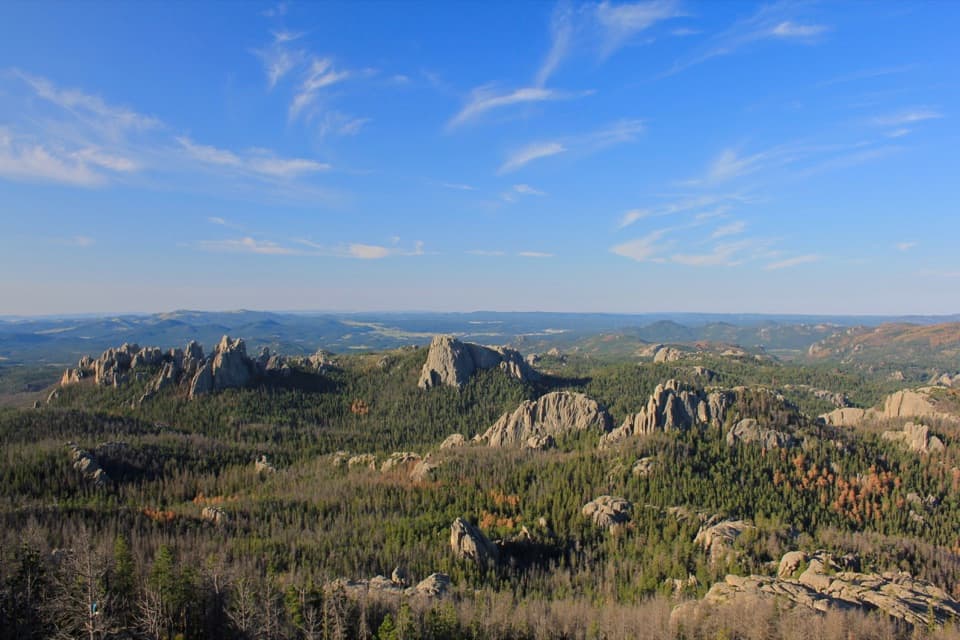
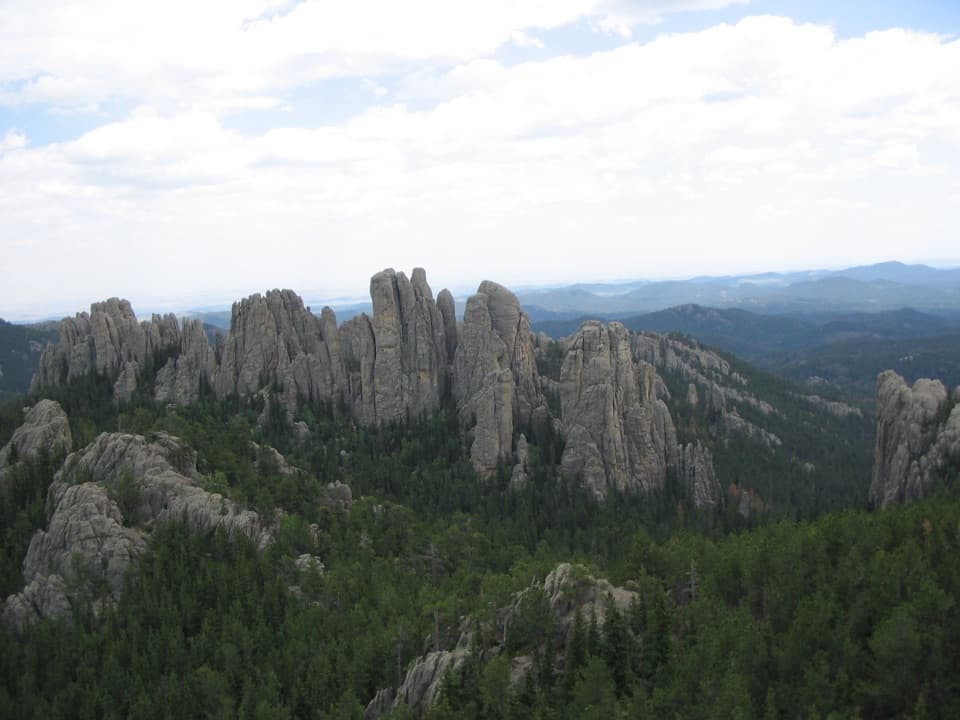
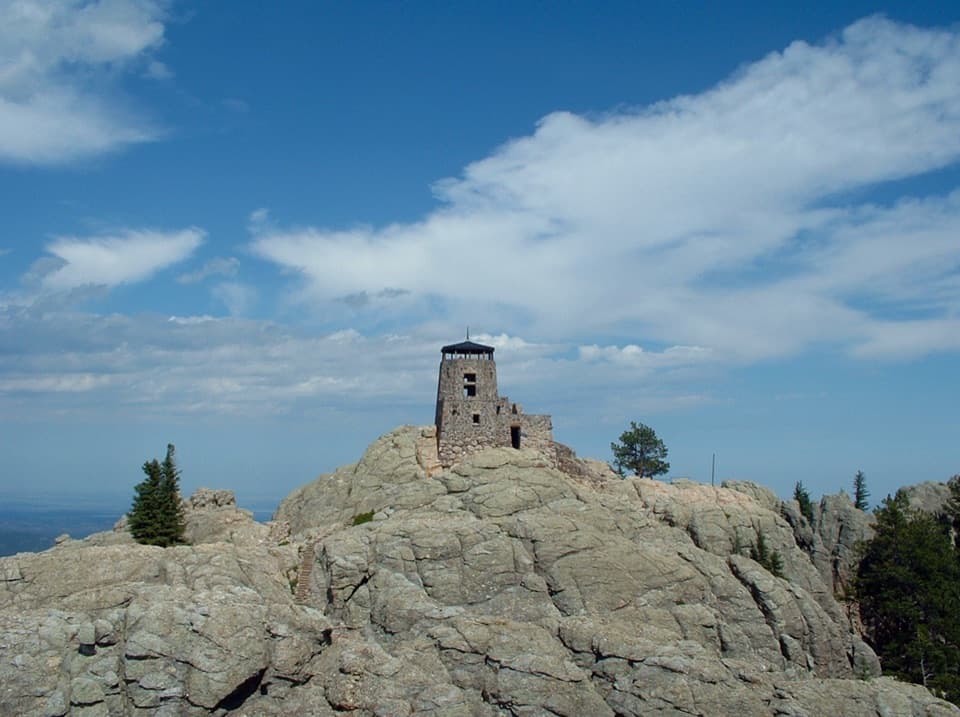
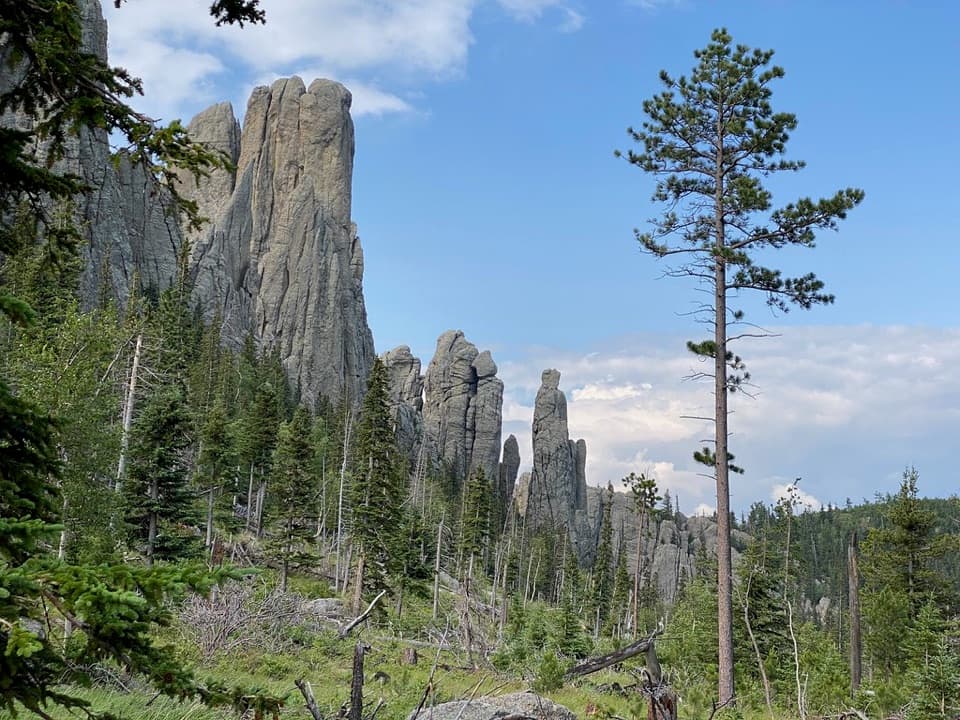
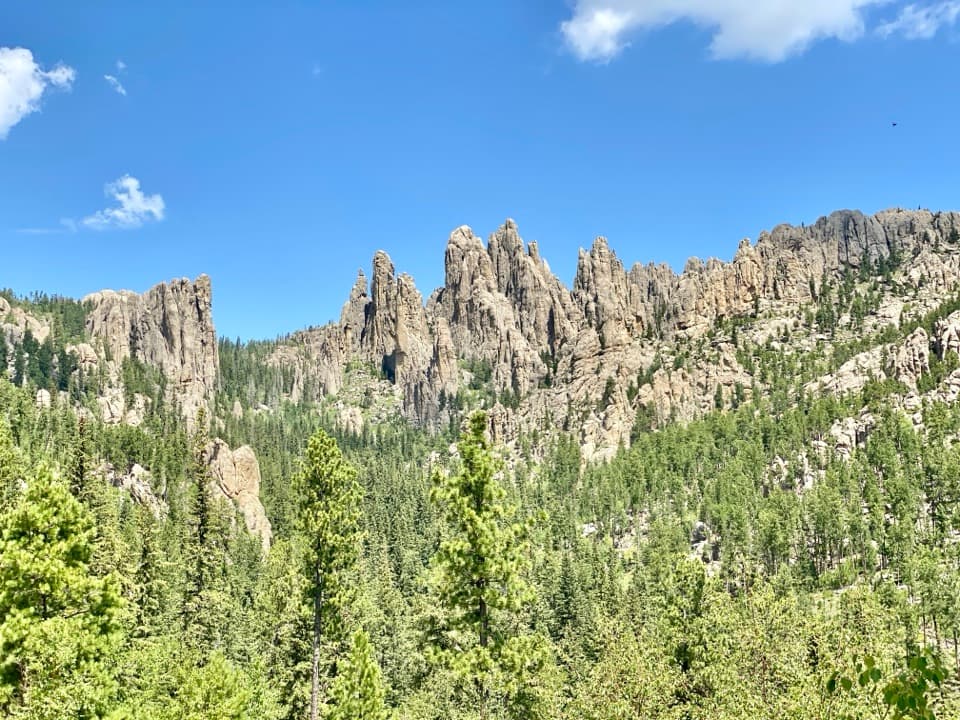
This is classic Black Hills granite—huge boulders, narrow clefts, and knobby outcrops carved by water and time. In wetter periods you’ll hear trickles and see pools and small falls tucked among the rocks; in drier spells, the rock features still steal the show. Past the gulch, the open woods and occasional meadows offer a nice breather and glimpses across the hills.
If you like a short hike with a dash of adventure—using handrails, stepping over flowing water, and weaving through granite—this one’s a must-do. It’s less ideal for anyone with balance or mobility issues. Families with confident, supervised kids often love it. Want to sample the fun without the full loop? Do an out-and-back down the railings to the bottom of the gulch and return the same way.
Late spring to early fall. Aim for morning to beat parking crunch and summer heat; the gulch offers shade and creek-cooling, but the rock is slickest after rain. Golden light and thinner crowds also make late afternoon a sweet spot.
Park at Sylvan Lake’s main parking area and walk to the far end of the lake; the trail begins just below the dam.
Steep, wet granite with water flowing over rock; use handrails. The trail is often closed in winter due to ice—confirm status. Not accessible for strollers or wheelchairs.