Best time to go
During the Great Walks season (late spring to autumn), a DOC ranger is typically on site and facilities are fully operational. Outside the season, services are pared back: pit toilets, no inside running water, and no provided gas.
Lodging · Fiordland National Park
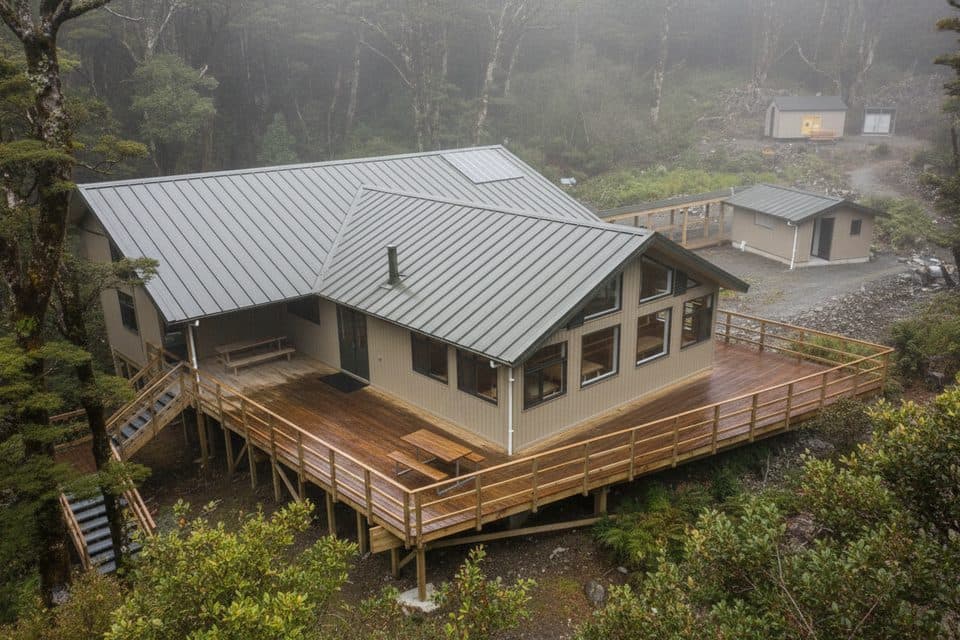
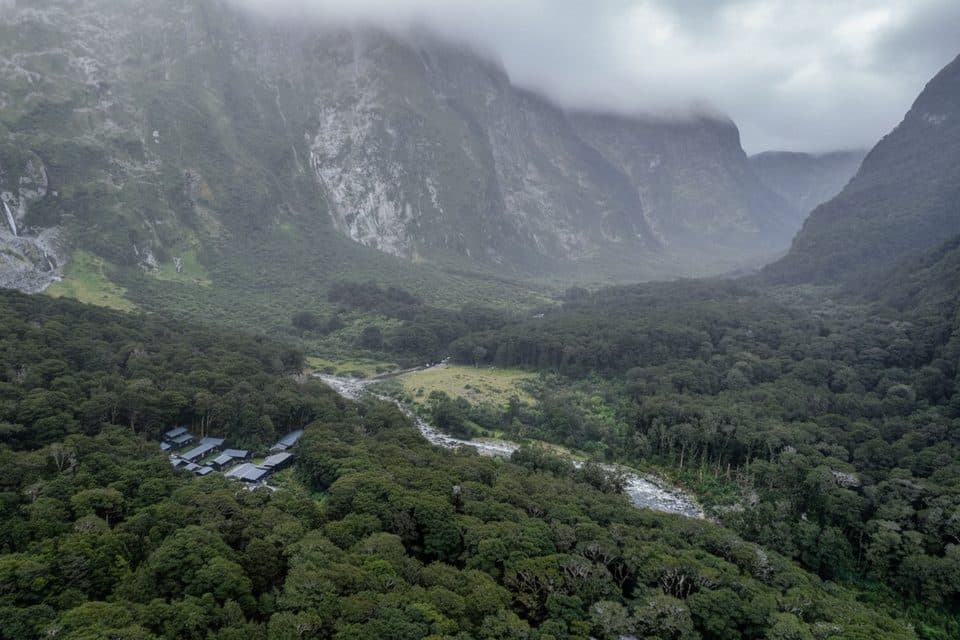
New Milford Track hut poised below Mackinnon Pass with mountain views
Overview
Mintaro Hut is the Milford Track’s strategic overnight on the Clinton Valley side—exactly where you want to be before climbing Omanui/Mackinnon Pass. Set near Lake Mintaro and ringed by steep Fiordland walls, it’s the spot to rest, dry out, and wake up ready for the track’s most dramatic day.
The hut was recently rebuilt with comfort and sustainability in mind, and it weaves in Ngāi Tahu cultural storytelling through carved pouwhenua. The setting is classic Fiordland: moody forest, towering peaks, and a serene lake a short wander away.
 Parkwolf’s verdictWhat makes it special
Map
Local know-how
Book months ahead for the Great Walks season—spaces go fast.
Bring your own cookware and utensils; the hut supplies stoves and fuel only.
Boil or treat all hut water before drinking.
If it’s clear on arrival, consider a light-pack climb toward Mackinnon Pass before dusk.
Secure food and small gear from kea—they’re expert fiddlers.
Plan your stop

The highest, rockiest slopes around here are a summer buffet for grizzly bears.
Fiordland Tour Guide
Parkwolf is a GPS audio tour guide for Fiordland National Park. As you drive, it chimes in with what’s ahead: hidden gems, upcoming stops, history, geology, and wildlife, right through your car’s speakers.
See the Fiordland audio tour“Fantastic app with many points of information… It’s great to just turn on while you’re driving and it gives you an audio tour of the national Park. We love it!!!!”


Guide
From the deck you’ll soak up valley views; wander to Lake Mintaro for reflections on a calm evening. If the weather plays nice when you arrive, many hikers make a light-pack reconnaissance up toward Mackinnon Pass for bonus views and to hedge against a rough forecast next morning. Further along the route, the side trip to Sutherland Falls is a highlight of the Milford journey.
Keep an eye (and your snacks) on the local kea—clever and curious alpine parrots. Deer sometimes ghost the valley edges, and hikers have spotted whio/blue duck near the nearby swimming hole. As always, look but don’t feed.
The Great Walks season offers the full hut experience, ranger talks, and longer daylight—aim to arrive mid‑afternoon for a relaxed wind‑down and golden-hour photos over Lake Mintaro. Dawn and dusk bring the most dramatic light on the surrounding peaks. Shoulder dates can be quieter but come with fickle weather and, outside the season, reduced facilities.
Wildlife
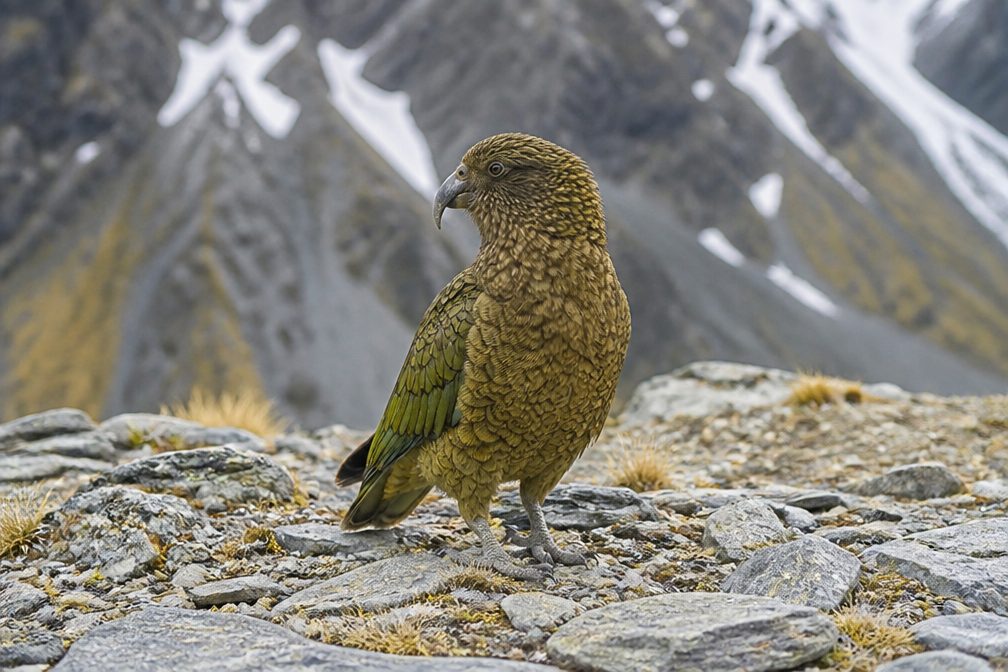 1,181 sightingsKeaMost seen around 10 AMSighting map
 199 sightingsFiordland PenguinMost seen around 7 PMSighting map
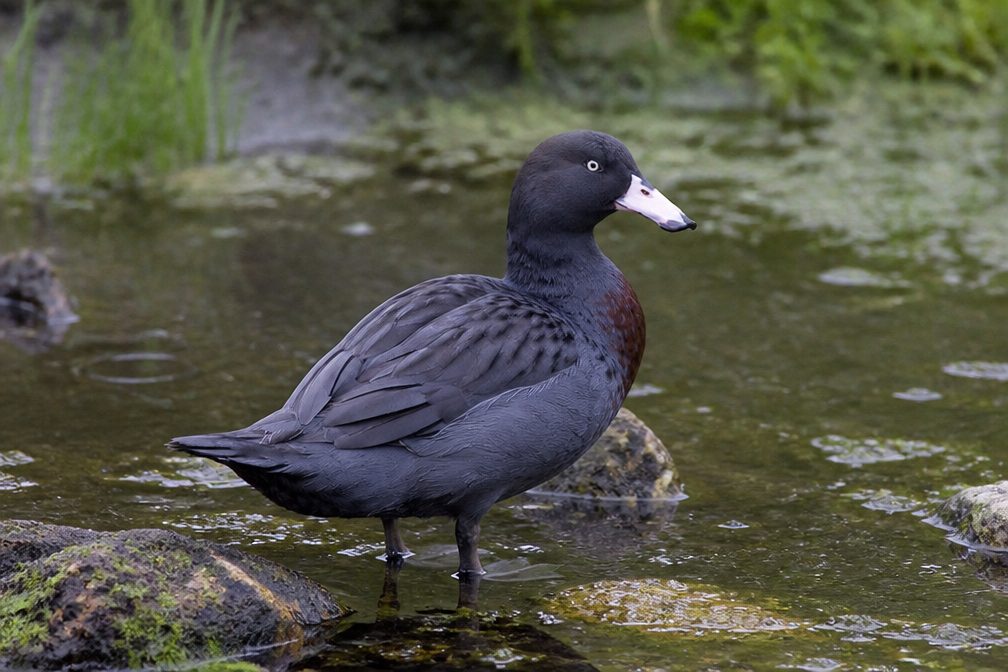 228 sightingsBlue DuckMost seen around 5 PMSighting map
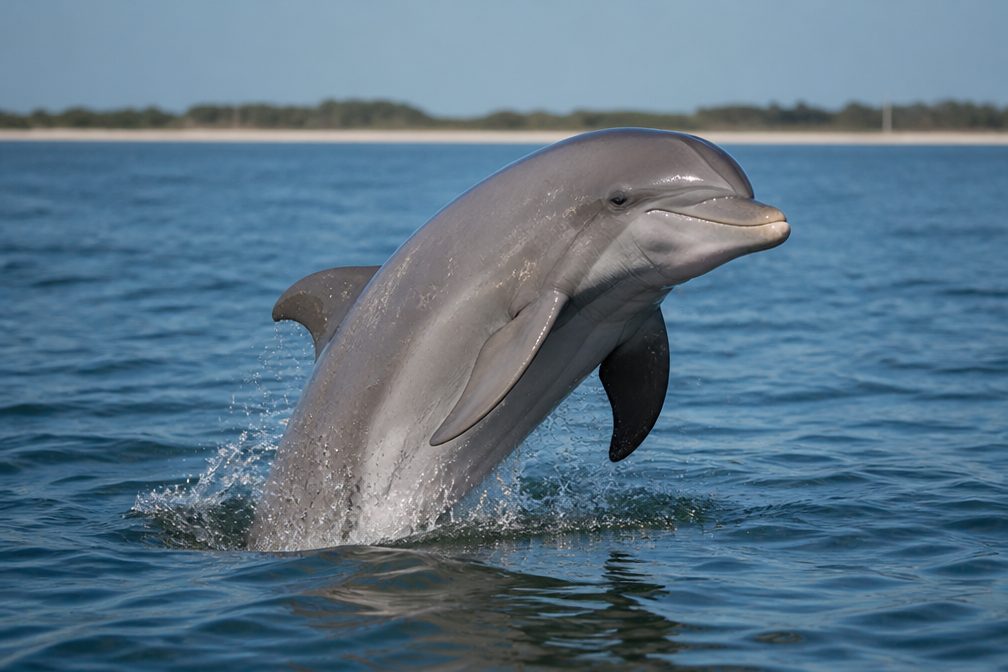 32 sightingsBottlenose DolphinMost seen around 5 PMSighting map
 247 sightingsNew Zealand Fur SealMost seen around 6 PMSighting map
 58 sightingsKākāMost seen around 6 PMSighting map
Sighting maps show where each species has been reported across Fiordland. Wildlife moves, so no sighting is guaranteed.
Keep exploring
 Historic marker · 0.9 km awayMackinnon MemorialHistoric cairn atop the Milford Track’s high point with sweeping views
 Sight · 0.9 km awayOmanui / McKinnon PassThe Milford Track’s high point with vast views and a cairn
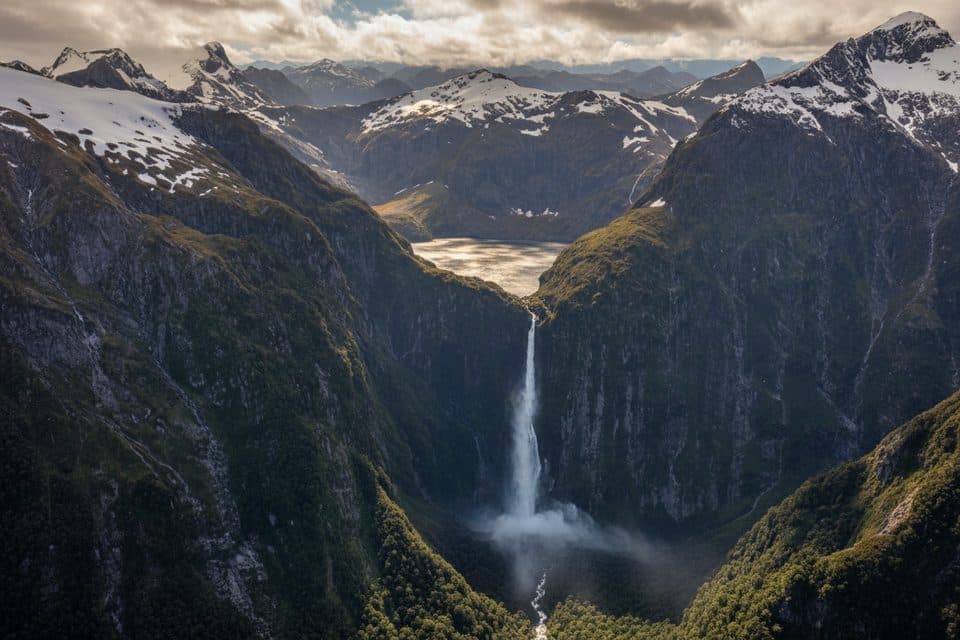 Sight · 3.4 km awaySutherland FallsA 580 m cascade pouring straight from Lake Quill
 Sight · 3.5 km awayLake QuillTurquoise alpine tarn perched above thunderous Sutherland Falls
 Lodging · 4 km awayPompolona LodgeUltimate Hikes night two lodge with hot showers and great food
 Lodging · 4.6 km awayDumpling HutFinal Milford Track hut with big kitchen and riverside setting
Parkwolf’s Fiordland ranking
The audio tour guide for the drive, plus offline maps, trails, and wildlife heatmaps for when the signal drops.