Fern Branch Falls

Creekside hike to a delicate, seasonal cascade and quiet forest history
Fern Branch Falls, Great Smoky Mountains National Park
InsideGreat Smoky Mountains National Park

Overview

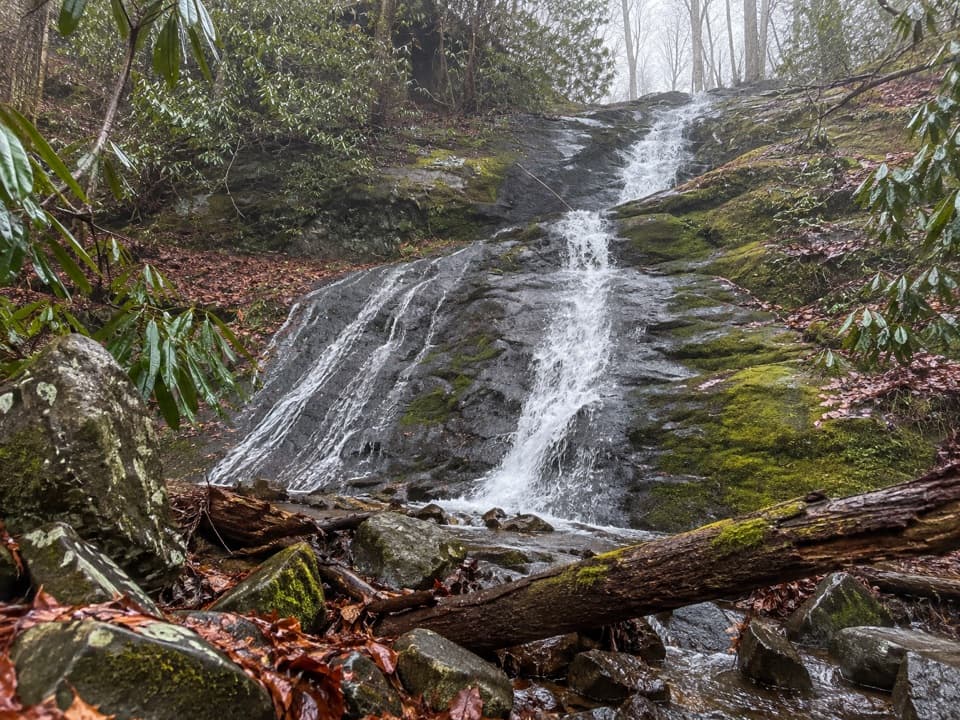
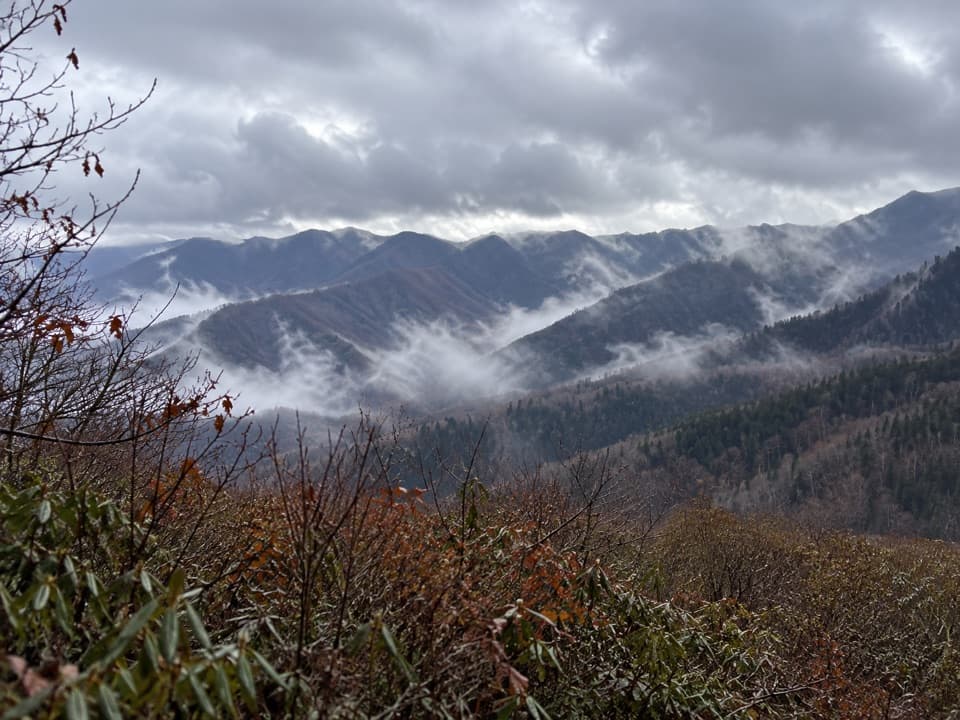
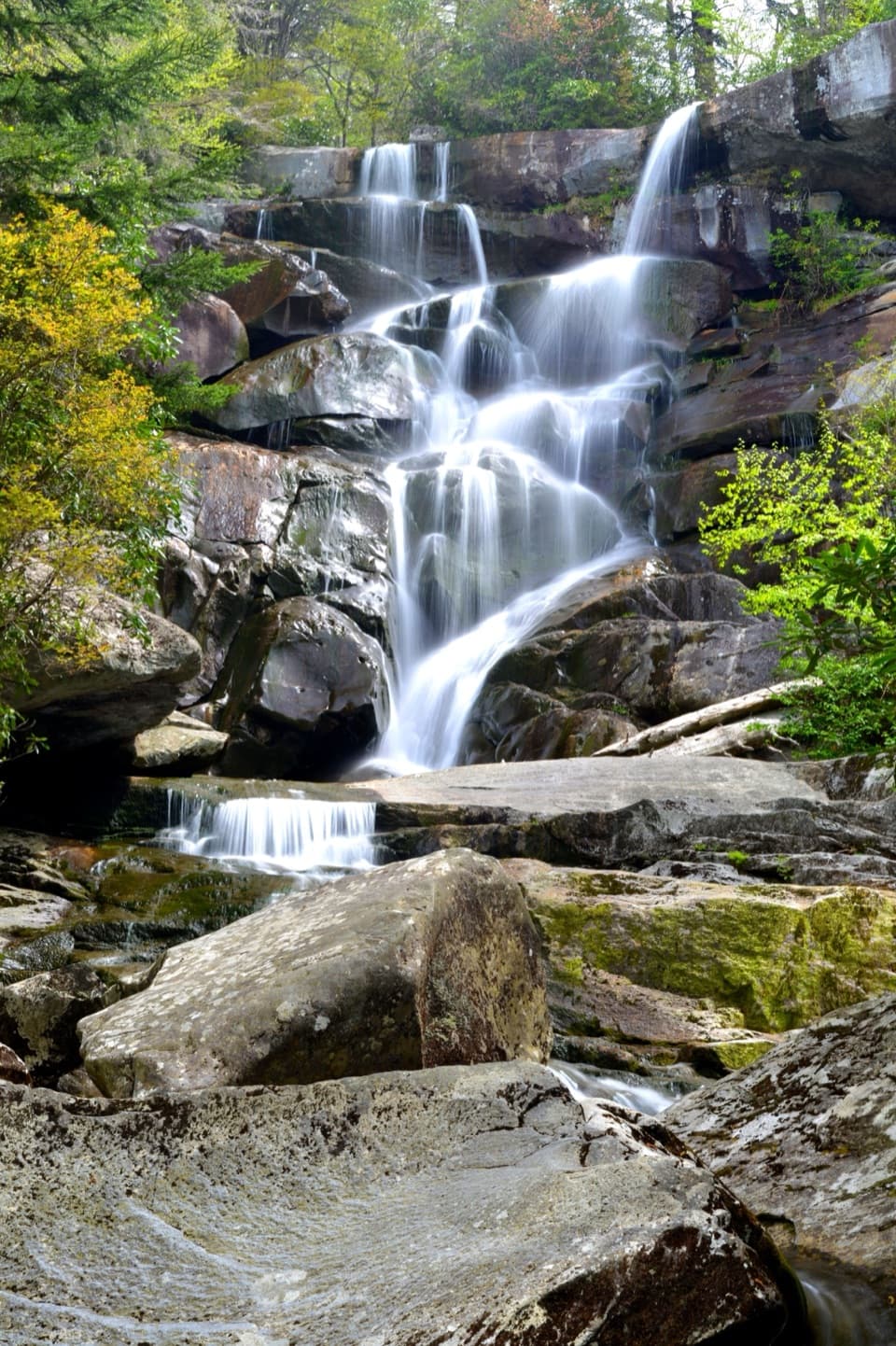
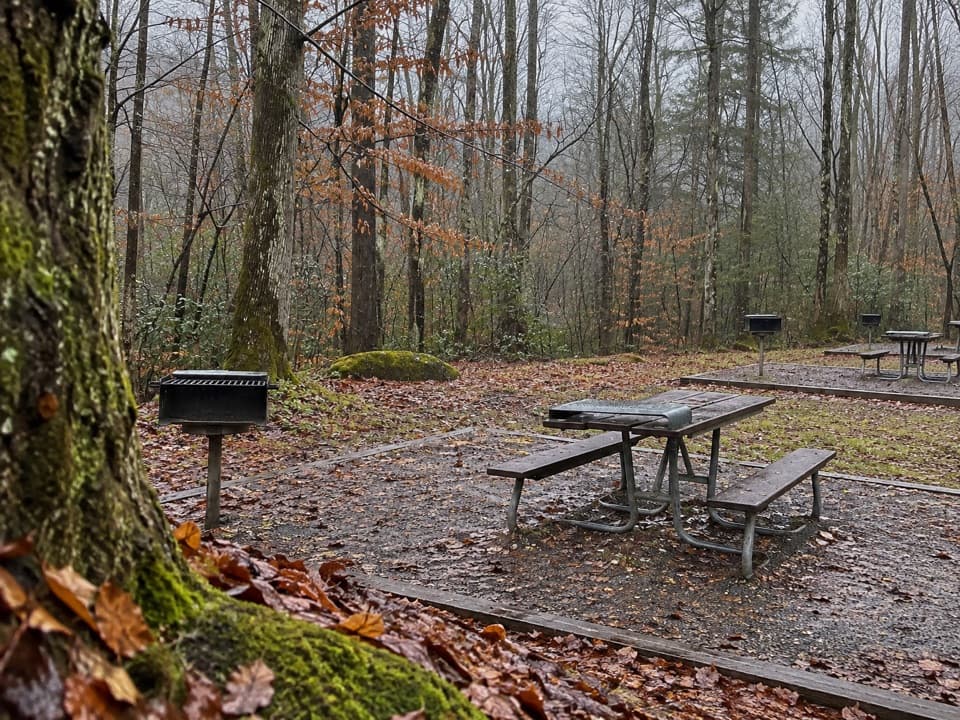
Fern Branch Falls is a graceful, often delicate waterfall tucked off the Porters Creek Trail in the Greenbrier section. The hike is about 4 miles round trip with roughly 700–800 feet of gain, starting on an easy gravel road along a lively creek before narrowing into classic singletrack. Expect a serene, shady forest and a waterfall that’s best after rain rather than a thundering showpiece.

The Hike & Landmarks

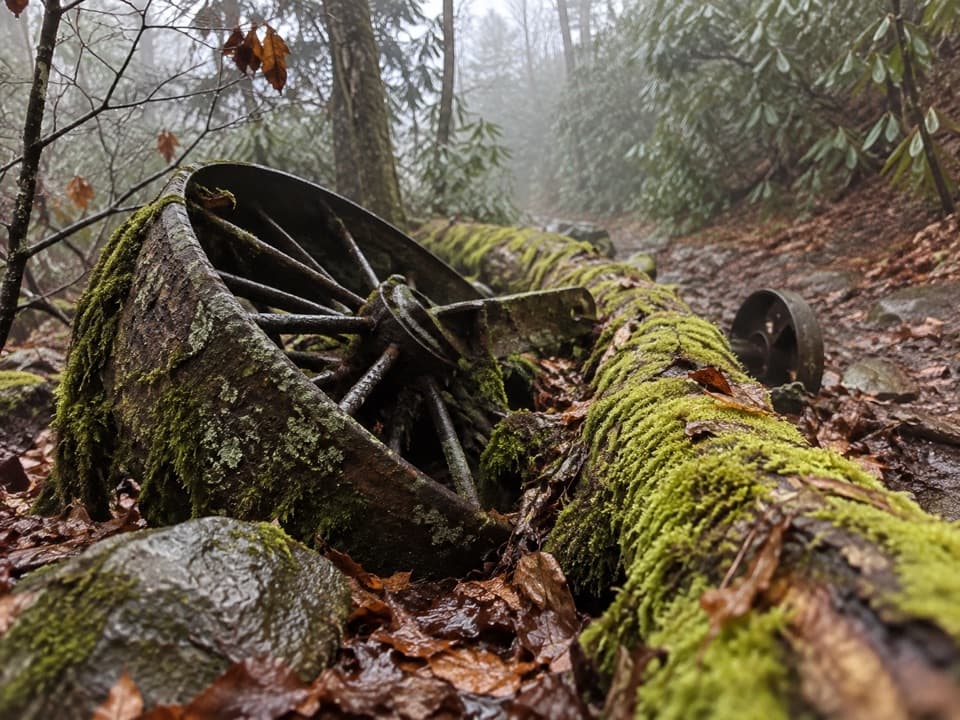
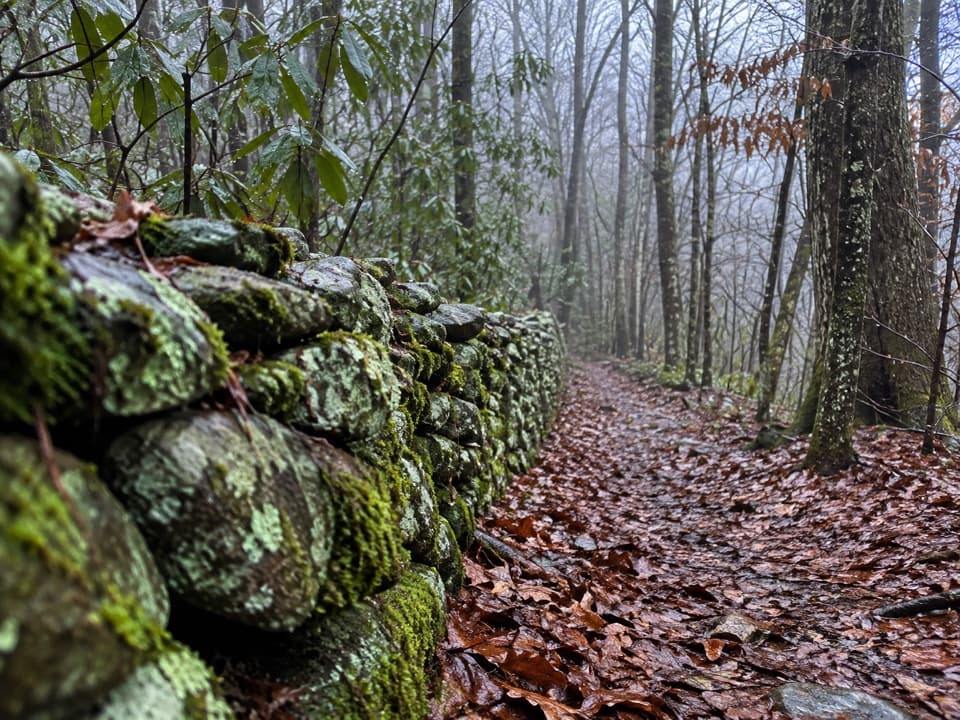
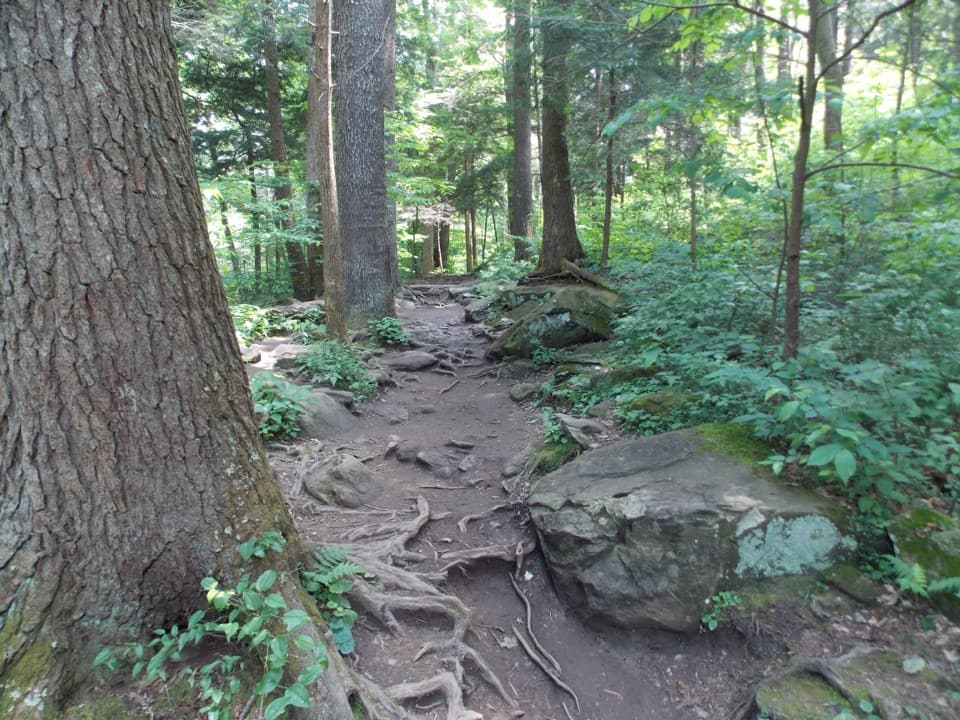
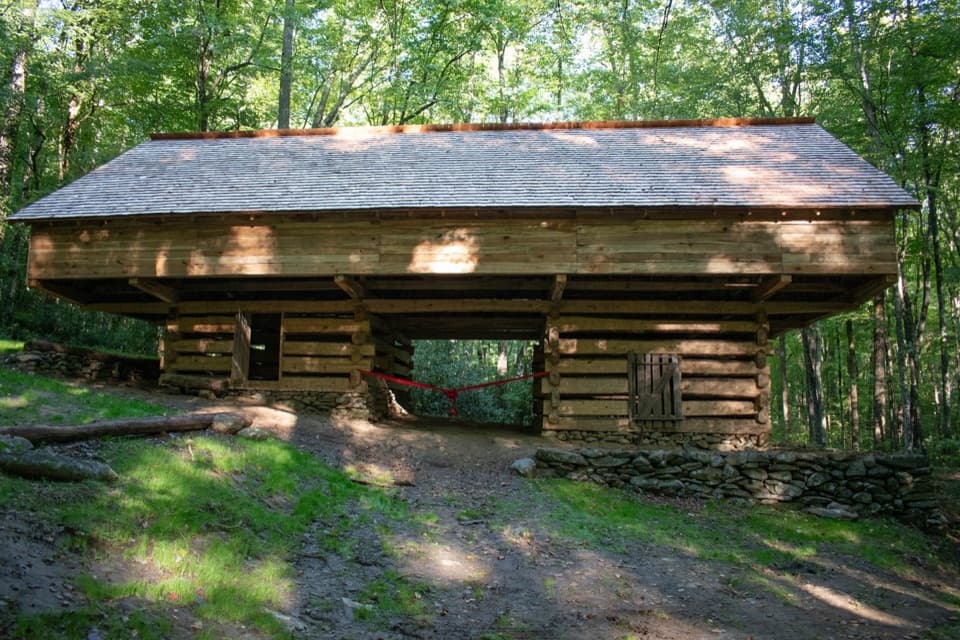
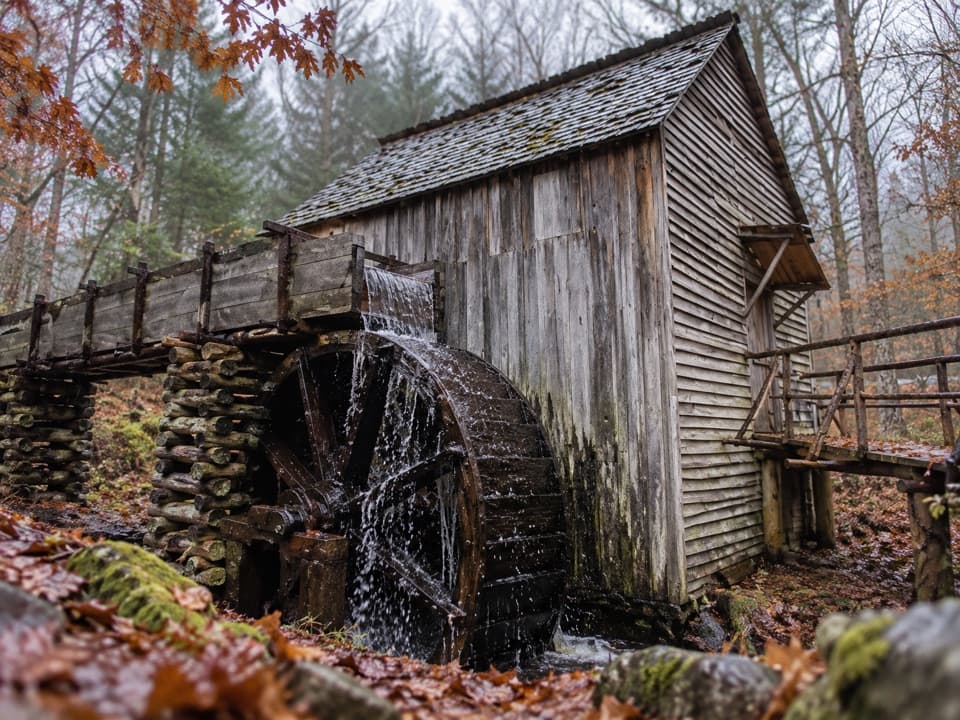
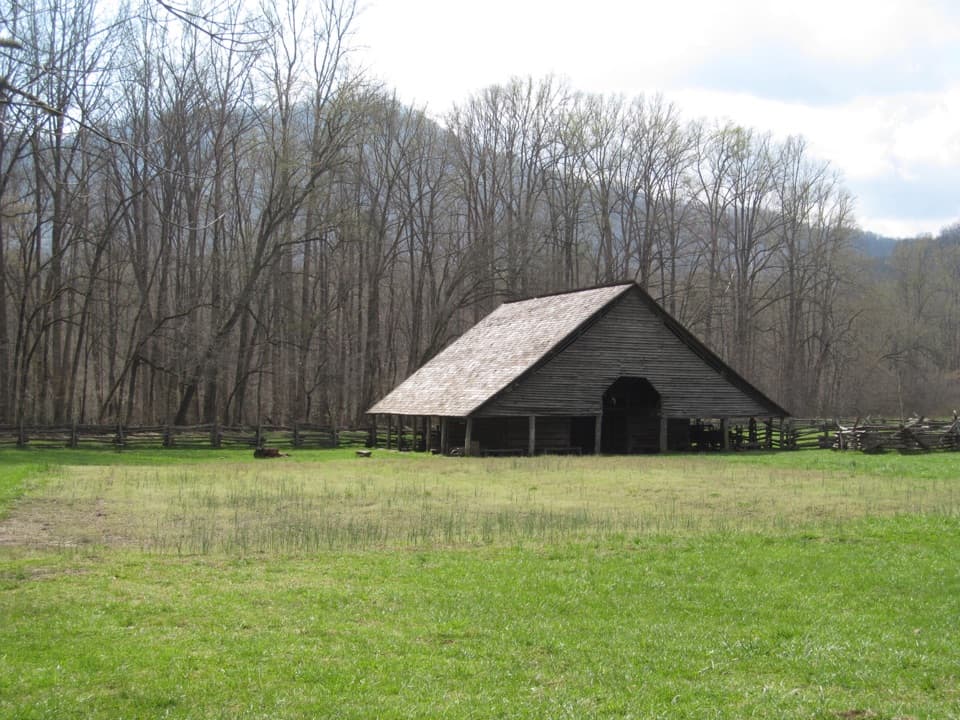
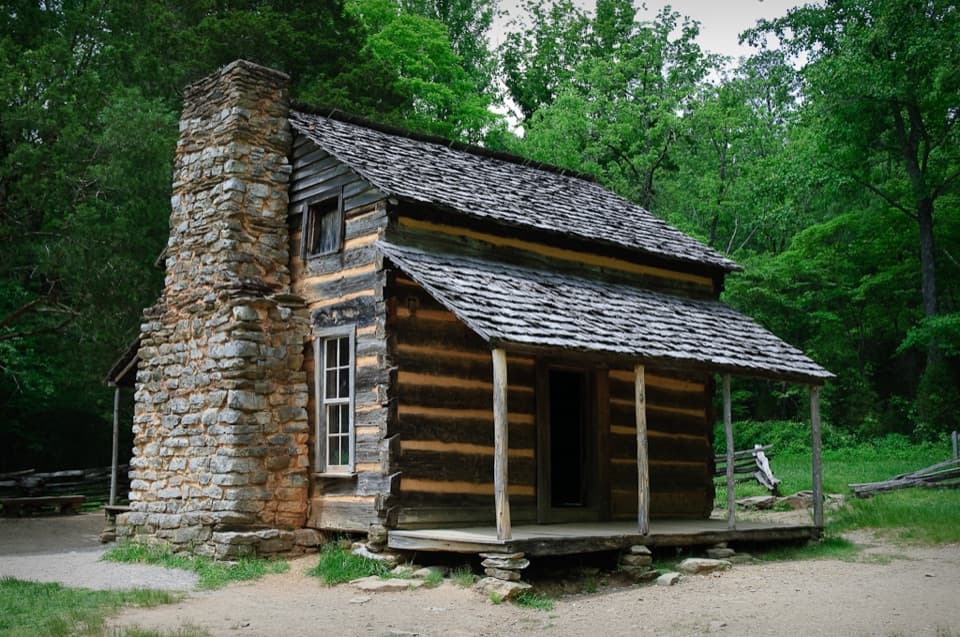
You’ll follow Porters Creek on a wide gravel road past old stone walls, the Ownby cemetery, and remnants of early 1900s farms. Around 1 mile, a junction appears: keep left to continue toward the falls. A short right-hand spur leads to the John Messer farm site with a cantilevered barn (1875) and a 1930s Smoky Mountain Hiking Club cabin—worth a quick detour on the way back. Past the junction, the trail becomes narrower and more rooted/rocky, and you’ll cross two log footbridges; the longer one appears around 1.5–1.6 miles.

Finding the Falls

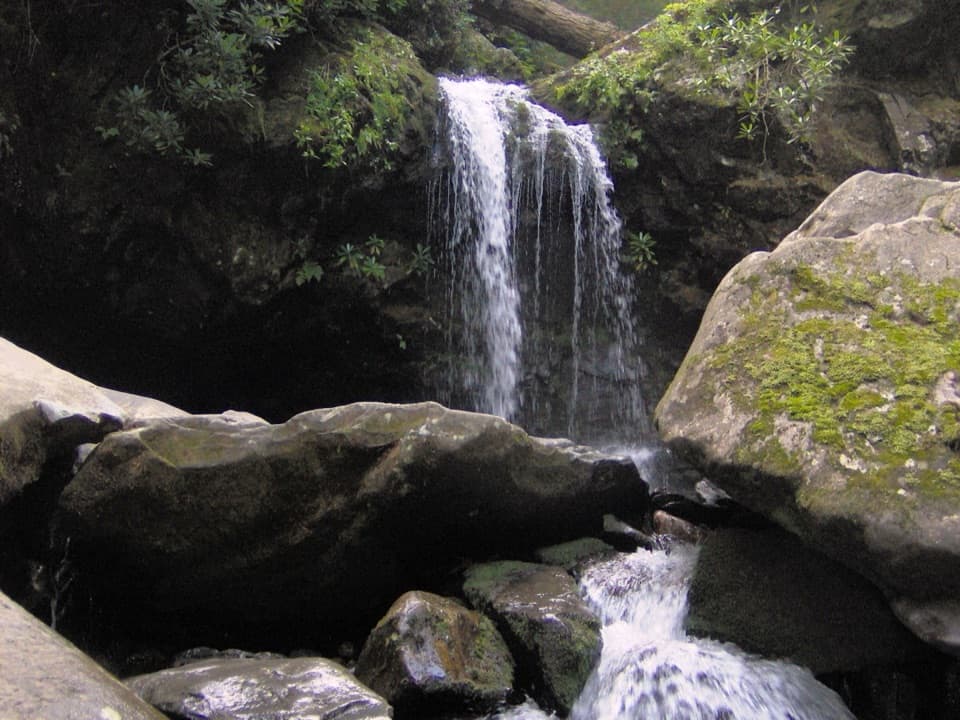
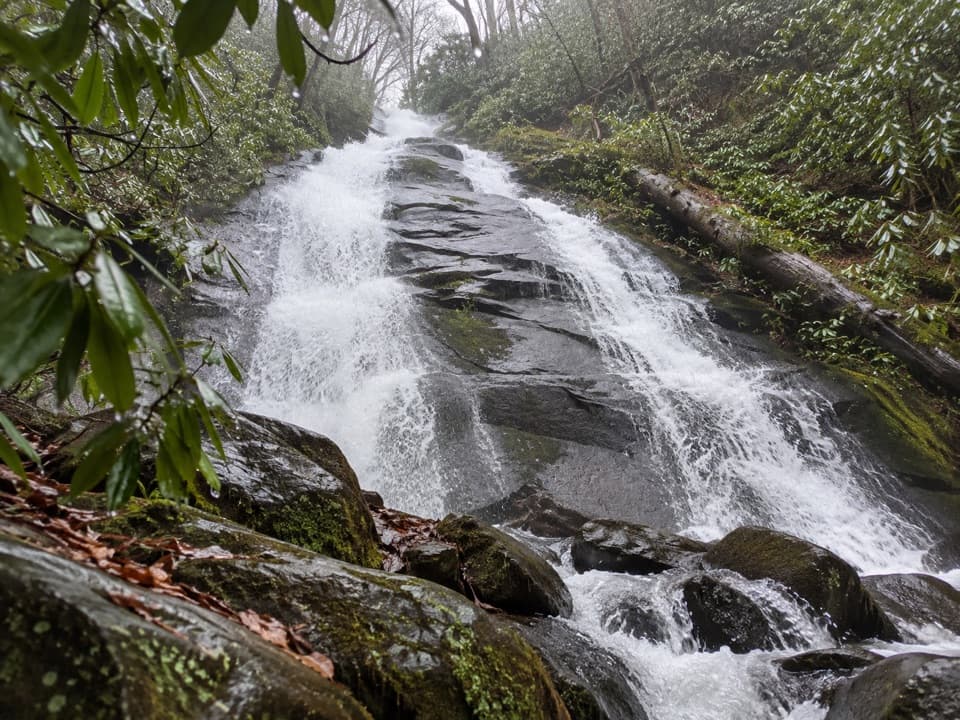
Fern Branch Falls sits unmarked on the left about 0.4 miles after the long footbridge—roughly 2.0 miles from the trailhead. It’s set back slightly in the woods; look left for the cascade through the trees. A faint, sometimes steep user path leads closer. The waterfall is reported around 35–50 feet tall, but flow is highly seasonal and can be a mere trickle in drier periods.

What Makes It Special

This isn’t just a waterfall walk—the approach offers a rare old-growth feel, soothing creek scenery, and a hit of Smokies history at the Messer homestead and hiking club cabin. In spring, wildflowers line the route and blanket the forest floor, elevating the whole experience even if the falls are subdued.

Wildlife

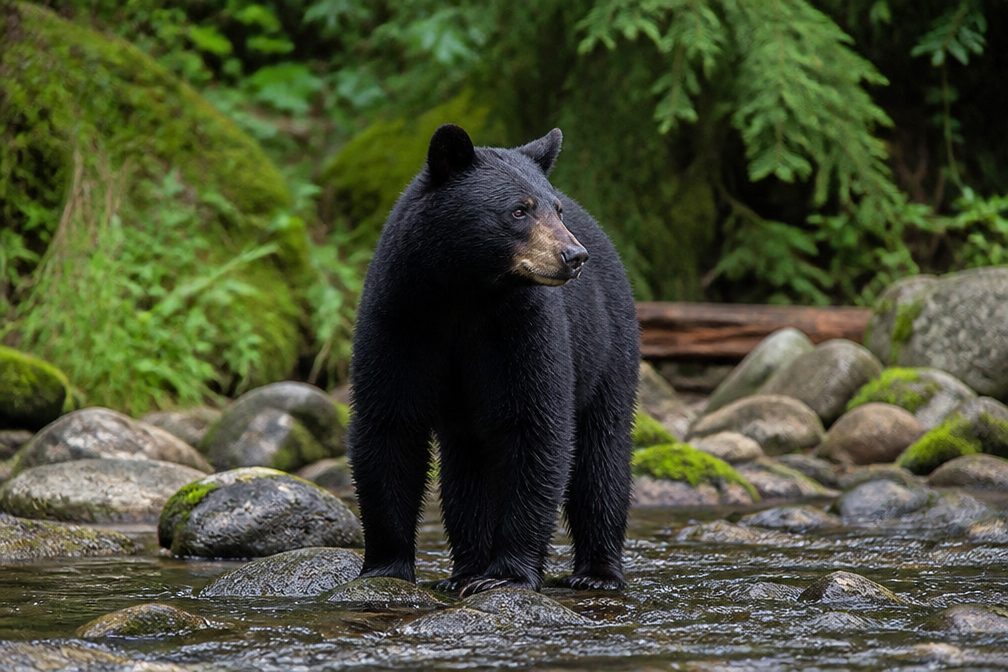
Hikers occasionally spot deer, turkeys, and even bear cubs in this lush corridor. Snakes also inhabit the area. Give any wildlife plenty of space and keep voices low if you hope to see anything beyond squirrels.

Seasonality, Conditions, and Safety

  • Waterfall flow varies widely: expect the best viewing after recent rain or during spring wet spells. Summer and fall can bring low flow.
  • The long footlog has low railing in spots; it can feel exposed when wet or icy—take it slow.
  • The Greenbrier road to the trailhead is gravel with narrow sections; drive slowly and yield to oncoming cars.

Logistics

There are no facilities on the trail. Restrooms are available at the picnic area before the loop at the end of Greenbrier Road. Parking at the Porters Creek trailhead is limited and fills earlier during peak wildflower season.

Best Time to Visit

  • Spring (late April–early May) for wildflowers and better odds of water.
  • After a soaking rain any time of year for the strongest flow.
  • For photography, softer light before midday works well at the falls.
  • Arrive early on weekends in wildflower season to secure parking and some quiet.

Pros

  • Spring wildflower show and old-growth forest along the approach
  • Historic homesteads and a 1930s hikers’ cabin just off the trail

Cons

  • Small, often low-flow cascade in dry spells
  • Unmarked and slightly off-trail; easy to miss after the long footbridge
  • Long log footbridge can feel exposed when wet

Tips

  • Go after rain or in spring for the best waterfall flow.
  • At about 1 mile keep left; the falls are roughly 0.4 miles after the long footbridge.
  • Look left into the woods for the unmarked falls; a faint path leads closer.
  • Arrive early during peak wildflower season; parking in Greenbrier is limited.
  • Detour to the John Messer farm and the 1930s hikers’ cabin near the 1 mile junction.
The Parkwolf tour guide sitting on a phone mounted in a car

Parkwolf Tour Guide

Like a tour guide in your car.

Save the places you found around Great Smoky Mountains, then let Parkwolf guide the drive between them.Download Parkwolf on the App Store