Overview
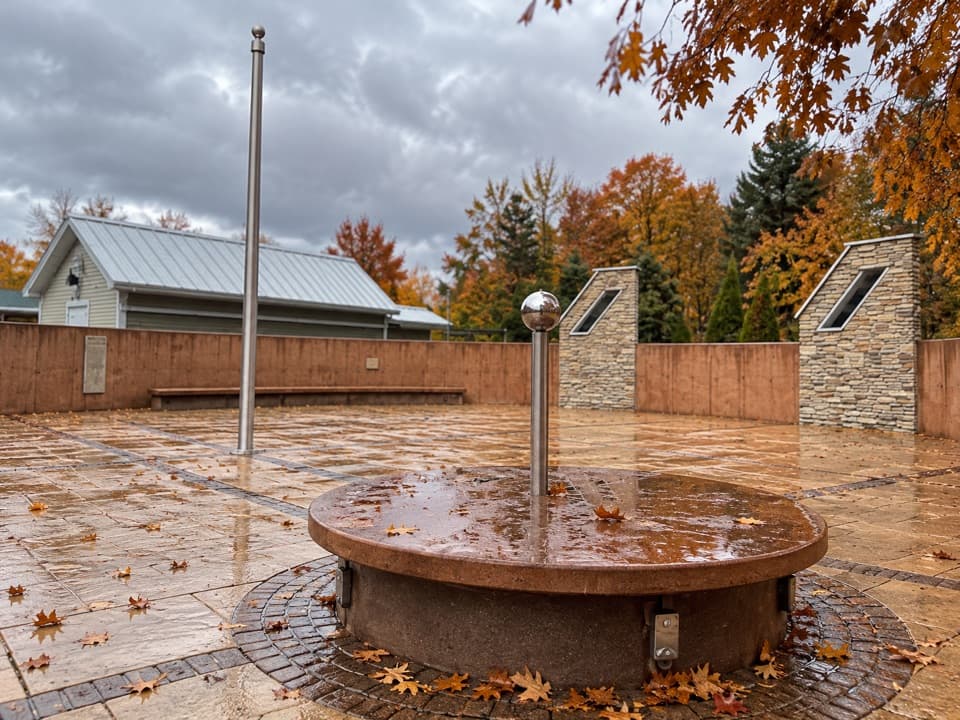
A purpose-built dark-sky plaza with a solar calendar and small observatory, John Glenn Astronomy Park delivers big-night-sky views without city glow. It’s one of the region’s rare near-pristine skies, designed for naked-eye, binocular, and telescope observing.
Programs & How It Works
- Public programs typically run Friday and Saturday evenings from March through November, weather permitting. Volunteers set up scopes (including a large observatory instrument) and guide you through seasonal constellations, planets, and deep-sky highlights.
- Program nights require a free, but limited, parking pass reserved in advance; more passes are often released the Wednesday before the program weekend. On non-program nights, no pass is needed—just show up and stargaze.
- The site is otherwise open 24/7, with occasional special events.
What You’ll See
Expect guided looks at bright planets, craters on the Moon, the Andromeda Galaxy, and star clusters—plus naked-eye tours of the Milky Way in late summer and early fall. Daytime visits still have value: the plaza’s design echoes the solar system and aligns with the sun’s rays at the start of each season.
Facilities, Rules & Comfort
- Restrooms: park-style outhouses; bring your own water.
- Seating: a few benches; most people bring camp chairs or a blanket.
- No camping, campfires, grills, or open flames. You’re welcome to bring personal telescopes, cameras, and tripods.
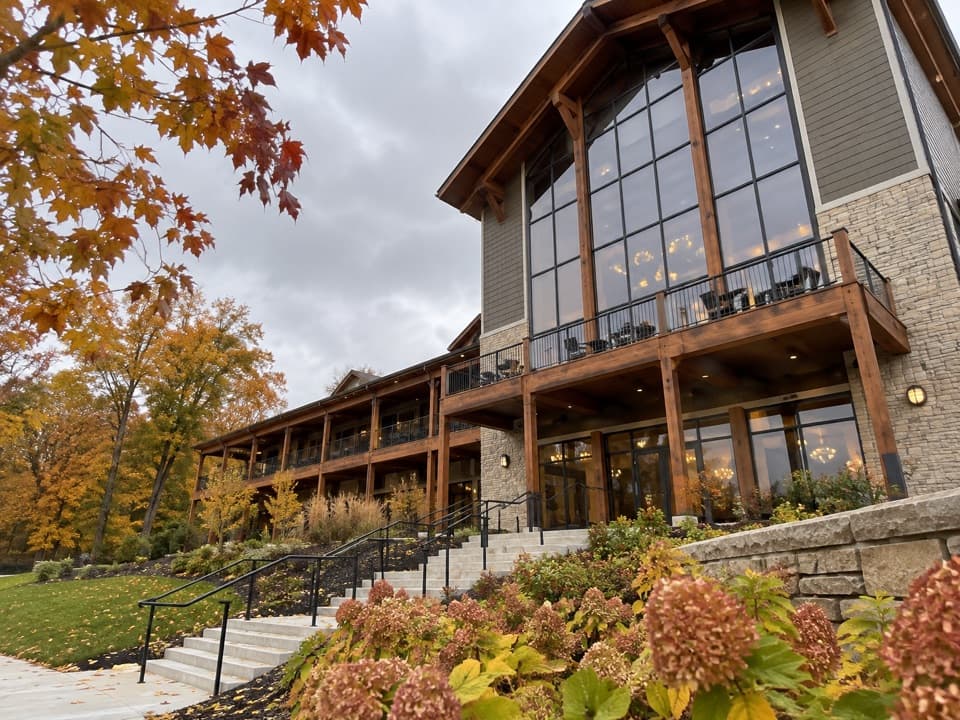
- Guests of Hocking Hills Lodge and State Park Cabins can walk over via the path between cabins 8 and 9.
Night-Sky Etiquette
White light wrecks night vision. Use red headlamps/flashlights, dim or red-filter your phone, disable car interior/courtesy lights, and keep headlights low on arrival/departure.
Best Time to Visit
- Aim for new-moon or crescent-moon weeks for darkest skies; avoid full-moon weeks for deep-sky targets.
- Summer to early fall is prime for the Milky Way shortly after dusk; winter often brings crisp, clear air (and colder temps).
- Arrive 45–60 minutes before astronomical darkness to park, settle in, and adapt your eyes. Friday and Saturday evenings get busiest.
Weather Reality Check
Programs are canceled for clouds or rain. For planning, astronomers here favor tools that forecast cloud cover and sky clarity; NOAA’s pinpoint forecast for Logan is the baseline. If cloud cover pushes toward 50% or higher, expect poor stargazing.
Wildlife & Getting There Safely
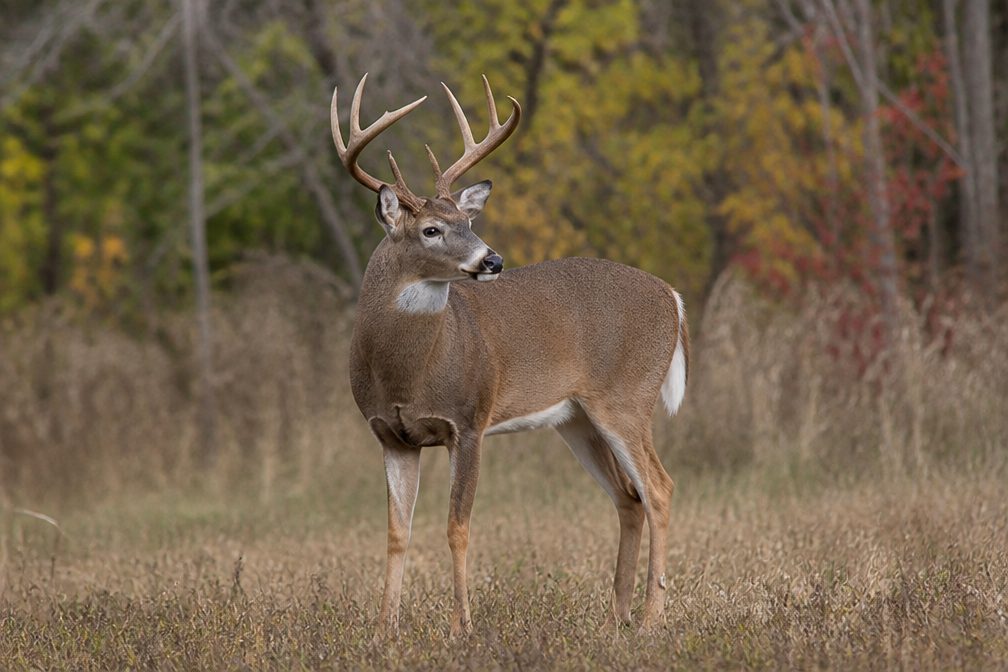
Deer are common on roads after dark, and cell service can be spotty—download directions, drive slowly, and keep a red light handy when you step out.
Photography Tips
A sturdy tripod, a wide, fast lens (around 14–24mm, f/2.8 or faster), 15–20 second exposures, and ISO 1600–6400 will net you classic Milky Way shots. Shield your camera screen to avoid blasting neighbors with light.