Chephren Lake

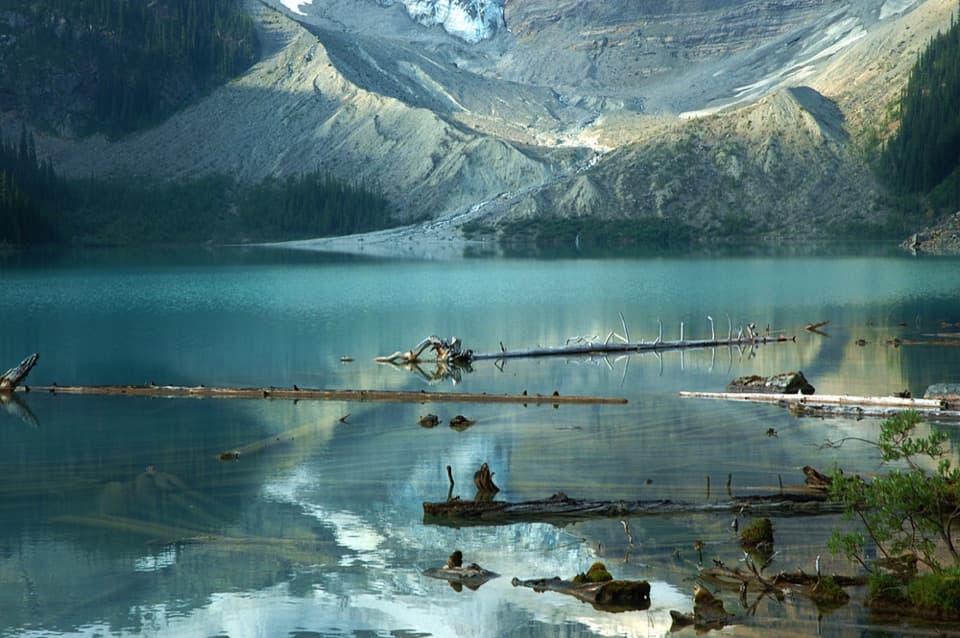
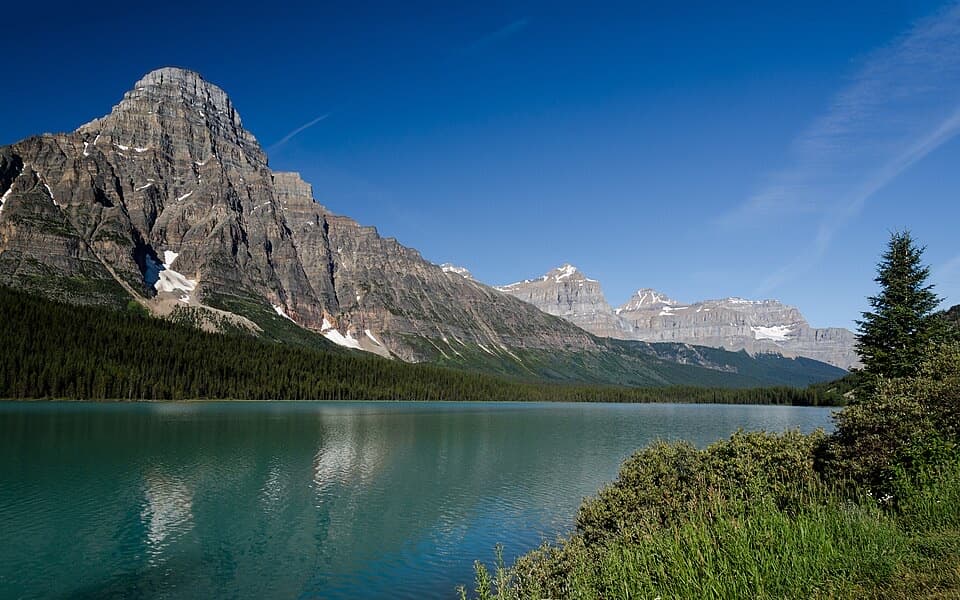
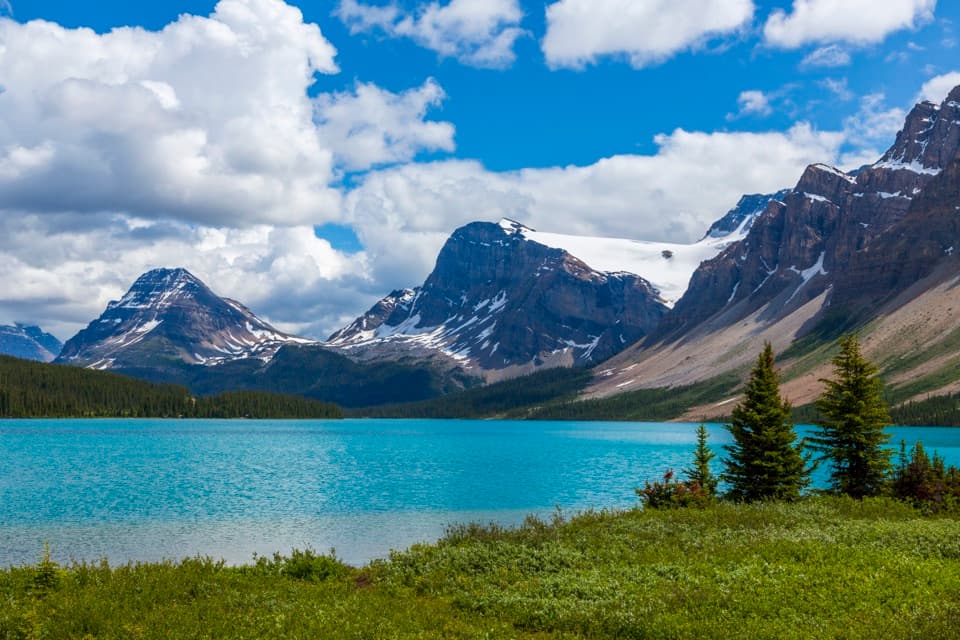
A quiet, turquoise alpine lake beneath the pyramid of Mount Chephren
Chephren Lake, Icefields Parkway (Highway 93)
InsideIcefields Parkway (Highway 93)

Overview

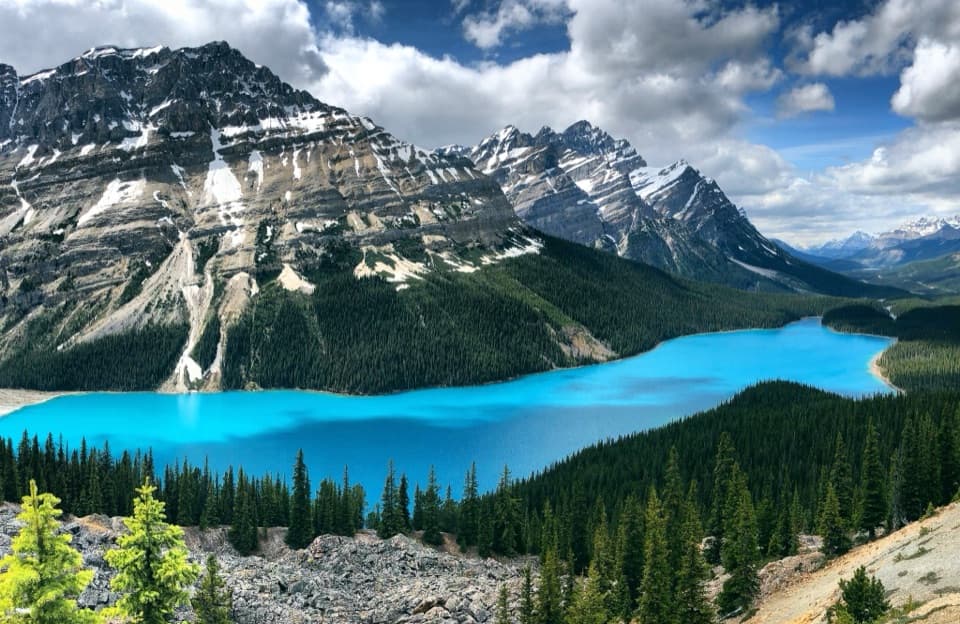
Tucked just west of the Icefields Parkway, Chephren Lake delivers that classic glacial-blue water without the shoulder-to-shoulder crowds. The lake sits under Mount Chephren and Howse Peak, so when you break out of the trees you’re staring at sheer walls of rock dropping into turquoise water—wild, dramatic, and wonderfully quiet compared to the Parkway’s headliners.

The Hike

You’ll start from the Waterfowl Lakes area and follow a forested path with a short initial climb, then mostly gentle grades to the shore. Expect about 8–9 km round trip, minimal elevation (~80 m), and 2–3 hours depending on conditions and how long you linger at the lake. The trail is well‑traveled but rough in places—roots, muck, and puddles are part of the deal, especially after rain. Informal paths continue along the shoreline if you want to roam, but they can be just as muddy.

What You’ll See

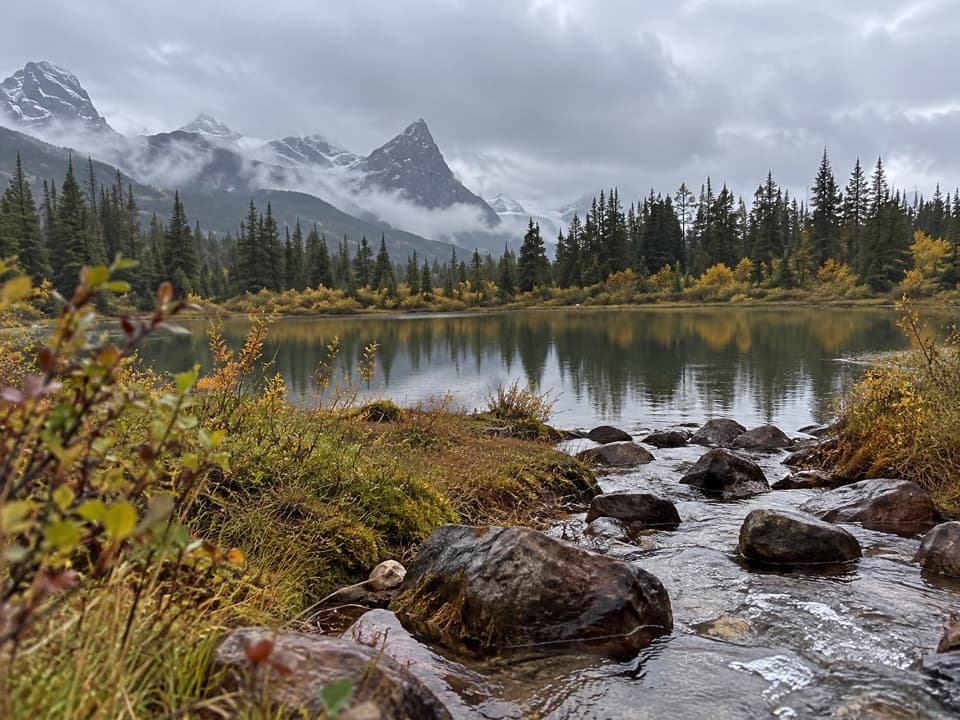
At the lake, the payoff is immediate: luminous water framed by Mount Chephren and Howse Peak, with mirror‑calm reflections on still mornings. On the approach and return, the route slips through subalpine forest and past wet meadows, with occasional wider mountain glimpses (including toward the Murchison massif).

Vibe and Wildlife

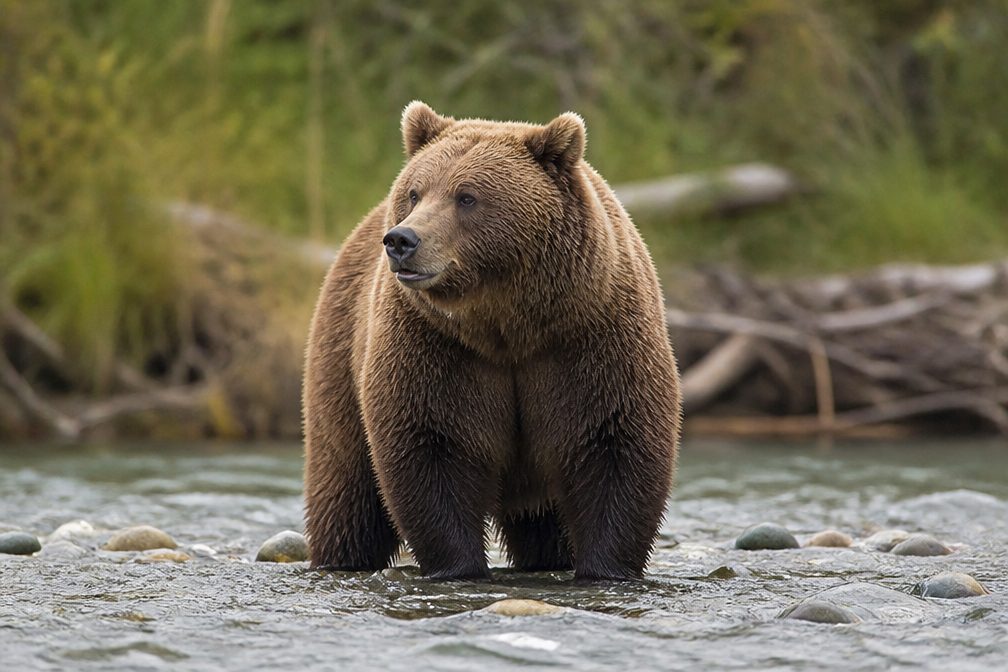
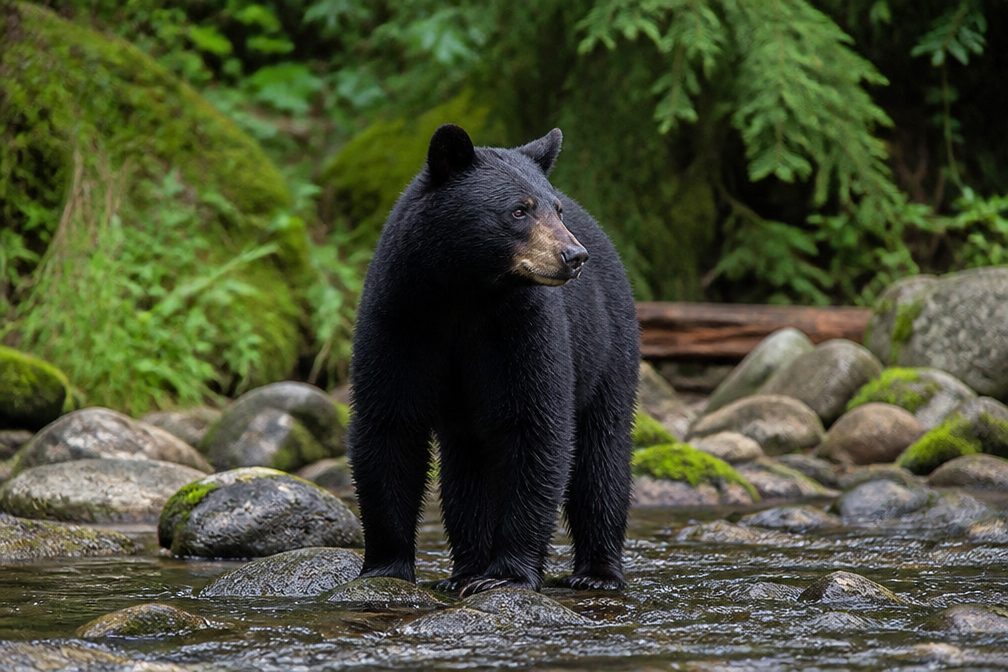
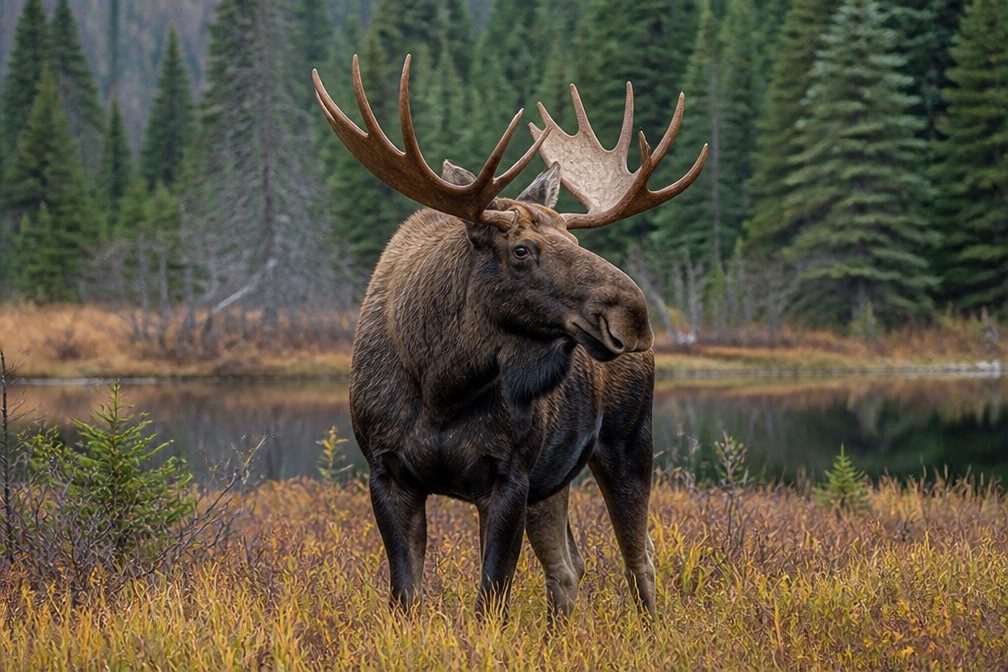
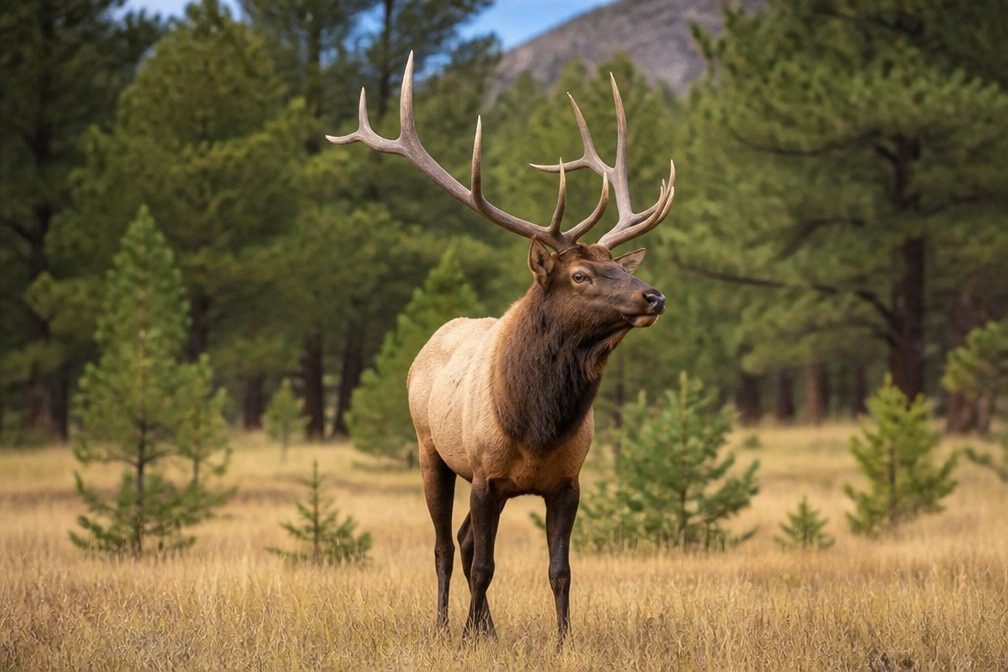
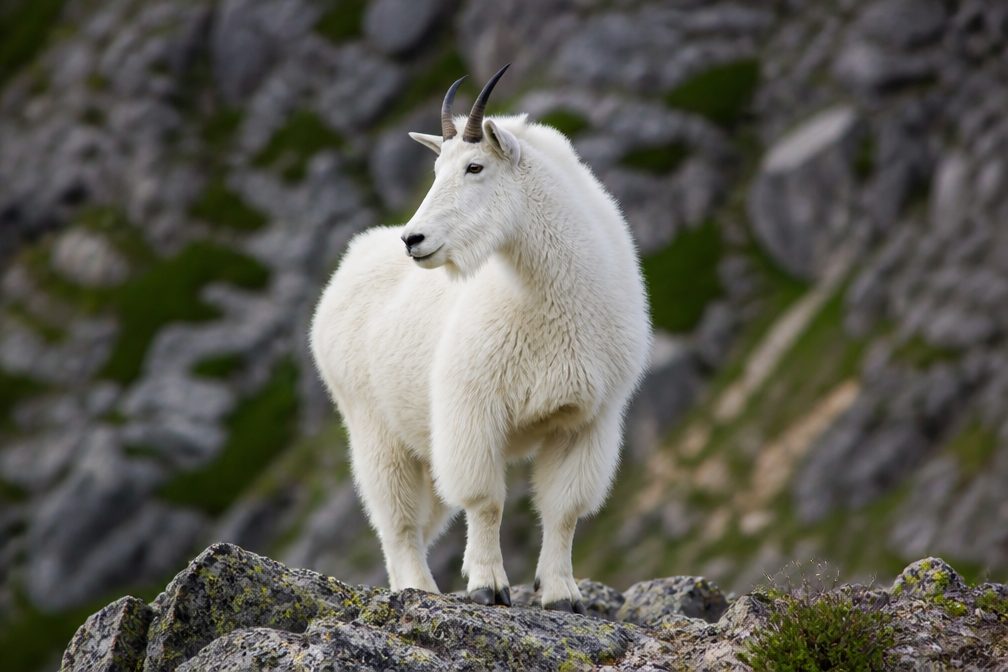
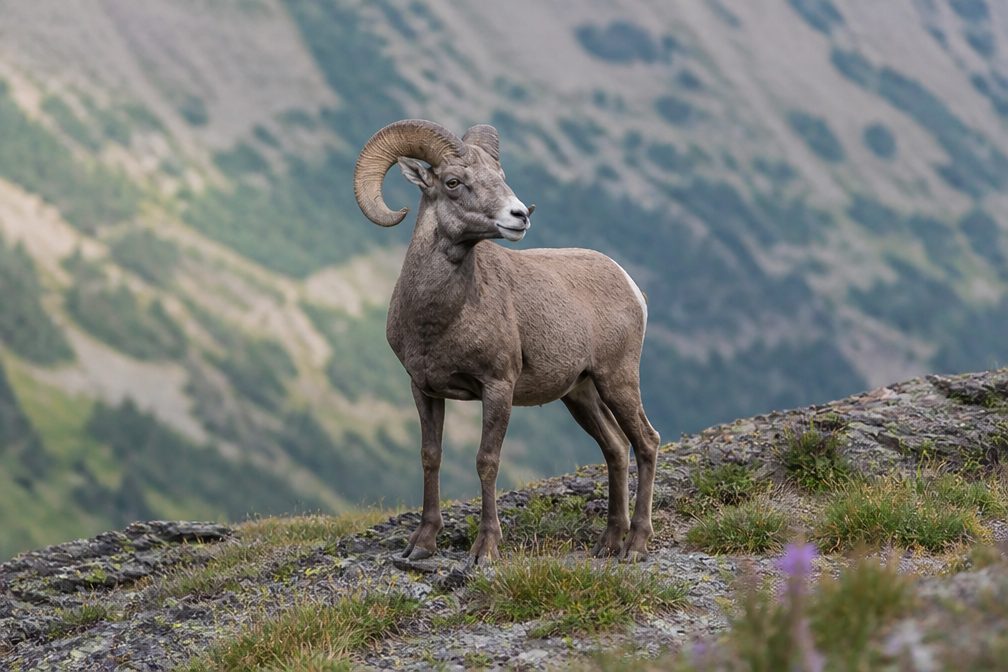
This is a "hidden‑in‑plain‑sight" stop—popular with nearby campers but far quieter than the Parkway icons. Move quietly through the meadow sections and you’ve got a fair chance at casual wildlife encounters; nothing’s guaranteed, but the habitat is there.

History & Names

The trail traces back to 1923, when celebrated guide Jimmy Simpson cut it for pack trips. The surrounding names play up an Egyptian theme—Mount Chephren honors the pharaoh Khafre, and its profile can look sphinx‑like from stretches of the Parkway. It’s a fun bit of Rockies lore that matches the mountain’s pyramidal look.

Practicalities

There are no facilities at the lake itself. Services (and the day‑use parking used as the trailhead) are at Waterfowl Lakes Campground. Plan to be self‑sufficient at the shore.

Best Time to Visit

  • Dry weather is your friend—mud is the main obstacle here.
  • Early mornings bring calm water for reflections and fewer people.
  • Late spring to early fall is the sweet spot; in winter conditions, this becomes a snowshoe outing.
  • Shoulder season can mean firmer, frozen tread and lighter crowds.

Is It Worth It?

If you want big‑mountain drama without the bus‑tour energy, absolutely. You trade polished paths for some muck, but the solitude and scenery are a great bargain.

Pros

  • Serene, less-crowded turquoise lake beneath towering peaks
  • Moderate, mostly flat hike with big views for modest effort

Cons

  • Trail can be muddy and rooty, especially after rain
  • No facilities at the lakeshore

Tips

  • Wear waterproof hiking boots—the route is often muddy and rooty.
  • Park at the Waterfowl Lakes day‑use area; there’s nothing at the lake itself.
  • Budget 2–3 hours; distances can feel longer when it’s wet or slick.
  • Go early and on a dry day for calm reflections and fewer people.
  • In snowy conditions, bring snowshoes or traction and winter layers.
The Parkwolf tour guide sitting on a phone mounted in a car

Parkwolf Tour Guide

Like a tour guide in your car.

Save the places you found around Icefields Parkway, then let Parkwolf guide the drive between them.Download Parkwolf on the App Store