Place · 1.9 mi away

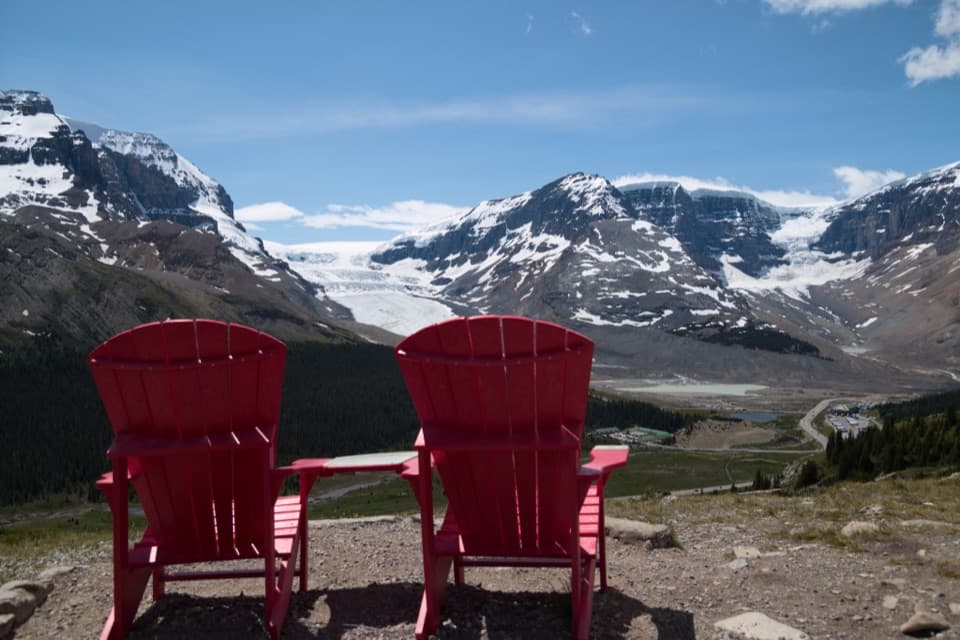
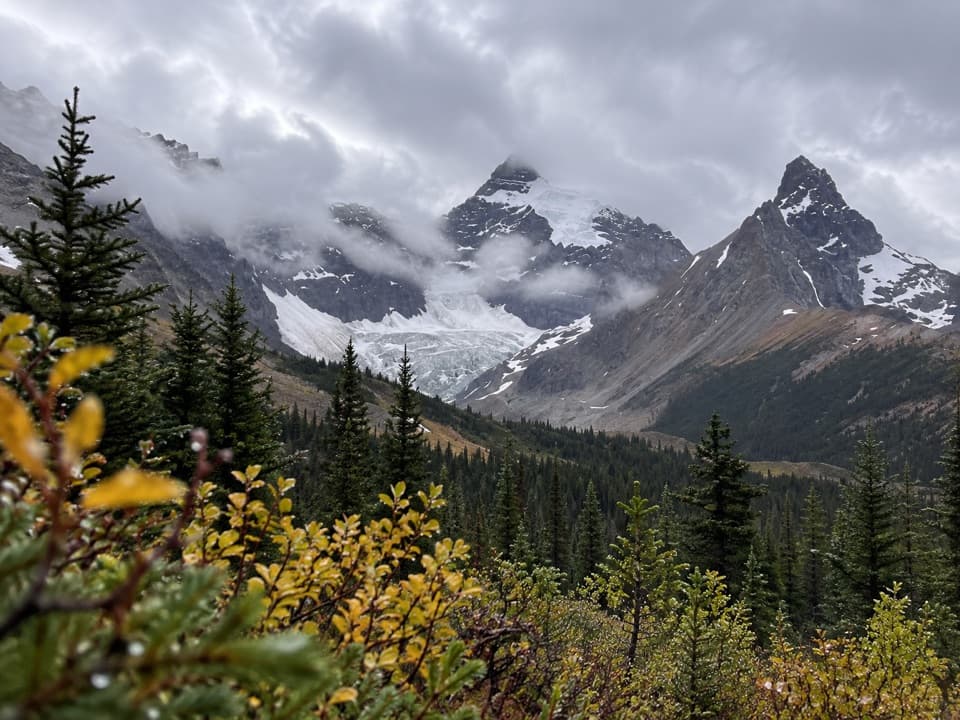
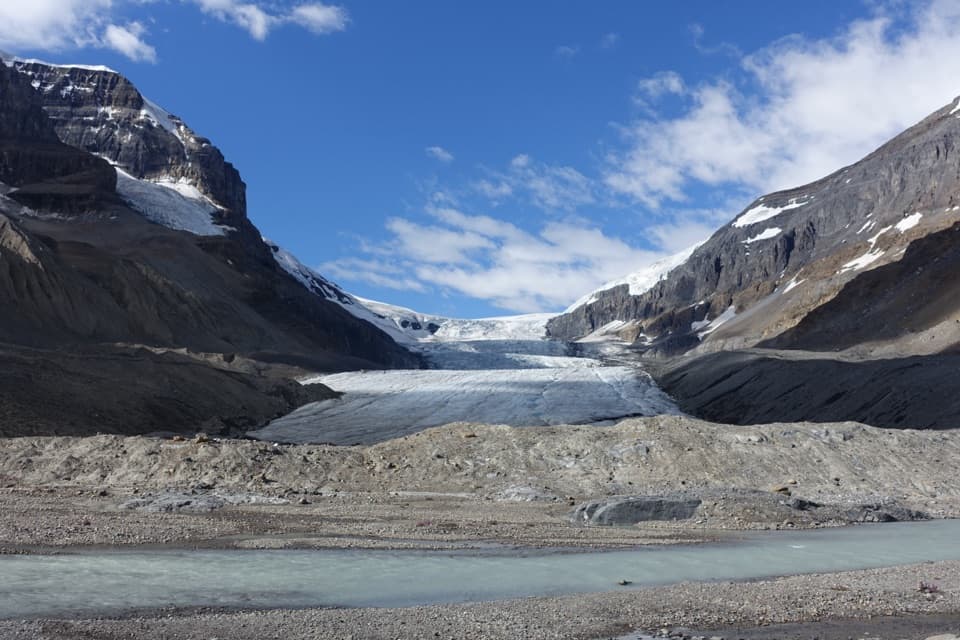
Athabasca Glacier is the showstopper of the Icefields Parkway—one of North America’s most visited and most accessible glaciers. It flows from the Columbia Icefield in three bedrock steps, creating a stark, dramatic landscape of ice, rock, and meltwater. The glacier is roughly 6 km long and up to 300 m thick, but it has receded more than 1.5 km in the last 125 years, leaving behind towering moraines and a sobering timeline of retreat.
From the roadside you’ll spot the glacier immediately, but the payoff comes at the toe: a short, self-guided gravel path brings you close to the ice. Along the way, markers show where the ice once stood—an eye-opening walk through recent history. Expect a “moonscape” of rocky debris, braided melt streams, and views of crevasses and layered ice.
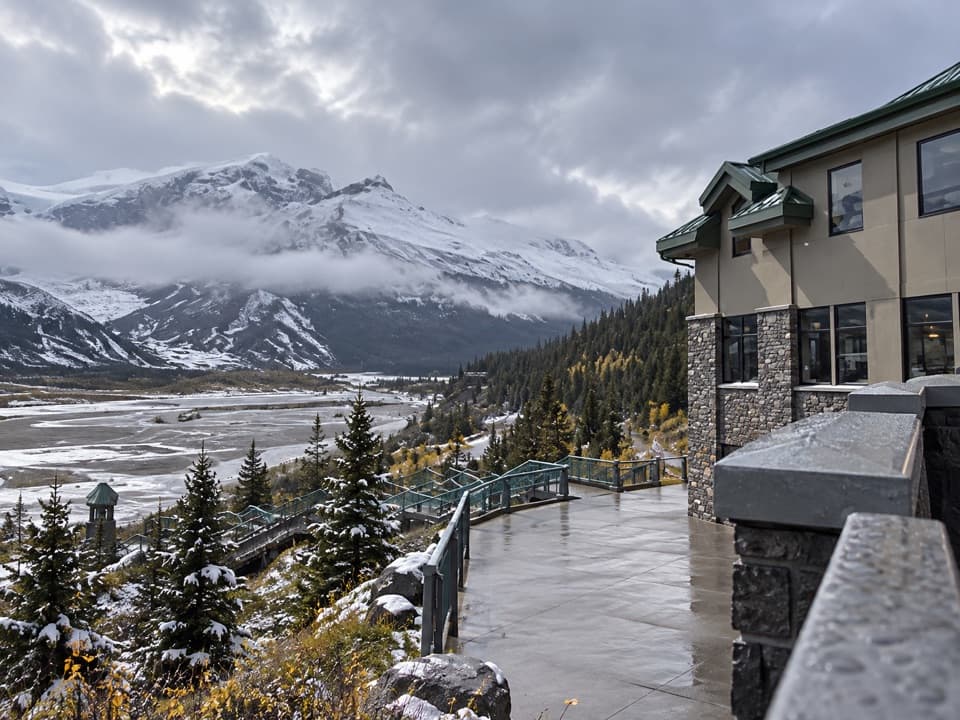
Park across the highway at the Columbia Icefield Discovery Centre and follow the Toe of the Glacier trail for up‑close views. If you want to actually step onto the glacier, book a guided snow coach tour—this is the only safe way onto the ice due to hidden crevasses and unstable melt features. Heed all ropes and warning signs.
The Discovery Centre is your hub: restrooms, food options (from casual to sit‑down), a gift shop, information, and ample parking. There’s no fuel here—top up in Jasper, Lake Louise, or Saskatchewan River Crossing before you arrive.
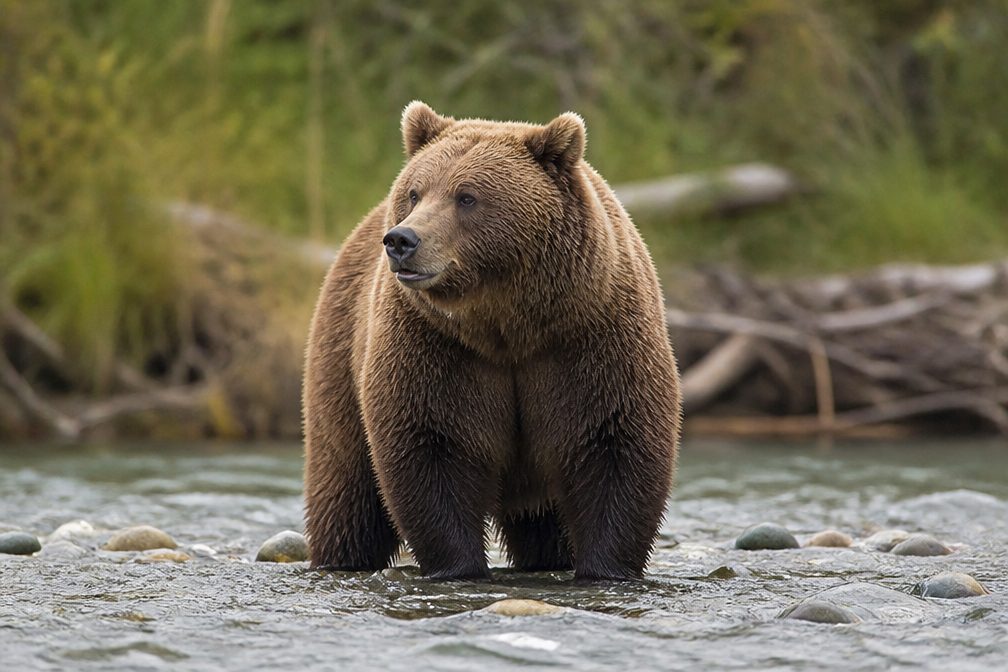
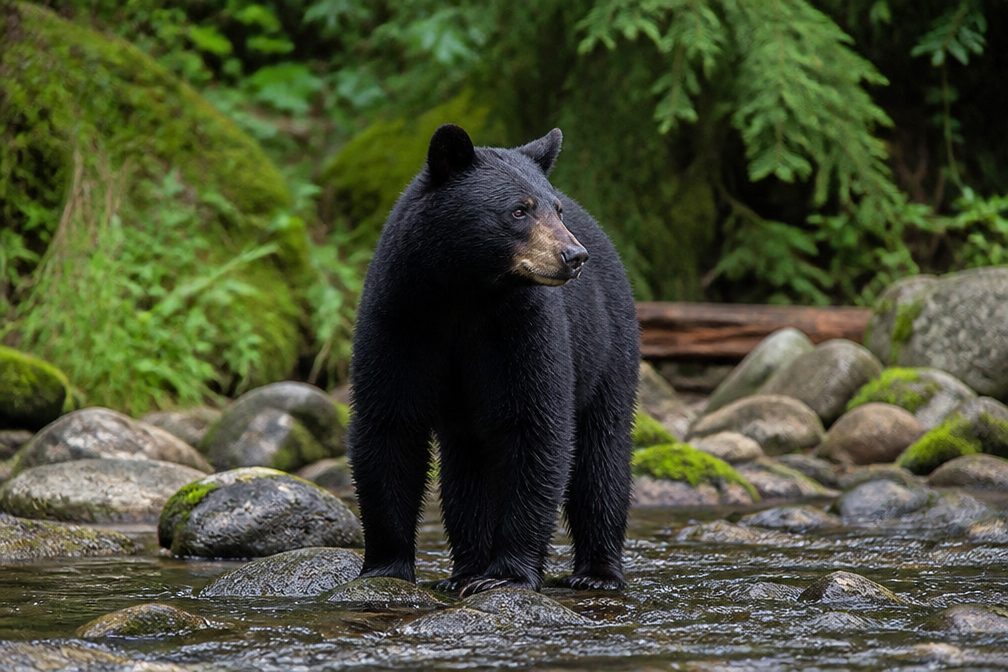
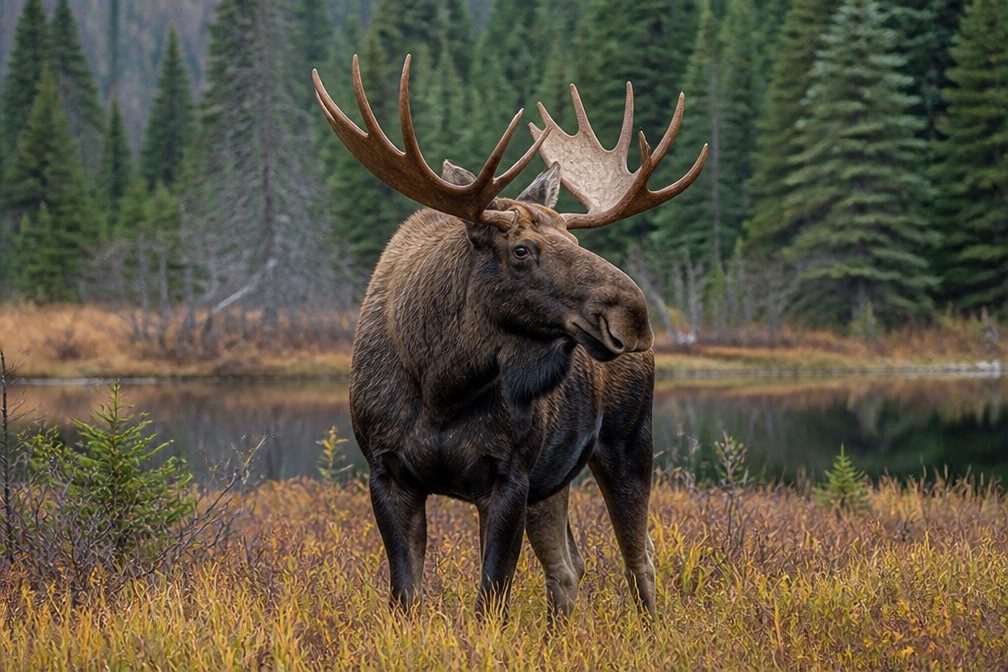
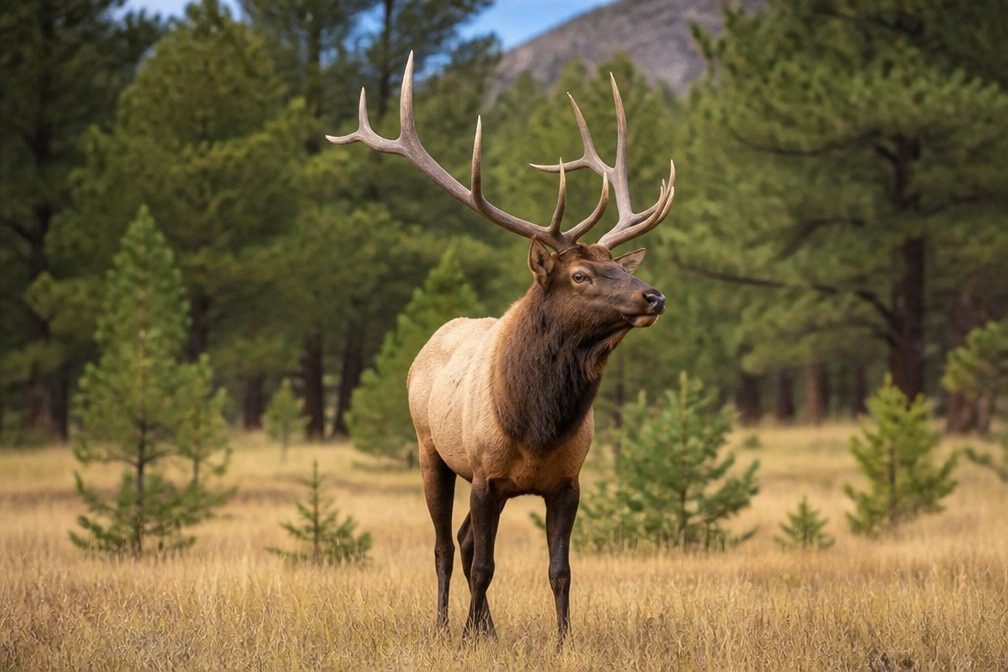
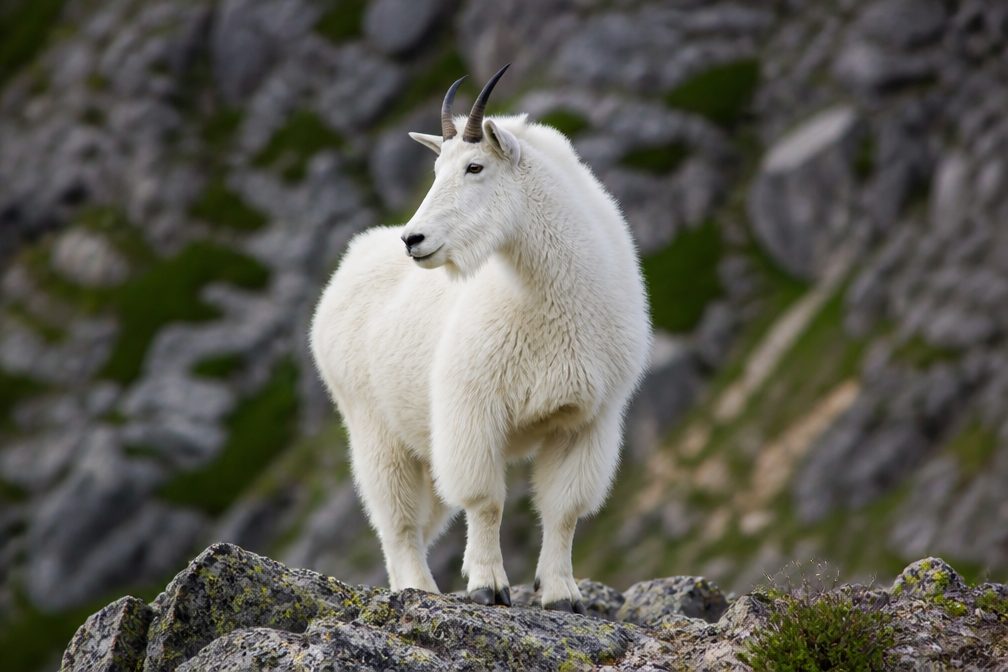
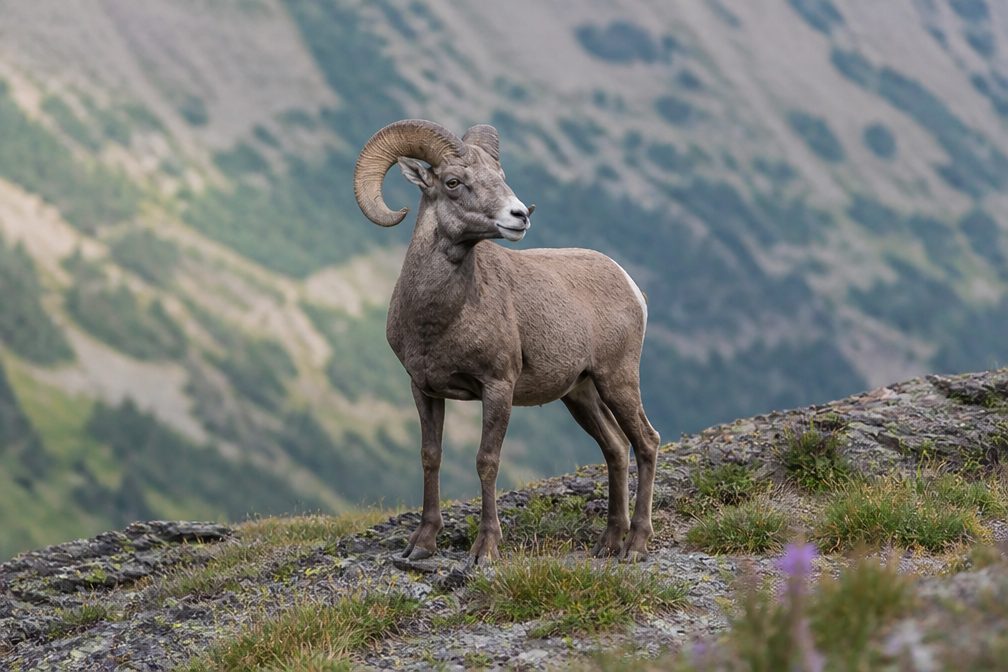
This stop is about the ice, not wildlife. That said, the broader Parkway often delivers sightings of mountain goats, bighorn sheep, elk, and various birds—keep your eyes open on the drive rather than at the glacier itself.
Dress for rapid change: sun can flip to sleet in minutes, even in July. Sturdy footwear is a must for the rocky, uneven trail, and sunglasses/sunscreen help with glare off ice and snow. Do not venture onto the glacier without a guide—serious accidents have happened here.
Summer draws the biggest crowds; aim for early morning or late afternoon to find parking and a quieter trail. Tours can sell out on busy days, so plan ahead. Shoulder days with mixed weather often mean fewer people and moodier, dramatic views.
Warm, layered clothing, waterproof outerwear, sturdy shoes, sunglasses and sunscreen, plus snacks and water. A camera or binoculars adds to the fun—there’s a lot of texture in the ice and surrounding peaks.