Easy

Historic Railroad Trail

Flat lakeside rail trail through five Hoover Dam–era tunnels
Historic Railroad Trail, Lake Mead National Recreation Area
Distance7.5 mi
Typical time3 hr
DifficultyEasy
PetsAllowed

Overview

If you like big views with little effort, this is your Lake Mead walk. The Historic Railroad Trail follows the old U.S. Government Railroad grade from just below the Lake Mead Visitor Center toward Hoover Dam. It’s essentially level, wide, and hard‑packed, making it friendly for walkers, runners, cyclists, and many wheelchair users. Plan on about 7.5 miles total out-and-back from the main trailhead (about 3.7 miles one way to the Hoover Dam connection).

What you’ll see

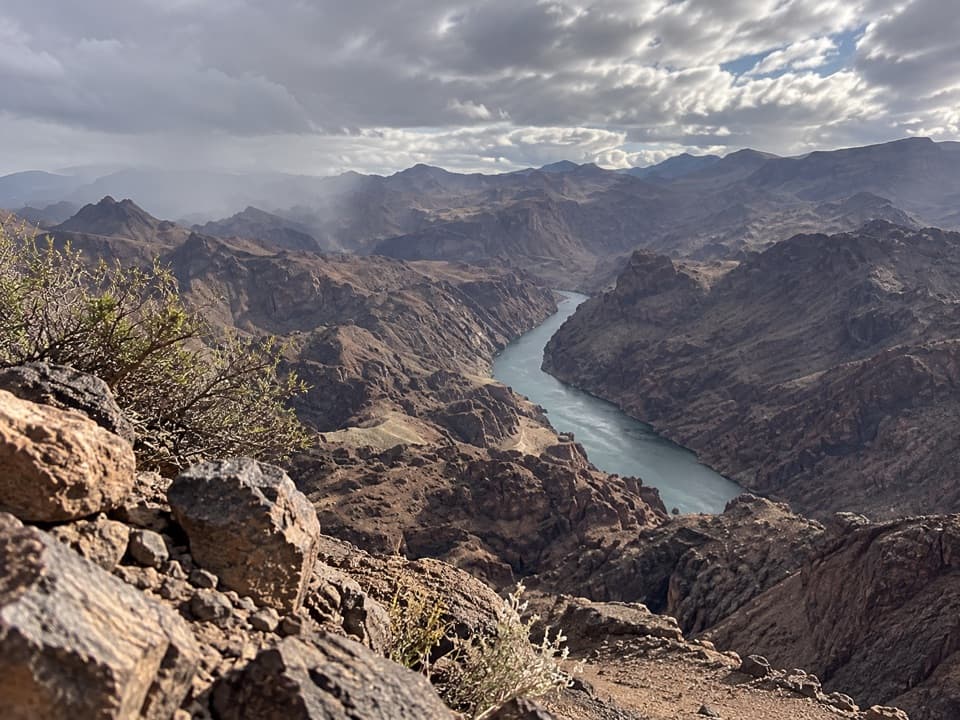
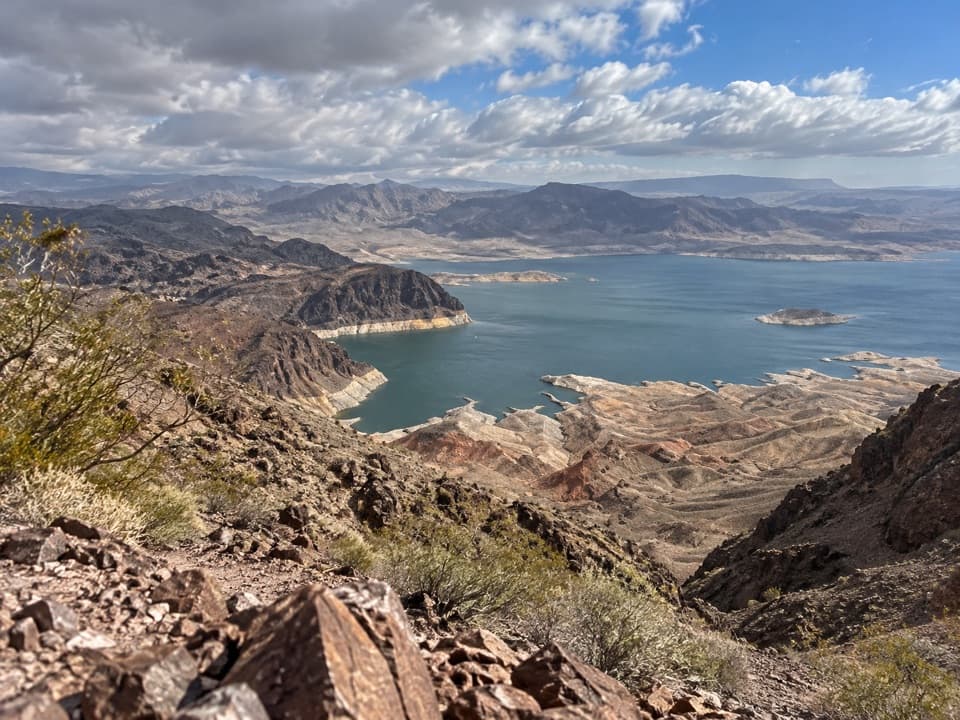
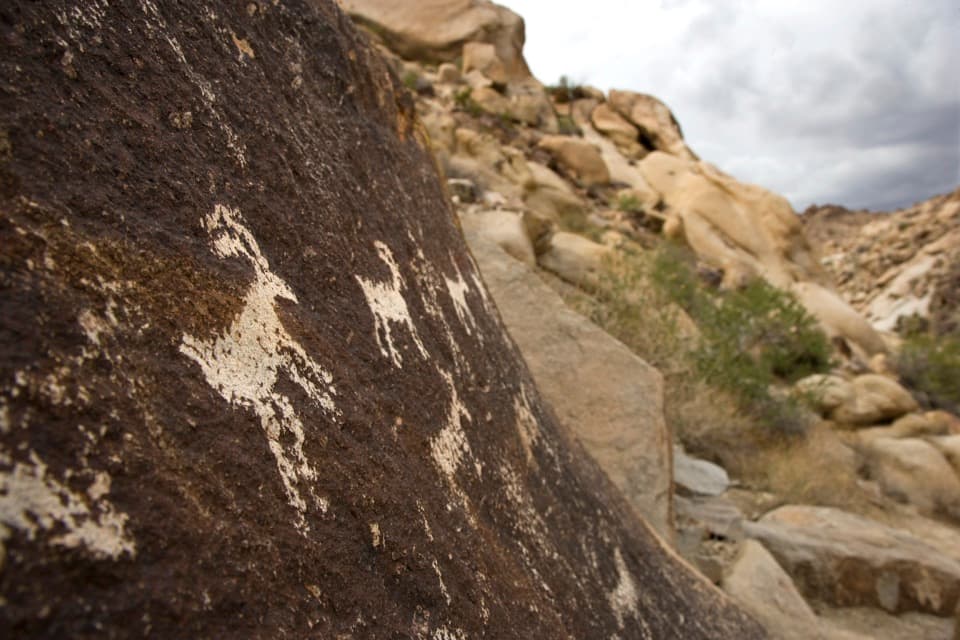
The star attractions are the five cavernous tunnels—built in the 1930s to move penstocks and heavy equipment for dam construction. Expect sweeping looks over Boulder Basin and those bright “bathtub rings” marking past lake levels. Watch for bits of Hoover Dam history along the way (interpretive signs, remnants beside the grade), and keep an eye out for desert bighorn sheep on the slopes.

Trail experience and logistics

The surface is level, compacted fine gravel; most of the grade is exposed, with periodic shade inside the tunnels. Two tunnels have protective container-style coverings and short ramps where small rockfall is a possibility. The main railroad-grade segment is nearly flat, but if you continue past Tunnel 5 toward the dam, expect more ups/downs and some loose gravel on turns. Drinking water is available at/near the visitor center; there are accessible pit toilets at the trailhead, benches along the route, and even a self‑service bike repair station. It’s a shared trail—expect bikes and yield accordingly. This area is within a park fee zone.

Start from the parking lot below the Lake Mead (Alan Bible) Visitor Center on Lakeshore Road. Another practical option is limited roadside parking just past the visitor center, with social paths up to the railroad grade. If you’re riding or walking one way to the dam, plan your ride back in advance; bikes aren’t allowed near the dam visitor center itself, but racks are provided nearby.

Best time to hike

Fall through spring is prime—cooler temps, softer light, and fewer heat risks. In summer the first 1.5 miles offer no shade and the trail can be dangerously hot (triple digits are common), so start at sunrise or wait for evening. Weekends see heavy use; for a quieter experience and prettier photos, go early on weekdays or at golden hour.

Tips

  • Carry more water than you think you need, plus sun protection; watch paw temps for dogs (leash required, 6 feet max).
  • Road bikes can make it, but the fine gravel rides better on wider tires.
  • Turn around at the last tunnel for the flattest outing; push on toward the dam if you want extra views and a bit more workout.

Pros

  • Five historic tunnels add intermittent shade and a unique sense of place
  • Level rail grade makes long desert views accessible to more hikers and wheels

Cons

  • Little to no natural shade for the first 1.5 miles
  • Crowds can be heavy on weekends and mid-mornings

Parking

Primary lot below the Lake Mead Visitor Center on Lakeshore Road (bathrooms and water available). Limited additional parking just past the visitor center with social paths up to the railroad grade.

Caution

Extreme heat possible (often 100–115°F) with long sun exposure; shared use with fast bikes; occasional small rockfall near tunnel coverings; looser gravel and more elevation change near the dam; bikes not allowed into the dam visitor center area; arrange return transport if hiking or riding one way.

The Parkwolf tour guide sitting on a phone mounted in a car

Parkwolf Tour Guide

Like a tour guide in your car.

Bring Lake Mead trail research into the car, with offline maps and stories that play as you drive.Download Parkwolf on the App Store