1 active Manuel Antonio alert
- ClosurePunta Catedral Trail ClosedPunta Catedral Trail is temporarily closed; do not use the trail. Check current Manuel Antonio National Park status before visiting.Official details
#4 of 9 sights in Manuel Antonio
Beach · Manuel Antonio National Park
A tucked-away pair of coves, split by a rocky ridge.
Overview
Map
Plan your stop

The highest, rockiest slopes around here are a summer buffet for grizzly bears.
Manuel Antonio Tour Guide
Parkwolf is a GPS audio tour guide for Manuel Antonio National Park. As you drive, it chimes in with what’s ahead: hidden gems, upcoming stops, history, geology, and wildlife, right through your car’s speakers.
Recorded for this area
Little Pools in the Canopy“On a forest walk, look up for leafy clumps sitting on branches. Some are bromeliads, plants that use the tree for support without taking food from it. In tank bromeliads, the leaves form a funnel that catches rain.”
Plays on the road 1.3 km from Playa Gemelas in the Parkwolf Manuel Antonio Tour Guide.
More stories near here in the app
“Fantastic app with many points of information… It’s great to just turn on while you’re driving and it gives you an audio tour of the national Park. We love it!!!!”


Guide
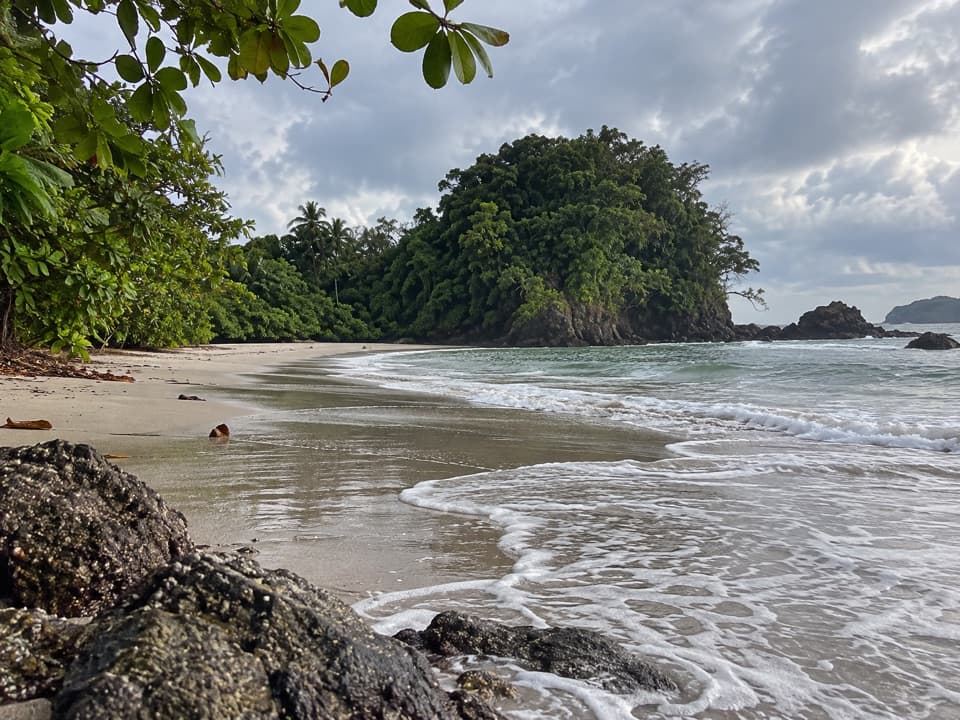
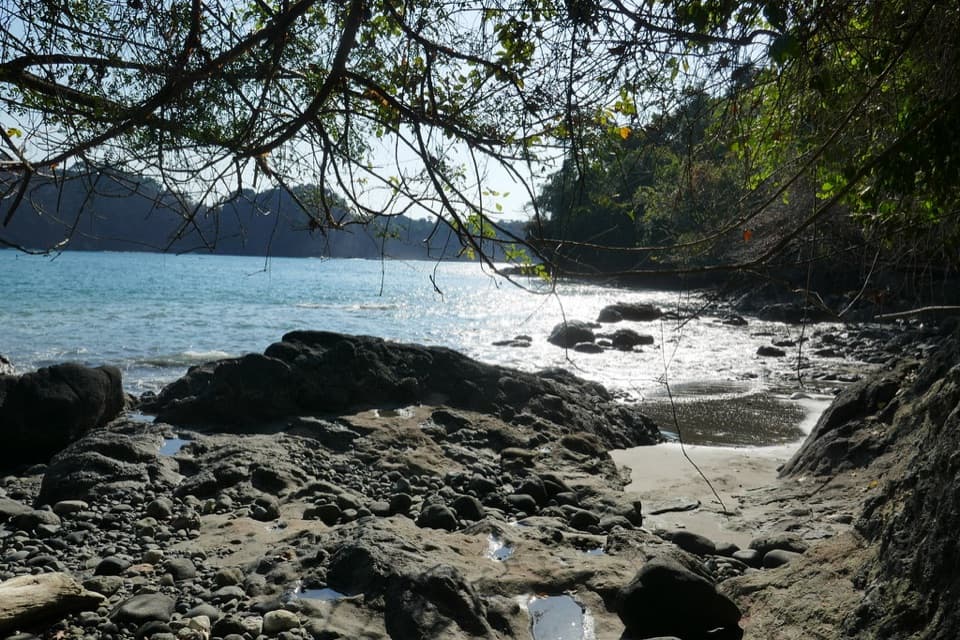
Playa Gemelas is a small beach in the western trail network of Manuel Antonio National Park, split into two coves by a rocky ridge. Its name means “twins.” This is a tucked-away change of scene from the park’s headline beaches; come for the paired shoreline and forest edge, not a broad stretch of soft sand.
At low tide, the shoreline can connect the coves and open a view toward Punta Catedral. Look back along the rock divide and forest edge to see what makes Gemelas different from a single cove. It’s the best time to frame both sides of the beach together.
Expect stones and uneven footing at the water’s edge. Water conditions vary: some visitors find the water warm and manageable, while others report strong waves or rip currents. Check the surf before getting in; this isn’t a reliably calm swimming beach.
Visitors have spotted iguanas, coatis and howler monkeys near the beach, though wildlife sightings are never guaranteed. Keep bags close and don’t feed the animals; park wildlife may investigate unattended belongings.
Wildlife
 415 sightingsHowler MonkeyMost seen around 7 AMSighting map
 1,199 sightingsWhite-faced Capuchin MonkeyMost seen around 7 AMSighting map
 807 sightingsThree-toed SlothMost seen around 7 AMSighting map
 271 sightingsTwo-toed SlothMost seen around 8 AMSighting map
 112 sightingsRed-eyed Tree FrogMost seen around 7 AMSighting map
 170 sightingsCoatiMost seen around 7 AMSighting map
Sighting maps show where each species has been reported across Manuel Antonio. Wildlife moves, so no sighting is guaranteed.
Keep exploring
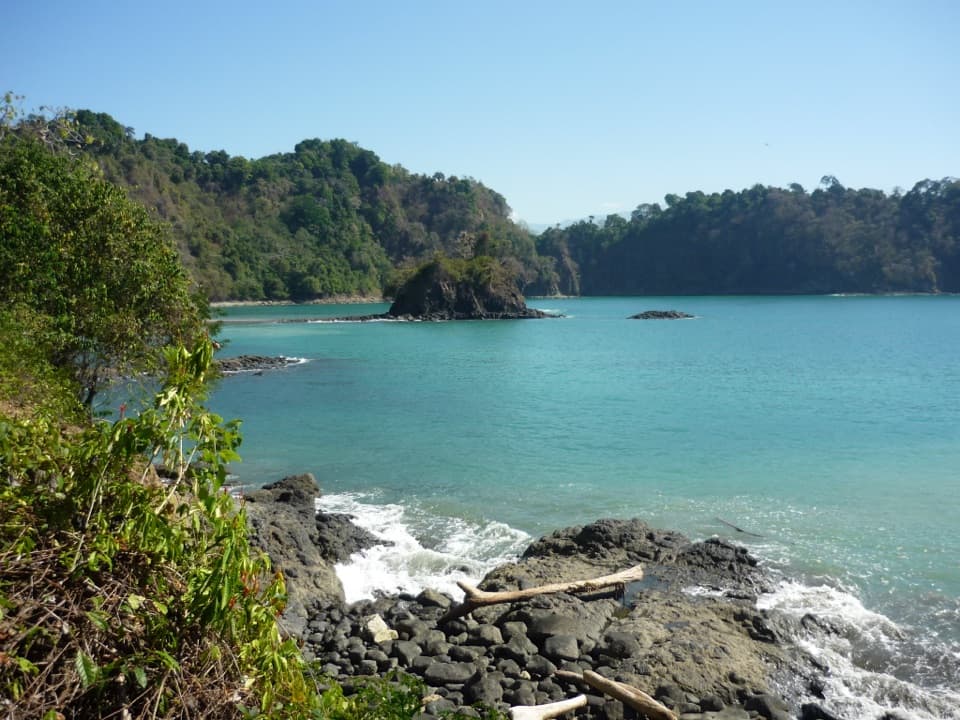 EasySendero Puerto Escondido0.7 km · 30 min · At the trailheadStairs lead to an overlook above Puerto Escondido Bay.
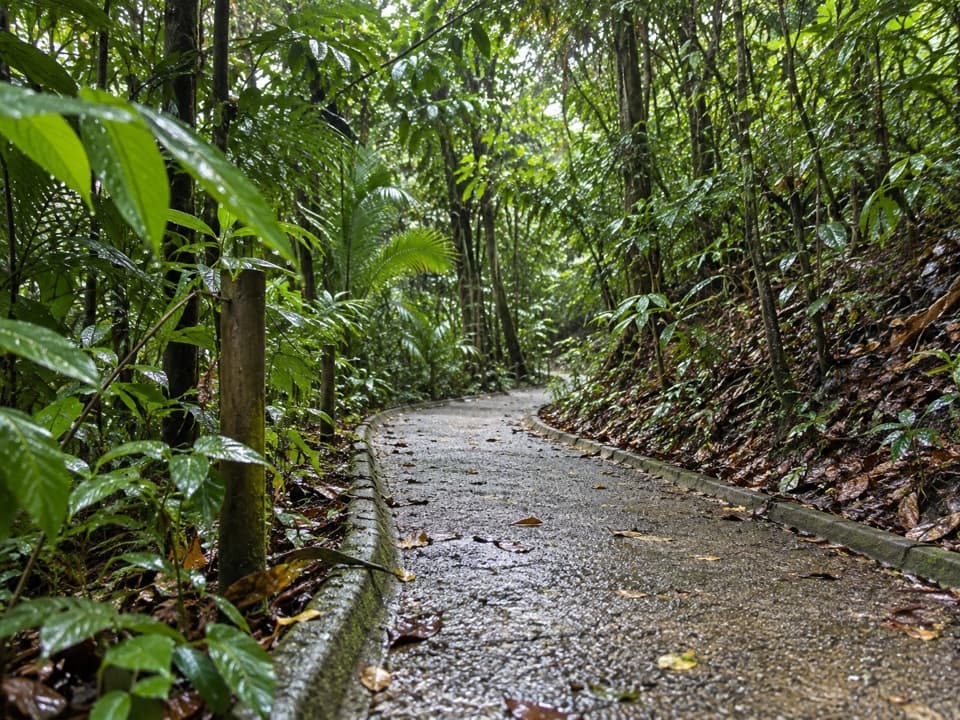 ModerateSendero Congos0.3 km · 10 min · 0.1 km awayA quick stair shortcut linking Mirador to Playa Gemelas.
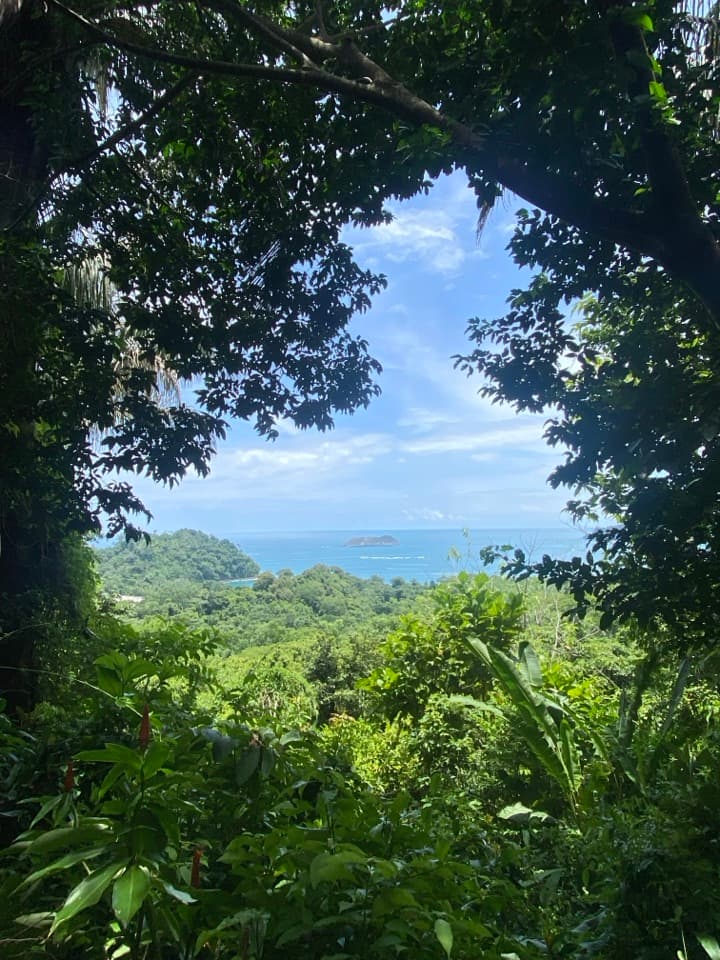 ModerateSendero Mirador2.3 km · 1.3 hr · 0.3 km awayA steep stair climb links rainforest to Punta Serrucho's jagged coast.
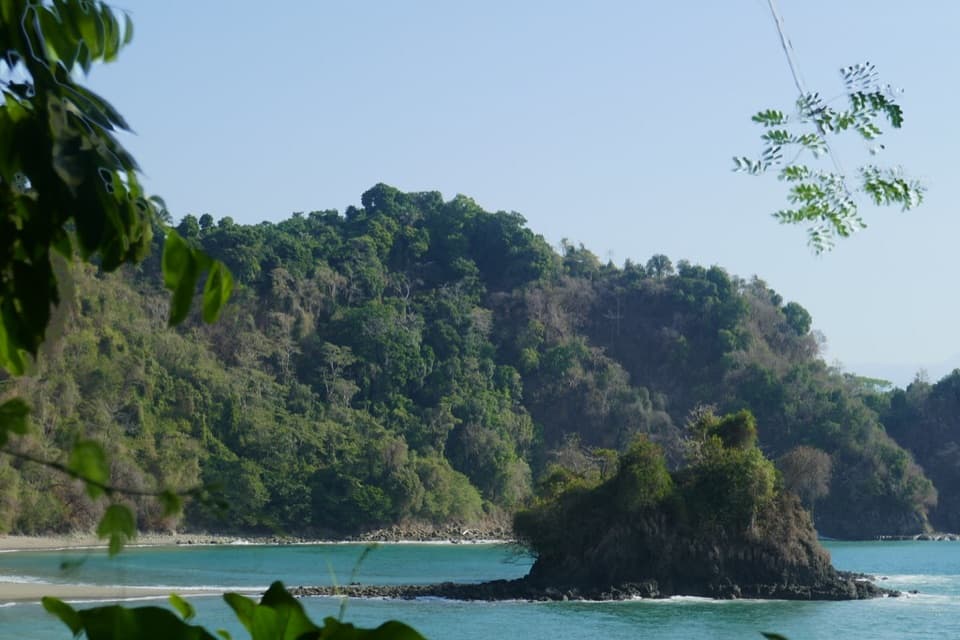 EasyPlaya Gemelas Trail0.7 km · 30 min · 0.3 km awayA short path to Manuel Antonio's twin rocky coves.
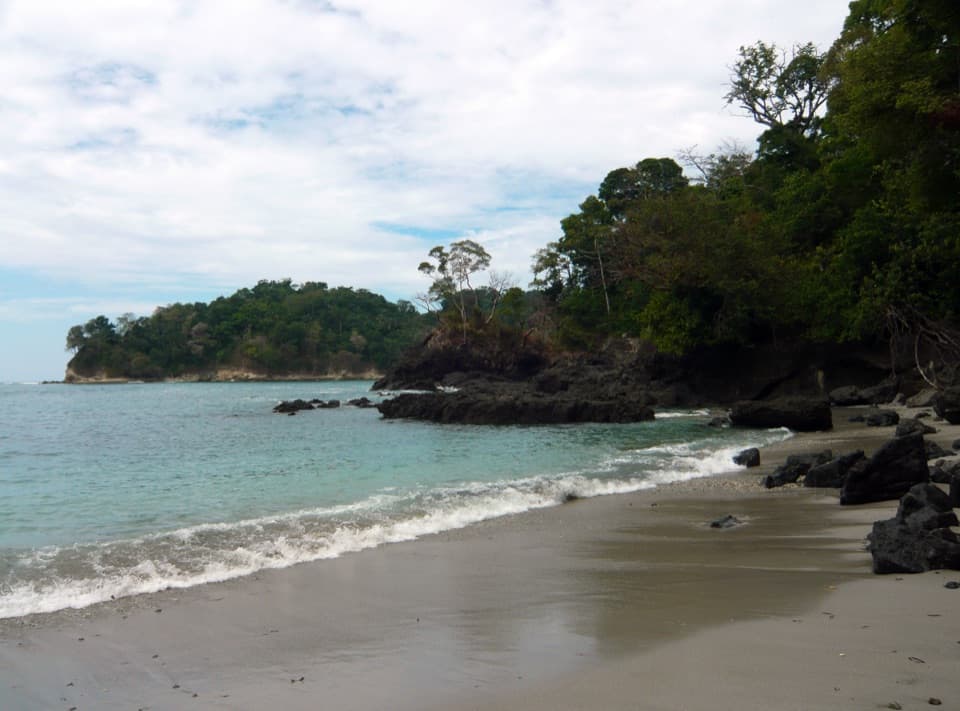 EasySendero Playa Manuel Antonio0.8 km · 18 min · 0.4 km awayA short café-to-beach walk ends on a forested tombolo.
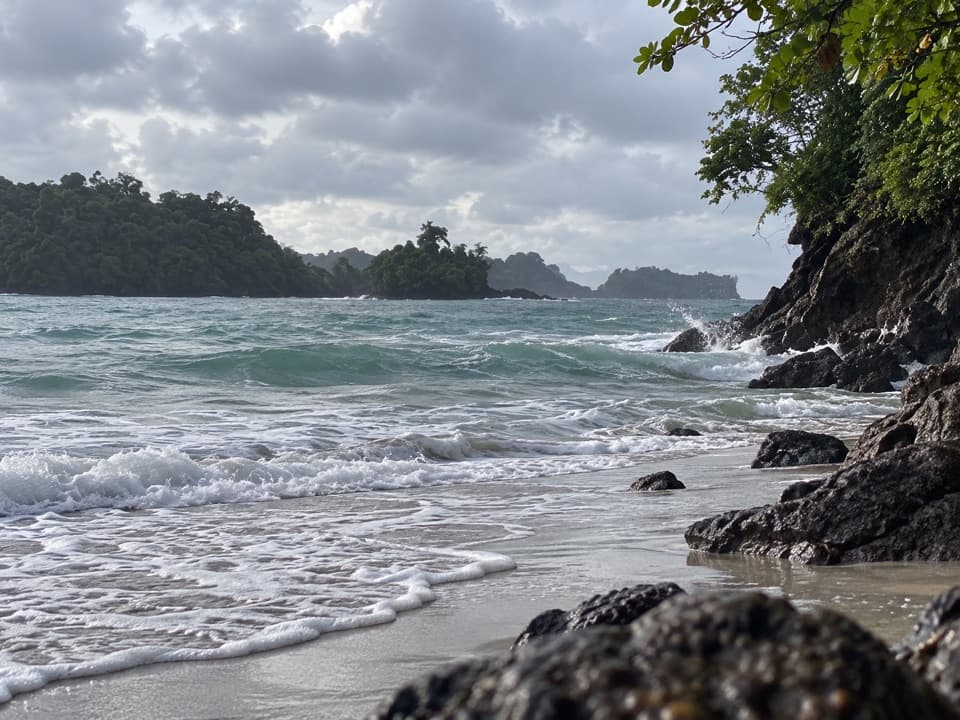 ModeratePunta Catedral Trail1.2 km · 1 hr · 0.8 km awayA short loop rounds a forested headland with Pacific lookouts
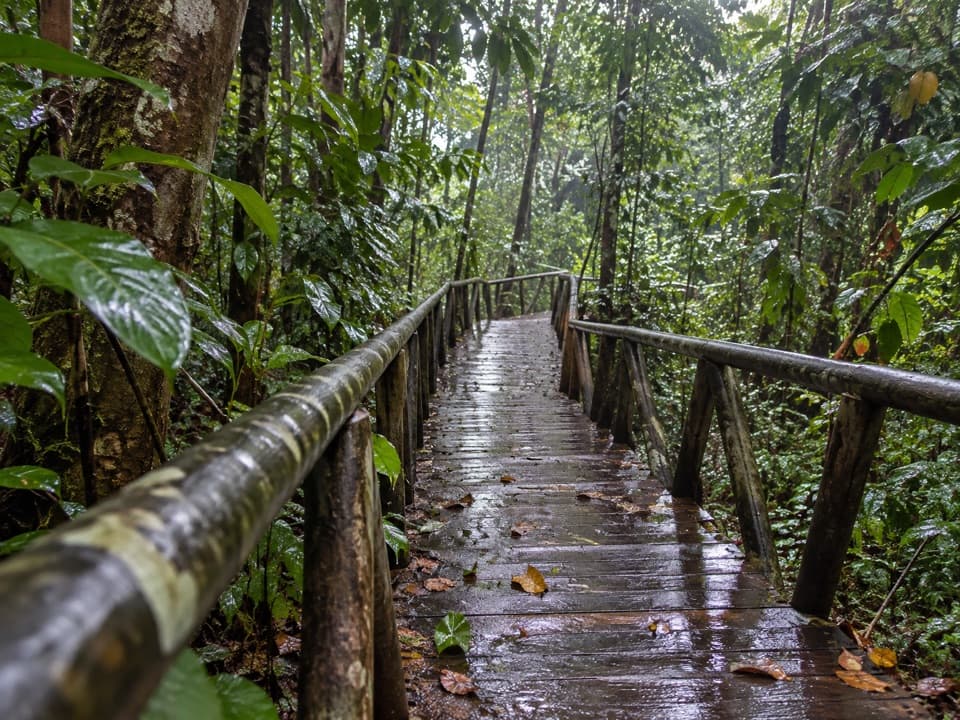 EasySendero El Perezoso0.6 km · 21 min · 0.8 km awayA shaded forest boardwalk with Braille nature signs.
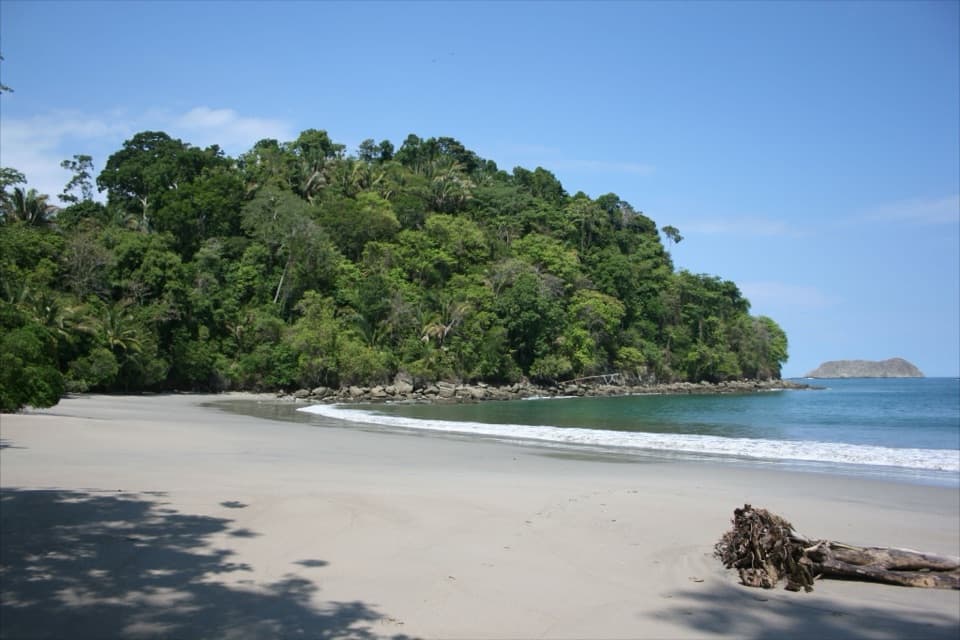 EasySendero Playa Espadilla Sur0.9 km · 21 min · 1.2 km awayA shady sandy link from the mangroves to Espadilla Sur.Sight · 0.3 km awayMirador Puerto EscondidoA stair-heavy detour to a rugged cove and offshore islet.
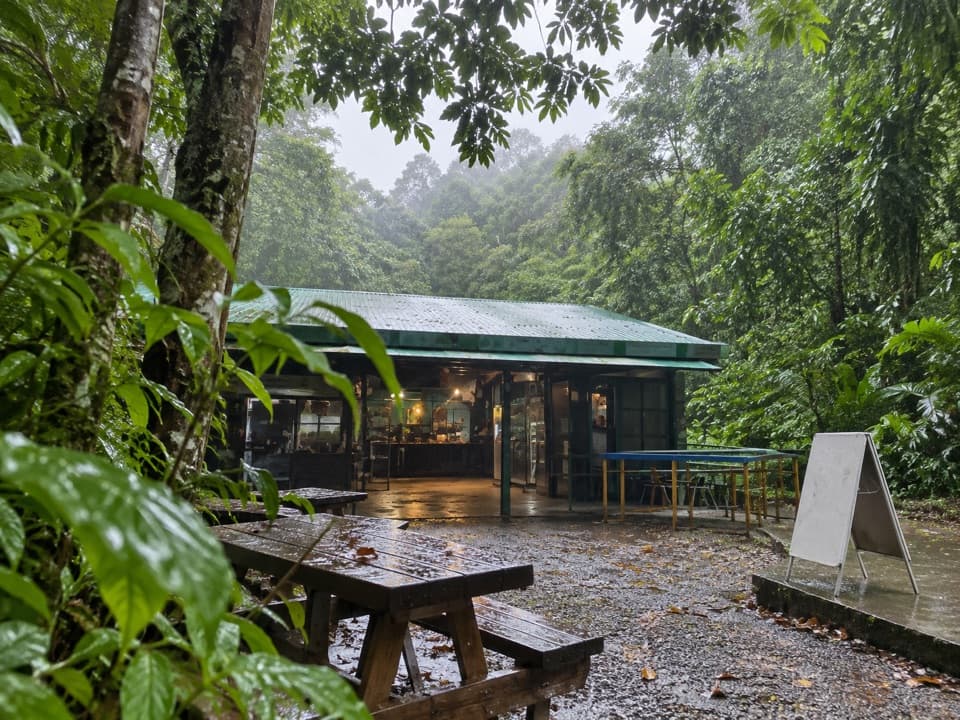 Food · 0.4 km awayManuel Antonio National Park CafeteriaA quick food break at the park's central trail junction.Beach · 0.6 km awayPlaya Manuel AntonioTwo bays, one sandy tombolo, and Quepoa turtle traps at low tide.
 Sight · 0.7 km awayLa TrampaA low-tide stone feature with a local fishing story.
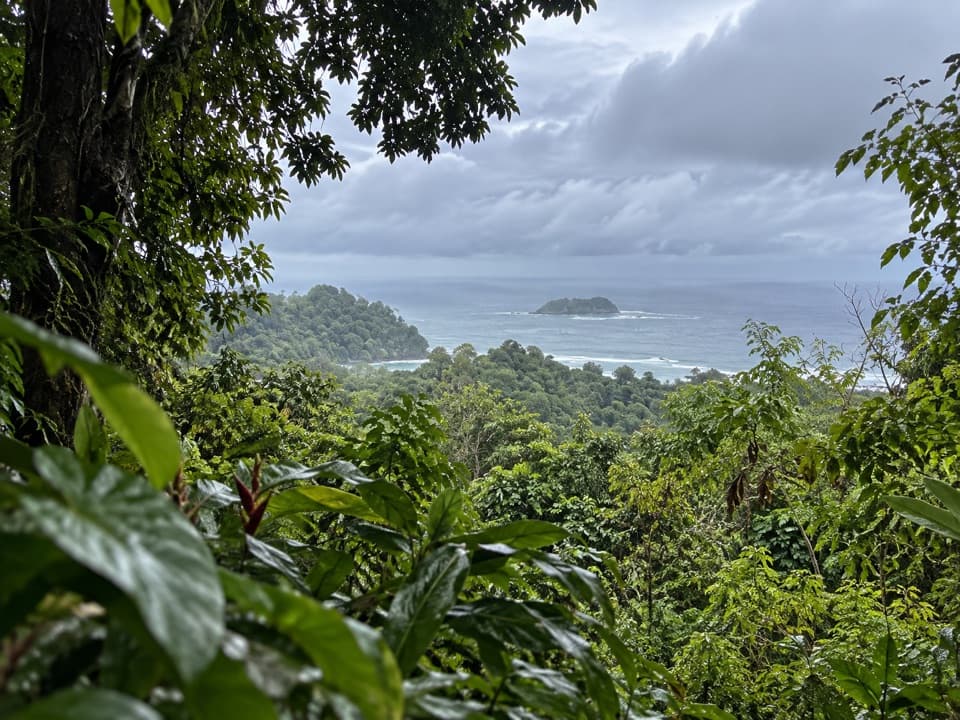 Sight · 0.7 km awayMirador de Punta SerruchoWorth the stairs for Punta Serrucho’s sawtooth coast.
 Sight · 0.8 km awayPunta CatedralWalk a forested tombolo for coastal lookouts, not a swim.Beach · 0.9 km awayPlaya Espadilla SurA quieter sandy shore, with surf worth checking before a swim.
 Bus stop · 1.4 km awayManuel Antonio Bus StopA Quepos bus drop-off near the beach, 10 minutes from the gate.
Parkwolf’s Manuel Antonio ranking

The audio tour guide for the drive, plus offline maps, trails, and wildlife heatmaps for when the signal drops.