Place · 0.7 mi away

The Gates of Haast is a narrow, dramatic gorge where the Haast River funnels beneath a highway bridge—loud, fast, and undeniably photogenic. It’s a classic leg‑stretch stop on State Highway 6 across Haast Pass, with the river churning through boulders below and spray hanging in the air on wet days.
Expect roaring, blue water racing through a tight rock corridor and big boulders sculpting the current. From the layby just beyond the bridge, a short ramp lets you walk down and tuck under the bridge for closer, safer angles of the torrent.
Park in the small layby just past the bridge (direction‑dependent) and take in the view—do not stop on the bridge. There are no toilets here. Plan restroom breaks at Pleasant Flat or Cameron Flat DOC campsites, the Blue Pools car park, or the Awarua/Haast Visitor Centre. Parking is limited, so keep stops short and be ready to move on.
The Wills Valley Track starts right by the bridge and is for experienced trampers only. Expect active slips, a short steel‑ladder bluff, native nettle near the start, unbridged river travel, and avalanche terrain that can affect the route from about May to November.
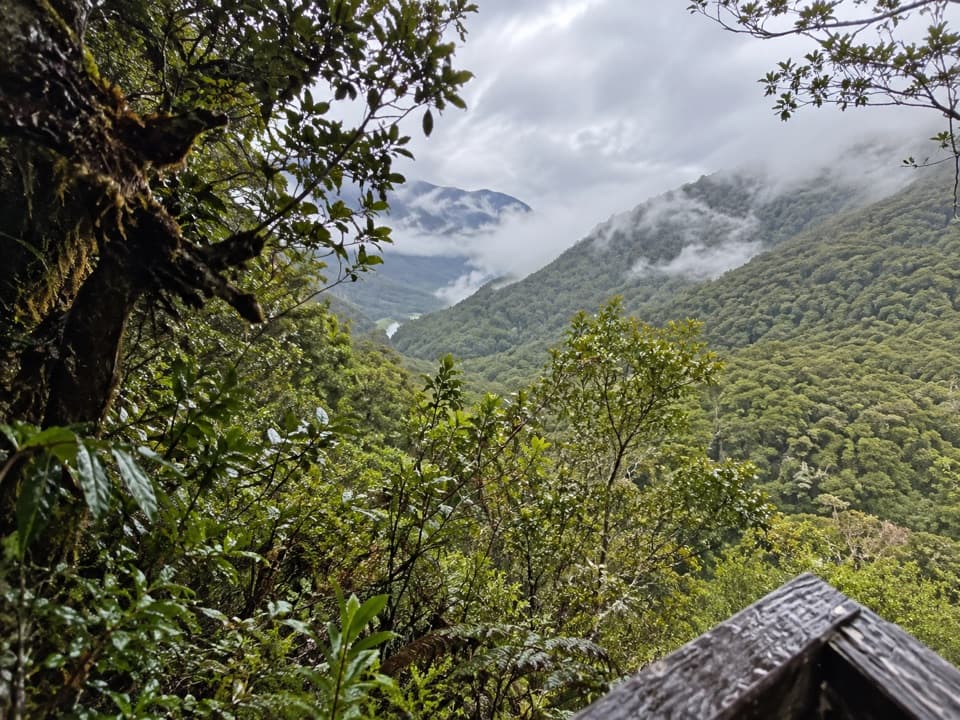
This gorge sits in a landscape shaped by glaciers, with deep river‑cut valleys and peaks formed largely of Haast schist. Nearby short walks pass through silver beech and kāmahi forest with a lush fern understorey, and DOC panels interpret local flora and fauna.
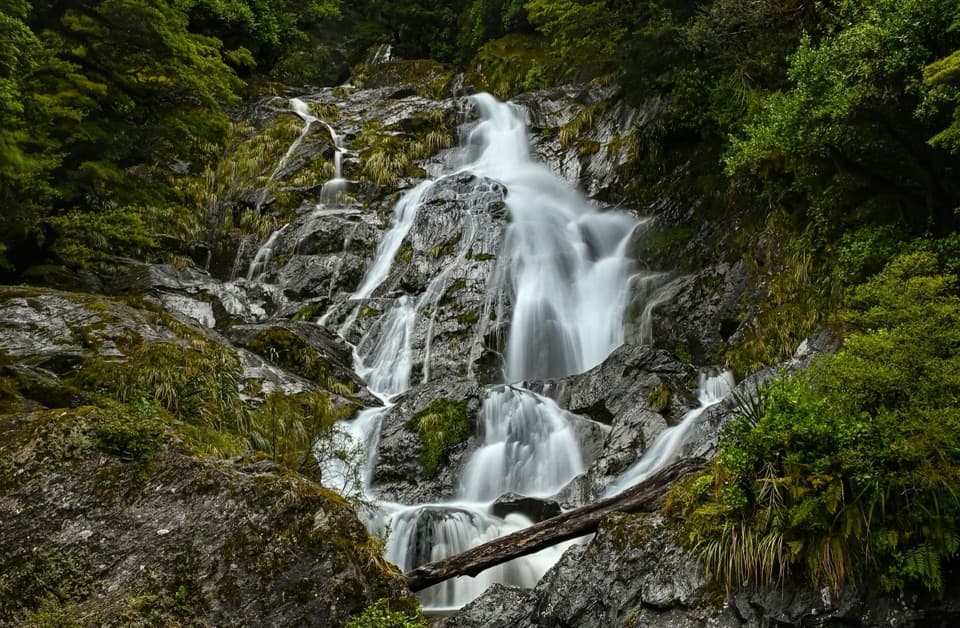
Thunder Creek Falls, Fantail Falls, and Roaring Billy Falls are easy, rewarding add‑ons along Haast Pass—especially dramatic after rain. They’re simple strolls from SH6, but plan toilets at Pleasant Flat rather than at those car parks.
After heavy rain the Haast River can be extremely fast and dangerous; edges can crumble—watch your footing and keep well back. West Coast weather can trigger slips and rapidly rising flows. If you’re considering the Wills Valley Track, check conditions and be willing to turn back if rivers are up.
Anytime you’re driving Haast Pass works for a quick look. For the gorge itself, visit when river levels are normal for safer, clearer views; rain makes it louder and more dramatic but ramps up risk. It’s a simple pullout, so stops are naturally short and turnover is quick.