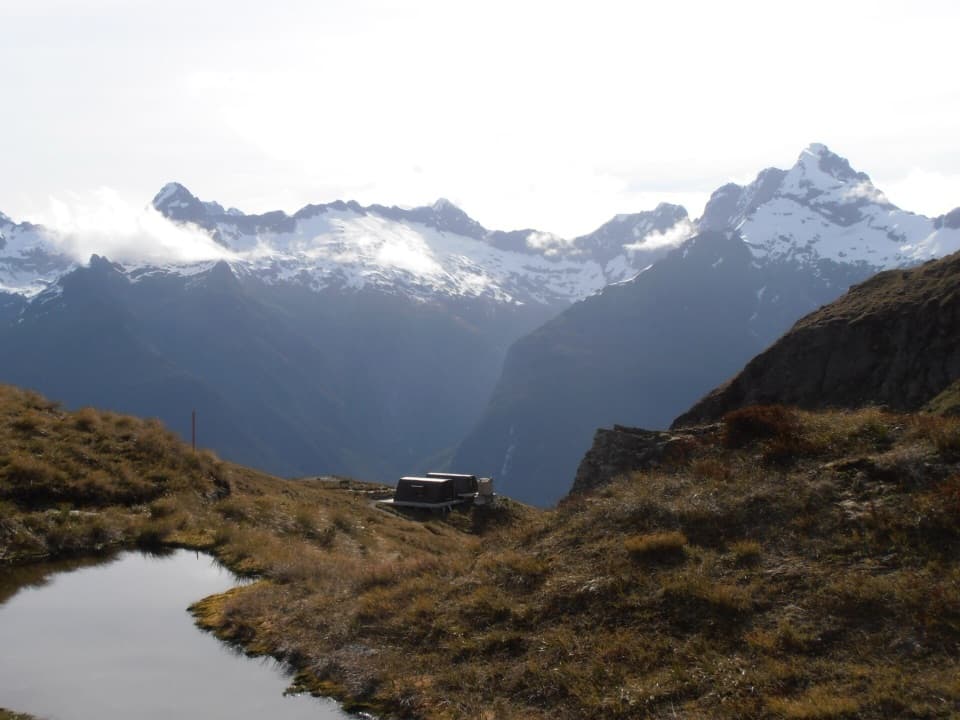
Harris Saddle / Tarahaka Whakatipu

Windy alpine pass with big views and a handy day shelter
Harris Saddle / Tarahaka Whakatipu, Mount Aspiring National Park
InsideMount Aspiring National Park

Overview

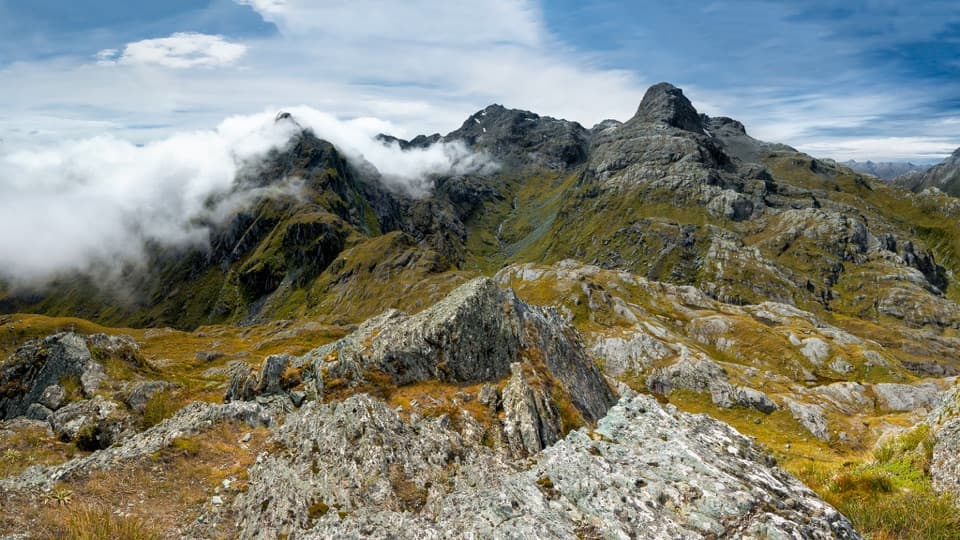
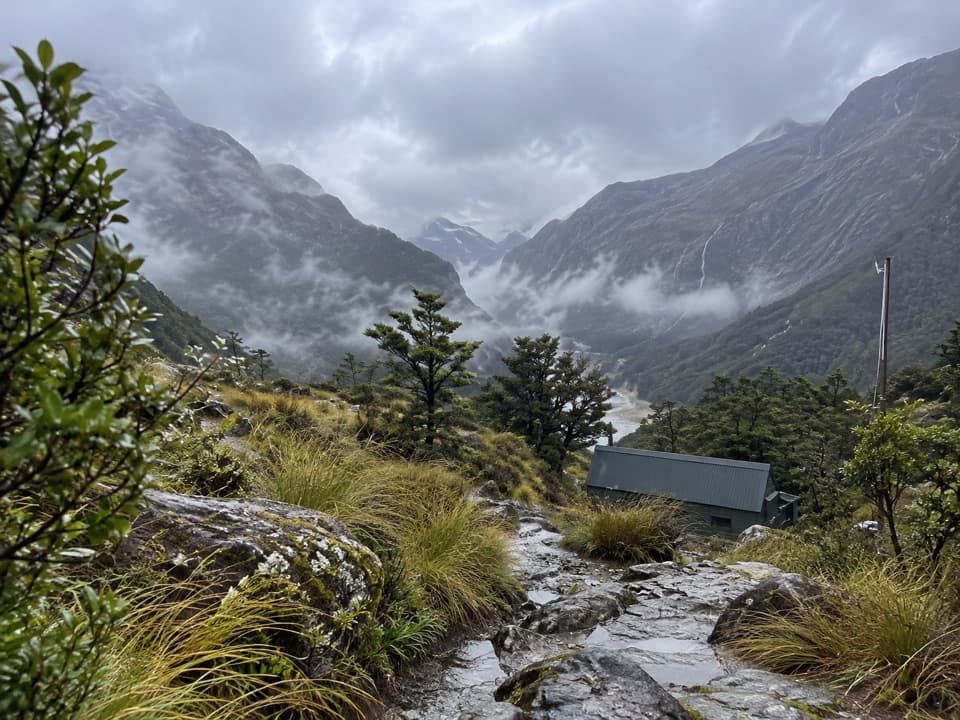
Harris Saddle / Tarahaka Whakatipu is the high point of the Routeburn Track at about 1,255 m, straddling the boundary between Mount Aspiring and Fiordland National Parks. It’s a true alpine pass: raw, windy, and wildly scenic. A simple day‑use shelter and toilet sit right on the saddle, giving you a place to duck out of the weather—but not to stay the night.

What You’ll See

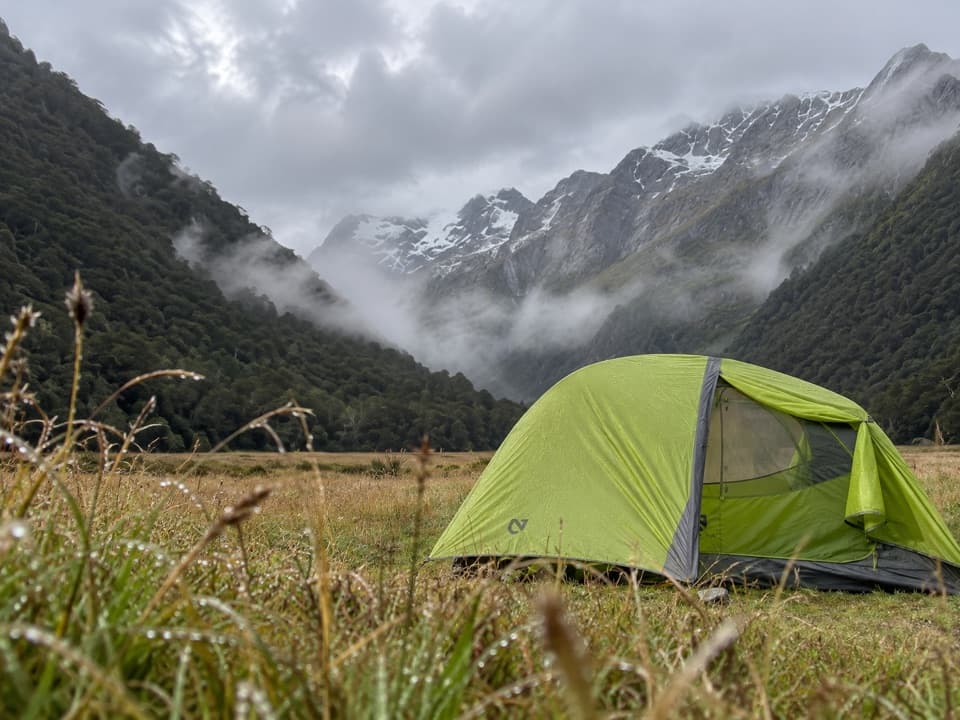
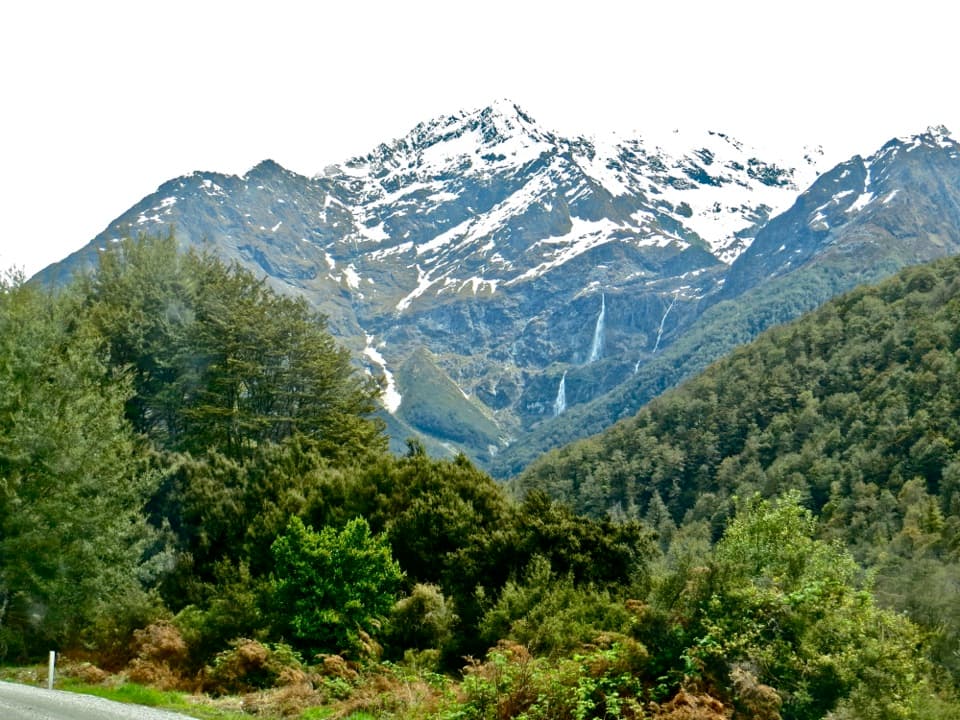
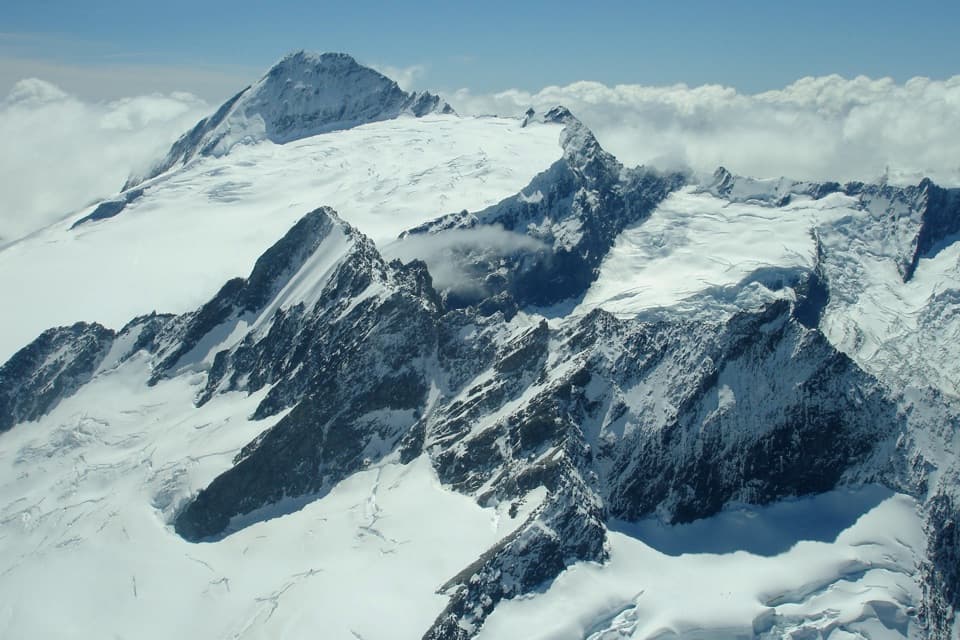
Approaching from Routeburn Falls Hut, the track skirts glacial moraine above Lake Harris before topping out at the saddle, then traverses the exposed Hollyford Face. The landscape is classic Ice Age work—U‑shaped valleys, cirques, and hanging basins—carved by massive glaciers that once spilled toward Martins Bay. On a clear day you’ll eye long views down the Hollyford Valley and across a sweep of subalpine tussock and rock.

Side Trip: Conical Hill

From the saddle, a marked side trip up Conical Hill (about 1.5–2 hours return) delivers superb vistas toward the Hollyford Valley, Lake McKerrow/Whakatipu Waitai, and Martins Bay. In snow or ice, this detour can be treacherous—expect winter conditions and respect any posted no‑stopping zones due to rockfall.

Nature Notes

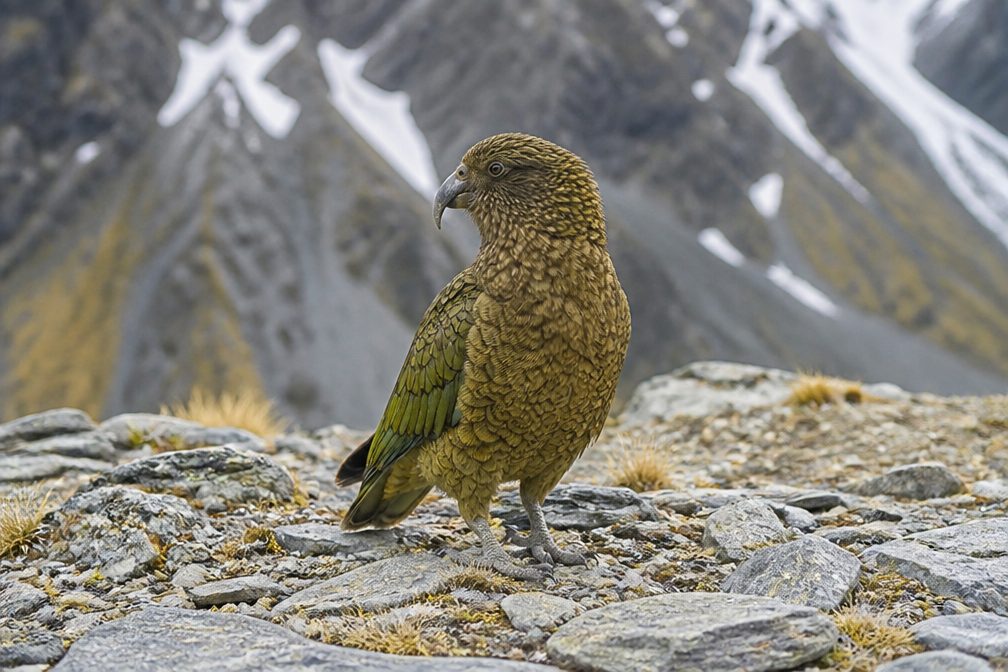
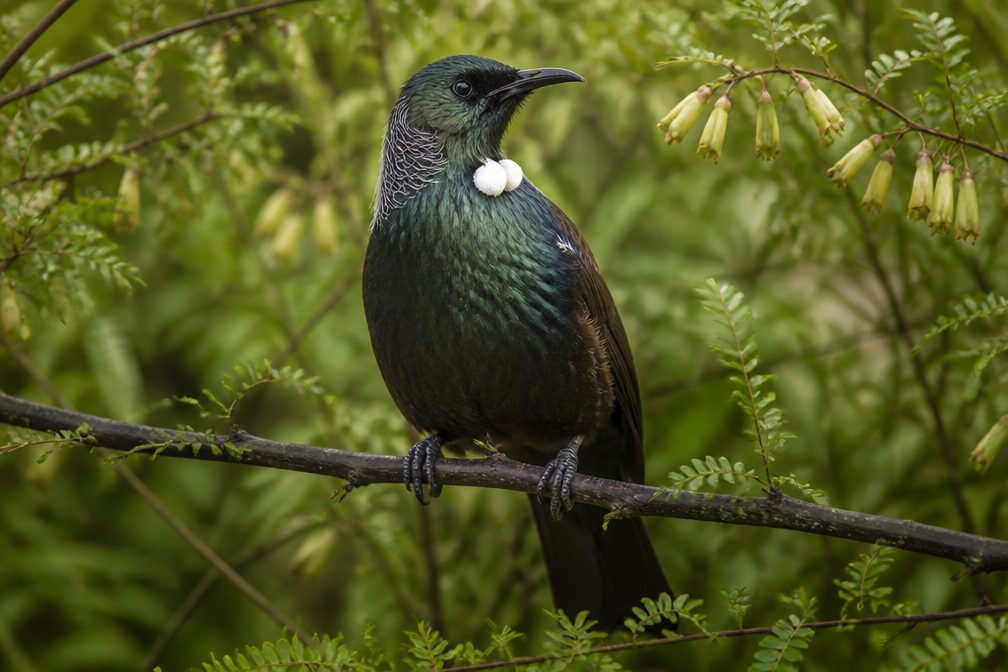
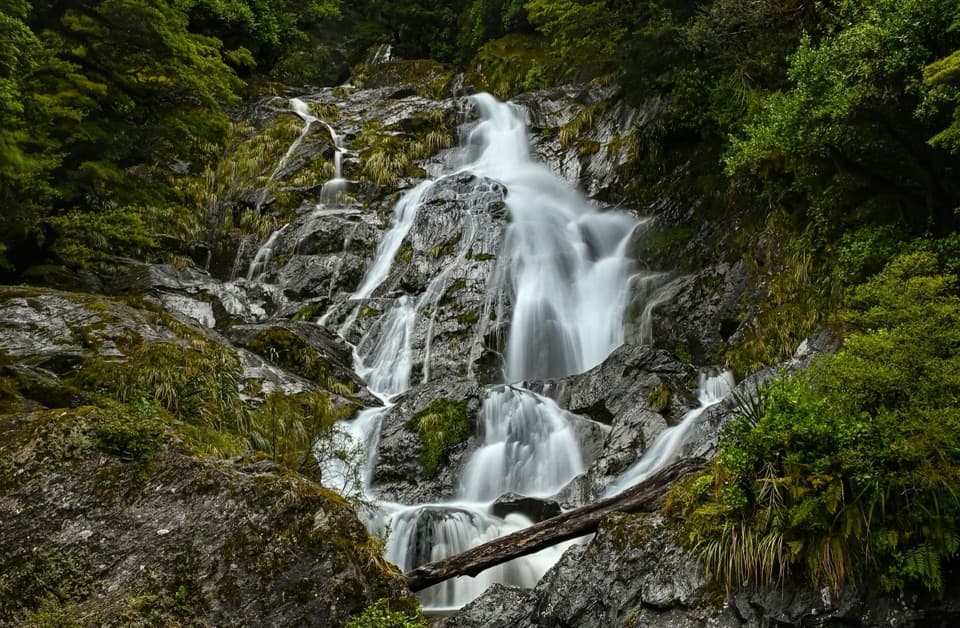
Below the bushline you’ll pass rich beech forest (red, silver, and mountain beech) draped with ferns, mosses, and lichens; above it, snow tussock and alpine herbs take over. Birdlife can be excellent: listen for bellbirds, robins, tomtits, fantails, kaka, riflemen, and more. Sandflies and wasps can be a nuisance—come prepared.

Facilities

  • Day‑use shelter at the saddle with a toilet; no bunks, heating, or cooking facilities.
  • No overnight stays permitted at the shelter.
  • Expect only basic, untreated water—treat before drinking. The nearest full facilities are at Routeburn Falls Hut (east) and Lake Mackenzie Hut (west). In winter, toilet types and water availability change and may be more basic.

Weather, Hazards & Seasonality

This is an exposed alpine crossing with rapidly changing weather and very strong winds. Snow, ice, and avalanche terrain are realities here; avalanche risk can extend into December, and in winter the saddle is often snow‑covered with difficult navigation. Bridges between Lake Mackenzie and the saddle may be removed outside the Great Walks season, and avalanche debris can cover the track. Plan conservatively.

Water & Hygiene

Use toilets at huts, campsites, and the shelter. Treat all water. Didymo is present in some creeks between Harris Saddle and Lake Mackenzie—avoid filling from these streams. If you must treat water, boil, filter, or use chemicals; iodine isn’t suitable for everyone (e.g., pregnancy, thyroid issues). Pack out all rubbish.

History & Name

Māori traveled the Hollyford–Routeburn route in pursuit of pounamu (greenstone). Europeans pushed a bridle path here in the 1870s and guided tourists were reaching the saddle by the 1880s. The official dual name—Harris Saddle / Tarahaka Whakatipu—reflects the region’s layered history.

Logistics Snapshot

Most walkers cross the saddle on the stage between Routeburn Falls Hut and Lake Mackenzie Hut (about 11.3 km; typically 4.5–6 hours). Stay on the formed track to protect fragile alpine vegetation.

Best Time to Visit

Aim for the Great Walks season from late October to late April for the most reliable conditions, keeping in mind that avalanche risk can linger into December. Choose a settled forecast for the traverse; on clear days, the views and photography are at their best.

Pros

  • Day-use shelter with toilet at the high point of the track
  • Big alpine views with an optional Conical Hill side trip

Cons

  • Fully exposed to severe weather and strong winds
  • Water is untreated; avoid some nearby streams due to didymo

Tips

  • Treat all water and avoid filling from streams between the saddle and Lake Mackenzie due to didymo.
  • Pack layers and a hard shell—winds at the saddle can be brutal even on bright days.
  • If conditions are safe, budget 1.5–2 hours for the Conical Hill side trip from the saddle.
  • Respect any no‑stopping rockfall zones and keep to the formed track across the Hollyford Face.
  • Outside the Great Walks season, expect snow/ice, possible bridge removals, and no rangers—come fully self‑sufficient.
The Parkwolf tour guide sitting on a phone mounted in a car

Parkwolf Tour Guide

Like a tour guide in your car.

Save the places you found around Mount Aspiring, then let Parkwolf guide the drive between them.Download Parkwolf on the App Store