Place · 0.1 mi away

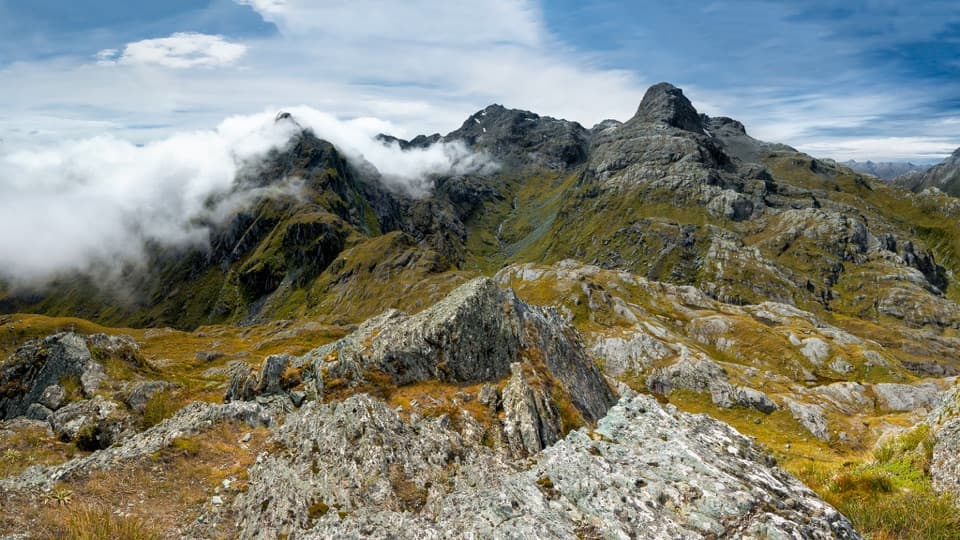
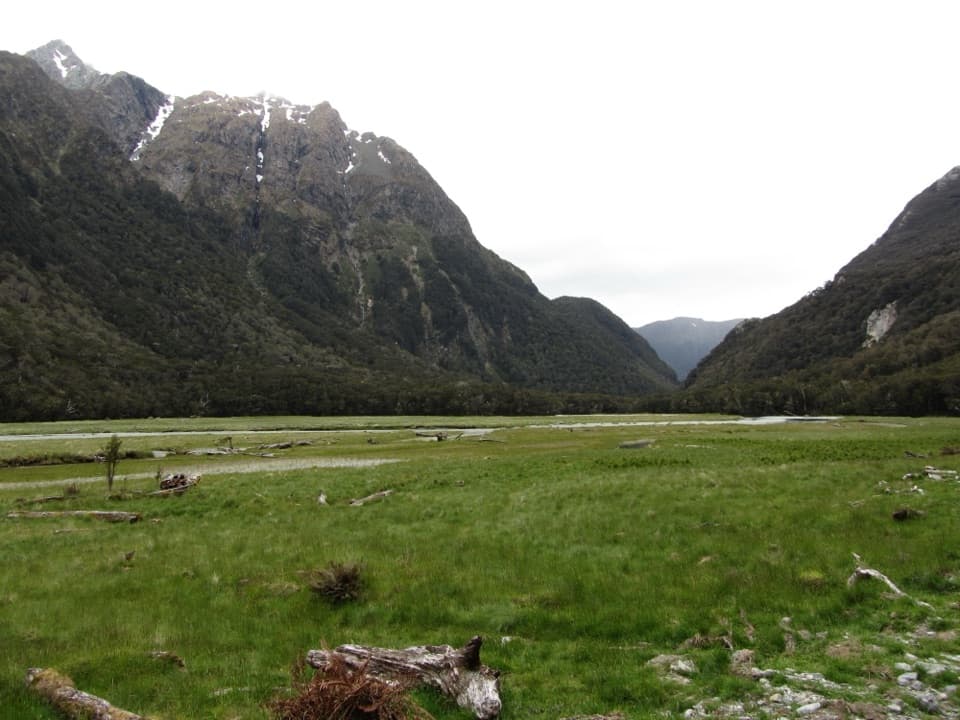
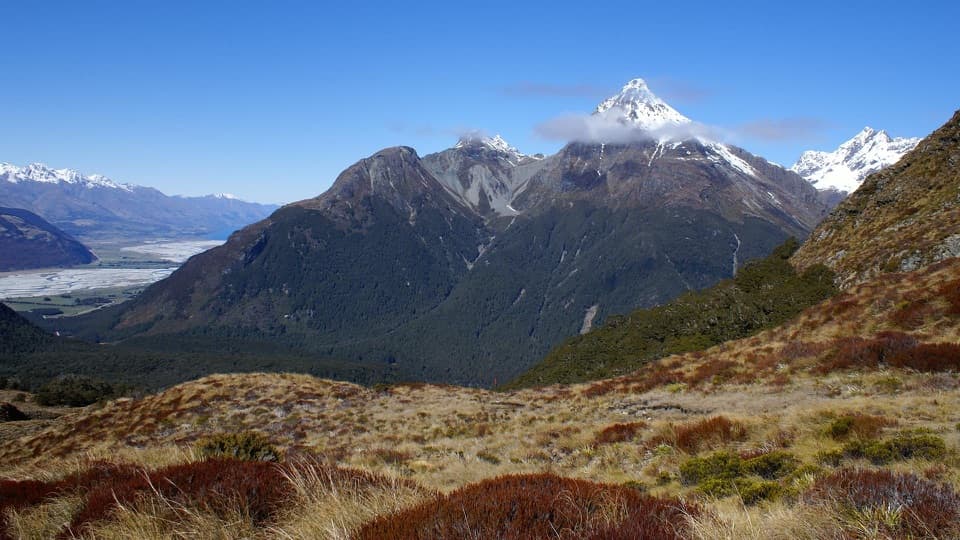
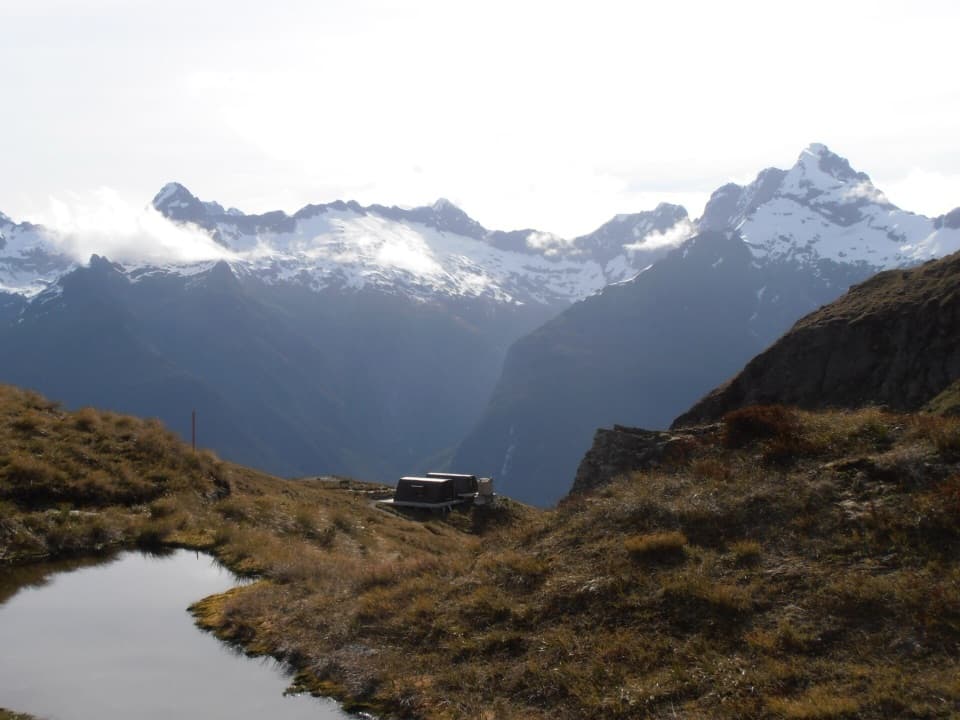
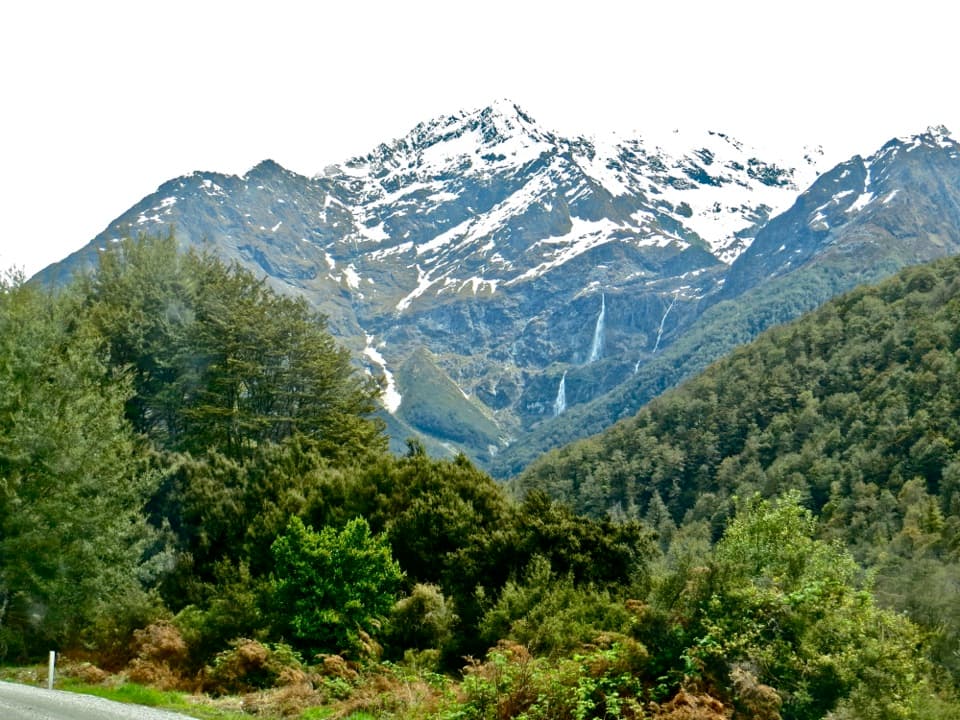
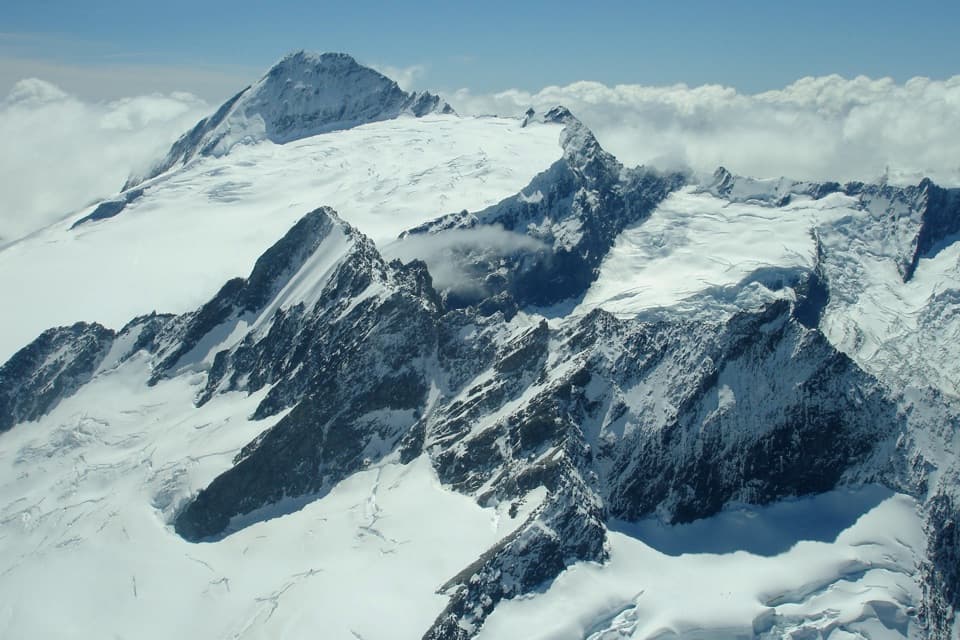
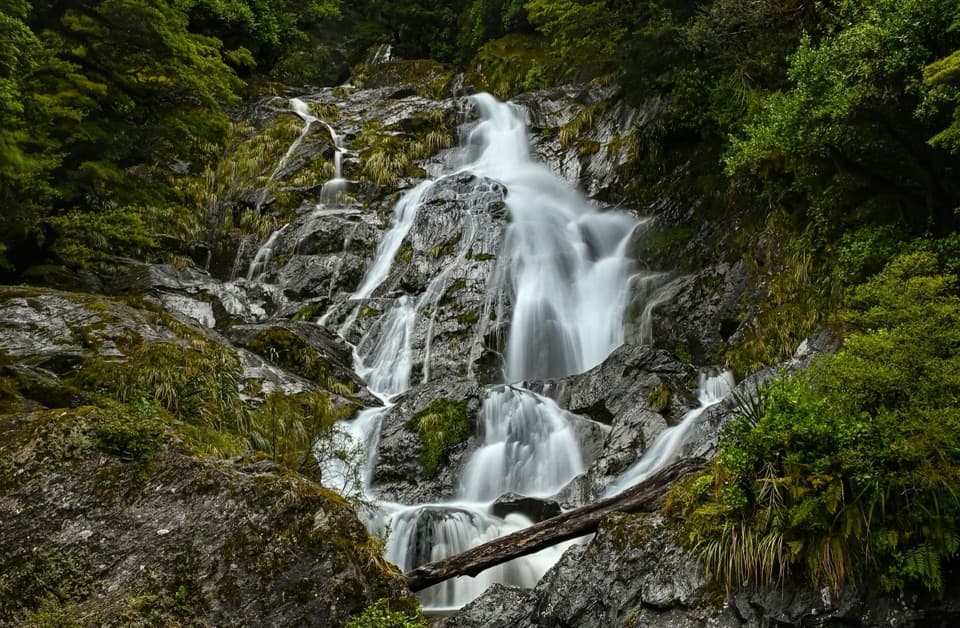
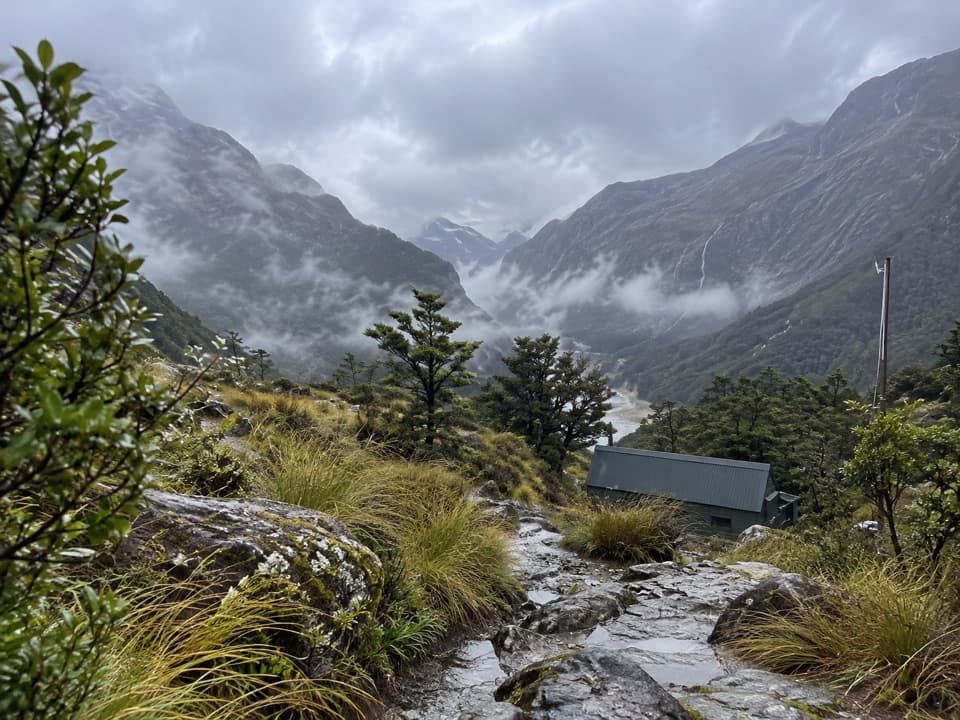
Perched beside its namesake falls near the bushline, Routeburn Falls Hut is the classic first-night stop on the Routeburn Track. The current 48‑bunk Great Walk hut (built in 1996) trades creature comforts for location—think sweeping views over the Route Burn valley and the Humboldt Mountains, a roomy common area, and a big deck to watch the light fade.
From Routeburn Shelter (near Glenorchy), it’s about 9.7–9.8 km with ~640 m of gain to the hut, typically 2.5–4 hours (most parties 3–3.5). From Routeburn Flats Hut it’s a short 2.3 km, 1–1.5 hours. Continuing the track, expect 11.3 km and 4.5–6 hours to Lake Mackenzie Hut. A popular side trip on the alpine day is Conical Hill from Harris Saddle (1.5–2 hours return).
Bookings are required in Great Walks season (Nov 1, 2025 – Apr 30, 2026). Pricing differs for New Zealand residents and international visitors, with adult rates listed as NZ$88 (NZ) and NZ$132 (international); child/infant policies apply as noted by DOC. Outside the season, beds are first‑come and cheaper, with Backcountry tickets/passes used during winter months.
There’s no cell coverage. Fiordland weather is notoriously wet and changeable; sections between Harris Saddle and Mackenzie are exposed with steep drop‑offs. Avalanche risk can extend into December, and DOC may close sections if conditions are hazardous. Didymo is present between Harris Saddle and Lake Mackenzie—avoid filling bottles from creeks there and follow Check‑Clean‑Dry practices. The track’s road ends are roughly 325 km apart, so plan transport early.
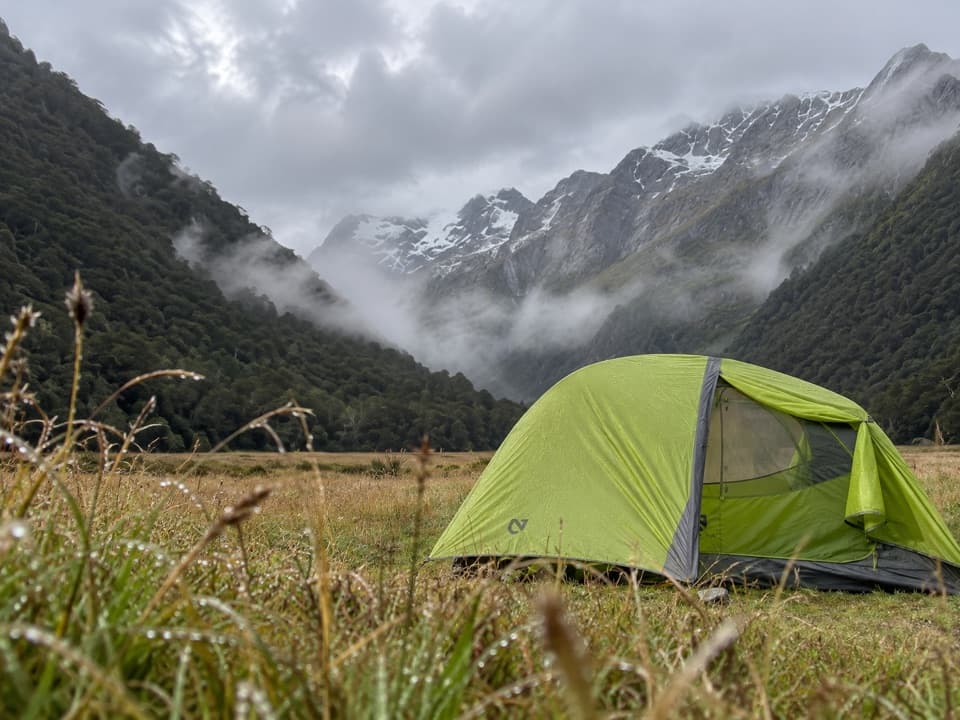
Bring a sleeping bag, full cooking and eating kit (pot, utensils, mug/bowl, lighter), warm layers including hat/gloves, waterproof jacket and overtrousers, sturdy boots, headlamp, and spare food. A PLB is smart if you have one. Outside the Great Walks season, you must carry your own stove and fuel, and any alpine/avalanche gear appropriate to conditions.
Hikers rate this hut highly for waterfalls, views, and well‑kept facilities. It’s popular, so expect company—and some dorm noise. Evening ranger briefings add helpful weather, safety, and local flora/fauna insight.