
Place · 0.5 mi away
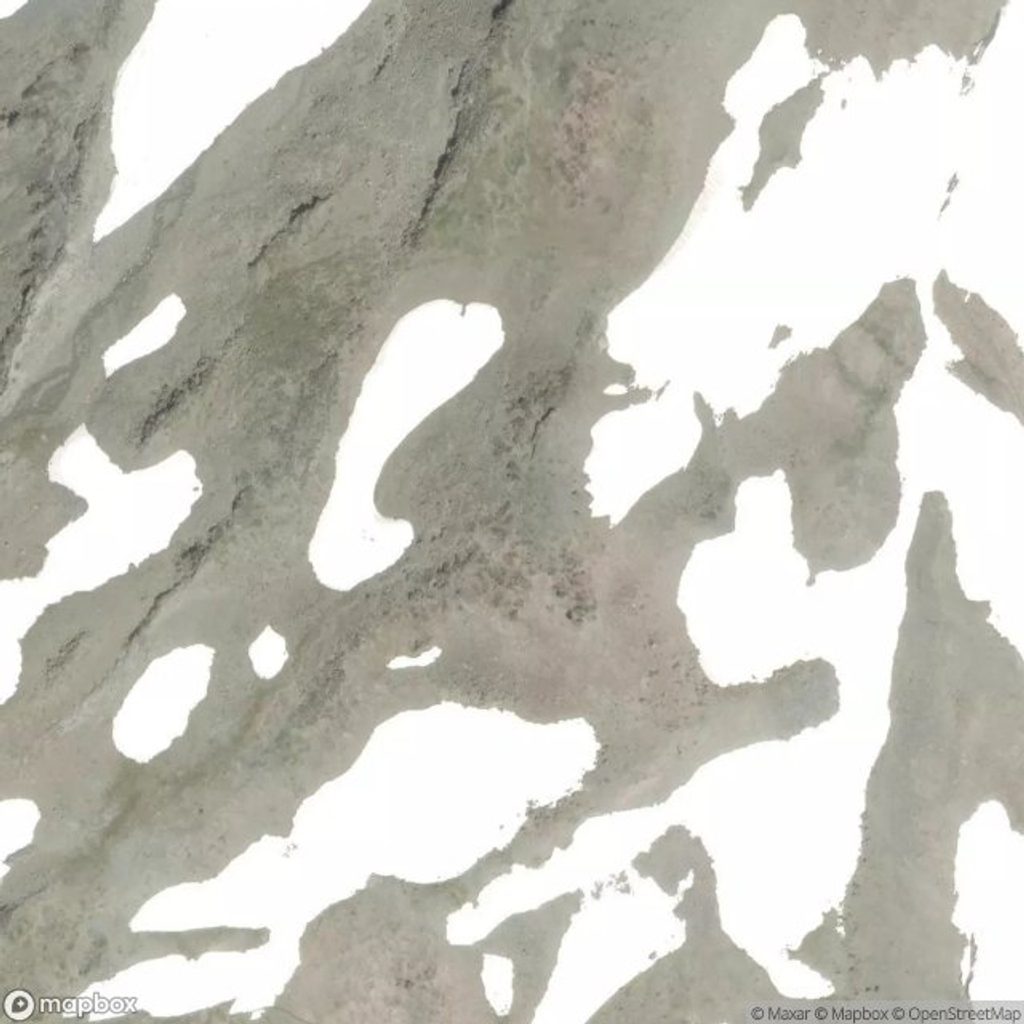
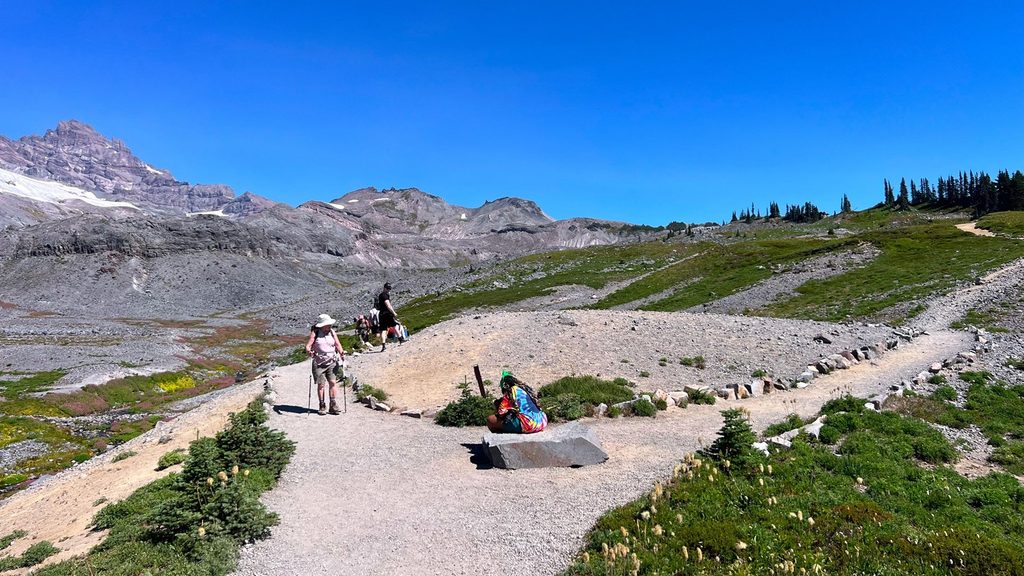
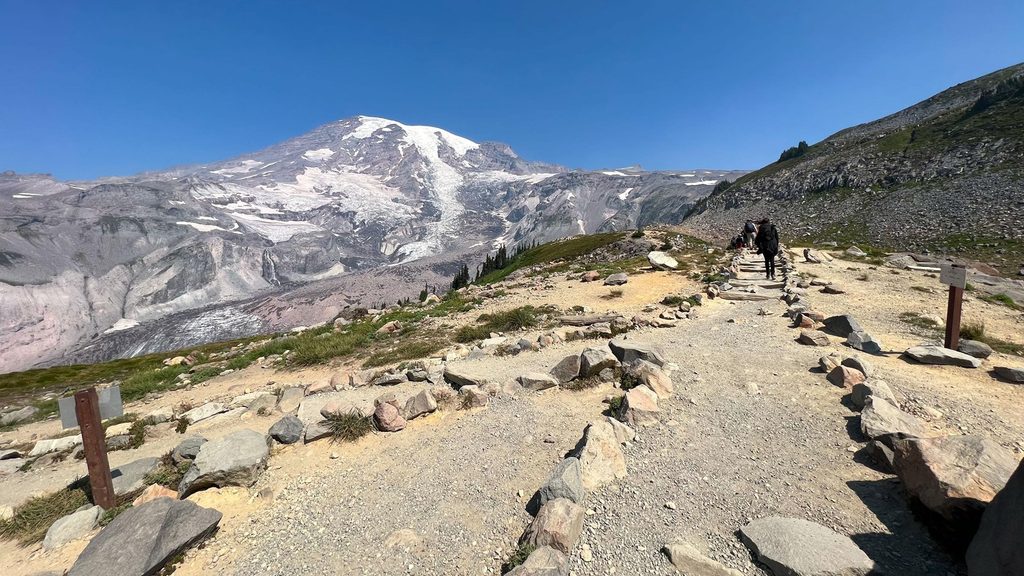
Perched at about 7,385 feet above Paradise and below the Muir Snowfield, McClure Rock is a low‑prominence volcanic outcrop that draws hikers and climbers heading beyond Panorama Point toward the Camp Muir zone. It’s a natural rest spot with a distinctive cairn on top and, on clear days, huge views—without the crush you’ll find at Panorama Point.
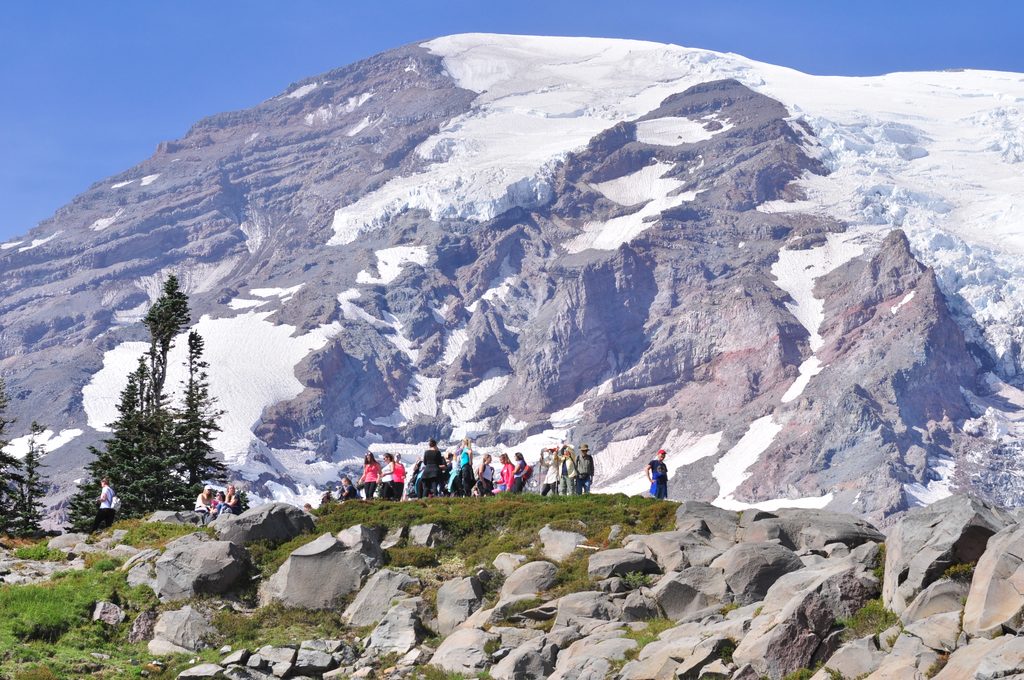
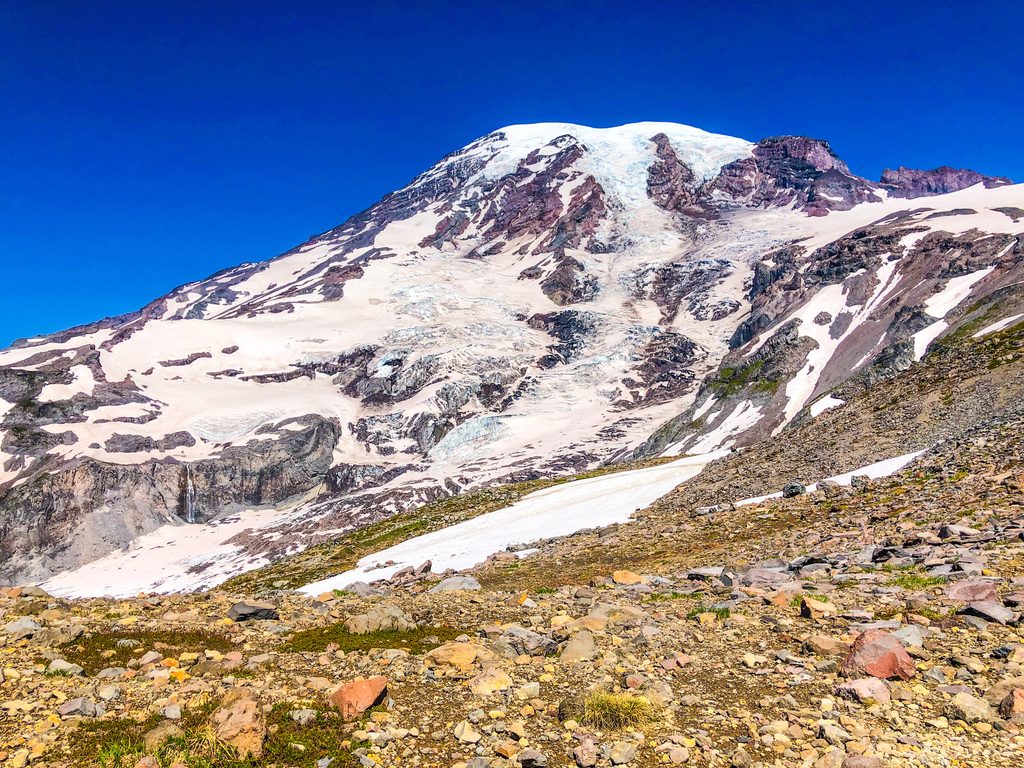
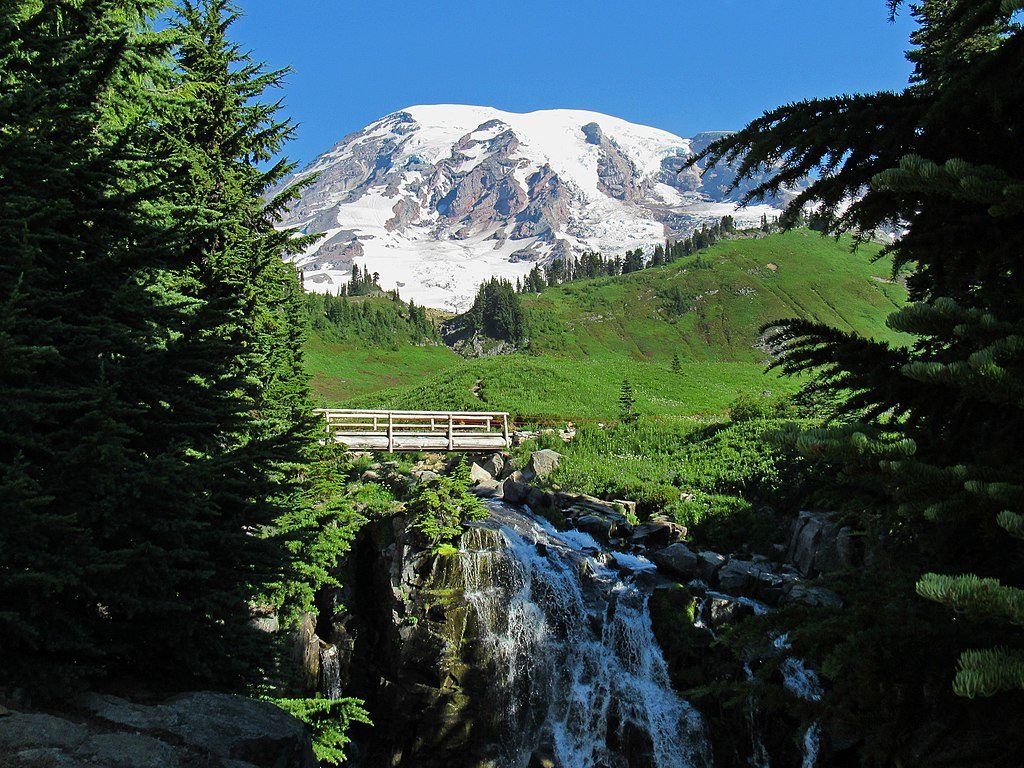
Expect wide‑open alpine vistas: the south face of Rainier, the Paradise Glacier, and distant ranges including Goat Rocks and Mount Adams on clear days. In summer, the approach meadows can explode with wildflowers—think lupine, heather, penstemon, arnica, gentians, saxifrage, and more.
Ravens are commonly seen riding the winds here. Elk are known to graze in the meadows below Paradise (less likely right at the rock itself).
McClure Rock is a classic waypoint for those pushing higher toward Camp Muir and a satisfying destination on its own. It can be busy on bluebird weekends, but it’s typically quieter than Panorama Point. In winter and spring, people often practice snow skills here, and the snowfields can make for fast (and sometimes spicy) glissades on the way down.
This is an exposed, windy perch; it can be cold even in summer. Fog and whiteouts happen—navigation gets serious fast when visibility drops. In snowy conditions, travel can be icy and steep in spots; glissading is fun for some and unnerving for others.
McClure Rock figures into the mountain’s surveying story—it was used in early measurements of Mount Rainier’s height, adding a bit of historical intrigue to the viewpoint.
Sturdy footwear; warm, windproof layers; sun protection (the snowfields reflect a lot of light); plenty of water and food; and real navigation (map/compass/GPS). In snow season, trekking poles help; an ice axe and helmet are advisable when conditions are firm.
Note: There are no facilities at McClure Rock. The nearest restrooms and parking are down at Paradise.
Place · 0.5 mi away
Place · 0.6 mi away
Place · 0.8 mi away
Place · 1.1 mi away
Moderate · 1.3 mi away
Challenging · 1.7 mi away
Challenging · 1.7 mi away
Easy · 1.7 mi away

Parkwolf Tour Guide
